How to Determine Corn Oil as a Seed Oil
Many people struggle with identifying genuine seed oils like corn oil from the countless options available. It’s understandable to feel overwhelmed by labels and appearance—you’re not alone in this.
Knowing how to distinguish authentic corn oil can help you make better choices and ensure you’re getting quality.
To determine if corn oil is a seed oil, look for its clear, pale yellow appearance and smooth, light texture. Smell for a subtle corn-like aroma and taste for a mild, nutty flavor.
Check labels for extraction methods like cold-pressing or refining, which affect quality. Authentic seed oils typically have consistent color and scent without cloudiness or sediment.
Continuing further will give you more tips to confidently identify genuine corn oil.
Key Takeaways
- Check the oil’s aroma for a distinct corn-like, sweet scent that’s typical of corn seed oil. It should smell fresh and recognizable as corn.
- Look at the clarity. Pure corn seed oil is usually clear and shouldn’t have any cloudiness or sediment in it.
- Do a flame test. When burned, pure seed oil burns clean without producing smoke or leaving residue behind.
- Make sure to verify the source or packaging labels. They should indicate that the oil is extracted from corn seeds, not other plant parts.
- Finally, assess the oil’s viscosity. Corn seed oil should flow smoothly and moderately, making it suitable for cooking.
What Are the Key Visual Features of Corn Oil?
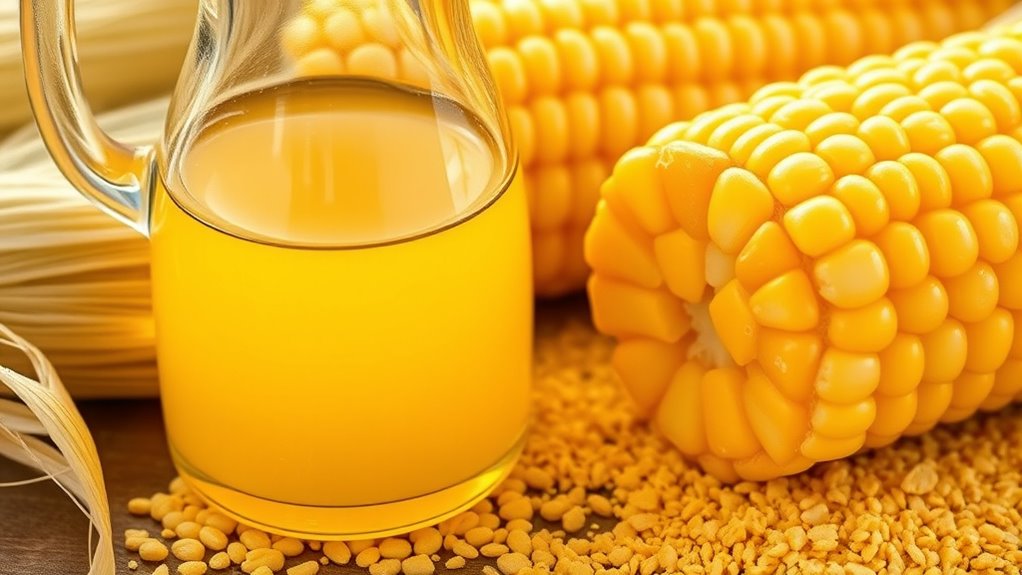
Corn oil usually looks like a clear, pale yellow liquid with a light, see-through quality. Its main color ranges from almost transparent to a soft yellow shade, making it easier to tell apart from other oils.
When you check its viscosity, corn oil feels smooth and flows easily. It’s thicker than water but lighter than oils like olive or sesame oil. Its moderate thickness means it pours nicely without hesitation.
The clarity is another visual clue. It should be free of cloudiness or sediment, which shows it’s pure. The color and consistency tend to stay the same across brands, though slight differences can happen depending on processing.
How Can You Recognize Corn Oil by Its Smell and Taste?
When you take a whiff of corn oil, you’ll notice a pretty distinctive corn-like smell that makes it stand out from other cooking oils. It has this subtle, sweetish aroma that’s a bit like fresh corn or popcorn, so it’s pretty easy to pick up on if you’re familiar with that scent.
As for the taste, corn oil usually has a mild, nutty flavor. It’s not overpowering at all—more like a gentle richness that can add a nice touch to your dishes without taking over. Getting used to its smell and taste makes it much easier to recognize corn oil quickly and with confidence when you’re shopping or cooking.
Distinct Corny Aroma
You can often identify corn oil by its distinctive aroma, which has a subtle, sweet, and slightly grassy scent that sets it apart from other vegetable oils.
This unique aroma is a key part of what makes corn oil recognizable, making it easier to identify just by smelling it. Its aroma is light but noticeable, with a fresh, corn-like scent that hints at its seed origin.
The aroma isn’t overpowering, but it’s enough to give you a clear indication of corn oil’s natural scent. When evaluating the oil, pay attention to the crispness and sweetness in its aroma, which are typical indicators.
Recognizing this distinct corniness helps confirm the oil’s authenticity as a seed oil derived from corn.
Mild Nutty Flavor
Despite its subtle profile, corn oil often reveals a mild nutty flavor that can be detected both in its aroma and taste. This gentle nuttiness adds a layer of complexity without overpowering dishes, highlighting its culinary versatility.
You might notice a hint of mild sweetness that balances the flavor profile, making it suitable for various recipes. Recognizing this flavor helps distinguish corn oil from other seed oils.
The nutty notes are delicate but present enough to elevate baked goods, stir-fries, or salads. To better understand, consider this comparison:
| Characteristic | Description |
|---|---|
| Mild Sweetness | Slightly sweet undertone |
| Nutty Flavor | Gentle, toasted nut aroma |
| Versatility | Works in many dishes |
| Aroma Detection | Subtle nutty scent in aroma |
| Taste Profile | Light, nutty, mildly sweet |
This flavor profile confirms corn oil’s identity and culinary uses.
Recognizable Odor Profile
Recognizing corn oil by its smell and taste involves paying attention to its distinct aromatic and flavor characteristics. Corn oil has a mild, clean aroma with subtle grassy or corn-like notes, making it easy to identify.
The aroma is usually light, fresh, and slightly sweet, without overpowering or harsh scents. When you taste it, you’ll notice a smooth, neutral flavor with a hint of sweetness and a mild corn-like undertone.
It lacks the strong nutty or grassy flavors found in other seed oils. This gentle aroma profile makes corn oil versatile for cooking while still allowing its subtle corn essence to shine through.
What Do Labels Reveal About Corn Oil Content?
Your labels can actually tell you quite a bit about what’s inside your corn oil, especially when it comes to nutrition and ingredients. It’s kind of like a little story about the product—showing you what’s in it and how it might fit into your diet.
When you take a moment to read the labels carefully, you’re doing yourself a favor. It helps you see if the product is transparent about what’s in it and whether it meets your standards for quality and health benefits. So, next time you’re shopping, give those labels a good look—you might learn more than you expect!
Nutritional Information Clarity
Labels on corn oil containers typically provide essential information about their nutritional content, but understanding what these labels reveal requires careful reading. You’ll see details about calories, fats, and sometimes trans fats, which are vital for evaluating nutritional benefits.
Many labels highlight that corn oil is high in polyunsaturated fats, which can support heart health. They also mention potential health concerns related to its omega-6 fatty acids. In excess, these may promote inflammation.
By examining the label closely, you can determine if the corn oil aligns with your dietary goals. Keep an eye out for added ingredients or processing information that might impact its health benefits.
Ingredient Transparency Details
When looking at corn oil labels, you’ll see detailed info about the ingredients used in making the oil. Labels often show where the oil comes from, helping you judge its purity and sourcing.
Look for terms like “100% pure” or “refined” to get an idea of quality. Some labels also mention if the oil is blended with other oils or has additives.
Many labels specify the geographic origin, giving you more transparency about where the oil is sourced. Knowing these details helps you pick products with higher purity and fewer additives.
Being aware of ingredient sourcing ensures you’re choosing seed oils that match your health and ethical values. Clear labels make it easier to make informed choices about the corn oil you add to your diet.
How Do Extraction Methods Affect Corn Oil’s Appearance and Quality?
Different extraction methods can significantly influence both the appearance and quality of corn oil. Cold-pressing preserves more nutrients and results in a clear, light-colored oil with minimal impurities, maintaining high oil quality.
Conversely, solvent extraction often yields a slightly darker oil, which may contain residual chemicals if not properly processed. Refining processes like bleaching and deodorizing further affect the oil’s clarity and aroma, possibly reducing natural flavors and nutrients.
Mechanical extraction tends to produce a purer product with fewer contaminants, which enhances oil quality. However, chemical methods can sometimes compromise purity if not carefully managed.
The choice of extraction impacts not only the visual appeal—such as color and clarity—but also the nutritional content and shelf life.
Understanding how different extraction techniques influence corn oil helps you assess its quality and authenticity. This way, you can select a product that aligns with your health and culinary preferences.
How Can You Detect Fake or Adulterated Corn Oil?
Since extraction methods can influence the appearance and purity of corn oil, it’s important to spot signs of adulteration or fakery. You can start by doing simple tests at home, like checking for unusual odors or colors.
Look for clarity and consistency; cloudy or off-color oil might mean poor quality or adulteration. Use purity indicators such as a small flame test — pure corn oil should burn cleanly without too much smoke.
A density test can also help. Adulterated oils often have different densities. Check for any residue or sediment at the bottom of the container, which signals impurity.
Be cautious of commercial labels and certifications. If they lack proper documentation, that can be a red flag. Combining these methods helps ensure you’re getting authentic, high-quality corn oil.
Always trust your senses and buy from reputable brands that do thorough testing for adulteration.
How Does Corn Oil Compare to Other Seed Oils?
Have you ever wondered how corn oil compares to other seed oils like sunflower, soybean, or sesame oil? When you look at seed oils, you’ll notice differences in flavor, smoke point, and health perks.
Corn oil has a high smoke point and a mild taste, which makes it versatile for cooking. Here’s a quick comparison to help you see how it stacks up:
| Oil Type | Smoke Point | Key Benefits | Flavor Profile |
|---|---|---|---|
| Corn Oil | 450°F | Heart-healthy and rich in E vitamin | Mild and neutral |
| Sunflower | 440°F | High in vitamin E | Light and nutty |
| Soybean | 450°F | Contains omega-3 fatty acids | Mild, bean-like |
| Sesame | 410°F | Rich in antioxidants | Nutty and bold |
These comparisons highlight corn oil’s advantages, like its neutral flavor and high smoke point, making it a popular choice for many types of cooking.
What Nutritional Labels Tell You About Corn Oil?
Looking closely at the nutritional labels on corn oil bottles reveals important information about its health benefits and composition. These labels can help you understand what you’re consuming and make informed choices. You’ll notice details such as calories, fats, and vitamin content, which are essential for evaluating nutritional benefits.
Analyzing corn oil labels helps you understand its nutritional profile and make smarter health choices.
Key points to reflect on include:
- Total fat content and the ratio of saturated, monounsaturated, and polyunsaturated fats.
- Omega-6 fatty acids levels, linked to inflammation and health considerations.
- Presence of vitamins E and K that support immune function and blood clotting.
- Calorie count per serving, helping manage overall diet intake.
- Any added trans fats or preservatives that might affect health considerations.
What Are Common Uses and Packaging for Corn Oil?
You probably know that corn oil is great for frying, baking, and sautéing since it has a neutral flavor and a high smoke point. That makes it really versatile in the kitchen, whether you’re preparing a quick snack or a more elaborate meal.
When it comes to packaging, you’ll find corn oil in different forms—bottles, cans, and even large bulk containers. This variety makes it super easy to store and grab whenever you need it. Knowing what packaging options are out there can help you pick the best one for your cooking habits.
Common Culinary Applications
Corn oil is a popular choice for a variety of culinary applications because of its neutral flavor and high smoke point. You’ll find it perfect for many cooking techniques, from frying to sautéing, where its mild flavor won’t overpower dishes.
Its versatility makes it suitable for salad dressings, baking, grilling, and stir-frying. The neutral profile allows it to complement a wide range of ingredients without changing their natural tastes.
When shopping, you’ll often see it in large bottles or cans, which are great for regular use. Corn oil’s high smoke point also makes it excellent for deep-frying, helping you achieve crispy results.
Thanks to its consistent quality and affordability, it’s a staple in many kitchens. It’s especially useful when you need reliable performance across different culinary techniques.
Packaging Options Available
Corn oil comes in many packaging options to fit your needs, whether for home cooking or commercial use. You can choose eco-friendly or sustainable options to help reduce your environmental impact.
Small bottles are great for everyday cooking, while bulk containers are ideal for restaurants and food producers. Eco-friendly choices like biodegradable bottles or recyclable cartons make it easy to be mindful of the environment.
| Packaging Type | Ideal For | Sustainability Focus |
|---|---|---|
| Glass Bottles | Home cooking, gift sets | Recyclable, reusable |
| Plastic Bottles | General household use | Recyclable, lightweight |
| Bulk Containers | Commercial kitchens, industries | Sustainable, eco friendly options |
| Cartons | Retail, small businesses | Recyclable, biodegradable |
What Questions Should You Ask When Buying Corn Oil?
When shopping for corn oil, asking the right questions can help you pick a high-quality product that fits your needs. Focus on key details to understand its benefits and make a smart choice.
Is the corn oil cold-pressed or refined? This affects the nutritional value and health benefits of the oil.
Is it labeled as organic or non-GMO? These labels can indicate better quality and that it meets certain health standards.
What’s the expiration date? Fresh oil keeps more nutrients and flavor, so check that before buying.
Are there any added ingredients or preservatives? Pure corn oil usually aligns better with clean eating habits.
How was the oil processed? Cold-pressed or expeller-pressed oils tend to preserve more nutrients.
Asking these questions helps you select a pure, high-quality corn oil that maximizes health benefits and supports your wellness goals.
How Can You Ensure You’re Getting Authentic Corn Oil?
How can you be sure you’re getting authentic corn oil? The key is to look for clear quality assurance measures from the manufacturer.
Reputable brands often provide detailed information about their sourcing practices, making sure the corn comes from trusted farms with strict standards. Check labels for certifications like USDA Organic or other third-party verifications, which show rigorous quality checks.
Reputable brands detail sourcing practices and display certifications like USDA Organic for quality assurance.
Be cautious of vague claims or generic labels, as they can hide lower-quality or adulterated products. Authentic corn oil will also have a consistent color, aroma, and taste, reflecting its purity.
Research the brand’s reputation and reviews to see if they’re committed to transparency. Ultimately, choosing companies that prioritize sourcing and quality assurance helps protect you from counterfeit or subpar oils.
This way, you’re more likely to get a genuine, healthy product.
Frequently Asked Questions
How Does the Origin of Corn Affect the Quality of the Oil?
The origin of corn affects the quality of the oil because of genetic diversity, which impacts the oil’s makeup. If your corn comes from a region with lots of genetic variation, it might produce oil that’s more nutritious and stable.
On the other hand, limited diversity can lead to more uniform oil profiles that may lack some beneficial properties. So, knowing where your corn is from helps you understand potential differences in oil quality and composition.
This information can guide you in making better choices when selecting and processing corn-based oils.
Are There Specific Certifications to Look for on Authentic Corn Oil?
You should look for certification labels on corn oil bottles, as they show the product meets quality standards.
Organic certification confirms no synthetic pesticides or chemicals, so you know it’s pure. Non-GMO labels assure you’re getting corn that hasn’t been genetically modified.
These certifications act as guarantees of authenticity and quality. They help you avoid inferior or adulterated oils.
Pay close attention—trustworthy labels make all the difference in choosing genuine, high-quality corn oil.
Can Processing Techniques Influence the Oil’s Nutritional Value?
Processing techniques greatly influence the nutritional benefits of corn oil. For example, cold-pressed methods keep more natural nutrients and antioxidants compared to refined processes, which often remove beneficial compounds.
When choosing corn oil, look for labels that mention minimal processing or specific methods like expeller-pressed. These techniques help preserve healthy fats and nutrients.
How Long Does Corn Oil Typically Last Before Rancidity Develops?
Corn oil can last up to a year before rancidity develops if you store it properly.
Rancidity factors like exposure to light, heat, and air speed up spoilage, so keep it in a cool, dark place with a tightly sealed container.
If it develops a sour smell or changes color, it’s a sign it’s gone bad. Proper storage truly makes your oil last longer and keeps it fresh!
What Are the Environmental Impacts of Corn Oil Production?
You should know that corn oil production impacts the environment through factors like pesticide usage and sustainability practices. Excessive pesticide use can harm ecosystems and pollute water sources.
Unsustainable farming methods also contribute to soil degradation and deforestation. By choosing brands committed to sustainable practices, you can help reduce these impacts.
Supporting farmers who minimize pesticide use and adopt eco-friendly methods makes a positive difference in promoting environmental health.
Conclusion
When choosing corn oil, trust your senses and read labels carefully to guarantee authenticity. Look for clear visual features, a fresh smell, and proper packaging.
Asking questions and understanding extraction methods can help protect you from fakes. Remember, “You are what you eat,” so selecting high-quality corn oil is essential for better health.
By staying vigilant, you can enjoy the benefits of genuine corn oil and make informed choices that nourish your body with seed oil.