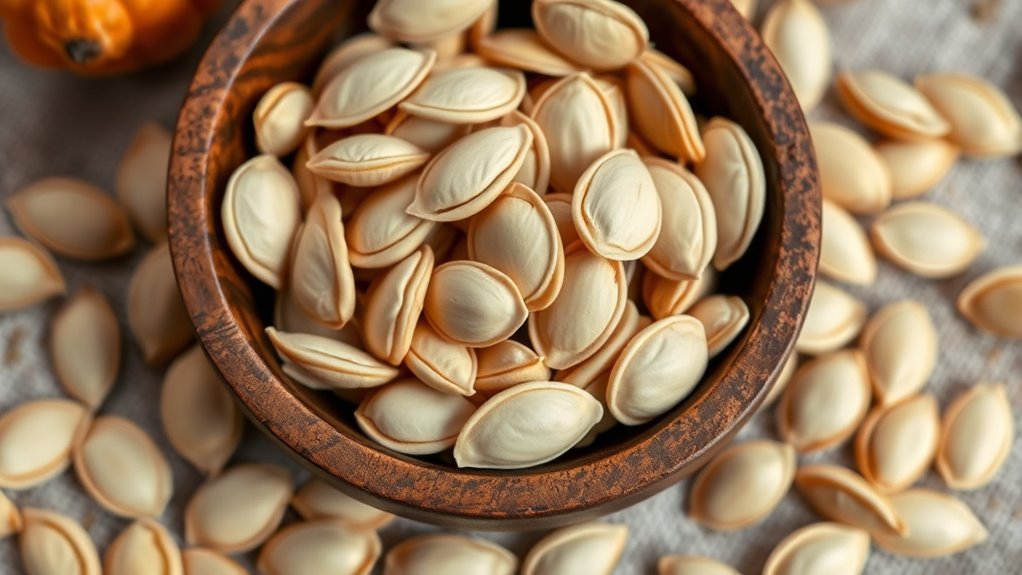
Can You Eat Raw Pumpkin Seeds?
If you’re someone who loves snacking on healthy foods but often worries about what’s safe to eat raw, you’re not alone. Many people struggle with knowing whether certain seeds or nuts are okay to enjoy straight from the bag.
Yes, you can eat raw pumpkin seeds if you handle and store them properly, ensuring they’re clean and free of mold or spoilage signs. Proper storage in a cool, dry place helps maintain their freshness.
While raw seeds are nutritious, they may cause digestive issues for some people, so moderation is key.
If you’re curious about safety tips, preparation methods, and their health benefits, there’s more to explore about making the most of these versatile seeds.
Key Takeaways
- Raw pumpkin seeds are safe to eat if you properly clean and store them in a cool, dry place.
- Wash seeds thoroughly to reduce contamination risks like Salmonella.
- They provide nutritional benefits, including high protein, healthy fats, and essential minerals.
- Proper preparation, such as roasting or soaking, can make them easier to digest and improve their flavor.
- Be aware of potential allergenicity and oxalate content, especially if you’re sensitive or prone to certain health issues.
Are Raw Pumpkin Seeds Safe to Eat?
Raw pumpkin seeds are generally safe to eat for most people, but it’s good to be aware of potential risks. When eating raw pumpkin seeds, safety mainly depends on whether they’re contaminated or bacteria are present.
Raw pumpkin seeds are safe to eat if properly cleaned and stored to avoid contamination and bacteria.
If the seeds aren’t cleaned or stored properly, bacteria like Salmonella could cause health issues. Some raw seeds also have natural compounds that might cause digestive discomfort if eaten in large amounts.
It’s worth noting that raw seeds can contain antinutrients, which may interfere with nutrient absorption. To stay safe, always wash your pumpkin seeds thoroughly and buy from trusted sources.
Store them in a cool, dry place to prevent mold growth. While eating raw pumpkin seeds is generally safe and nutritious, being mindful of these concerns helps you enjoy them without unnecessary risks.
How to Tell If Raw Pumpkin Seeds Are Spoiled
Wondering how to tell if your pumpkin seeds have gone bad? Freshness indicators are key to figuring out if they’re still good to eat.
First, check for any off smell. Spoiled seeds often emit a sour or rancid odor. If it smells strange, it’s best to toss them.
Next, look at their appearance. Watch out for mold, discoloration, or a slimy texture, which are signs of spoilage.
Then, taste a tiny piece. If it tastes bitter or sour, definitely discard them immediately.
Also, think about how you’ve stored them. Seeds kept in airtight containers in a cool, dark place tend to last longer. But if they’ve been in warm, humid environments, they spoil faster.
Proper storage helps maintain their freshness and prevents spoilage. Always trust your senses—smell, sight, and taste—to decide if raw pumpkin seeds are still good to eat.
When in doubt, it’s safer to toss them out to avoid any health risks.
Nutritional Benefits of Eating Raw Pumpkin Seeds
Pumpkin seeds are a powerhouse of nutrition, packed with essential nutrients that support your overall health. One of their key benefits is their high protein content, making them an excellent plant-based source to boost muscle repair and immune function.
Alongside protein, they contain healthy fats, primarily monounsaturated and polyunsaturated fats. These promote heart health and help reduce inflammation. They also support brain function and hormone production.
Furthermore, raw pumpkin seeds are rich in magnesium, zinc, and iron—crucial minerals that contribute to energy levels and immune strength. They’re also a good source of antioxidants, which help fight free radicals and protect your cells.
Including raw pumpkin seeds in your diet can improve digestion, regulate blood sugar, and elevate overall well-being. Their versatility makes them easy to add to salads, smoothies, or snacks, providing a nutritious boost with every handful.
Risks and Drawbacks of Consuming Raw Pumpkin Seeds
Eating raw pumpkin seeds can be a bit risky because they might carry bacteria if they’re not handled or cleaned properly. So, it’s a good idea to make sure they’re thoroughly washed before you snack on them.
Also, some people might find that eating a lot of raw pumpkin seeds can cause digestive issues like bloating or stomach upset. It’s best to enjoy them in moderation to avoid any discomfort. Just keep these things in mind before making raw pumpkin seeds a regular part of your diet!
Risk of Bacterial Contamination
Consuming raw pumpkin seeds carries the risk of bacterial contamination, which can lead to foodborne illnesses. Raw seeds may harbor bacteria like Salmonella or E. coli if not handled or stored properly. To reduce this risk, you should:
- Verify that seeds are sourced from reputable suppliers.
- Store seeds in a cool, dry place to prevent bacterial growth.
- Wash seeds thoroughly before eating to help prevent contamination.
- Consider roasting seeds to eliminate potential bacteria, although this might change their raw qualities.
While eating raw pumpkin seeds can be healthy, it’s important to understand the contamination risks. Proper handling and storage practices help minimize exposure to harmful bacteria, keeping your snack safe and enjoyable.
Potential Digestive Issues
Although raw pumpkin seeds are nutritious, they can sometimes cause digestive issues for some people. Their high fiber content might lead to bloating, gas, or stomach discomfort if you eat too many at once.
Raw seeds also contain natural digestive enzymes that, if not properly processed, could cause mild irritation or upset stomach. If your digestive system is sensitive or you have a history of gastrointestinal issues, eating large amounts of raw pumpkin seeds might worsen your symptoms.
To minimize these risks, start with small portions and see how your body reacts. Properly roasting or soaking the seeds can help reduce potential discomfort by breaking down some of the fiber and enzymes that are hard to digest raw.
How to Prepare Raw Pumpkin Seeds Safely
To prepare raw pumpkin seeds safely, the first thing you want to do is give them a good rinse to get rid of any dirt or debris. Just use cold water and make sure they’re thoroughly cleaned—no one wants any unwanted surprises!
Once they’re clean, you can choose to roast or season them based on what you’re craving. If you decide to roast, be sure to do it at the right temperature—usually around 350°F (175°C)—to make sure they’re cooked safely and come out perfectly crunchy. Proper handling like this helps you enjoy all the nutritional benefits without any worries about contamination.
Proper Cleaning Techniques
Start by rinsing the raw pumpkin seeds thoroughly under cold running water to remove any dirt, debris, or residual pulp. Proper cleaning methods guarantee your seeds are safe to eat and help preserve their quality for seed storage or snacking.
Here are key steps to follow:
- Use a fine mesh strainer to prevent seeds from slipping through.
- Gently agitate the seeds while rinsing to loosen any remaining pulp.
- Drain excess water and spread seeds on a towel to dry completely.
- Store cleaned seeds in an airtight container in a cool, dry place if not consuming immediately.
These cleaning techniques help eliminate contaminants and keep your seeds fresh, making them safe and easy to prepare later. Proper cleaning also extends the shelf life during seed storage.
Roasting and Seasoning
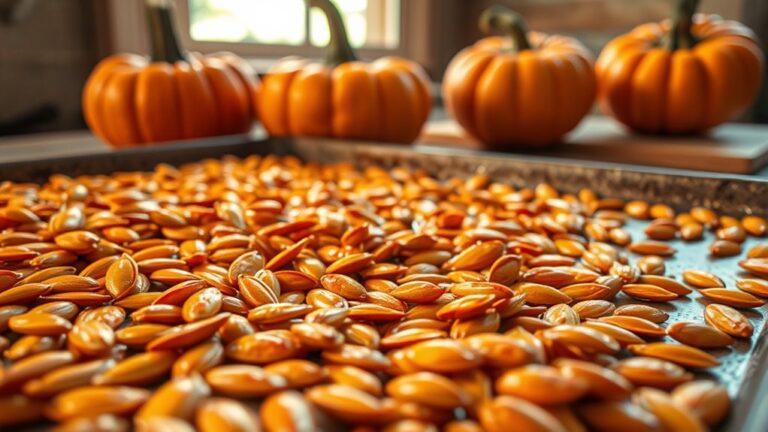
Once your raw pumpkin seeds are thoroughly cleaned and dried, you can safely move on to roasting and seasoning them to boost flavor and texture. Preheat your oven to 350°F (175°C).
Spread the seeds evenly on a baking sheet in a single layer. Toss them with a little oil and your favorite seasonings like salt, paprika, garlic powder, or cinnamon sugar. Roast for 15-20 minutes, stirring occasionally, until golden brown.
Keep an eye on them so they don’t burn. Once roasted, you can add extra seasonings while they’re still warm or enjoy them plain. Proper roasting makes them crispy and flavorful, perfect as a tasty, nutritious snack.
Should You Soak or Dehydrate Raw Pumpkin Seeds?
Should you soak or dehydrate raw pumpkin seeds? It really depends on what you’re aiming for. Soaking involves immersing the seeds in water to cut down on phytic acid and make nutrients easier to absorb. Dehydrating, on the other hand, helps preserve the seeds without added fats or preservatives and keeps them raw.
Here are four key points to think about:
- Soaking softens the seeds and boosts nutrient absorption, but you’ll need to rinse them well afterward.
- Dehydrating lets you dry the seeds at low temperatures, keeping their raw qualities intact.
- Both methods can improve flavor and texture, making the seeds more enjoyable to eat.
- Choose soaking if you want quicker digestion; go for dehydration if you want a raw, shelf-stable snack.
Deciding between soaking and dehydrating depends on your taste and health goals, but both can make your raw pumpkin seeds even better.
How Roasting Changes Pumpkin Seed Nutrition
Roasting pumpkin seeds changes their nutritional profile quite a bit. It reduces some vitamins and antioxidants, but it also makes the seeds tastier and crunchier.
The heat from roasting can break down heat-sensitive nutrients like vitamin E and certain antioxidants. As the temperature goes up, these nutrients tend to degrade and decrease in amount.
On the bright side, roasting makes the seeds more enjoyable to eat, encouraging snacking. The improved crunch and flavor can make them more appealing.
To keep more nutrients, it’s best to roast at moderate temperatures and for a shorter time. This way, you preserve more heat-sensitive vitamins and antioxidants while still enjoying a tasty snack.
Over-roasting can significantly lower the nutritional value, so keeping an eye on the process is important. Overall, roasting balances flavor with nutrient loss, especially for sensitive nutrients.
Are Roasted Pumpkin Seeds Healthier Than Raw?
When you’re trying to decide between roasted and raw pumpkin seeds, it’s good to think about both the nutritional differences and how they taste. Roasting can change some of the nutrients in the seeds, but it also brings out a richer flavor and a crunchier texture that many people love.
Nutritional Content Differences
The nutritional content of pumpkin seeds can change a lot depending on how you prepare them. Raw seeds usually keep more of their natural nutrients, while roasting can change their nutritional makeup. Here are four main differences:
- Vitamins and antioxidants: Raw seeds tend to have higher levels of heat-sensitive vitamins and antioxidants.
- Mineral content: Roasting can cause a slight drop in minerals like magnesium and zinc.
- Fat composition: The fat content stays pretty similar, but roasting might cause some oxidation, which could affect the healthy fats.
- Calories: Roasted seeds might have a tiny bit more calories if oils or seasonings are added during roasting.
Knowing these differences helps you decide whether to go for raw or roasted seeds to get the most nutritional benefits.
Impact of Roasting Process
While roasting pumpkin seeds can boost their flavor and texture, it can also change their nutritional profile. Different methods like dry roasting or oil roasting affect both health benefits and taste.
Dry roasting enhances flavor without adding extra fat, helping to keep more nutrients intact. On the other hand, oil roasting can make the seeds taste even better but adds calories and might reduce some heat-sensitive nutrients.
High temperatures can cause nutrient loss, especially for vitamins and antioxidants that are sensitive to heat. But roasting also reduces moisture, making seeds crunchier and more enjoyable to eat.
Just be careful not to over-roast, as it can lead to burnt flavors and further nutrient loss. Choosing the right method and temperature helps balance better flavor with preserving nutritional value.
Flavor and Texture Variations
Roasted pumpkin seeds often have a richer, more intense flavor and a crunchier texture compared to raw seeds, making them more appealing as a snack. The flavor profiles of roasted seeds develop deeper nutty and toasted notes, which improve their taste.
Texture differences are noticeable. Roasting creates a crispy, satisfying bite, while raw seeds tend to be softer and chewier. Roasting also adds smoky or savory notes that boost flavor complexity.
Raw seeds, on the other hand, offer a milder, more subtle taste. They have a softer texture, making them great for baking or blending into recipes.
Personal preference plays a big role in choosing between the two. Some like the crunch of roasted seeds, while others prefer the natural chewiness of raw ones.
Ultimately, both have their own appeal based on flavor profiles and textures.
How to Incorporate Raw Pumpkin Seeds Into Your Diet
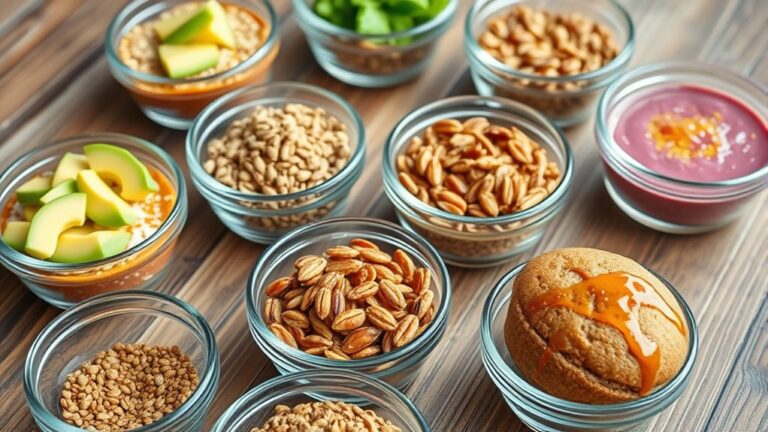
Wondering how to add raw pumpkin seeds into your daily routine? Start by sprinkling them over your favorite salads for a nutritious crunch. Their mild flavor complements greens, veggies, and even fruits, boosting your meal’s nutritional value.
You can also blend raw pumpkin seeds into smoothies to create a creamy texture packed with healthy fats and protein. Toss a handful into your blender with bananas, spinach, or berries for a quick energy-boosting drink.
Incorporate pumpkin seeds into yogurt or oatmeal for added texture and nutrients. They’re easy to carry for on-the-go snacking, too—just keep a small container handy.
Toast them lightly to elevate flavor if you prefer a richer taste, but raw seeds work well in many recipes. With these simple options, you can effortlessly include pumpkin seeds into your diet, gaining their health benefits while enjoying diverse and flavorful meals.
Who Should Avoid Eating Raw Pumpkin Seeds?
Certain individuals should exercise caution or avoid eating raw pumpkin seeds altogether. If you have specific health conditions, raw pumpkin seeds might not be suitable.
For example, if you have a kidney or bladder stone condition, the high oxalate content could worsen your symptoms. People on blood-thinning medications should be cautious, as pumpkin seeds contain compounds that may affect blood clotting.
Those with allergies to seeds or nuts should avoid raw pumpkin seeds to prevent allergic reactions. Children and pregnant women should follow moderation guidelines, since eating large amounts might cause digestive discomfort or other issues.
Always check with your healthcare provider if you have health conditions or are unsure about adding raw pumpkin seeds to your diet. Moderation is key, as eating too many can lead to adverse effects, even for healthy individuals.
Prioritize safety and listen to your body’s signals.
Frequently Asked Questions
Can Raw Pumpkin Seeds Cause Allergic Reactions?
Raw pumpkin seeds can cause allergic reactions if you’re allergic to seeds. If you have a seed allergy, eating raw pumpkin seeds might trigger symptoms like hives, swelling, or trouble breathing.
Always check your allergy status before trying raw pumpkin seeds. If you’re unsure, talk to a healthcare professional. It’s best to start with small amounts and watch how your body reacts to avoid any bad reactions.
How Much Raw Pumpkin Seeds Can I Eat Daily?
You can safely enjoy about a quarter cup of raw pumpkin seeds daily, which is roughly 30 grams. This amount provides impressive health benefits like magnesium, zinc, and antioxidants.
Picture yourself snacking on a handful, fueling your body with nutrients while supporting heart health and immune function. Just stick to the recommended serving size to avoid excess calories and potential digestive discomfort.
Do Raw Pumpkin Seeds Contain Antinutrients?
Yes, raw pumpkin seeds contain antinutrients like phytic acid, oxalates, and tannins, which can interfere with nutrient absorption. These compounds bind minerals such as zinc, iron, and calcium, potentially reducing their bioavailability.
But generally, eating raw pumpkin seeds in moderation isn’t a problem. To reduce antinutrients, you can roast or soak the seeds, which helps break down these compounds and improves nutrient absorption.
Are Organic Raw Pumpkin Seeds Safer to Eat?
Yes, organic raw pumpkin seeds are safer to eat because they usually contain fewer pesticides and chemicals, helping to keep their natural health benefits intact.
Their high nutritional value provides essential nutrients like magnesium, zinc, and healthy fats that support your immune system and overall health.
Eating organic raw pumpkin seeds ensures you get the maximum health benefits without added toxins, making them a nutritious and safe snack option.
Can Raw Pumpkin Seeds Help With Weight Loss?
They say, “You are what you eat,” and raw pumpkin seeds can be a helpful addition to your weight management journey. Packed with nutrients, these healthy snacks might help you feel full longer, reduce cravings, and boost your metabolism.
Adding pumpkin seeds to your diet allows you to enjoy a satisfying snack without consuming too many calories. So, yes, raw pumpkin seeds can support your weight loss goals while giving your body essential nutrients.
Conclusion
Overall, eating raw pumpkin seeds is safe and offers many health benefits, including more magnesium and antioxidants.
Just remember, about 70% of pumpkin seeds are eaten roasted, which can boost flavor but may slightly reduce some nutrients.
If you go for raw, make sure they’re fresh and stored properly. Incorporate them into your diet as a nutritious snack or add them to meals.
Be cautious if you have allergies or digestive issues, but generally, raw pumpkin seeds are a healthy choice.