How to Store Seeds for Next Year: A Practical Guide to Seed Preservation
Storing seeds for next year involves selecting mature seeds, drying them thoroughly, and keeping them in a cool, dark, and dry environment to maintain their viability. Using airtight containers like glass jars or sealed plastic bags can help prevent moisture and pests from spoiling your seeds.
Proper seed storage matters because seeds lose viability over time if exposed to moisture, heat, or light. By following careful storage methods, you can safely preserve a wide variety of seeds through the off-season and save money on buying new ones.
This article covers how to prepare seeds for storage, the best containers and environments for preserving seeds, tips on maintaining seed viability, and comparisons of common seed storage methods to help gardeners keep their seeds healthy until next planting season.
Preparing Seeds for Storage
Cleaning and Drying Seeds
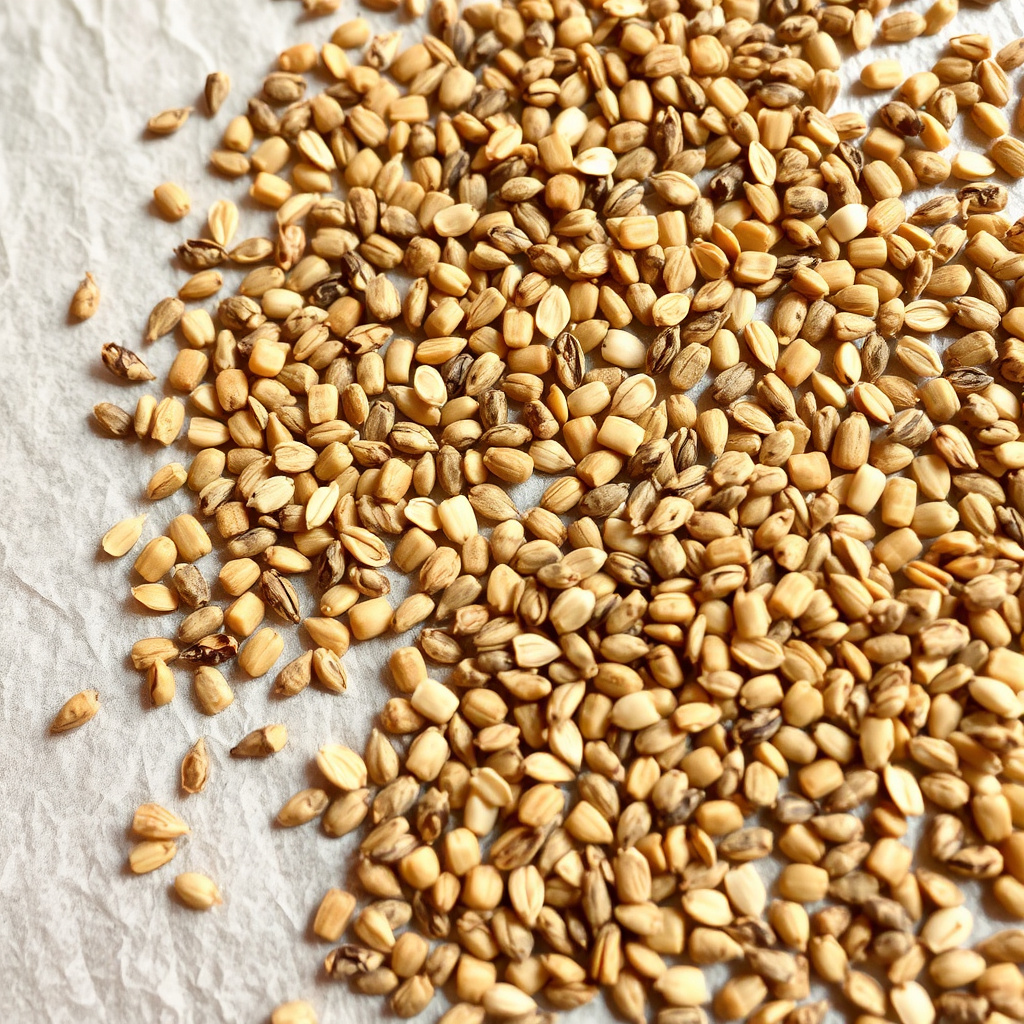
Before storing seeds, it’s essential to clean off any pulp or plant debris. For fleshy fruits, rinse seeds gently with cool water and then spread them out on a paper towel or screen to dry. Drying prevents mold and decay during storage.
Dry seeds thoroughly in a well-ventilated, shaded area for at least a week. Seeds are ready when they feel hard and brittle to the touch. Excess moisture trapped inside can trigger premature germination or rotting, so patience in drying is important.
- Remove pulp and debris thoroughly
- Use paper towels or screens for drying
- Dry in a shaded, ventilated space
- Wait for seeds to become brittle
Labeling and Organizing Seeds
Proper labeling helps avoid confusion later. Include the seed type, date of collection, and any specific variety information on the container or packet. This practice supports good garden planning the following year.
Organize seeds by type or planting season in separate containers or envelopes. Grouping them keeps storage tidy and speeds up seed selection when it's time to plant.
- Use waterproof markers or labels
- Include collection date and variety
- Store similar seeds together
- Keep a seed inventory log if possible
Choosing the Best Containers for Seed Storage
Glass Jars and Airtight Containers
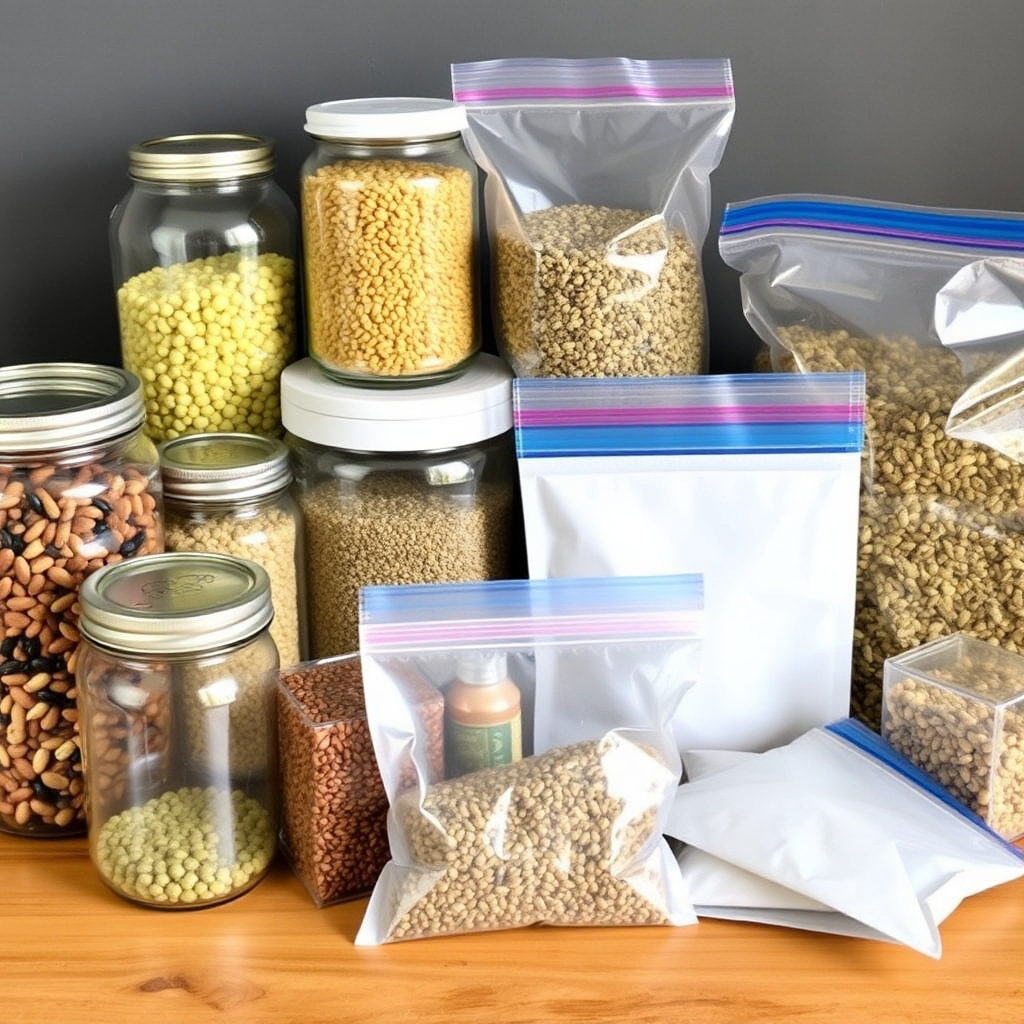
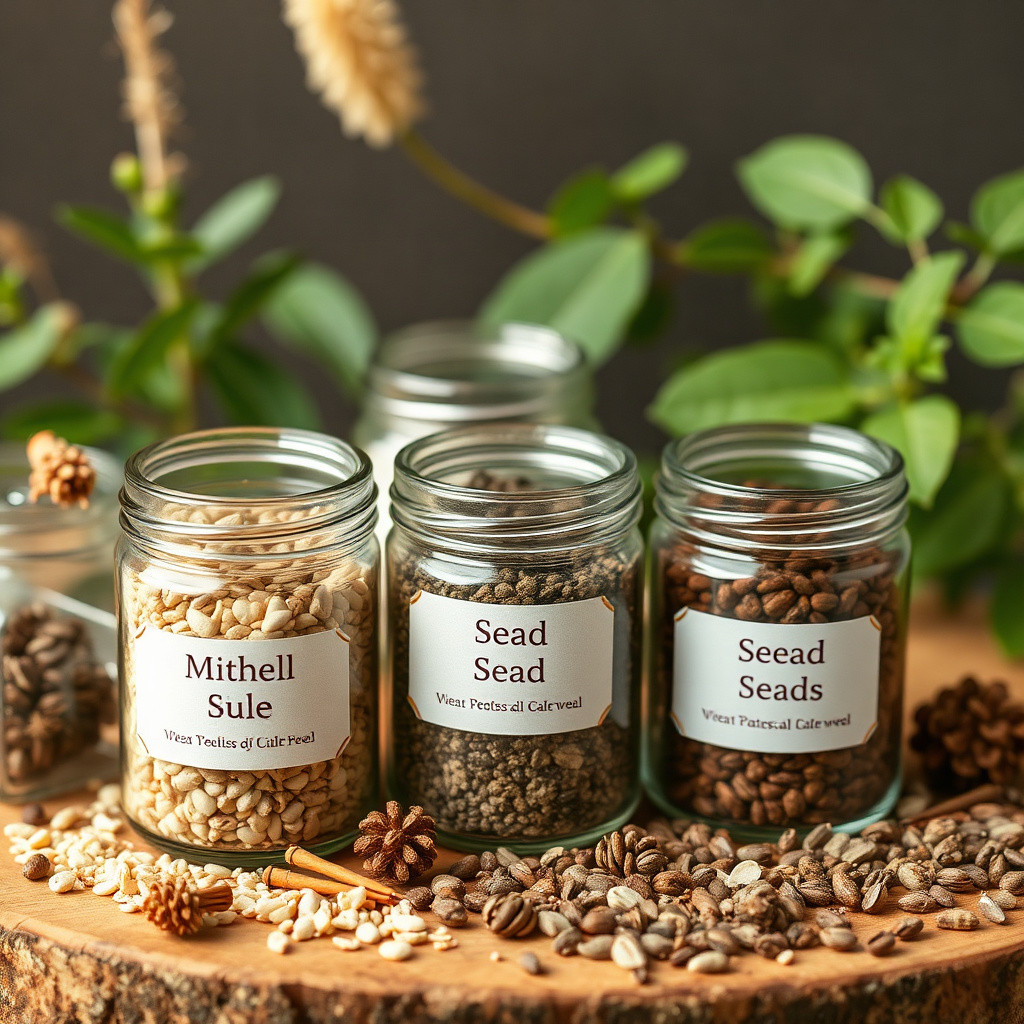
Glass jars with tight-fitting lids are excellent for seed storage because they protect from moisture and pests. Add a silica gel packet or dry rice in a small pouch to absorb ambient moisture inside the jar and keep seeds dry.
Ensure the jars are completely dry before placing seeds inside. Store jars in a cool, dark place for maximum longevity of the seeds.
- Use airtight glass jars
- Add moisture absorbers like silica gel
- Keep jars dry before storing seeds
- Store in a cool, dark location
Plastic Bags and Paper Envelopes
Resealable plastic bags can work well for short-term storage if combined with a moisture absorber and kept refrigerated. However, they aren’t as breathable, which can cause mold if any moisture remains inside.
Paper envelopes are breathable and can help maintain seed dryness, but they do not protect against humidity or pests. They are best for seeds that will be planted within a year.
- Use plastic bags with desiccants for short-term storage
- Paper envelopes allow airflow but less protection
- Avoid exposure to humidity and heat
- Label envelopes clearly
Ideal Environmental Conditions for Seed Storage
Temperature and Humidity Control
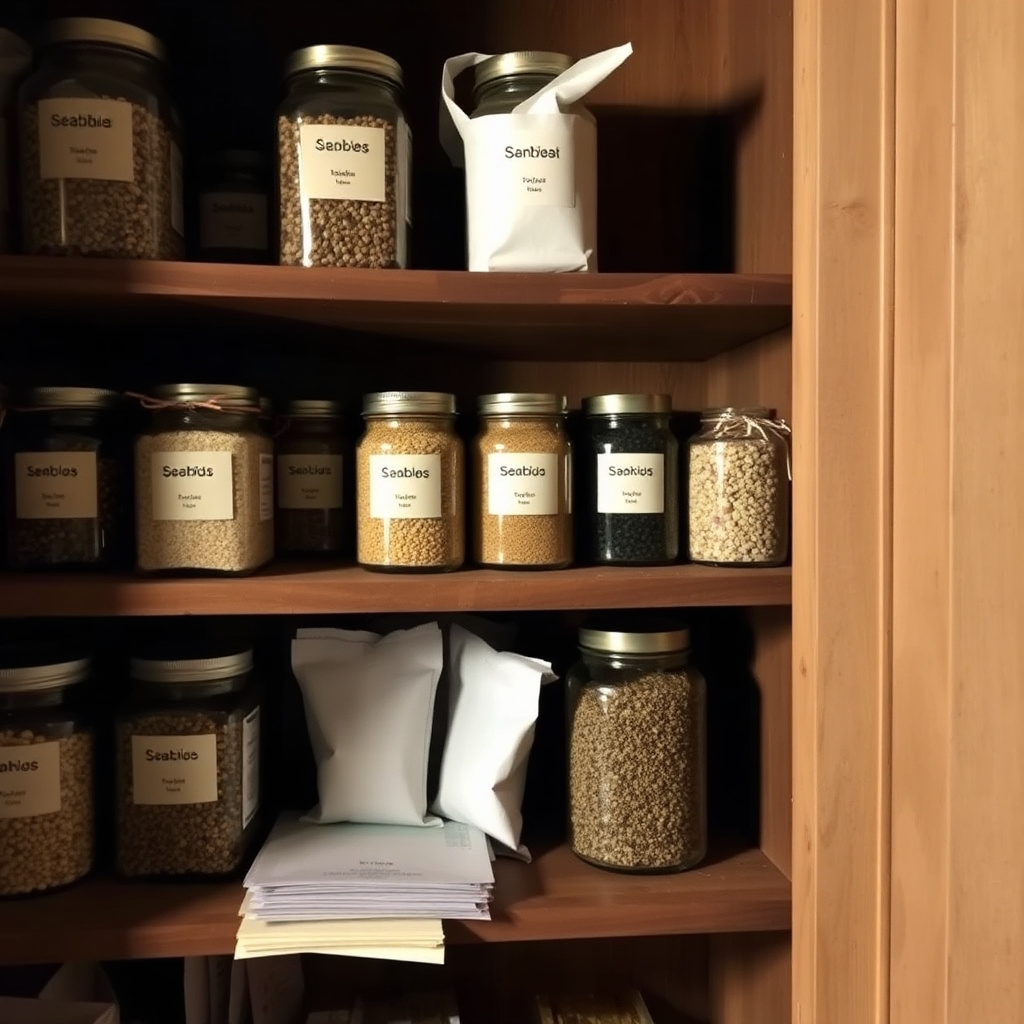
Seeds last longest when stored at temperatures below 50°F (10°C) with low humidity, ideally under 30%. Cold and dry conditions slow the metabolic processes inside seeds, preserving their viability.
Avoid storing seeds in places prone to temperature fluctuations like garages or sheds. A dedicated refrigerator drawer or a basement shelf can provide a stable, cool environment.
- Keep temperature below 50°F if possible
- Maintain humidity under 30%
- Avoid temperature fluctuations
- Choose stable cool and dry locations
For more on this, see our related guide: What Causes Seeds to Lose Viability and How to Prevent It.
Avoiding Light Exposure
Light can degrade seed quality over time, so storing seeds in opaque or dark containers helps preserve them. Alternatively, keep transparent containers inside a closed box or cupboard to block light.
Seeds naturally rest in soil without light, so darkness during storage mimics these conditions and reduces seed aging.
- Use opaque or dark-colored containers
- Store transparent containers in dark places
- Minimize exposure to daylight
- Mimic natural soil darkness
Maintaining Seed Viability Over Time
Testing Germination Rates
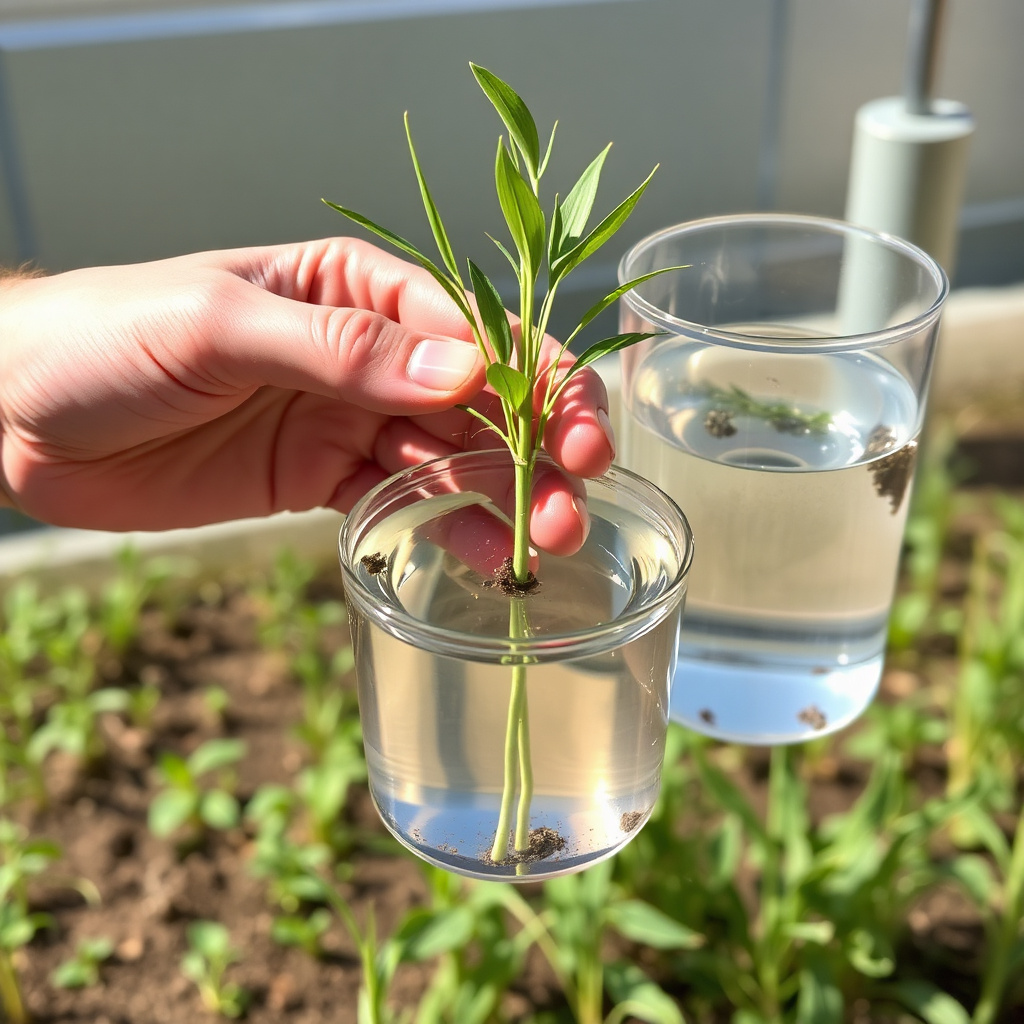
Before using stored seeds, testing their germination rate can help determine viability. Place a few seeds on a moist paper towel, keep them warm, and watch if they sprout within their usual timeframe.
If the germination rate is low, mix stored seeds with fresh ones for planting or plan to replace that seed stock next season.
- Use moist paper towel for germination test
- Keep seeds warm for optimal sprouting
- Evaluate sprout percentage after typical germination days
- Discard or refresh low-viability seeds
Refreshing Seed Stocks Annually
Seeds generally lose viability over several years depending on the species and storage. It’s advisable to collect or purchase fresh seeds every 1–3 years and cycle out older stocks for best garden results.
Maintain a seed log noting the year collected and germination test outcomes to manage seed rotation efficiently.
- Replace seeds every 1–3 years
- Keep detailed seed storage records
- Test periodically for viability
- Plan seed purchases based on results
Common Seed Storage Methods Compared
Room Temperature vs. Refrigeration Storage
Room temperature storage is convenient but often exposes seeds to fluctuating humidity and heat, reducing viability faster. Refrigeration provides significantly longer seed viability by maintaining stable cool temperatures.
For seeds stored less than a year, room temperature in a dry, dark location is sufficient, but refrigeration is recommended for longer-term seed preservation.
- Room temperature: easier but shorter seed life
- Refrigeration: longer viability but requires space
- Some seeds tolerate room temp better than others
- Humidity control critical in both methods
For more on this, see our related guide: Can Old Cannabis Seeds Still Germinate? A Practical Guide.
Freezing Seeds for Long-Term Storage
Freezing seeds stunts metabolic processes almost completely and can keep seeds viable for decades. However, seeds must be completely dry before freezing to prevent ice crystal damage.
Freezing is ideal for large seed collections or seed banks but may be impractical for casual home gardeners.
- Freeze fully dried seeds only
- Extends viability for many years
- Not suitable for all seed types
- Requires careful thawing processes
Handling and Protecting Seeds from Pests
Preventing Insect Infestation
Seeds attract insects such as weevils and beetles. Sealed glass jars and storing seeds in the fridge reduces this risk significantly. Adding natural deterrents like dried neem leaves or bay leaves can also help.
Regularly check stored seeds for infestation signs such as holes in containers or damaged seeds to catch problems early.
- Use airtight containers
- Add natural pest repellents
- Inspect seeds periodically
- Clean storage areas thoroughly
For additional detailed background on preserving seeds, the Seed saving basics article on Wikipedia offers an extensive overview. Seed saving basics on Wikipedia.
Protecting Seeds from Mold and Fungus
Mold and fungus thrive in humid conditions. Keeping seeds dry and in low humidity environments prevents fungal growth. Silica gel packets, dry rice, or activated charcoal can absorb excess moisture in storage containers.
Avoid storing seeds with any green or wet plant material, as these promote mold development quickly.
- Store seeds completely dry
- Include moisture absorbers in containers
- Remove any fresh plant debris
- Choose low-humidity storage locations
Seed Storage Methods Comparison
This table compares common seed storage methods by viability duration, ease of use, and suitability for home gardeners.
| Storage Method | Viability Duration | Ease of Use | Best For |
|---|---|---|---|
| Room Temperature | 6-12 months | Very easy | Short-term storage, frequent planting |
| Refrigeration | 1-3 years | Moderate | Longer-term storage, most seed types |
| Freezing | 10+ years | Complex | Seed banks, large collections |
| Paper Envelopes | Up to 1 year | Easy | Dry seeds, short-term |
| Glass Jars with Desiccants | 1-3 years | Moderate | Most home storage needs |
Frequently Asked Questions
Can all seeds be stored the same way?
No, seed storage needs vary by species. Some seeds, like peas and beans, store well dry and cool, while others, like corn, may have shorter viability. Checking specific seed type requirements improves success.
How can I tell if seeds are still good after storage?
You can test seed viability by placing a few seeds on a moist paper towel in a warm spot and seeing if they sprout within the expected time. Low germination means seeds may be too old or improperly stored.
Is refrigeration necessary for home seed storage?
Refrigeration isn't mandatory but helps extend seed life by keeping temperatures low and stable. For short-term storage under a year, cool, dark, dry room conditions might be enough.
How long do seeds usually remain viable when stored properly?
Seed viability depends on type but generally ranges from one to three years under good storage. Some seeds like tomatoes can last longer, while others lose viability quicker.
Can moisture damage seeds during storage?
Yes, moisture can cause seeds to mold or sprout prematurely, reducing viability. Completely drying seeds before storage and using moisture absorbers in containers helps protect them.
Key Takeaways
- Dry seeds completely before storing to prevent mold.
- Store seeds in cool, dark, and dry environments.
- Label and organize seeds for easy identification.
- Use airtight containers with moisture absorbers when possible.
Conclusion
Deciding how to store seeds for next year involves balancing convenience, seed type, and available storage conditions. The key factors for success remain consistent: seeds must be dry, cool, and protected from light and pests. Prioritizing these elements will keep seeds viable for planting when the season returns. Incorporating careful labeling and seed testing also ensures you know exactly what you have and its likelihood to germinate.
For gardeners focused on short-term storage under a year, paper envelopes or room temperature storage in dark cupboards may suffice. If you want a longer shelf life and have the space, refrigeration inside airtight containers with desiccants considerably slows seed aging. For larger collections or specialized seeds, freezing fully dried seeds is best. Regular testing and rotating seed stocks every few years maintains a healthy seed inventory.
Ultimately, begin by collecting and drying seeds thoroughly as the foundation of good seed storage. Choose containers like glass jars or resealable bags with moisture absorbers, keep seeds in cool, dark spots, and label everything clearly. Testing seed viability before planting complements these practices. By following these steps, you can confidently preserve seeds to support your garden year after year.