How to Make Compost Tea: A Step-by-Step Guide for Gardeners
Making compost tea is a straightforward process that involves steeping nutrient-rich compost in water to create a powerful liquid fertilizer. You start by filling a container with water, adding a measured amount of mature compost, and letting the mixture aerate for 24 to 48 hours. This method extracts beneficial microorganisms and nutrients from compost, which can then be applied to plants for improved soil health and growth.
Compost tea matters because it enhances plant nutrient uptake, suppresses diseases, and encourages healthy microbial life in the soil. It’s a natural, environmentally friendly alternative to chemical fertilizers. By introducing these beneficial microbes directly to your garden, you create a lively ecosystem that supports resilient plants and reduces the need for synthetic inputs.
This article will explain how to make compost tea, covering ingredient selection, aeration techniques, brewing times, and application tips. You’ll also find information on common equipment, safety precautions, variations on recipes, and how to troubleshoot common problems. Whether you're a beginner or a seasoned gardener, this guide will help you get the most from your compost tea.
Understanding the Ingredients for Compost Tea
Choosing the Right Compost for Tea
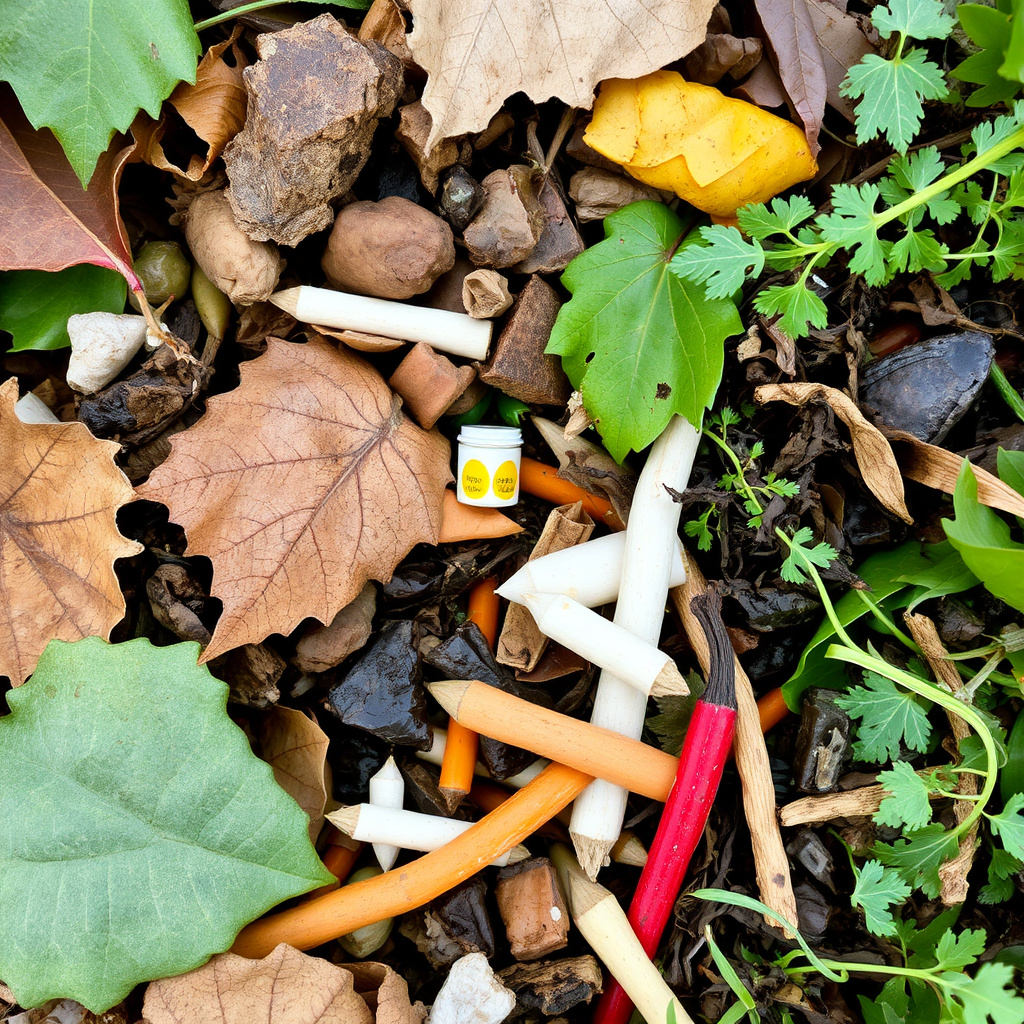
Using well-aged, mature compost is essential for making effective compost tea. Fresh compost may contain harmful pathogens and weed seeds, so it’s best to use compost that has been fully decomposed for at least six months. Quality compost will harbor a dense population of beneficial microbes that are key to the tea’s effectiveness.
The source of the compost influences its microbial diversity. Compost made from a combination of kitchen scraps, garden debris, and manure typically produces richer tea than compost made solely of plant material. Avoid compost with persistent herbicides or chemical contaminants, which can harm your plants.
- Mature compost aged 6+ months
- Diverse organic inputs for richer microbes
- No chemical contaminants or herbicides
Water Quality and Additives
Water quality plays a major role in the success of your compost tea. Using chlorine-free, non-chlorinated water is best since chlorine can kill beneficial microbes. Letting tap water sit for 24 hours is a simple way to off-gas chlorine before brewing.
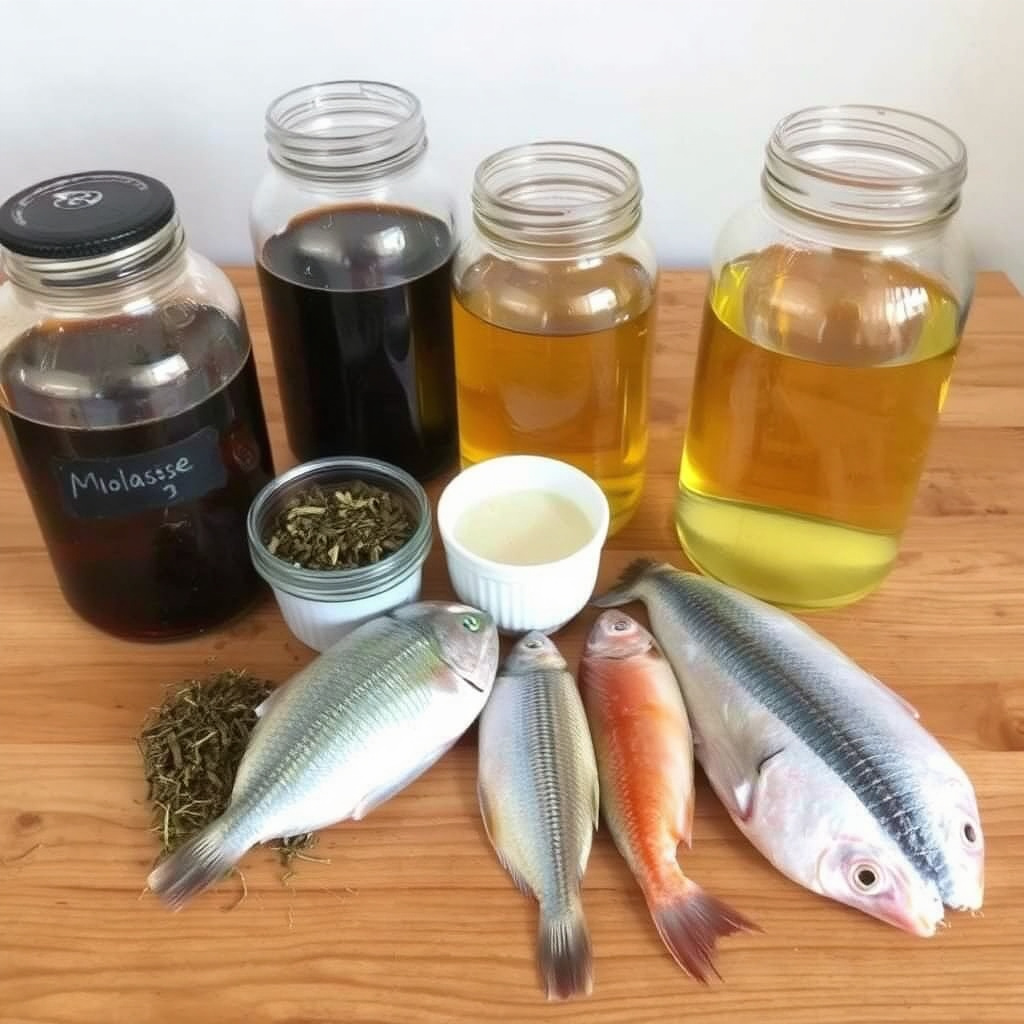
Certain amendments can boost microbial growth during brewing, such as unsulfured molasses, kelp extract, or fish hydrolyzate. These additives act as food sources for microbes but should be used sparingly to prevent overfeeding and foul odors.
- Use dechlorinated water
- Add molasses as a microbial food source
- Avoid over-adding additives to prevent odors
Preparing and Brewing Compost Tea
Setting up Your Brewing System
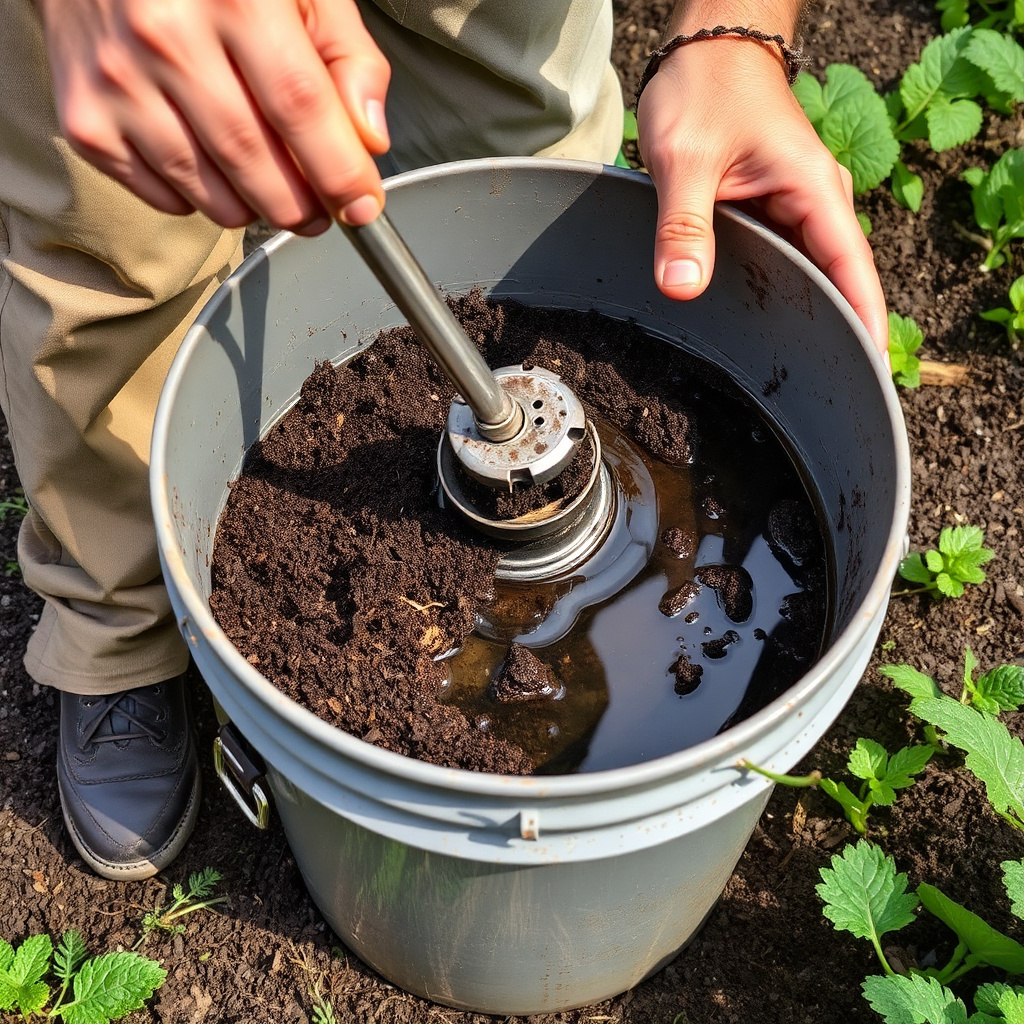
Basic compost tea can be brewed in a simple five-gallon bucket with a tight lid. For aerated compost tea, an aquarium pump with air stones keeps the mixture oxygenated, encouraging beneficial aerobic microbes to flourish.
Ensure the container is clean to avoid contamination, and place it in a shaded area to prevent overheating. Adequate aeration and temperature control — ideally between 65 and 75°F — are critical to producing healthy compost tea.
- Use a clean 5-gallon bucket
- Install an aquarium air pump with air stones
- Keep the brew in a shaded, cool spot
For more on this, see our related guide: How to Plant Seeds at the Right Depth for Successful Growth.
Brewing Times and Methods
After adding about one cup of mature compost to the water, switch on the air pump and stir occasionally. Aerated compost tea typically brews for 24 to 48 hours; brewing longer may cause anaerobic conditions that produce harmful bacteria.
Non-aerated tea can be simply steeped for 3 to 7 days but runs a higher risk of unwanted microbial growth. Aerated methods generally yield safer, more beneficial results for plant health.
- Aerated brewing: 24-48 hours
- Non-aerated brewing: 3-7 days
- Avoid brewing beyond recommended times
Applying Compost Tea to Your Garden
Foliar Spray and Soil Drench Techniques
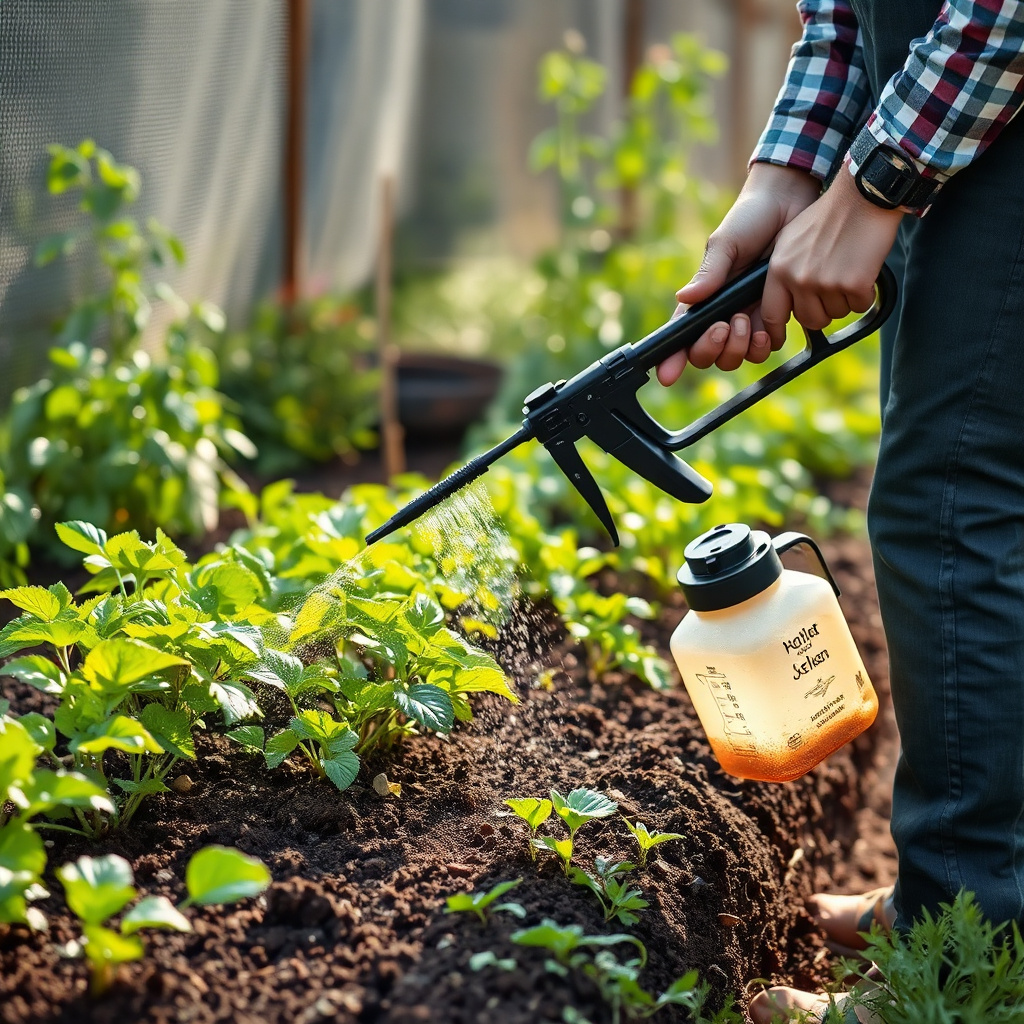
Compost tea can be applied directly to plant leaves as a foliar spray, delivering nutrients and microbes to aerial plant parts. Spraying during early morning or late afternoon prevents rapid evaporation and sunburn.
Applying compost tea as a soil drench feeds the root zone, enhancing soil microbial activity and nutrient absorption. Using a watering can or irrigation system works well for targeted soil application.
- Spray leaves in cooler parts of the day
- Drench soil near plant roots
- Use clean equipment to prevent contamination
Frequency and Quantity Recommendations
For best results, apply compost tea every two to four weeks during the growing season. Over-application can lead to nutrient imbalances or overly wet soil conditions, so apply moderate quantities — generally about one gallon per 100 square feet.
Observation of plant response will help adjust frequency and quantity. Nutrient-poor or pest-prone gardens benefit most from regular compost tea application.
- Apply every 2-4 weeks
- Use about 1 gallon per 100 sq ft
- Adjust frequency based on plant health
Safety and Troubleshooting Compost Tea
Preventing Pathogens and Contamination
Proper aeration and using mature compost minimizes the risk of pathogen growth in compost tea. Avoid using compost made from manure that hasn't decomposed fully or any material from unknown sources.
Clean all equipment before and after brewing to prevent cross-contamination. If the tea smells foul or develops a slimy texture, discard it as it may harbor harmful bacteria.
- Use mature, tested compost
- Maintain aerobic conditions during brewing
- Clean all tools before and after use
For more on this, see our related guide: How to Transplant Seedlings Without Stressing Your Plants.
Recognizing and Fixing Common Problems
If your compost tea smells rotten or has a sour odor, it likely went anaerobic due to insufficient aeration or too long brewing. Increase air supply or shorten brewing time next batch.
Cloudy or sediment-heavy tea is normal, but excessive clumps can clog sprayers. Use a fine mesh strainer before application to avoid blockages.
- Increase aeration to reduce foul odors
- Shorten brewing time if smell is off
- Strain tea before spraying
Variations of Compost Tea Recipes
Simple Compost Tea Recipe for Beginners
A basic compost tea uses just mature compost and dechlorinated water. Mix one cup of compost in five gallons of water, aerate with an air pump for 24 to 48 hours, and strain before use. This entry-level recipe offers good microbial diversity without complexity.
It's ideal for gardeners trying compost tea for the first time, requiring minimal ingredients and equipment.
For more detailed information, you can read about compost tea on Wikipedia. Compost tea on Wikipedia.
Enhanced Recipes with Additives
Adding a tablespoon of unsulfured molasses provides sugars that feed beneficial bacteria, boosting their populations during brewing. Other additives like kelp extract supply micronutrients, while fish hydrolyzate adds nitrogen and amino acids.
Use additives cautiously, as excessive amounts can promote harmful microbes or fermented smells. Test small batches before scaling up.
- 1 tbsp molasses per 5 gallons
- Small quantities of kelp extract or fish hydrolyzate
- Avoid overfeeding microbes
Compost Tea Brewing Methods Comparison
This table compares common methods of brewing compost tea to highlight their differences in equipment, time, and microbial quality.
| Method | Aeration | Brewing Time | Microbial Quality | Equipment Required |
|---|---|---|---|---|
| Aerated Compost Tea | Yes | 24-48 hours | High | Air pump, air stones, bucket |
| Non-Aerated Compost Tea | No | 3-7 days | Moderate to Low | Bucket or container |
| Instant Compost Tea (No Brew) | No | Minutes | Low | Strainer, bucket |
| Cold Compost Tea | No | Several days | Moderate | Covered container |
| Hot Compost Tea | No | 12-24 hours at warm temp | Variable | Temperature control, bucket |
Frequently Asked Questions
Can I use store-bought compost for making compost tea?
Yes, you can use store-bought compost if it is well-aged and free from chemical additives. Always check the label for maturity and avoid compost with herbicides or chemical contamination.
How do I know if my compost tea is ready to use?
Compost tea is ready when it has brewed for 24-48 hours with aeration, smells earthy without foul or rotten odors, and has a rich, dark color. Avoid using tea with unpleasant smells or slimy texture.
Is compost tea safe to spray on edible plants?
Aerated compost tea made from mature compost is generally safe for edible plants. Spray during cooler parts of the day and wash produce before consumption to minimize any risks.
Can I store compost tea for later use?
Compost tea should be used fresh, ideally within 4 hours of brewing. Storing it longer reduces microbial activity and can allow harmful bacteria to develop, so it’s best applied immediately.
What is the difference between aerated and non-aerated compost tea?
Aerated compost tea uses an air pump to supply oxygen, encouraging beneficial aerobic microbes and reducing pathogens, while non-aerated tea is simply steeped in water and may include anaerobic microbes.
Key Takeaways
- Use mature compost and dechlorinated water for best results.
- Aerated compost tea produces healthier beneficial microbes in 24-48 hours.
- Apply compost tea as a foliar spray or soil drench for plant health benefits.
- Avoid contamination by cleaning equipment and monitoring brewing conditions.
Conclusion
Making compost tea offers gardeners a practical way to harness the microbial power of mature compost in liquid form. The decision process includes understanding your compost’s quality, choosing proper brewing methods, and maintaining hygienic practices to avoid contamination. Whether using a simple bucket or a dedicated aeration system, the key lies in stirring beneficial microbes into activation so they can support healthy plants.
For gardeners seeking consistent microbial richness and safety, the aerated compost tea method stands out with its 24 to 48-hour brewing period and oxygen-rich environment. Beginners may prefer the simple compost tea recipe with minimal additives, while advanced gardeners can experiment with molasses or kelp extract to improve microbial populations further. Non-aerated or cold-brew variants work where equipment is limited but bear certain microbial quality risks.
Your next step is to gather mature compost, a clean container, and optionally an aquarium air pump, and start small batches. Monitor your garden’s response and adapt frequency and application methods accordingly. By making compost tea, you'll nurture a thriving soil life that feeds and protects your plants naturally.