How to Understand CBD Percentages for Effective Usage
CBD percentages tell you how much cannabidiol is in a product relative to its total volume or weight. These percentages are key to figuring out the strength of the CBD you’re buying, helping you pick the right dose without guesswork or waste.
Knowing CBD concentration levels clarifies how potent your chosen product really is. Consumers often confuse milligrams with percentages or miss how they translate to the product's strength, which can affect effectiveness and cost. Understanding these details helps you decide what fits your needs best.
This article explains what CBD percentages mean, how to read product labels, and how those percentages impact dosing and product choice. It covers different product types and provides comparisons so you can feel confident in your CBD selections.
What CBD Percentages Mean in Products
Defining CBD Percentage
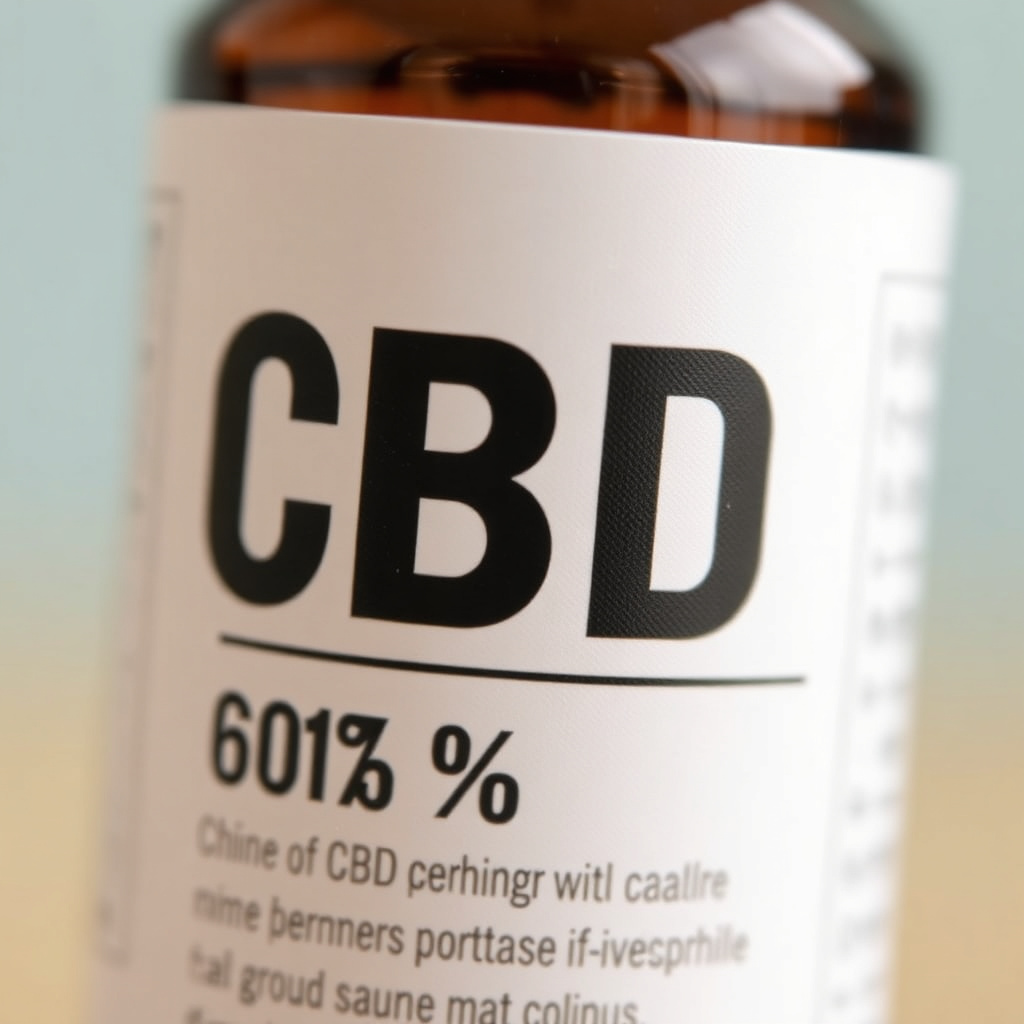
CBD percentage shows the ratio of cannabidiol in a product compared to the total product amount. For example, a 10% CBD oil contains 10 milligrams of CBD per 100 milligrams of product, expressing the concentration at a glance.
This percentage measurement helps with straightforward comparisons across oils, tinctures, and even edibles. It’s an easier way to assess potency than just looking at milligram totals without context.
Why Percentages Matter for Dosage
Understanding CBD percentages allows you to estimate how much product you need to achieve your desired dose. Higher percentages mean you get more CBD per drop or gram, so you may need less product to reach effectiveness.
This is especially important for precise dosing or cost-efficiency. If you want consistent effects, knowing the strength enables more predictable results instead of trial and error.
Interpreting Label Information on CBD Products

Reading CBD Percentage vs Milligrams
CBD products often list both total milligrams and percentages. Milligrams indicate the total CBD content in the container, while percentages reflect strength relative to product size. Combining both tells you volume and concentration.
For example, a 30ml bottle with 300mg total CBD is 1% CBD by volume (300mg/30,000mg), while a 300mg amount in 3ml is 10%. This calculation clarifies potency differences.
Understanding Full-Spectrum and Isolate Labels
Full-spectrum products contain various cannabinoids alongside CBD, affecting percentage calculations since total cannabinoids may differ. Isolates contain only pure CBD, so their percentages represent that single compound strictly.
Label info about spectrum type and percentages guides users toward products matching their preference for entourage effect versus isolated cannabidiol.
How CBD Percentages Vary by Product Type
Typical Percentages in Oils and Tinctures
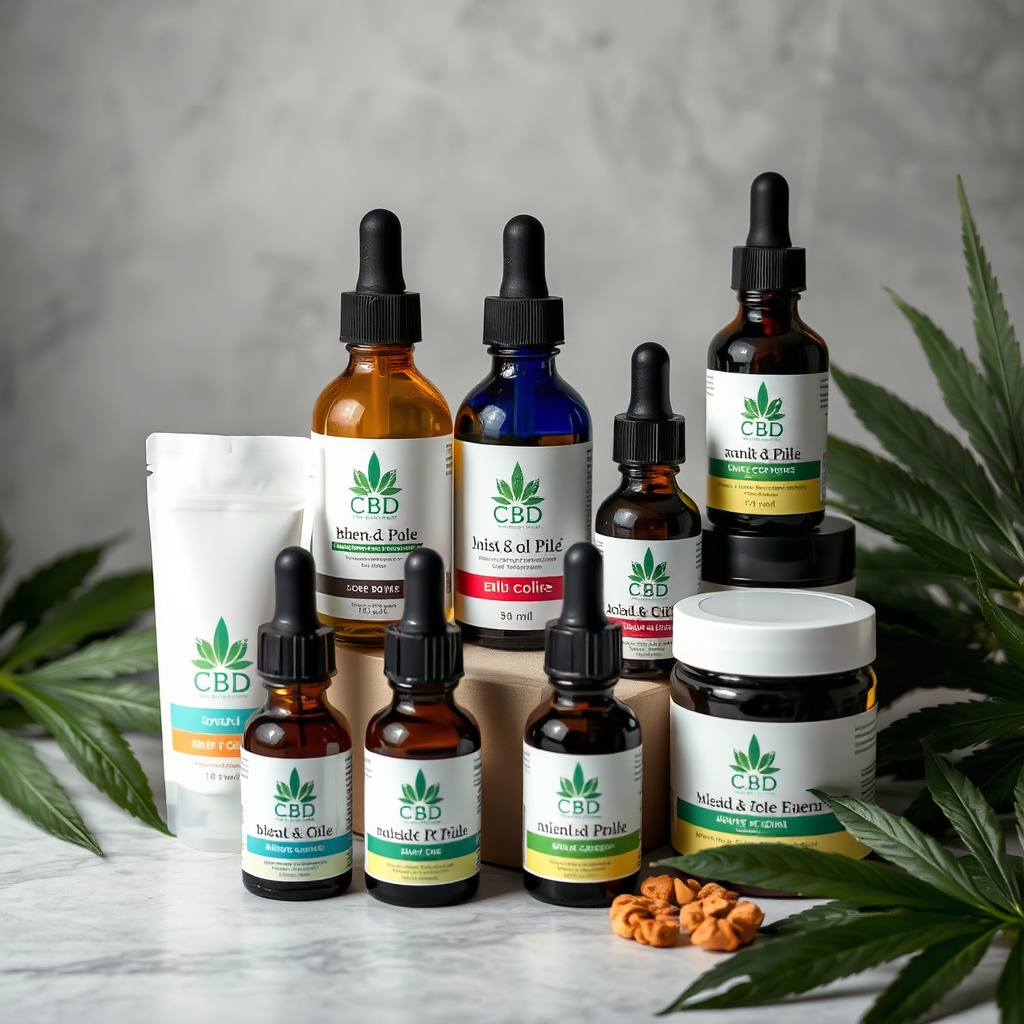
CBD oils often display percentages ranging from 1% up to 30%, reflecting mild to extra-strong options. Beginners may choose lower percentages for gradual dose increases, while experienced users prefer concentrated oils for fewer drops.
Concentration impacts flavor, viscosity, and price. Stronger percentages generally cost more but can be more economical per milligram.
For more on this, see our related guide: How to Choose High CBD Cannabis Seeds for Maximum Therapeutic Benefits.
Percentages in Edibles and Topicals
Edibles list CBD in total milligrams per serving rather than percentages, but understanding concentration helps interpret these amounts relative to product size. Topicals vary widely and often have lower percentages since absorption differs through skin.
Consumers seeking targeted effects may select appropriate percentages suited to delivery method and application area.
Calculating Your Ideal CBD Dose Using Percentages
Steps to Calculate Dose from Percentage
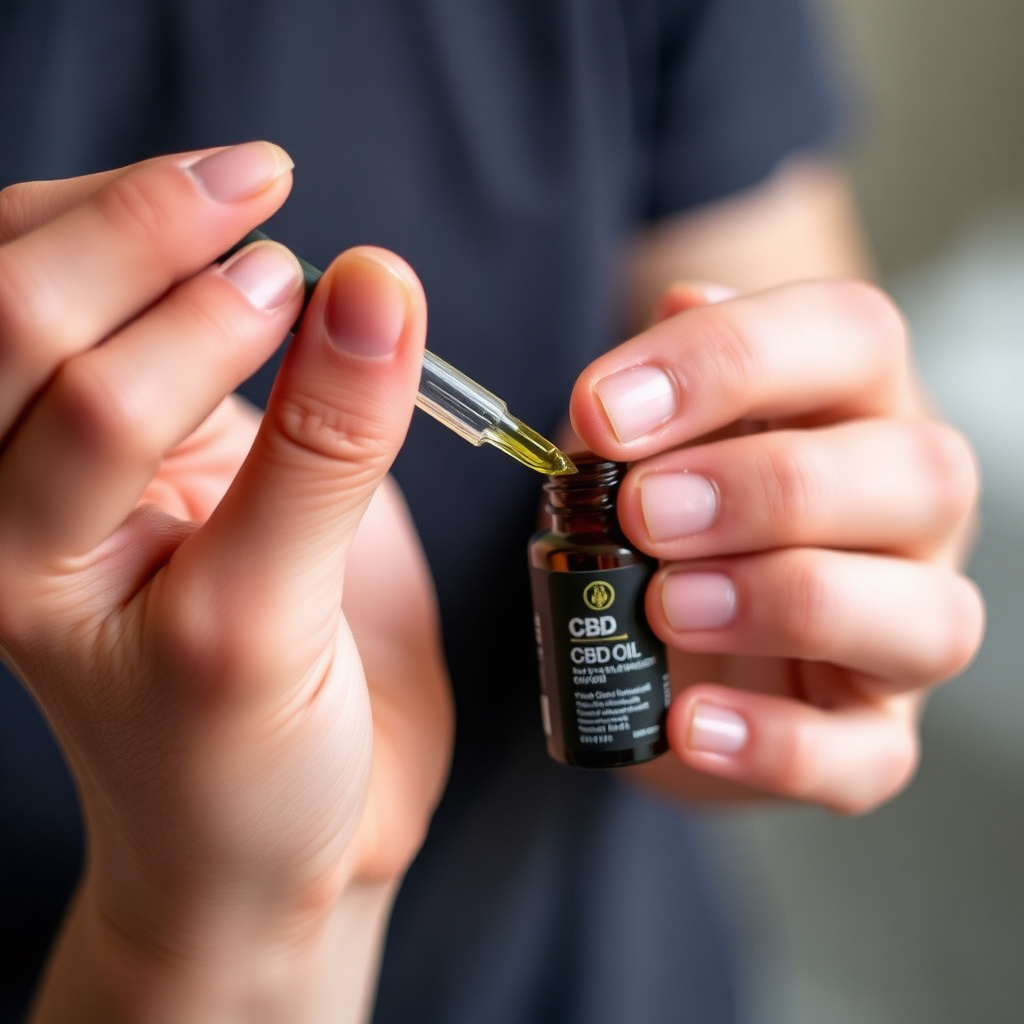
Start by deciding your target milligram dose based on experience or recommendations. Then check the CBD percentage to find how much product delivers that dose. For instance, with a 10% oil, 1 ml contains 100 mg CBD, so 0.25 ml provides 25 mg.
This helps in using dosing tools like droppers or capsules accurately without guessing, promoting safer, more effective use.
- Find target milligram dose
- Check product CBD percentage
- Calculate product amount needed
Adjusting Dose with Product Potency
If you switch to a higher or lower percentage product, adjust how much you take accordingly. Avoid taking the same volume with stronger oils to prevent overconsumption. Gradual titration helps find the sweet spot.
Review how potency influences effects and cost, especially if you plan regular or therapeutic use.
Understanding Labeling Regulations and Accuracy
Variability in CBD Percentage Accuracy
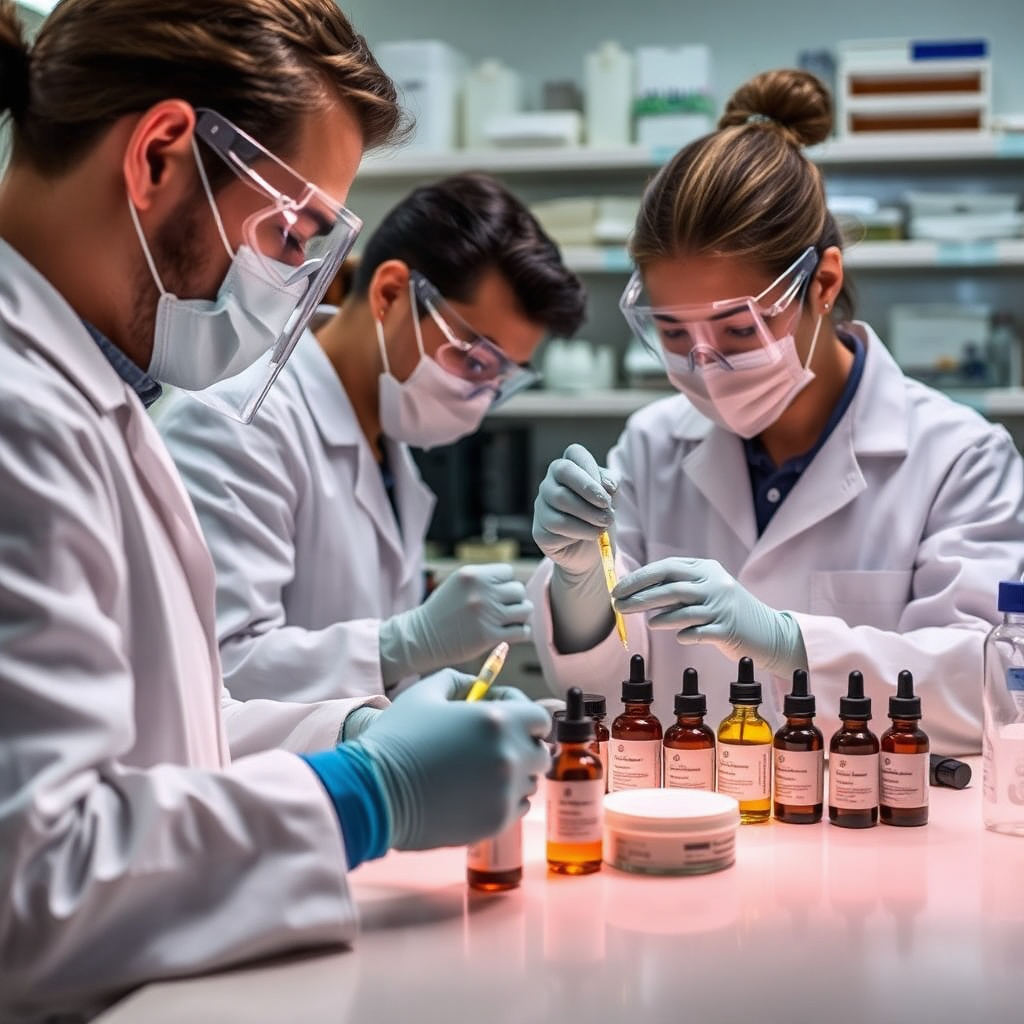
Not all products consistently match labeled CBD percentages due to testing differences or manufacturing practices. Independent lab reports offer greater confidence. Checking for Certificates of Analysis (COAs) is a good habit.
Discrepancies can affect dosing outcomes, so buy from reputable brands that provide transparent lab results.
For more on this, see our related guide: Cannabis Terminology for Beginners: A Clear Guide to Essential Terms.
Regulatory Standards Affecting Labeling
Rules for CBD labeling vary by region. Some areas require strict disclosure of cannabinoids including CBD percentages, while others focus on total CBD milligrams. Being aware of local regulations adds perspective to interpreting product info.
Consumers should treat percentages as one part of product evaluation along with source, spectrum, and testing.
Common Misunderstandings About CBD Percentages

Mixing Up Percentages with Total Milligrams
A frequent error is confusing the percent figure with the total milligram content, leading to dosing mistakes. Higher mg doesn’t automatically mean higher percentage if product volume varies. This distinction is key to avoid undesirable effects.
Clarifying terms on the label and doing simple math can prevent this misunderstanding.
For a detailed scientific background on cannabidiol and its effects, see this comprehensive CBD overview. Cannabidiol (CBD) overview.
Assuming Higher Percentage Always Means Better
Some believe a product with higher CBD percentage is automatically superior. However, the ‘best’ depends on your needs and form of use. Sometimes moderate percentages offer a better balance of effects and manageable dosing.
Choosing based on how you plan to use CBD rather than just concentration yields better results.
CBD Percentage Categories Comparison
This table compares common CBD percentage ranges across product types to help identify what potency matches your preferences and usage style.
| Category | Typical CBD Percentage | Common Use | Price Range |
|---|---|---|---|
| Low Potency Oils | 1-5% | Beginners, mild support | $15-$30 per 30ml |
| Medium Potency Oils | 6-15% | Regular users, moderate effects | $30-$60 per 30ml |
| High Potency Oils | 16-30% | Experienced users, strong effects | $60-$120 per 30ml |
| Edibles | N/A (mg per serving) | Discreet use, precise dosing | $20-$50 per package |
| Topicals | 0.5-5% | Localized relief, skin application | $15-$40 per container |
Frequently Asked Questions
How do I convert CBD percentage to milligrams?
Multiply the product’s total weight or volume by the CBD percentage. For example, in 30ml with 10% CBD, 10% of 30,000mg (30ml) equals 3,000mg CBD total. Then divide by volume if needed for per-ml dosing.
Does a higher CBD percentage mean a better product?
Not necessarily. Higher percentages mean stronger CBD concentration, but the best choice depends on your needs, preferred dosage, and how you tolerate CBD.
Are CBD percentages always accurate on labels?
Some labels may be inaccurate due to testing or manufacturing variations. Look for products with third-party lab reports to verify CBD percentages.
How should I adjust dosing when switching CBD products?
If you switch to a product with a different CBD percentage, calculate your target dose based on the new concentration to avoid taking too much or too little.
Can I use CBD percentage to compare tinctures and edibles?
CBD percentage is useful for tinctures and oils, but edibles typically list milligrams per serving. Comparing by milligrams is better for non-oil products.
Key Takeaways
- CBD percentage indicates the cannabidiol concentration relative to total product size.
- Understanding CBD percentages helps with precise dosing and cost comparison.
- Product labels include both percentages and milligrams; both are useful for full clarity.
- Choose CBD potency based on personal needs, form of product, and dosing preferences.
Conclusion
Understanding CBD percentages is crucial for making informed, effective choices when selecting CBD products. These percentages give a clear picture of how concentrated the CBD is relative to the total product, which directly relates to dosing accuracy and expected effects. By grasping how percentages translate to milligrams and how they vary by product type, you gain greater control over your CBD experience, avoiding confusion from labels that can otherwise seem complicated.
When deciding on your CBD purchase, considering the percentage alongside the delivery method can guide you to what best fits your health or wellness routine. For example, beginners may start with low to medium potency oils (1-10%), while experienced users might prefer stronger tinctures with 15-30% CBD for easier dosing. Likewise, edibles require focusing on milligrams per serving rather than percentages. Matching your preferred potency and product form will lead to a safer, more predictable outcome.
Ultimately, use CBD percentages as a foundational tool to choose wisely but also look for transparent lab testing and brand reliability. Start with clear dosage goals and adjust product strength as needed. Taking these steps will help maximize benefits while minimizing guesswork, putting you in charge of the best CBD experience possible.