How to Light Seedlings for Strong, Healthy Growth
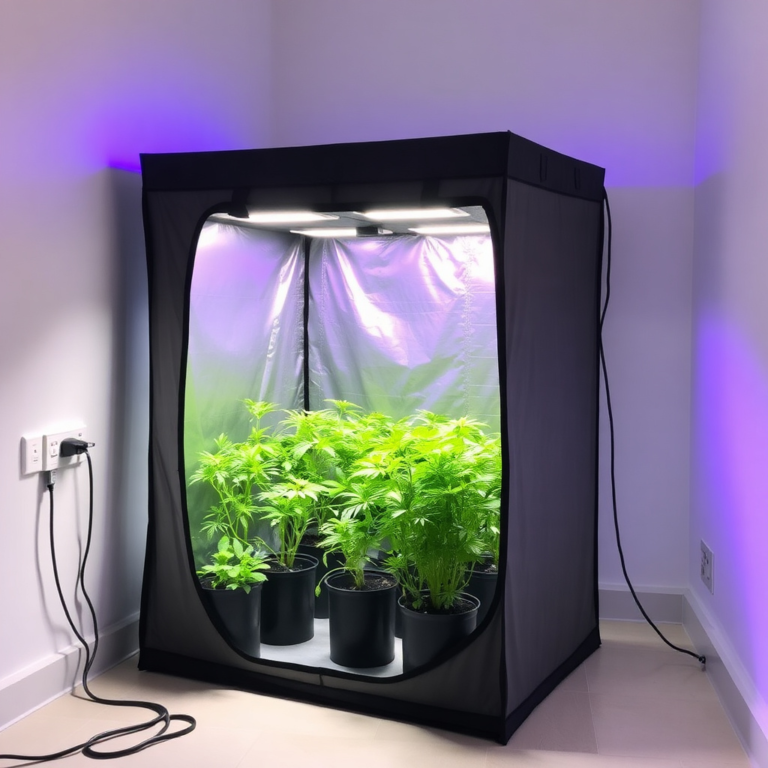
Properly lighting seedlings is essential to growing healthy, robust plants indoors. To light seedlings effectively, provide them with about 12 to 16 hours of bright, consistent light daily using full-spectrum grow lights or a sunny south-facing window. This direct light prevents seedlings from stretching and becoming weak.
Light plays a critical role in a seedling’s early development, fueling photosynthesis and shaping its structure. Without enough light, young plants become leggy and fragile, making them more vulnerable to disease and less likely to thrive when transplanted outdoors. Understanding how to adjust light intensity and duration can make the difference between a thriving garden start and disappointment.
This guide covers the types of light seedlings need, how to position and time lighting, various light sources including natural and artificial options, troubleshooting common lighting problems, and selecting the best grow lights for seedlings—all tailored to help you start your plants off right indoors.
Understanding Seedling Light Needs

Why Light is Essential for Seedlings
Seedlings rely on light to perform photosynthesis, the process by which they convert light energy into food. This energy supports their growth, root establishment, and the development of strong stems and leaves.
Insufficient light causes seedlings to become leggy as they stretch towards any available light source, resulting in weak, easily damaged plants that are vulnerable to stress.
Optimal Light Duration and Intensity
Most seedlings need between 12 and 16 hours of light per day to mimic natural sunlight conditions. Less than 12 hours slows growth, while longer exposure may cause stress in some species.
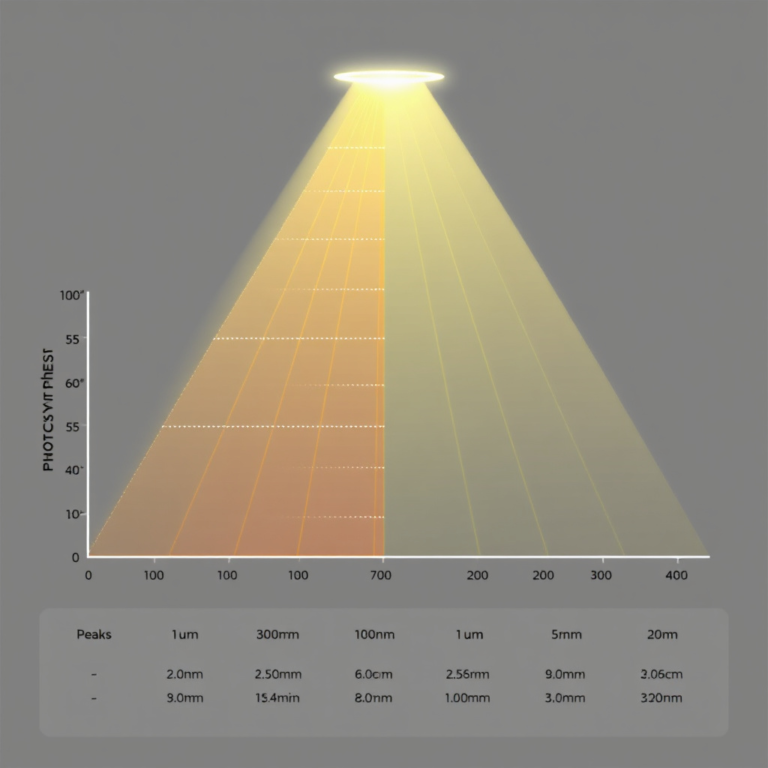
Light intensity should be bright but not scorching; placing lights 2 to 4 inches above the seedlings avoids burns and encourages compact, sturdy growth.
- 12-16 hours of light daily
- 2-4 inches distance from light source
- Avoid direct harsh sunlight that overheats seedlings
Types of Lighting for Seedlings

Natural Light: Windows and Sunlight
A sunny windowsill facing south or southwest can provide sufficient natural light for seedlings, especially during spring. However, natural sunlight is variable and often not intense enough for some species indoors.
Supplementing natural light with artificial grow lights can help maintain consistent lighting hours, especially in regions with short days or cloudy weather.
For more on this, see our related guide: How to Transplant Seedlings Without Stressing Your Plants.
Artificial Grow Lights: Options and Benefits
Fluorescent lights and LEDs are the most popular grow lights for seedlings because they provide the full light spectrum without excess heat. LEDs are energy efficient and last longer but can cost more upfront.
Incandescent bulbs generate heat and limited usable light wavelengths, making them impractical for seed starting despite their availability.
- LED grow lights: energy-efficient, full-spectrum
- Fluorescent tubes: affordable, effective for seedlings
- Avoid incandescent bulbs for seed starting
Positioning and Maintaining Light for Seedlings

Correct Placement of Light Sources
Placing lights too far above seedlings can cause them to stretch weakly toward the light. Adjust the light height regularly, keeping it 2 to 4 inches above the tallest seedlings for uniform growth.
Use adjustable stands or hangers to modify the light distance as seedlings grow, ensuring they do not burn from lights placed too close.
Timer Use and Lighting Schedules
Using a timer automates the lighting schedule, providing consistent light duration which helps seedlings develop predictable growth patterns.
Set timers for 12 to 16 hours of light followed by 8 to 12 hours of darkness to mimic natural day-night cycles.
- Automate light cycles with timers
- Provide 12-16 hours light daily
- Allow dark period for rest
Common Lighting Challenges and Fixes
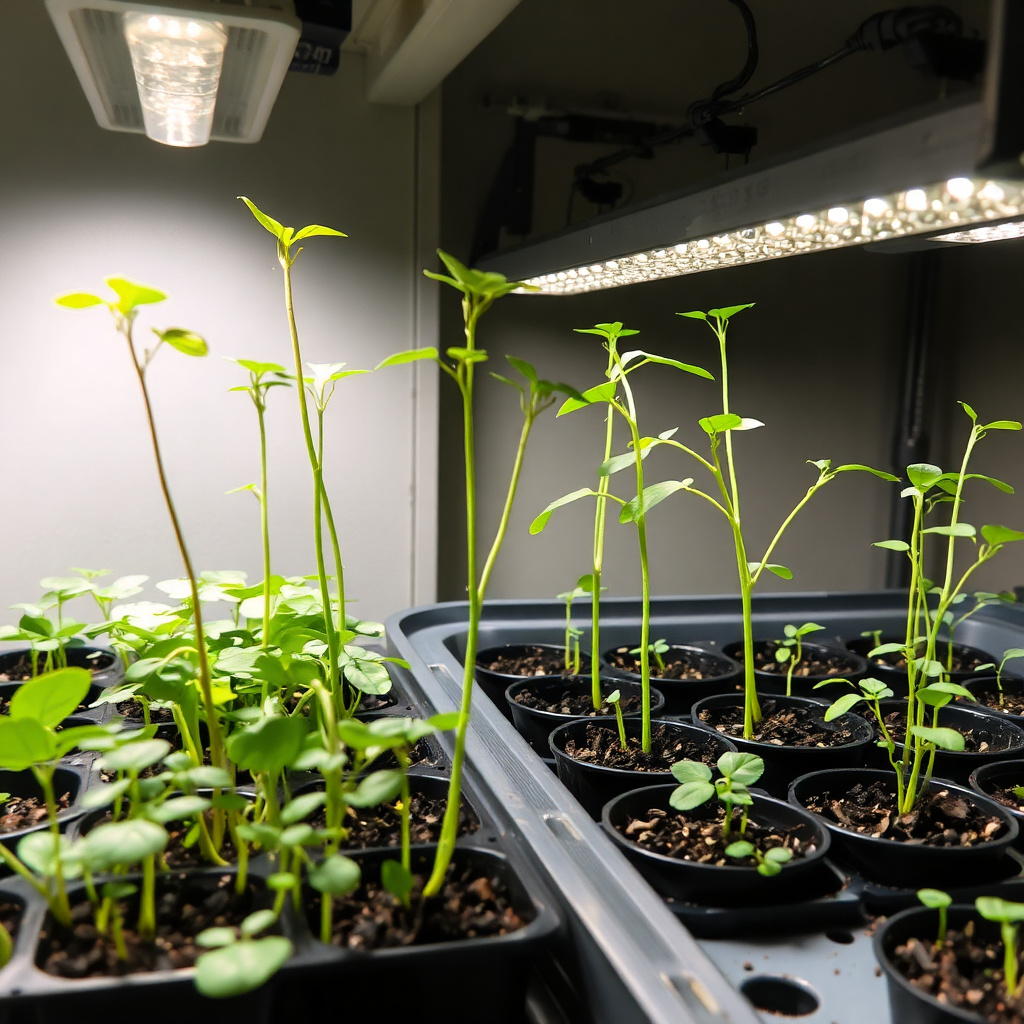
Preventing Leggy Seedlings
Leggy seedlings often result from inadequate light intensity or duration. To prevent this, provide at least 12 hours of bright light and keep your grow lights close to seedlings.
If seedlings become leggy, you can increase light intensity gradually, and in some cases, reposition or harden off seedlings in better natural light before transplanting.
For more on this, see our related guide: Best Grow Lights for Indoor Plants: How to Choose the Right One.
Dealing with Heat Stress and Burnt Leaves
Lights placed too close or too powerful can cause heat stress, leading to curled, scorched leaves or dry soil.
Monitor temperature under the lights and maintain adequate distance; use fans or ventilation to dissipate heat as needed.
- Keep lights at safe distance
- Avoid prolonged exposure to intense heat
- Ensure good airflow to seedlings
Choosing the Best Grow Lights for Seedlings
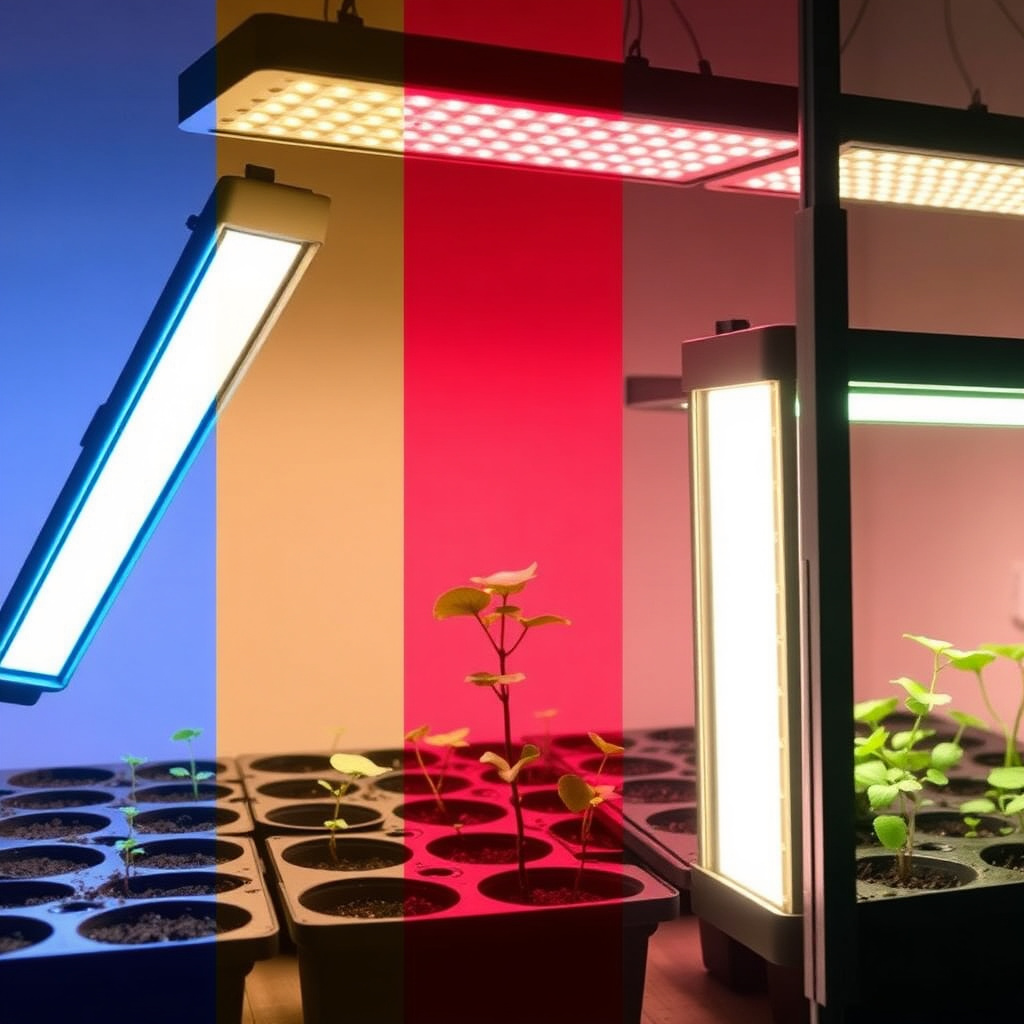
LED vs Fluorescent Grow Lights
LED lights consume less power and produce higher light intensity with customizable color spectrums ideal for seedling growth stages. They generate less heat, reducing risk of damage.
Fluorescent lights are more affordable and widely available, producing sufficient light for seedlings but tend to have shorter lifespans and emit more heat.
For detailed botanical information on seedling growth and requirements, the seedling lighting on Wikipedia offers valuable background. seedling lighting on Wikipedia.
Features to Look for in Seedling Grow Lights
Choose grow lights offering full spectrum light with a balance of blue and red wavelengths to support leafy growth and root development.
Adjustable height and timers, low heat output, and energy efficiency make lighting easier to manage and cost-effective over the long term.
- Full spectrum with blue and red light
- Low heat emission
- Adjustable height and timers
- Energy-efficient design
Seedling Grow Light Types Comparison
Here’s a quick comparison of popular grow light options to help you decide which suits your seed starting needs best.
| Grow Light Type | Light Spectrum | Heat Output | Energy Efficiency | Cost |
|---|---|---|---|---|
| LED Grow Lights | Full spectrum, adjustable | Low | High | Medium to High |
| Fluorescent Tubes | Full spectrum but weaker | Moderate | Medium | Low to Medium |
| Compact Fluorescent (CFL) | Mostly blue and some red | Moderate | Medium | Low |
| Incandescent Bulbs | Limited spectrum, mostly yellow/red | High | Low | Very Low |
Frequently Asked Questions
Can I use regular household lights to grow seedlings?
Regular household incandescent or LED bulbs do not emit the proper spectrum or intensity of light for seedling growth, often resulting in weak, leggy plants.
How close should grow lights be to seedlings?
Grow lights should be kept about 2 to 4 inches above seedlings to provide enough light without causing heat damage or excessive stretching.
Is it necessary to use a timer for seedling lights?
A timer helps maintain a consistent light schedule, ensuring seedlings receive the optimal 12 to 16 hours of light daily, which encourages uniform growth.
Can too much light harm seedlings?
Excessive light or heat from lights placed too close to seedlings can cause leaf burn, dehydration, and stress. Proper distance and ventilation help avoid this.
What type of grow lights are best for beginners?
LED grow lights are ideal for beginners due to their energy efficiency, low heat, and full-spectrum light, although fluorescent lights are a budget-friendly alternative.
Key Takeaways
- Seedlings need 12 to 16 hours of bright, consistent light daily to grow strong and healthy.
- LED and fluorescent grow lights provide suitable full-spectrum lighting without excess heat.
- Keep lights 2 to 4 inches above seedlings to prevent leggy growth and burns.
- Timers and adjustable height fixtures simplify maintaining an effective light schedule.
Conclusion
When lighting seedlings, the main goal is to provide stable, bright light that mimics natural sunlight to promote healthy, compact growth. This involves understanding how much light your seedlings require, the right duration and intensity, and choosing the correct types of lighting. By avoiding common pitfalls such as stretching from inadequate light or damage from excess heat, you set your young plants up for a successful transition to the garden or larger pots.
For most gardeners, LED grow lights are the best investment, combining energy efficiency with full-spectrum output ideal for seedling development. Fluorescent lights work well where initial budgets are limited. Adjust your lighting distance and duration carefully, using timers to create a consistent light-dark cycle. If natural light is strong and consistent, positioning seedlings on a south-facing window might suffice, but supplemental grow lights improve results in nearly all indoor environments.
After selecting and positioning the proper grow lights, monitor your seedlings daily for signs of legging or leaf damage. Adjust lighting accordingly and prepare seedlings for eventual hardening off outdoors by gradually reducing artificial light as outdoor light increases. Taking these steps will improve seedling vigor significantly, helping you enjoy a thriving garden from the very start of your growing season.