How to Get a Hemp Growing License: Step-by-Step Guide for 2024
Obtaining a hemp growing license involves understanding federal and state regulations, submitting detailed applications, and meeting specific eligibility criteria. You'll need to register with your state's department of agriculture, submit a background check, provide GPS coordinates of your farm, and comply with THC testing requirements. This process ensures legal compliance and allows you to legally cultivate hemp for fiber, grain, or CBD extraction.
This license matters because hemp cultivation is tightly regulated to prevent illegal marijuana production. With the 2018 Farm Bill, hemp became federally legal, but individual states have their own licensing programs with varying rules. Getting the proper license helps you avoid penalties, access support programs, and position your farming operation for success in a growing market.
In this article, we will walk through each step to get a hemp growing license, including federal versus state regulations, application components, common challenges, and best practices. You'll also find comparisons of different state programs and answers to frequently asked questions to guide you through the process smoothly.
Understanding Hemp Growing License Requirements
Federal vs State Regulations
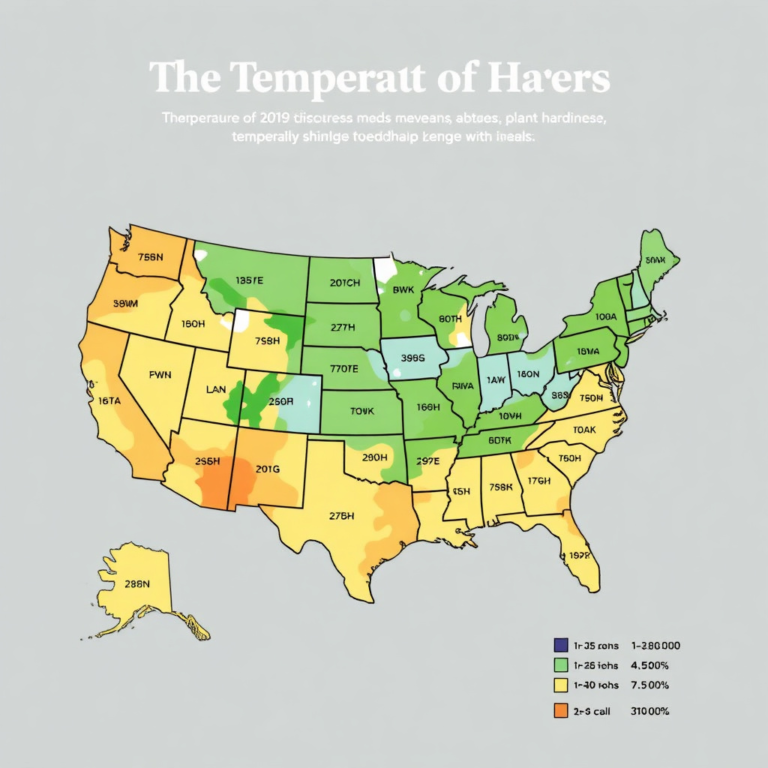
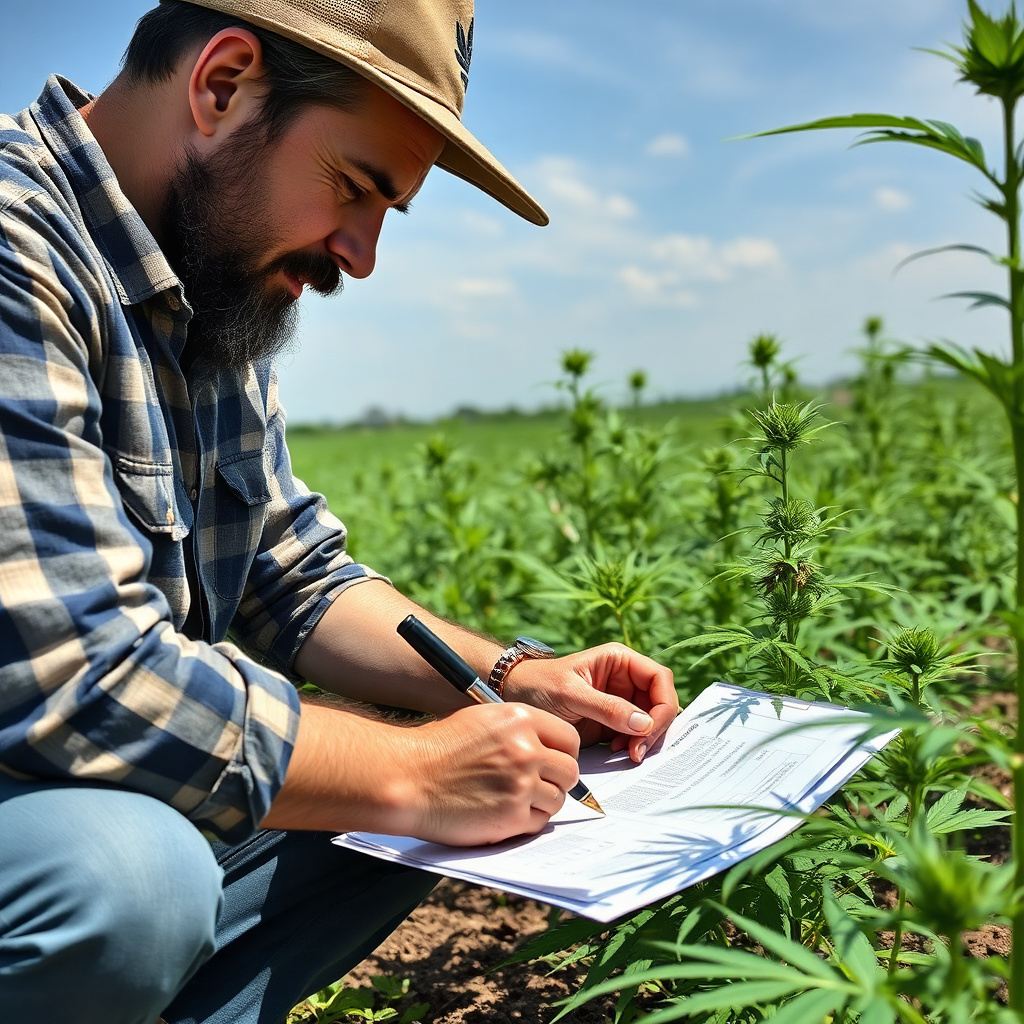
The 2018 Farm Bill legalized hemp cultivation federally but gave states authority to regulate hemp production within their borders. This means you must comply with both federal standards and your state's specific hemp program rules. While the USDA provides oversight and licensing options, many states operate their own licensing and monitoring programs.
Federal regulations focus on THC content limits (0.3% or less), testing protocols, and reporting requirements. States may add layers such as application fees, background checks, and site inspections. Knowing the differences early helps you determine which licenses you need and how to apply.
Eligibility Criteria
Applicants usually must be residents or have an established farm within the state and must not have felonies related to controlled substances within a specific time frame. Some states require proof of land ownership or lease agreements, while others demand a detailed cultivation plan.
Your eligibility might also require adherence to environmental guidelines, water permits, and approval from local zoning authorities. Checking the specific state requirements before applying saves time and prevents application denials.
Preparing Your Hemp Growing License Application
Gathering Required Documents
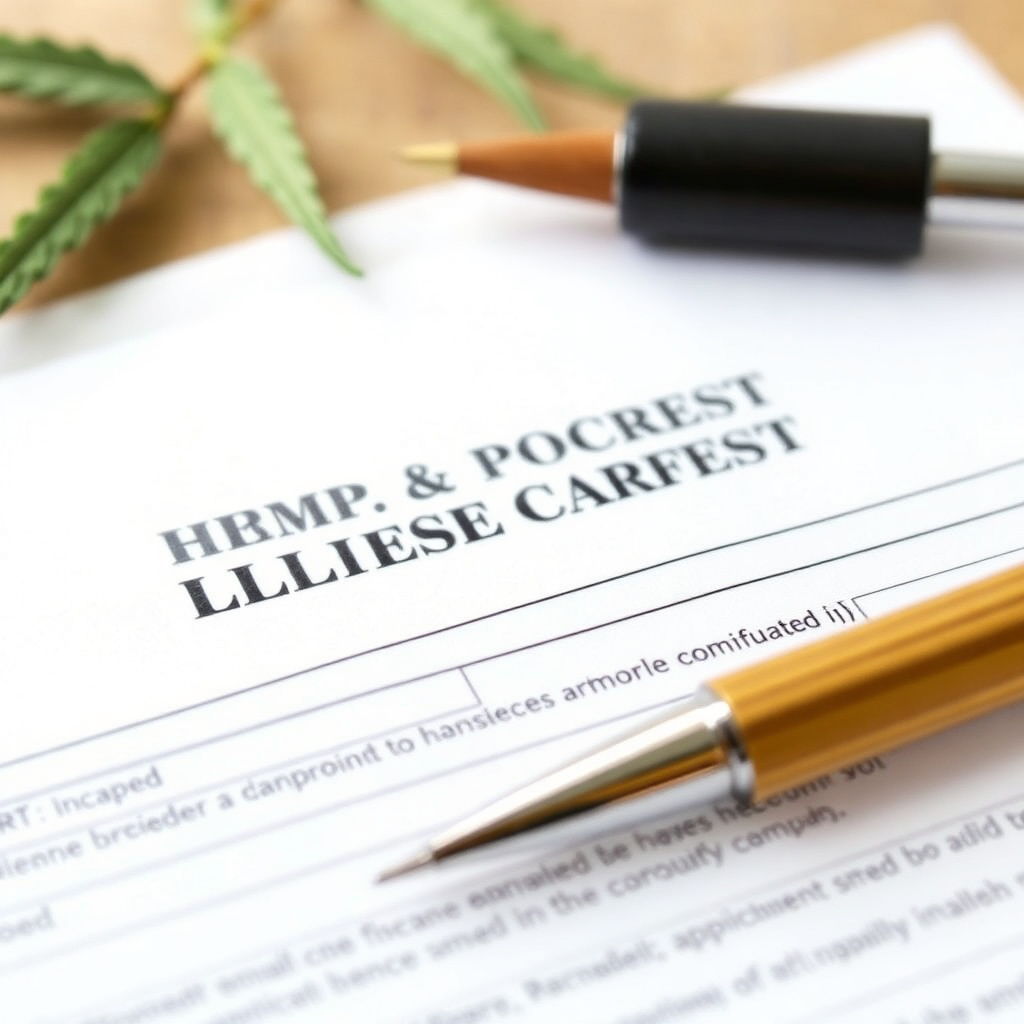
Typical documentation includes a completed application form, a valid ID, a non-refundable fee, lease or deed to the cultivation site, and GPS coordinates of all growing locations. You may also need to submit a cultivation plan, including crop management strategies and security measures.
Some states ask for a background check release and prior criminal history information to comply with federal guidelines. Organizing these documents early streamlines the application process.
- Completed state application form
- Proof of land ownership or lease
- Government issued ID
- GPS coordinates of growing sites
- Background check authorization
- Cultivation plan outline
Application Submission and Fees
Applications are typically submitted online through state agriculture department portals or by mail. Fees can vary widely, ranging from $250 to over $1,000 depending on the state and the size of the growing operation.
Make sure to double-check submission deadlines and keep copies of all documents and payment confirmations. Incomplete or late applications risk denial or delays.
Post-Application Steps and Compliance
Inspection and Testing Procedures
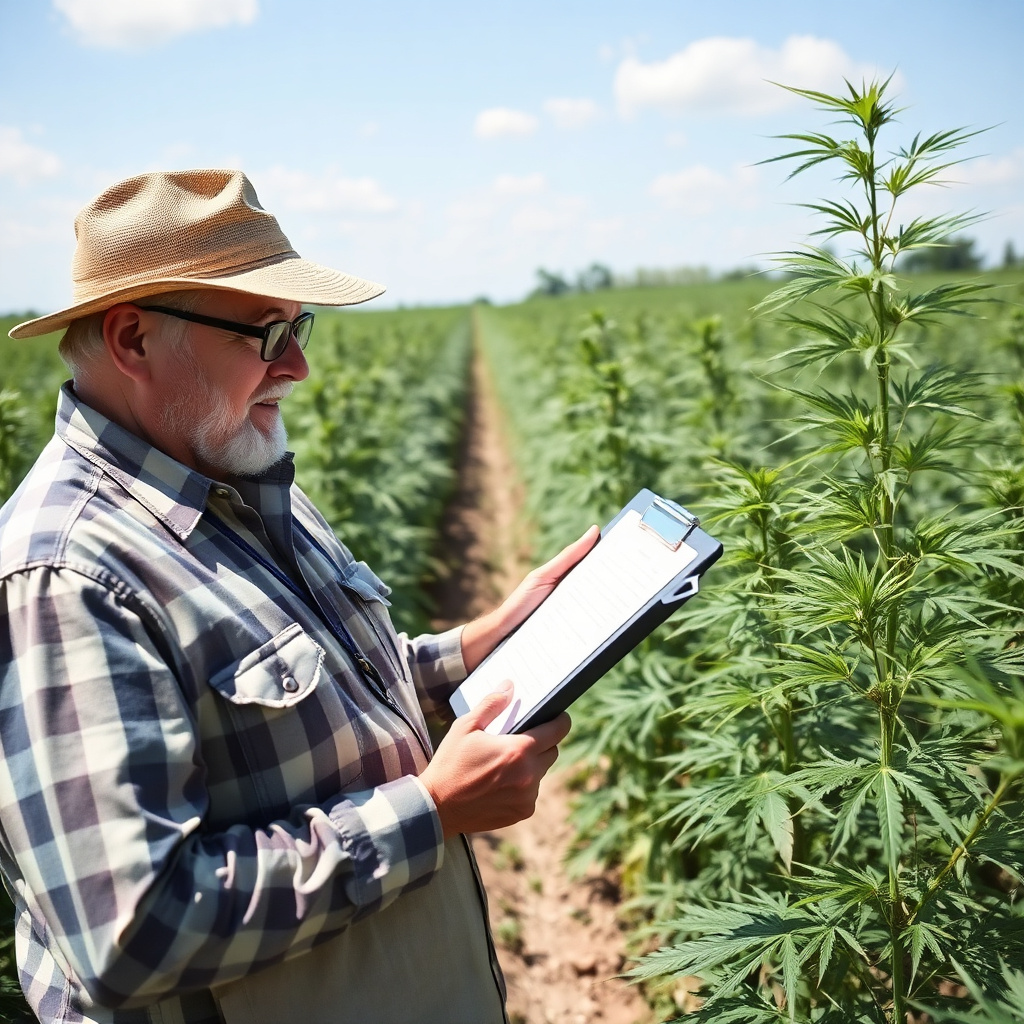
After your application is approved, your growing site will be inspected to verify eligibility and adherence to regulations. Periodic THC testing is conducted during the growing season by certified labs to ensure the crop complies with the 0.3% THC threshold.
If your crop tests over the allowed THC limit, you may be required to destroy the plants or face penalties. Maintaining transparent records and cooperating fully with inspectors supports your compliance status.
For more on this, see our related guide: Are Cannabis Seeds Legal in the USA? Understanding the Legal Landscape.
Renewals and Reporting
Hemp growing licenses usually require annual renewal, with updated applications, fees, and possibly additional inspections. You'll also need to submit reports about your hemp acreage and production outcomes to state authorities.
Keeping accurate records of planted varieties, harvest dates, and testing results aids renewals and helps track your farm’s performance over time.
Types of Hemp Growing Licenses and Their Uses
Industrial Hemp Licenses
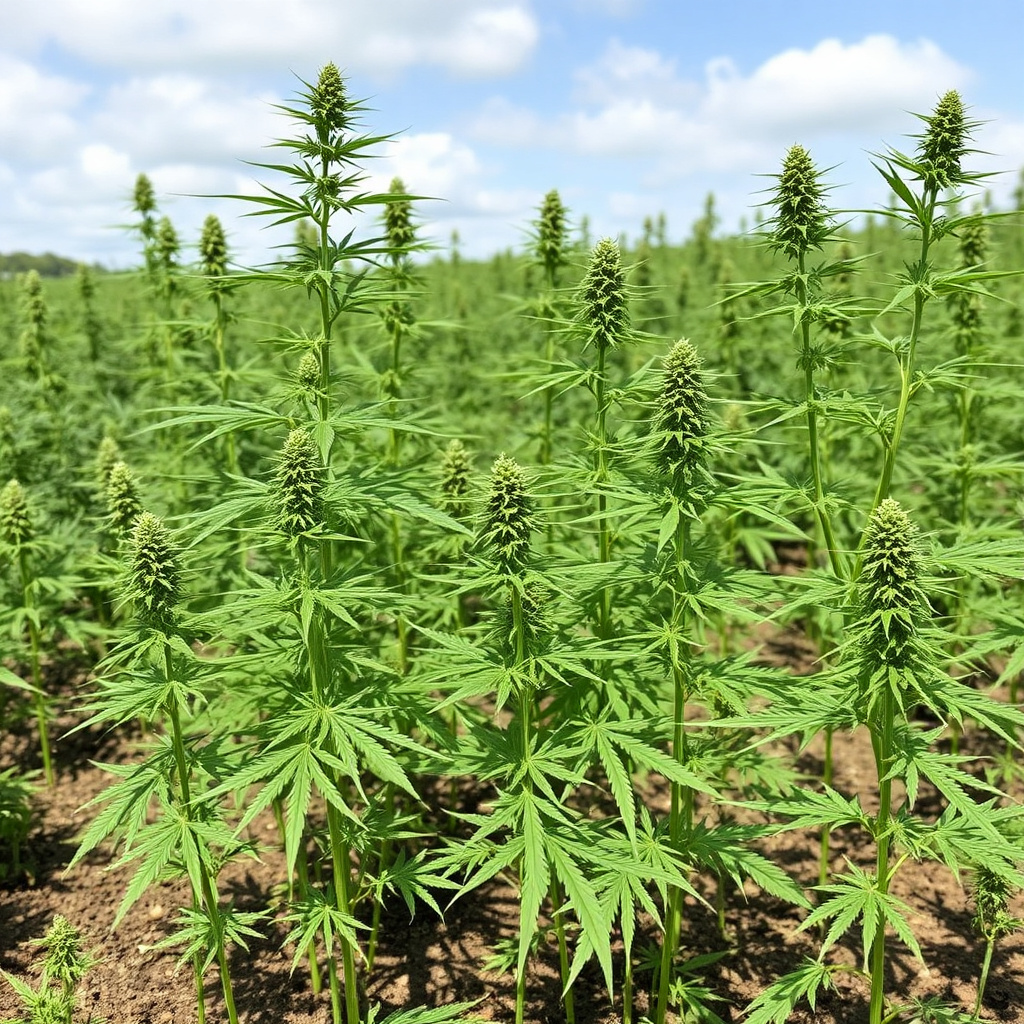
Industrial hemp licenses cover cultivation for fiber and grain production primarily used in textiles, construction materials, and food products. These licenses often emphasize acreage limits and focus less on CBD extraction specifics.
Due to lower THC variation in fiber hemp varieties, these licenses sometimes have less rigid testing compared to CBD-focused permits, but maintaining compliance with federal THC limits remains mandatory.
Hemp for CBD Extraction
Licenses permitting hemp cultivation for cannabidiol (CBD) typically require more stringent testing and tracking, given the high-value nature of CBD crops. These licenses may involve additional inspections and security protocols.
Growing hemp for CBD extraction also involves selecting specific cultivars bred for high cannabinoid content but low THC, which affects your application details and compliance methods.
Common Challenges and How to Avoid Them
Application Rejections and Errors
One frequent hurdle is incomplete or inaccurate applications, often missing vital documents like GPS coordinates or criminal background disclosures. Misunderstanding state-specific eligibility criteria can also lead to outright denials.
Double-checking every section of your application, consulting state guidelines closely, and seeking expert help when necessary minimizes errors that slow approval.
For more on this, see our related guide: What Are Cannabis Seeds? A Detailed Guide to Understanding Cannabis Seeds.
Legal Compliance and THC Limits
Failing to maintain THC concentrations within the legal limit is a top reason hemp crops are destroyed, resulting in financial loss and license suspension. Environmental factors and seed genetics can cause THC spikes even with care.
Conduct trials, monitor your crop regularly, and use certified seed sources to keep THC levels consistent. Understanding compliance protocols protects both your license and investment.
Best Practices for Maintaining Your Hemp Growing License
Record Keeping and Data Management
Precise and up-to-date records of planting date, seed source, acreage, harvest, and lab test results are essential for license renewal and regulatory inspections. Digital farm management software can simplify this task.
Good record management not only meets regulatory requirements but also supports farm efficiency and traceability if legal issues arise.
For official federal guidelines on hemp licensing and production, see the USDA Hemp Production Overview. USDA Hemp Production Overview.
Maintaining Open Communication with Authorities
Establishing a good rapport and transparent communication with your state agriculture office can ease inspections, clarify regulatory changes, and speed problem resolution. Respond promptly to requests and notifications to maintain a positive standing.
Monitoring updates to hemp laws and programs ensures your operation adapts quickly to evolving rules.
Hemp Growing License Category Comparison
Here's a quick comparison of common hemp growing license categories to help you choose the best fit for your farming goals.
| Category | Purpose | Typical Fee Range | Regulatory Focus | Testing Frequency |
|---|---|---|---|---|
| Industrial Hemp License | Fiber & Grain Production | $250–$750 | THC Compliance, Acreage | Annual or Seasonal |
| CBD Extraction License | High-CBD Crop Cultivation | $500–$1,500 | THC & Cannabinoid Testing, Security | Multiple Times Per Season |
| Research License | Academic or Corporate Study | $100–$1,000 | Data Reporting, Controlled Conditions | Varies by Project |
| Processor License | Extracting Hemp Products | $1,000+ | Manufacturing Compliance, Product Testing | Varies |
Frequently Asked Questions
How long does it take to get a hemp growing license?
The approval process can take from 30 to 90 days, depending on the state and completeness of your application. Early submission and thorough documentation help speed up approval.
Do I need a separate license to process hemp?
Yes, growing hemp and processing it often require separate licenses due to different regulatory requirements for cultivation and manufacturing.
Can I grow hemp without a license?
No, hemp cultivation without a proper license is illegal and can result in fines, crop destruction, and legal penalties.
What happens if my hemp crop tests over the THC limit?
Crops exceeding the 0.3% THC threshold usually must be destroyed to comply with federal and state laws, and repeat violations may lead to license revocation.
Can out-of-state residents apply for a hemp growing license?
Eligibility varies by state; many require applicants to be state residents or have an established farm in the state. Check with your local agriculture department.
Key Takeaways
- Hemp growing licenses require compliance with both federal and state regulations.
- Applications involve providing detailed farm information, background checks, and fees.
- Ongoing THC testing and annual renewals are critical to maintaining your license.
- Different license types exist for fiber, CBD, and research purposes.
Conclusion
Getting a hemp growing license is a process centered on legal adherence, thorough documentation, and clear communication with state authorities. By understanding both federal guidelines and your state’s specific rules, you can submit a clean application that gets approved without delays. Keeping meticulous records and choosing the right type of license based on your cultivation goals ensures your hemp farming operation remains within the law and financially viable.
For growers focused on fiber or grain production, an industrial hemp license emphasizes broader acreage and less frequent testing, suitable for large-scale operations. Those cultivating hemp for CBD extraction face more rigorous testing and security requirements but can tap into high-demand markets. Research licenses offer flexibility but come with strict reporting. Selecting a license category that matches your production intent is essential for compliance and success.
Your next step is to contact your state department of agriculture to request the latest application materials and guidance documents. Prepare all required documentation carefully, including GPS coordinates and background information, and plan for the testing and renewal requirements ahead. Early preparation and detailed compliance will make the hemp licensing process manageable and position you to thrive in the growing hemp industry.