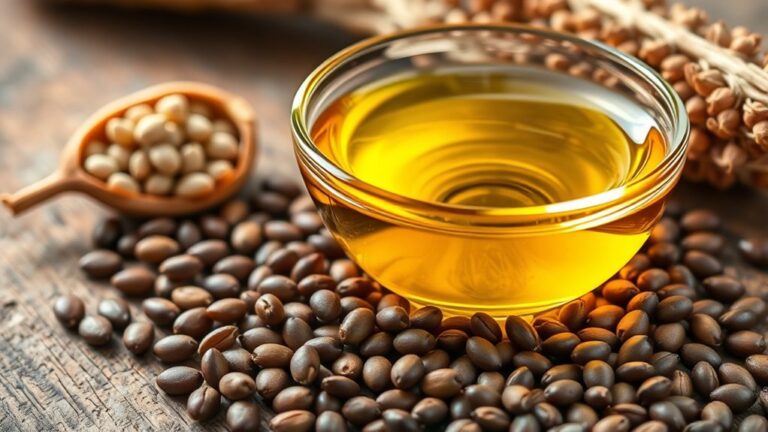
What Are Cannabis Seeds? A Detailed Guide to Understanding Cannabis Seeds
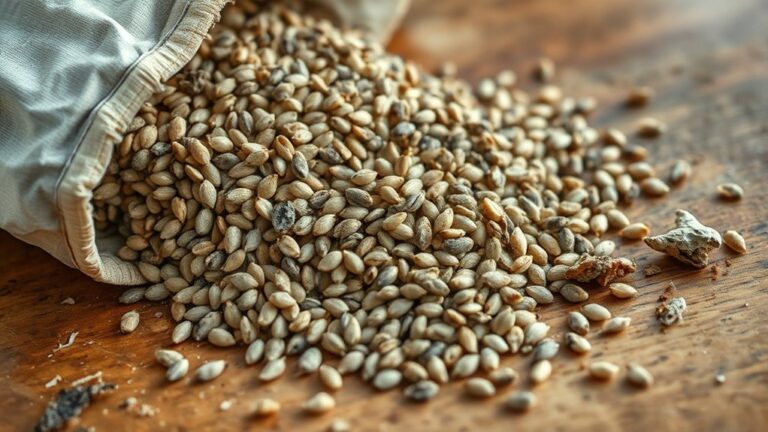
Cannabis seeds are the reproductive units of the cannabis plant, containing all the genetic material needed to grow a new cannabis plant. These seeds vary depending on the strain and can germinate to produce plants with different characteristics such as size, potency, and flowering time. Understanding what cannabis seeds are is the first step for anyone interested in cultivation or cannabis products.
These seeds serve as the foundation for growing cannabis, whether for medicinal, recreational, or industrial purposes. Their quality, type, and genetics have a direct impact on the final product, influencing everything from the plant’s growth needs to THC and CBD levels. Because cannabis cultivation is precise and highly dependent on genetics, knowing about the seeds helps growers achieve desired results.
This article will cover what cannabis seeds are, the main types available, how to choose the right seeds, the germination process, legal considerations, and storage tips. By the end, you’ll have a clear understanding of cannabis seeds and how they affect your cannabis growing journey.
Types of Cannabis Seeds
Regular Seeds
Regular cannabis seeds are unprocessed and can produce either male or female plants. Because of this natural gender ratio, roughly half the regular seeds grow into female plants, which are typically preferred for their flower production, while the rest are male plants primarily used for breeding.
Growers often use regular seeds for breeding programs or when the goal is to produce seeds rather than just flowers. However, these seeds require more careful observation to remove the male plants early to avoid pollination, which reduces flower quality.
- Produce both male and female plants
- Ideal for breeding
- Require gender identification before flowering
Feminized Seeds
Feminized seeds are bred to produce only female plants, ensuring that growers get potent flower-producing plants without males. This is particularly useful for growers focused on yield and potency, as pollinated flowers generally produce lower cannabinoid levels.
The feminization process involves inducing a female plant to produce pollen and fertilizing another female to ensure the next generation lacks male chromosomes. This method has become very popular in commercial and home cultivation.
- Guaranteed to be female
- Simplify cultivation
- Increase yield consistency
Understanding Cannabis Seed Genetics
Sativa, Indica, and Hybrid Seeds
Cannabis seeds can be classified by the genetic characteristics they carry: sativa, indica, or hybrid. Sativa seeds grow plants known for uplifting and energetic effects, typically taller and with longer flowering times.
Indica seeds produce stockier plants with shorter flowering periods, often associated with relaxing and calming effects. Hybrids combine genetics from both types, offering a range of effects and growth patterns depending on the dominant traits.
Strain-Specific Genetics
Different cannabis strains have unique genetic profiles that influence cannabinoid levels, terpene profiles, and growth traits. Seed providers often select particular strains to produce seeds that express desired effects, resistance to pests, or growth characteristics.
Understanding the genetics behind seeds helps growers predict plant behavior, potency, flavor, and harvest time, which is crucial for planning cultivation cycles and meeting user needs.
How to Choose Cannabis Seeds
Consider Your Growing Environment
Choosing the right cannabis seeds depends largely on where you plan to grow. Indoor growing allows for year-round control but requires seeds that thrive in confined spaces. Outdoor growing demands seeds that can withstand local climate and pests.
Some seeds are specially bred for specific conditions, such as high humidity or colder temperatures. Matching seed genetics with your environment helps maximize plant health and yield.
- Indoor vs outdoor suitability
- Climate resistance
- Space limitations
For more on this, see our related guide: What Are Hemp Seeds and Why Are They Popular?.
Determine Desired Effects and Uses
Another key factor is the intended use—medicinal, recreational, or industrial (hemp). Some seeds emphasize high THC content for psychoactive effects, while others focus on CBD for therapeutic benefits without the high.
Knowing the chemical profile you want guides your seed choice. Additionally, understanding flowering times and plant size ensures plants meet your harvest and consumption needs.
- THC vs CBD ratios
- Flowering duration
- Plant size and yield
Germination and Growing Basics
Germination Techniques
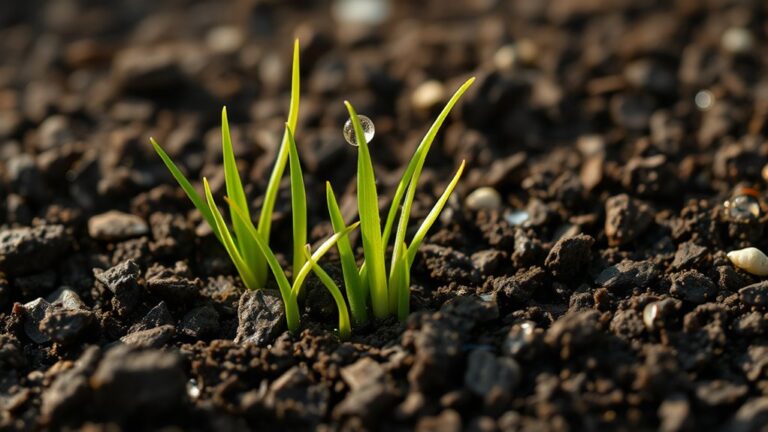
To grow cannabis from seeds, the germination process is the first step where seeds absorb moisture and begin to sprout roots. Popular methods include using moist paper towels, direct soil planting, or specialized germination kits.
Proper temperature, humidity, and darkness are critical during germination, and healthy root sprouts should appear within a few days. This initial stage sets the foundation for a vigorous plant.
- Paper towel method
- Planting directly in soil
- Temperature around 70-85°F
Early Seedling Care
Once germinated, seedlings require careful light exposure, balanced moisture, and gentle nutrients to grow strong. Overwatering or excessive light can damage young plants, so gradual acclimation is best.
Seedlings typically thrive under fluorescent or LED lights for about 18 hours daily. Maintaining a warm environment encourages steady growth during this fragile phase.
- Indirect lighting at first
- Regular, moderate watering
- Avoid nutrient burn
Legal and Ethical Considerations
Legal Status of Cannabis Seeds
The legality of cannabis seeds varies worldwide and often depends on regional laws about cannabis possession and cultivation. In some places, seeds are legal to buy and possess but illegal to germinate.
Before purchasing or growing, it’s essential to understand your local legislation to avoid fines or legal trouble. Certain countries regulate seeds strictly with permits or require registration.
- Check local and national laws
- Distinction between seed possession and germination
- Import/export restrictions
For more on this, see our related guide: 7 Simple Steps for Germinating Weed Seeds Successfully.
Ethical Sourcing and Quality Assurance
Purchasing seeds from reputable sources guarantees genetic integrity and reduces risks of contamination or poor viability. Ethical seed producers often provide strain information, germination rates, and no pesticide use assurances.
Supporting trustworthy suppliers promotes sustainable cultivation practices and helps maintain overall cannabis quality standards.
- Buy from licensed seed banks
- Look for germination guarantees
- Avoid seeds from unreliable sellers
Storage Tips for Cannabis Seeds
Ideal Storage Conditions
Cannabis seeds should be stored in a cool, dark, and dry place to maintain viability. Temperatures between 40-50°F and humidity around 20-30% are optimal for long-term storage.
Avoid exposure to light, heat, and moisture, all of which reduce seed viability over time and can cause premature germination or fungal growth.
- Use airtight containers
- Store in refrigerators if possible
- Keep away from sunlight
For additional detailed knowledge on cannabis seeds, the Cannabis seed article on Wikipedia provides extensive resources. Cannabis seed information on Wikipedia.
Longevity and Monitoring
Under proper conditions, cannabis seeds can remain viable for several years. However, periodic checks for mold or damage help prevent loss. Marking dates on storage containers ensures tracking shelf life.
For growers with seed banks, rotating older seeds by using them first helps maintain a fresh supply with high germination rates.
- Regular inspection for mold
- Labeling with storage date
- Use oldest seeds first
Cannabis Seed Types Comparison
Here's a comparison of key cannabis seed types highlighting their main features for easier decision-making.
| Seed Type | Gender Outcome | Best For | Growth Complexity | Flowering Time |
|---|---|---|---|---|
| Regular Seeds | Male or Female | Breeders, Experienced Growers | Moderate | Varies by strain |
| Feminized Seeds | Female Only | Flower Production, Beginners | Easy | Varies by strain |
| Autoflowering Seeds | Female Only | Fast Harvest, Small Spaces | Easy | 8-12 weeks |
| CBD-Dominant Seeds | Usually Feminized | Medicinal Use | Moderate | Varies by strain |
Frequently Asked Questions
Can I eat cannabis seeds safely?
Yes, cannabis seeds are safe to eat and are nutritious, containing protein, fatty acids, and vitamins, but they do not produce psychoactive effects.
How long do cannabis seeds take to germinate?
Cannabis seeds typically germinate within 2 to 7 days under ideal conditions, when kept moist and warm.
Are feminized cannabis seeds more expensive?
Feminized seeds generally cost more than regular seeds due to the extra breeding steps needed for gender control.
Do cannabis seeds contain THC?
Cannabis seeds themselves contain negligible THC; THC is produced in the plant’s flowers after growth.
What is the shelf life of cannabis seeds?
Stored properly, cannabis seeds can remain viable for 1 to 5 years, though germination rates may decline over time.
Key Takeaways
- Cannabis seeds carry genetics needed to grow various cannabis plants.
- Feminized seeds guarantee female plants, while regular seeds produce both genders.
- Choosing seeds depends on environment, desired effects, and cultivation goals.
- Proper seed storage preserves viability for years.
Conclusion
Deciding on which cannabis seeds to use involves matching your cultivation environment, desired plant traits, and experience level with available seed types. Understanding the differences between regular, feminized, and autoflowering seeds, alongside genetic profiles like indica, sativa, and hybrid, helps guide an effective selection. Careful consideration of legal constraints and ethical sourcing also influence your options.
For beginners or those focused on flower production, feminized seeds offer simplicity and consistent female plants. Experienced growers interested in breeding may choose regular seeds for genetic diversity, while autoflowering seeds suit those needing rapid harvests or limited space. Knowing the genetic makeup of your seeds helps predict plant behavior and cannabinoid content, critical for medicinal or recreational uses.
If you plan to start growing, begin with reputable seed banks and proper germination techniques to set your plants up for success. Taking the time to select the right cannabis seeds ensures a better growing experience and higher-quality yields. Review your local laws to confirm legal compliance and explore reliable sources to get started confidently.