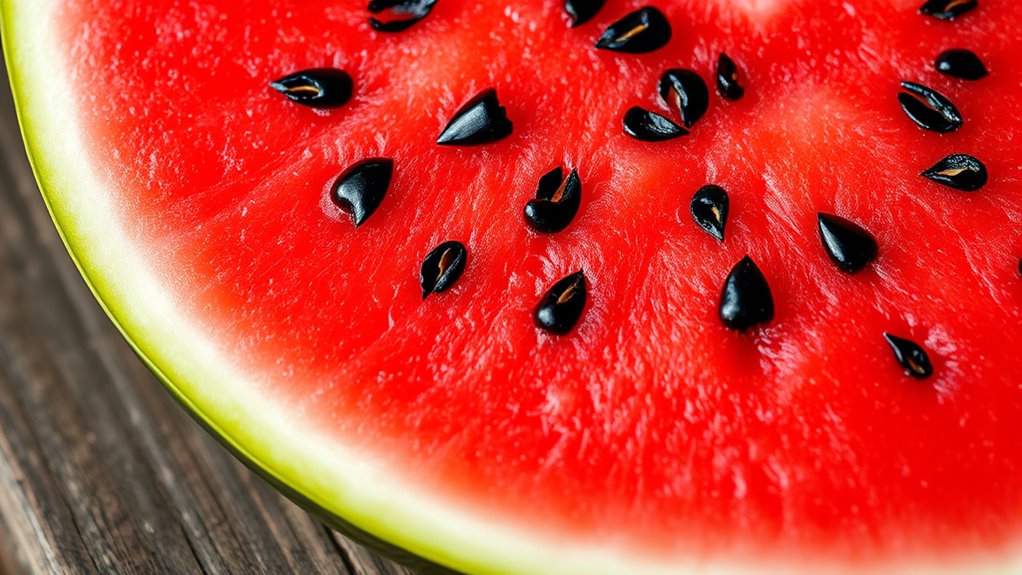
Do You Eat Watermelon Seeds: Edible or Not?
Are you tired of worrying about what to do with watermelon seeds? Many people struggle with whether to swallow or spit them out, unsure if it’s safe or if it might cause issues. You’re not alone—this is a common question when enjoying this juicy fruit.
You can safely eat watermelon seeds, as they are nutritious and generally harmless when consumed in moderation. People often swallow seeds intentionally or spit them out, but there’s no need to worry—your digestive system can handle them well.
Roasting or drying the seeds improves their flavor and makes them easier to eat.
If you want to learn more about how to enjoy watermelon seeds responsibly and what mythbusting facts exist, keep exploring.
Key Takeaways
- Watermelon seeds are safe to eat and won’t cause health issues if you eat them in moderation.
- They’re nutritious, offering protein, healthy fats, fiber, and antioxidants.
- Swallowing seeds won’t make them grow in your stomach; they pass through your digestive system harmlessly.
- Roasting or drying seeds can boost their flavor and make them less likely to cause choking.
- Whether you choose to eat or spit out watermelon seeds is totally up to you—both options are safe.
Are Watermelon Seeds Safe to Eat? What You Need to Know
Many people wonder if eating watermelon seeds is safe, and the good news is that for most, it is. Watermelon seeds come in various types, and most are safe to eat.
Some health misconceptions suggest that swallowing seeds might cause blockages or grow inside your stomach, but that’s not true. Your body can’t fully digest the seeds, so they pass through your digestive system without causing harm.
Eating watermelon seeds in moderation poses no health risks. In fact, they contain nutrients beneficial to your body, which we’ll explore later.
It’s worth noting that seed varieties differ in size and texture, but none are inherently dangerous. Whether you spit them out or swallow them, you’re safe either way.
The key is to enjoy watermelon without fear, knowing that most concerns about seed safety are myths rather than facts.
What Are the Nutritional Benefits of Watermelon Seeds?
Watermelon seeds are more than just a snack; they pack a variety of nutrients that can benefit your health. These seeds have high nutrient density, making them a valuable addition to your diet. They serve as a good protein source, supporting muscle growth and repair.
Rich in healthy fats, watermelon seeds can promote heart health and boost your energy levels. They also contain dietary fiber, which aids digestion and helps with weight management by keeping you full longer.
Moreover, watermelon seeds possess antioxidant properties that protect your cells from damage caused by free radicals. Their mineral content, including magnesium, zinc, and iron, supports various bodily functions such as immune health and bone strength.
Watermelon seeds’ antioxidants and minerals support immune health, bone strength, and cell protection against free radical damage.
Incorporating watermelon seeds into your meals can improve overall nutrition while contributing to better heart health and weight control. With their impressive array of nutrients, these seeds are a smart, wholesome snack choice.
Should You Spit Out or Eat Watermelon Seeds?
Have you ever wondered whether you should spit out watermelon seeds or eat them? The choice really depends on your preference for seed texture and flavor.
Watermelon seeds are usually soft and crunchy when roasted, making them easy to chew and enjoy. If you like a mild, nutty taste, eating the seeds can add to your snack.
On the other hand, if you dislike the firm or gritty texture or find the seed flavor unappealing, spitting them out is perfectly fine.
Some people think swallowing seeds might have health benefits, but it’s best to do so in moderation.
Ultimately, it’s a personal choice based on how you feel about the seed’s texture and flavor.
Whether you decide to eat or spit them out, both options are safe.
It all comes down to what makes your watermelon experience more enjoyable.
How Do You Prepare and Eat Watermelon Seeds?
Preparing and eating watermelon seeds is simple and can be customized to your liking. First, pick seed varieties based on what you prefer—some are softer and easier to chew, while others are crunchier.
You can eat seeds raw, but many people like to dry or roast them for extra flavor and better texture. To prepare, rinse the seeds thoroughly to wash off any pulp or residue.
Rinse seeds thoroughly, then dry or roast for better flavor and texture.
Drying or roasting the seeds makes them more tasty and easier to digest. You might also soak them overnight to soften them before eating. Once ready, you can chew the seeds directly or toss them into salads, smoothies, or trail mixes for added crunch and nutrition.
The key is to try different seed types and prep methods to see what you like best. Whether raw or roasted, watermelon seeds are a versatile snack packed with health benefits.
How Can You Roast Watermelon Seeds for Snacking?
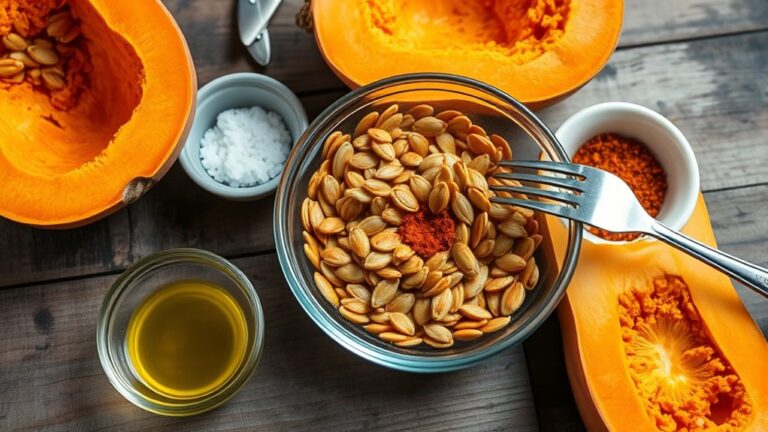
Roasting watermelon seeds is a quick and easy way to turn them into a tasty, crunchy snack. To start, rinse and dry the seeds thoroughly. Preheat your oven to 325°F (163°C). Spread the seeds in a single layer on a baking sheet.
For roasting, toss the seeds with a little oil—olive or coconut work well—and sprinkle with salt or your favorite seasonings. Roast for about 15-20 minutes, stirring occasionally until they turn golden brown.
You can try different flavors by adding cinnamon sugar, chili powder, garlic salt, or smoked paprika before roasting. Feel free to experiment with oils or add sweet coatings like honey or maple syrup for a sweeter snack.
Keep an eye on the seeds to prevent burning, and remove them once they reach your desired crunch. Let them cool slightly before enjoying your homemade roasted watermelon seeds.
How to Incorporate Watermelon Seeds Into Your Summer Recipes
Wondering how to make the most of those crunchy watermelon seeds during summer? You can easily turn them into tasty additions for your favorite summer recipes. Here are some simple ideas for incorporating watermelon seed recipes into your summer snack ideas:
- Toast and season the seeds for a flavorful snack you can munch on during your picnic or beach day.
- Grind the seeds into a powder and add to smoothies for extra crunch and nutrition.
- Mix roasted watermelon seeds into yogurt or salads for added texture.
- Use crushed seeds as a topping for ice cream or fruit bowls to improve flavor and crunch.
These options make watermelon seeds a versatile ingredient, letting you enjoy their health benefits while creating delicious summer treats. Whether you’re after healthy snacks or creative ways to spice up your recipes, watermelon seed recipes are perfect for summer snack ideas.
Common Myths About Swallowing Watermelon Seeds, Explained
A lot of folks think that if you swallow watermelon seeds, they’ll start growing inside your stomach. But honestly, that’s just a myth. Seeds don’t sprout or grow in your digestive system at all. There’s no chance they’ll turn into watermelons or anything like that inside you. So, really, swallowing seeds is perfectly harmless. Feel free to enjoy your watermelon without stressing over the seeds!
Seeds Do Not Grow Inside
Contrary to popular belief, swallowing watermelon seeds won’t cause them to grow inside your stomach. The idea that seeds sprout there is just a myth. Your digestive system breaks down seeds quickly, stopping any germination.
Watermelon seeds have a specific structure that needs the right conditions—moisture, warmth, and time—to sprout. Your stomach’s acidic environment destroys the seed’s ability to grow.
Seed growth also needs nutrients and space, which your stomach simply doesn’t provide. Most seeds pass through your digestive system intact and are excreted without sprouting.
No Risk of Germination
The myth that watermelon seeds can grow inside your stomach isn’t supported by scientific evidence. Germination myths often come from misunderstandings of seed biology. Your stomach’s acidic environment stops seeds from sprouting.
Seeds need water, the right temperature, and oxygen to grow, which your digestive system doesn’t provide. Because of this, watermelon seeds won’t grow or cause any problems when swallowed.
| Aspect | Reality |
|---|---|
| Germination myths | Seeds can’t sprout inside your stomach |
| Seed biology | Seeds require proper conditions to grow |
| Digestive environment | Acidic and unsuitable for germination |
| Growth potential | Watermelon seeds won’t grow in human digestion |
Swallowed Seeds Are Harmless
Although swallowing watermelon seeds might seem concerning, they are completely harmless when ingested. Many cultural beliefs have fueled myths that seeds could grow inside you, but that’s just not true. Watermelon seed origins show they’re simply plant material passing through your digestive system. Here’s what you should know:
- Seeds are too small and digest easily, preventing any germination.
- Your stomach acids break down the seed’s structure, eliminating any chance of growth.
- Seeds don’t contain enough nutrients to sprout inside your body.
- The myth comes from ancient beliefs, not scientific evidence.
In short, swallowing watermelon seeds is safe and doesn’t cause any health issues—regardless of cultural myths. They’re just part of the fruit’s natural seed system, not a secret garden inside you.
What Are the Potential Health Risks of Eating Watermelon Seeds?
Eating watermelon seeds can actually come with a few health risks. For example, if you swallow a big seed without chewing it properly, there’s a chance it could cause choking. That’s definitely something to watch out for, especially if you’re eating the seeds quickly or not paying attention.
You might also run into some digestive issues if you swallow a lot of seeds or if they’re not chewed well. Sometimes, seeds can be hard to digest and might lead to discomfort or upset stomach. So, it’s a good idea to be mindful and not overdo it with the seeds. Just enjoy the watermelon, and if you do decide to eat the seeds, do so carefully!
Risk of Choking
While watermelon seeds are generally safe to swallow, there’s a small risk of choking, especially if you swallow them without properly chewing. Choking hazards happen if seeds get stuck in your throat or windpipe.
To stay safe, try these tips:
- Chew seeds well before swallowing to lower choking risks.
- Don’t swallow large amounts at once.
- Be careful if you have trouble swallowing or if you have throat issues.
- Stay alert when eating seeds, especially around kids or elderly people.
Ignoring these precautions can raise your chances of choking. While watermelon seeds are usually fine to eat, practicing careful eating habits helps prevent problems and makes eating safer and more enjoyable.
Potential Digestive Issues
Eating watermelon seeds generally doesn’t cause health problems for most people, but eating large amounts or not chewing them well can cause digestive issues. When seeds aren’t fully broken down, they might pass through your system intact, which can lead to discomfort or even blockages, especially in kids or people with sensitive digestion.
While watermelon seeds are small and soft when you chew them, swallowing them whole might slow down digestion and cause mild stomach upset. Overdoing it with seeds can also lead to bloating or gas.
To avoid these problems, it’s best to chew seeds carefully or eat them in moderation. Proper digestion helps your body process the nutrients safely and keeps your digestion smooth without unnecessary discomfort.
Expert Opinions on Eating Watermelon Seeds Safely
Experts generally agree that swallowing watermelon seeds is safe for most people, but they emphasize moderation and awareness. The safety largely depends on seed varieties and individual health.
While many consider watermelon seeds edible, some varieties have tougher shells, making them harder to digest. In terms of culinary uses, seeds can be roasted or ground into nutritious snacks, but eating them raw in large quantities isn’t recommended.
To understand the risks and benefits, keep these points in mind:
- Seed varieties matter—some are easier to digest than others.
- Cooking methods like roasting can reduce possible choking hazards.
- Portion control helps prevent digestive discomfort or blockages.
- Health conditions such as allergies or sensitivities should be considered before consuming large amounts.
Following expert advice, incorporating watermelon seeds into your diet safely involves awareness of seed types and preparation methods. Moderation is key to enjoying their benefits without concern.
Tips for Enjoying Watermelon Seeds Responsibly
Want to enjoy watermelon seeds without any worries? First off, make sure you prepare them the right way—whether you’re roasting them or sprouting them—this can help cut down on any possible health risks. It’s also a good idea to eat them in moderation. That way, you won’t overload your body with too many nutrients or calories. Follow these simple tips, and you can definitely enjoy watermelon seeds guilt-free!
Properly Prepare Seeds
Before biting into watermelon seeds, it’s important to prepare them properly to guarantee a safe and enjoyable snack. Using effective seed preparation techniques helps eliminate bitterness and improves flavor. Here are some tips:
- Rinse seeds thoroughly to remove pulp and residue.
- Dry seeds completely to prevent mold during roasting.
- Roast seeds at 350°F (175°C) for 15-20 minutes, stirring occasionally.
- Season with salt, spices, or sweeteners to boost seed flavor.
These steps ensure your seeds are clean, tasty, and safe to eat. Proper preparation not only enhances taste but also reduces potential health risks. Take your time with seed preparation techniques, and you’ll enjoy a delicious, satisfying snack every time.
Consume in Moderation
Once you’ve prepared your watermelon seeds for snacking, it’s important to enjoy them responsibly. While they offer health benefits like healthy fats, magnesium, and zinc, moderation is key.
Eating large amounts can lead to digestive discomfort or excessive calorie intake. Incorporate watermelon seeds into your diet through various culinary uses, such as roasted snacks or added to salads, but keep portions reasonable.
Remember, seeds are nutritious but should complement a balanced diet. Overindulgence might diminish their benefits and cause unwanted side effects.
Frequently Asked Questions
Can Children Safely Eat Watermelon Seeds?
Yes, children can safely eat watermelon seeds. These seeds have nutritional benefits like healthy fats, magnesium, and zinc, which help with growth and development.
When eaten in moderation and chewed well, watermelon seeds are safe and can be a healthy snack. Just make sure your child chews them thoroughly to help digestion and avoid choking.
Do Watermelon Seeds Contain Any Allergens?
Watermelon seeds are generally safe, but they do contain potential allergens that could cause reactions in sensitive individuals. You might think they’re harmless, but these tiny seeds pack a surprising amount of nutrition that’s good for you.
While rare, some people could experience allergic responses like itching or swelling. If you have food allergies, it’s a good idea to watch for symptoms when eating watermelon seeds to stay on the safe side.
How Many Watermelon Seeds Can I Eat Daily?
You can safely eat about a handful of watermelon seeds daily, but moderation is key. These seeds provide nutritional benefits like healthy fats, magnesium, and zinc.
To enjoy them safely, try roasting or sprouting the seeds. This can improve their flavor and make them easier to digest.
Eating too many might cause stomach discomfort, so stick to a reasonable amount. This way, you can enjoy the benefits without overloading your system.
Are There Any Side Effects of Eating Too Many Seeds?
Eating too many watermelon seeds can cause digestive discomfort or even a blockage, even though they have nutritional benefits.
While roasting seeds makes them tastier, eating too many might lead to issues. Think of seeds as tiny treasures – valuable in moderation but potentially harmful if you overdo it.
Focus on enjoying their nutrients in a balanced way without risking side effects. Always prepare them properly to get the most benefits safely.
Do Watermelon Seeds Have Any Effect on Digestion?
Eating watermelon seeds can positively impact your digestion. They contain nutrients like fiber that support digestive health by helping you stay regular and preventing constipation.
When you chew or swallow seeds, your body can extract nutrients that aid in digestion and overall gut health. Incorporating a moderate amount of seeds into your diet might boost your digestive system thanks to their fiber and mineral content.
Conclusion
So, next time you spot watermelon seeds, don’t panic or spit them out like a scared cat. Welcome them! Eating seeds can reveal a wealth of nutrients and even turn snack time into a powerhouse of health.
Just remember, ignoring the myths and preparing them right can turn a simple seed into a superhero of your diet.
Immerse yourself with confidence—you’re about to uncover a tiny seed with the potential to change your health forever!
And yes, you can eat watermelon seeds—so go ahead and enjoy them as part of your healthy diet.