How to Know If You Are Underwatering Plants: Signs and Solutions
Knowing if you are underwatering plants is critical for their health. Common signs include dry soil that pulls away from the pot edges, wilting or drooping leaves, and slower growth. These are clear indicators your plants need more water to thrive.
Underwatering can stress plants and make them vulnerable to pests and diseases. Distinguishing underwatering from other problems like overwatering is essential because both issues show similar symptoms but require opposite fixes.
This article explores how to spot underwatering symptoms, details the watering needs of different plant types, and provides practical plant watering tips to keep your greenery vibrant and healthy.
Identifying Underwatered Plants
Visual Symptoms of Underwatering
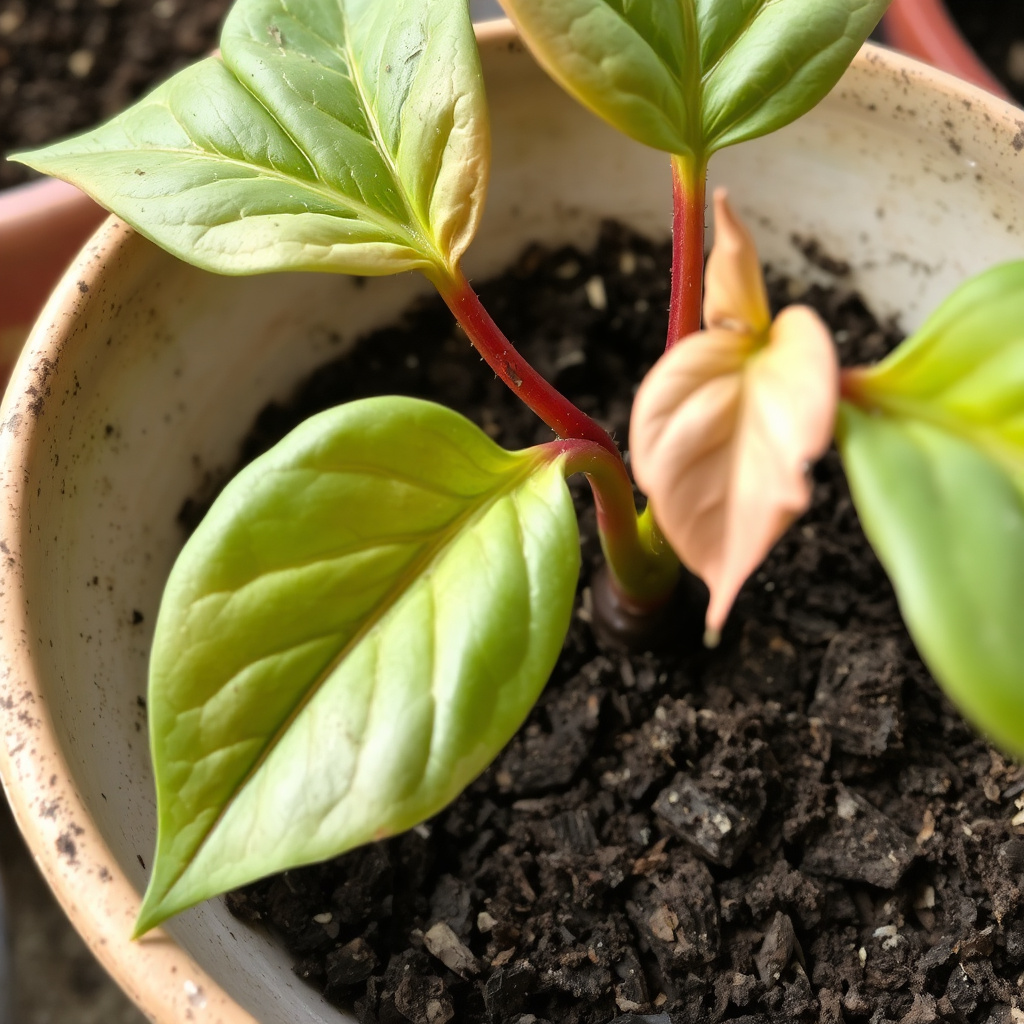
When plants lack water, their leaves often curl, droop, or appear dull and crispy. Soil will feel dry several inches below the surface and may shrink away from the pot edges, creating a gap.
Some species exhibit leaf drop or brown leaf tips as a stress response. It's crucial to observe these visual cues early to adjust watering before the plant suffers irreversible damage.
- Drooping or curling leaves
- Dry, brittle leaf edges
- Soil pulling away from pot
- Leaf yellowing in some species
Differences Between Underwatering and Overwatering
Underwatering causes dry soil and drooping leaves, while overwatering results in soggy soil and often yellowing leaves due to root rot. Feeling the soil moisture is the simplest way to distinguish between the two.
Leaves from underwatered plants typically feel dry and stiff, whereas overwatered plants have softer, limp leaves. Correctly diagnosing the problem is key to applying the right watering routine.
Watering Needs by Plant Type

Succulents and Cacti
Succulents and cacti store water in their thick leaves and stems, so they require infrequent watering. Water only when the soil is completely dry, usually every 2-3 weeks depending on the environment.
Overwatering these plants often causes root rot, whereas underwatering is less immediately damaging, though their growth may slow or leaves may shrivel slightly.
- Water every 2-3 weeks
- Wait for soil to dry fully
- Avoid standing water in pots
For more on this, see our related guide: How to Fix Overwatered Cannabis Plants: Effective Recovery Tips.
Tropical and Flowering Plants
Plants like ferns, peace lilies, and African violets need more consistent moisture and should be watered when the top inch of soil feels dry. Their leaves droop quickly if underwatered and may suffer from brown tips.
Adjust watering frequency based on season and indoor humidity levels. During warmer months, these plants generally require more frequent watering.
- Water when top inch of soil is dry
- Increase watering in warm seasons
- Maintain higher humidity where possible
Tools and Techniques for Monitoring Soil Moisture

Using Moisture Meters for Accurate Reading
Moisture meters provide a quick, reliable assessment of soil moisture levels below the surface, helping prevent guesswork and watering errors. Insert the probe into the soil to see if watering is necessary.
They are especially useful for plants with hidden root zones or for gardeners managing multiple species with varied watering needs.
- Insert probe 2-3 inches into soil
- Check meter before watering
- Calibrate meters if needed
Simple Alternatives to Moisture Meters
Checking soil moisture by finger test is an effective low-tech alternative. Insert your finger an inch or two into the soil—if it feels dry, it’s time to water. Observing pot weight can also indicate dryness; lighter pots usually mean dry soil.
Regularly monitoring these signs helps maintain appropriate watering schedules without complex gadgets.
- Finger test for soil dryness
- Lift pot to check weight
- Observe plant leaf changes
Adjusting Watering Habits for Underwatering
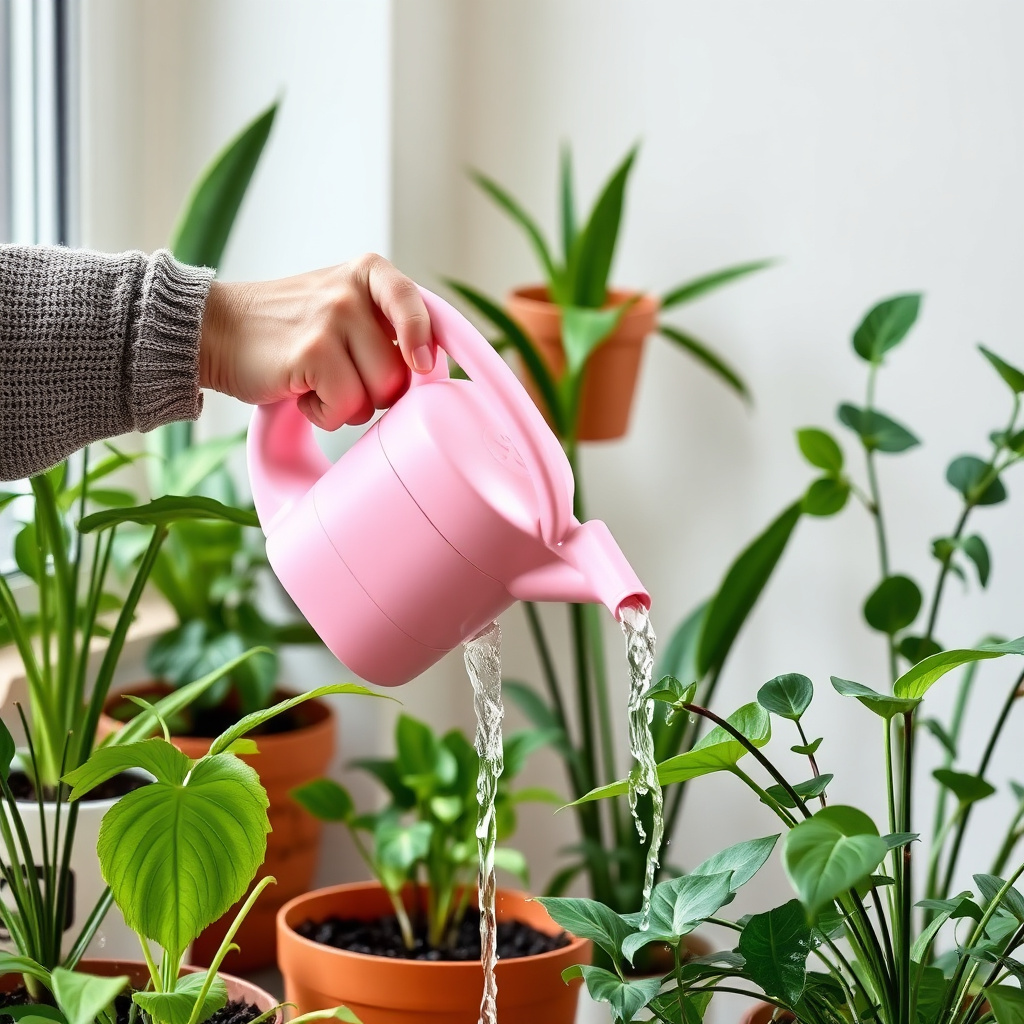
Increasing Water Amount and Frequency
If signs of underwatering appear, gradually increase watering frequency while ensuring soil drains well to avoid overcompensation. Water deeply to reach roots rather than multiple quick light waterings.
Schedules vary by plant type and environment, so observe changes and adjust watering routines accordingly to maintain consistent moisture.
For more on this, see our related guide: How Often to Water Cannabis Plants: Timing and Techniques for Healthy Growth.
Improving Water Absorption
In some cases, compacted or hydrophobic soils repel water. Loosening the soil surface and applying water evenly can improve absorption. Using mulch also helps retain moisture and moderate soil temperature.
Avoid using cold water; room temperature water encourages quicker uptake through roots.
- Loosen compacted soil
- Add mulch to pot surface
- Use room temperature water
Preventing Underwatering Issues Long Term

Establishing a Consistent Watering Schedule
A steady watering routine aligned with each plant's needs helps prevent underwatering. Tracking watering days and adjusting for seasonal changes maintains plant health and growth.
Using plant watering tips like grouping plants with similar water needs together also reduces errors.
For additional detailed information on plant watering, including various plant watering techniques, see this comprehensive resource. plant watering techniques.
Using Automated Watering Systems
Automated drip irrigation or self-watering systems deliver precise moisture with minimal effort, especially useful for busy gardeners or those with many plants.
Timers and moisture sensors can be integrated to optimize watering schedules and reduce underwatering risks effectively.
- Set timers for watering duration
- Integrate moisture sensors
- Use self-watering planters
Comparison of Plant Watering Methods
Here is a comparison of common plant watering methods highlighting their advantages and best uses to help you choose your approach.
| Method | Water Control Precision | Ease of Use | Best For |
|---|---|---|---|
| Hand Watering | Medium | Easy | Most houseplants and garden plants |
| Moisture Meters | High | Moderate | Plants with specific watering needs |
| Automated Drip Irrigation | Very High | Low once set up | Large collections or outdoor gardens |
| Self-Watering Planters | High | Easy | Indoor plants and small gardens |
| Soil Finger Test | Low | Very Easy | Casual gardeners or beginners |
Frequently Asked Questions
Can underwatering permanently damage plants?
Severe underwatering can cause irreversible damage like root death or leaf loss, but most plants recover if watering improves promptly.
How often should I water my plants to avoid underwatering?
Watering frequency depends on plant species and environment, but generally check soil moisture every few days and water when dry.
Is it better to water plants deeply or shallowly?
Deep watering reaches the entire root zone and promotes healthy growth, while shallow watering encourages surface roots and weaker plants.
Do outdoor plants have different underwatering signs?
Outdoor plants show similar signs like wilting and dry soil but may recover faster due to rain; watching soil dryness is key.
Can I use cold water to hydrate underwatered plants?
Room temperature water is ideal since cold water can shock roots and slow absorption, especially in sensitive plants.
Key Takeaways
- Dry, pulled-away soil and drooping leaves are key underwatering indicators
- Different plant types have distinct watering needs to prevent underwatering
- Moisture meters and finger tests help accurately assess soil moisture
- Consistent watering schedules reduce underwatering risks
Conclusion
Understanding how to know if you are underwatering plants hinges on the ability to interpret both visible signs and soil moisture conditions accurately. It's essential to observe your plants closely and feel the soil regularly to quickly identify any stress symptoms caused by insufficient watering. Since various plant species have differing water requirements, a tailored approach is necessary. Adopting a consistent watering practice prevents frequent cycles of drought stress that weaken plants and pave the way for pests and diseases. With patience and attention, you can develop a planting routine that supports vibrant, healthy growth year-round.
For practical application, consider the specific needs of your plant collection. Succulents and cacti thrive with infrequent deep watering, while tropical and flowering plants require more regular moisture to maintain lush foliage. Tools like moisture meters or the simple finger test provide reliable ways to measure soil dryness, helping you avoid misunderstandings that lead to underwatering or overwatering. If you encounter persistent dryness issues, improving soil quality and using mulch can support better water retention. In larger gardens or busy households, automated watering systems ensure steady moisture for your plants without constant oversight.
Moving forward, start by assessing the typical water needs of your plants and establish a schedule based on observations and measurements rather than guesswork. Adjust as needed with seasonal shifts or changes in plant growth stages. By consistently matching watering practices to your plants' requirements and learning how to know if you are underwatering plants, you foster an environment where they not only survive but flourish, bringing joy and beauty to your indoor and outdoor spaces.