How to Fix Powdery Mildew on Plants: Practical Solutions That Work
Fixing powdery mildew involves promptly identifying the infection, removing affected plant parts, and applying suitable fungicides or natural remedies to stop its spread. Cleaning the area and improving airflow are essential to prevent future outbreaks.
Powdery mildew is a common fungal disease that appears as a white or gray powdery coating on leaves, stems, and buds. Although it rarely kills plants outright, it weakens them, stunts growth, and reduces yields. Because it spreads quickly in warm, dry conditions, catching it early can save your garden.
This article covers how to recognize powdery mildew, practical treatment options including chemical and organic approaches, prevention methods, and environmental adjustments that reduce recurrence. It will also guide you through caring for your plants post-infection to restore their vigor.
Recognizing Powdery Mildew Symptoms and Causes
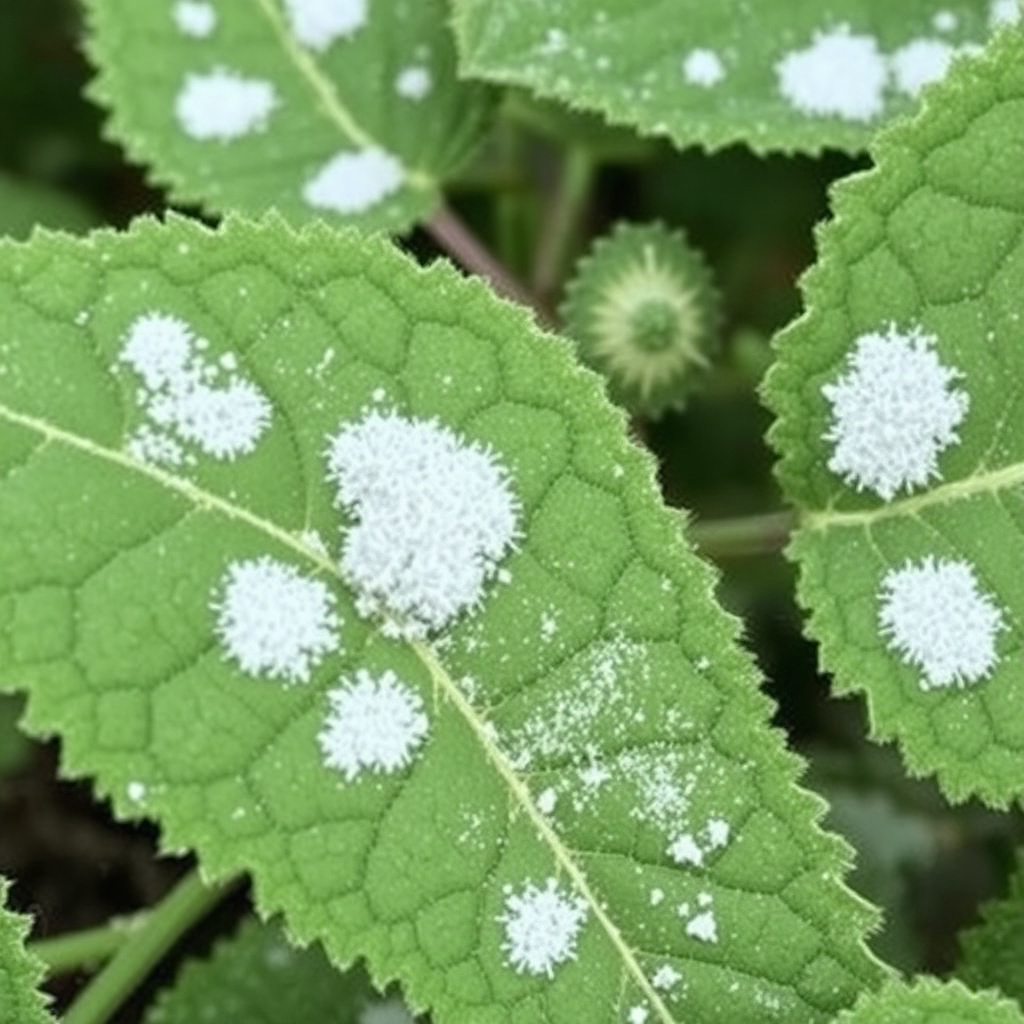
Typical Signs of Powdery Mildew
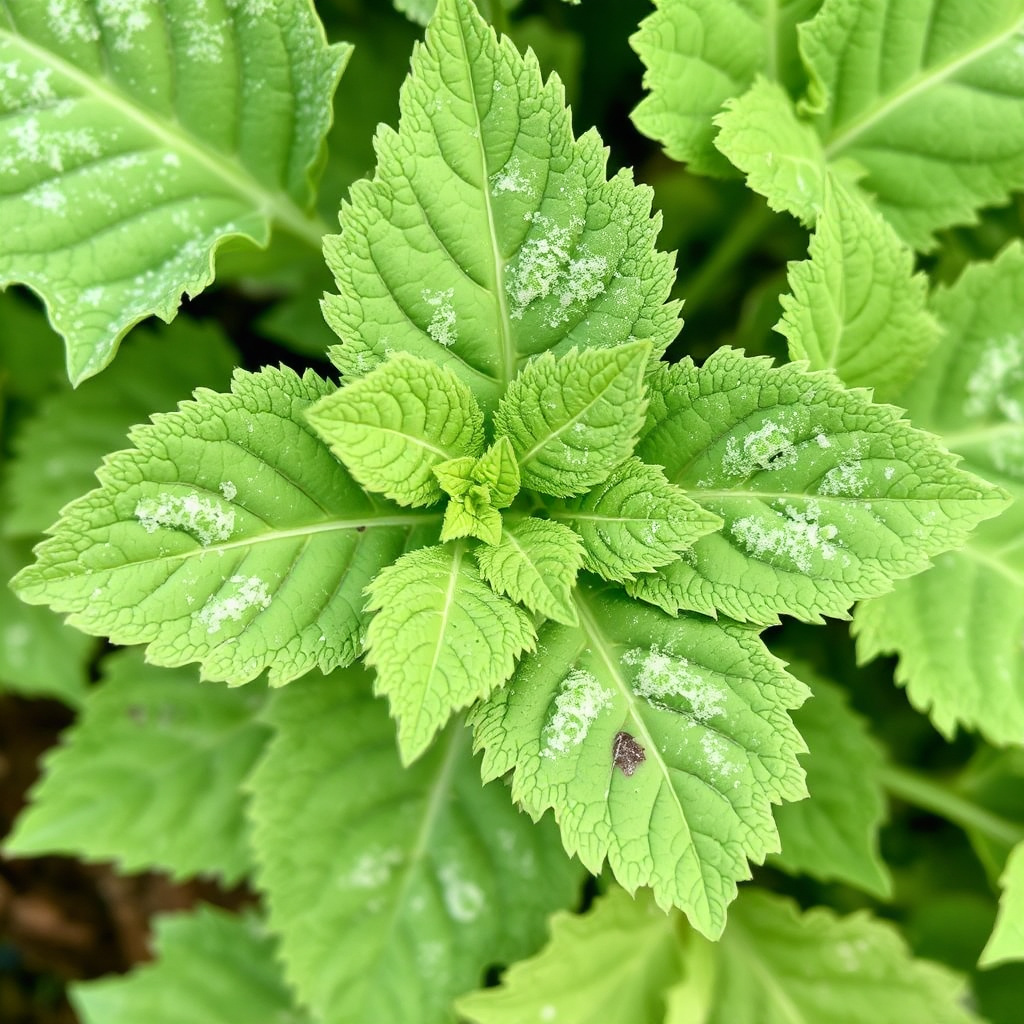
Powdery mildew manifests as white, powdery spots on the upper surfaces of leaves, though sometimes on stems, flowers, and buds. Early infections may show as small patches, but these quickly grow, covering the plant parts in a dusty layer.
Affected leaves often yellow, curl, and may drop prematurely. Unlike other fungal diseases, powdery mildew thrives in dry, warm, but shaded environments, making hidden or crowded plants especially vulnerable.
Environmental Factors That Cause Powdery Mildew
Powdery mildew fungi thrive when humidity is high but foliage remains dry. Crowded plantings with limited airflow create microclimates that favor fungal growth. Warm temperatures between 60 and 80°F (15-27°C) encourage rapid spore production and infection.
Certain plants like cucumbers, squash, and roses are more susceptible. Over-fertilization with nitrogen can cause dense, susceptible new growth. Understanding these factors helps in targeting treatment and prevention measures.
Using Chemical and Organic Powdery Mildew Treatment Options

Chemical Fungicides for Powdery Mildew
Fungicides containing active ingredients like sulfur, myclobutanil, or neem oil are effective at controlling powdery mildew if applied early. These products inhibit fungal growth and help reduce spore spread when used according to label directions.
Repeat treatments every 7 to 14 days may be necessary during active outbreaks. Always apply fungicides in the cooler parts of the day to avoid plant damage and wash off spraying equipment after use.
- Sulfur-based fungicides
- Myclobutanil sprays
- Potassium bicarbonate formulations
For more on this, see our related guide: How Are Cannabis Strains Bred? A Practical Guide to Cannabis Breeding.
Natural Home Remedies to Control Powdery Mildew
Several household solutions can slow powdery mildew. A mild mix of baking soda and water sprayed on leaves can alter pH, making conditions unfavorable for the fungus. Milk sprays diluted with water have also been shown to reduce infection severity.
Regular application every week is recommended until symptoms subside. These options are less harmful to beneficial insects and the environment but might offer slower control compared to chemicals.
- Baking soda spray: 1 tsp baking soda + 1 qt water
- Diluted milk spray: 1 part milk to 9 parts water
- Neem oil application
Improving Plant Care to Help Fix Powdery Mildew
Pruning and Removing Infected Plant Material
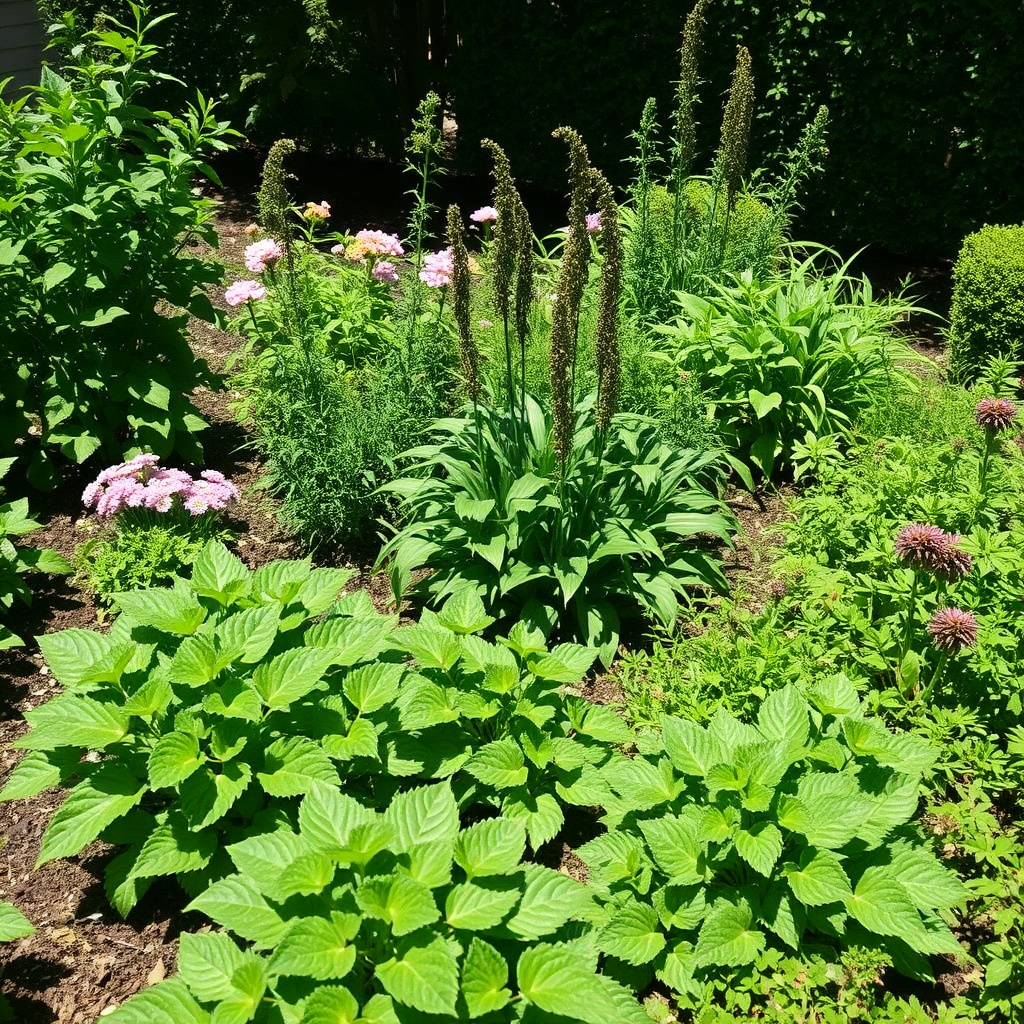
To fix powdery mildew effectively, remove severely affected leaves and stems. Pruning reduces fungal reservoirs and improves air circulation. Dispose of infected debris away from the garden to prevent spores from spreading.
Sterilize pruning tools with alcohol between cuts to avoid cross-contamination. Avoid heavy pruning during wet conditions to prevent further stress on plants.
Adjusting Watering and Fertilization Practices
Water plants early in the day to allow leaves to dry out before evening, reducing fungal-friendly moisture periods. Avoid overhead watering which can create damp conditions on foliage.
Limit high nitrogen fertilizers, which promote lush new growth that powdery mildew prefers. Use balanced or low-nitrogen fertilizers to help plants build stronger natural defenses.
Preventing Future Powdery Mildew Outbreaks
Plant Selection and Spacing for Mildew Resistance
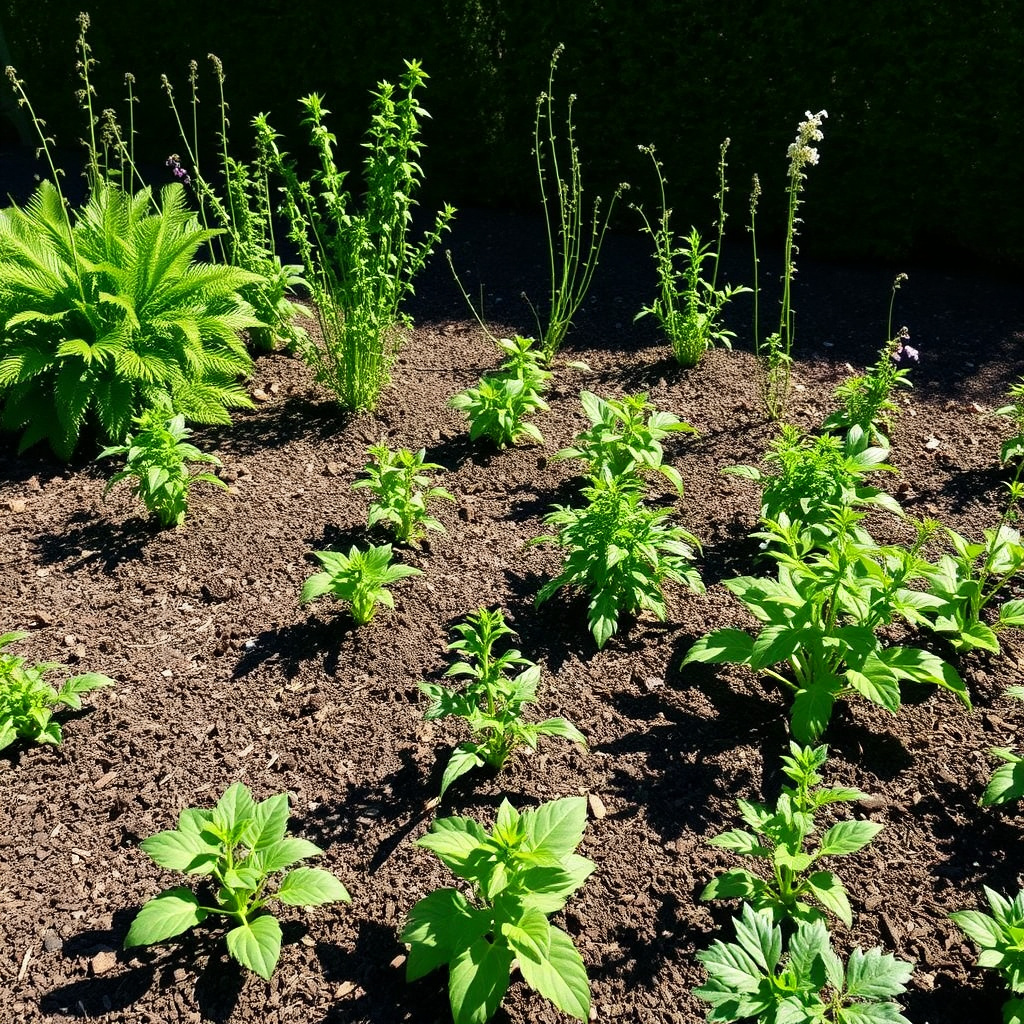
Select plant varieties that are resistant or tolerant to powdery mildew when possible. Proper spacing reduces humidity and improves airflow, two key factors in preventing fungal growth.
Plant in sunny locations where leaves dry quickly after morning dew or rain. Avoid shady, crowded garden beds that trap moisture and foster spores.
- Choose resistant cultivars
- Space plants for airflow (at least 12-18 inches apart)
- Plant in full sun or partial sun
For more on this, see our related guide: Common Cannabis Growing Mistakes and How to Avoid Them.
Maintaining Clean Gardening Habits
Regularly clear fallen leaves and debris that can harbor fungal spores over winter. Disinfect gardening tools and rotate crops to avoid soil-borne strains building up in one area.
Mulching can help reduce soil splashing onto leaves, which often carries fungal spores. Combined with proper sanitation, these practices reduce disease pressure year-round.
Post-Treatment Care for Plants After Powdery Mildew
Monitoring Recovery and Continued Protection
After applying treatments, monitor your plants closely for new symptoms. Reapply treatments as needed but avoid overuse of chemicals. Healthy new growth usually indicates successful control.
Keep improving airflow and remove any returning spots quickly to stop re-infection. Ongoing vigilance helps protect plants through the growing season.
For an in-depth scientific overview of powdery mildew, refer to the Powdery mildew article on Wikipedia. Powdery mildew article on Wikipedia.
Supporting Plant Health for Resilience
Apply balanced fertilizers and organic mulches to improve soil health and plant vigor. Water consistently and avoid stressing plants with drought or excessive fertilization.
Plants with strong immune systems resist powdery mildew better, so integrated care will reduce future outbreaks and improve overall garden success.
Powdery Mildew Treatment Options Comparison
Here is a comparison of common treatment categories outlining their advantages and disadvantages for controlling powdery mildew.
| Treatment Type | Effectiveness | Safety for Edibles | Application Frequency | Environmental Impact |
|---|---|---|---|---|
| Chemical Fungicides | High | Varies by product; some safe | Weekly during outbreaks | Moderate |
| Baking Soda Spray | Moderate | High | Weekly to biweekly | Low |
| Milk Spray | Moderate | High | Weekly | Low |
| Neem Oil | High | High | Every 7-14 days | Low |
| Pruning and Sanitation | Supportive only | Safe | As needed | None |
Frequently Asked Questions
Can powdery mildew kill my plants?
Powdery mildew generally doesn’t kill plants but can weaken them by reducing photosynthesis and causing early leaf drop. Untreated infections may reduce growth and yields significantly.
Is powdery mildew contagious between plant types?
Some powdery mildew fungi are host-specific, while others can infect multiple species. It’s best to isolate affected plants and clean tools to prevent spreading spores.
How often should I apply treatments for powdery mildew?
During active infections, treatments typically need application every 7 to 14 days until symptoms diminish. Follow product guidelines for best results.
Can I eat vegetables affected by powdery mildew?
Vegetables with powdery mildew can be safe to eat if washed properly; however, heavily infected parts should be discarded as the fungus may affect texture and quality.
Does weather affect powdery mildew outbreaks?
Yes, powdery mildew favors warm, dry days combined with high nighttime humidity. Monitoring weather can help anticipate and manage outbreaks.
Key Takeaways
- Immediate removal and treatment stop powdery mildew spread effectively.
- Both chemical fungicides and natural remedies can control powdery mildew.
- Improving airflow and proper watering reduce infection risk.
- Preventive care supports healthier plants less prone to reinfection.
Conclusion
Fixing powdery mildew requires a blend of early detection, targeted treatments, and modifying the environment. Understanding the conditions that favor this fungus helps gardeners and growers act quickly to protect their plants. Removing infected parts minimizes the fungal load while various treatment options, from chemical fungicides to natural sprays, offer effective control when applied properly. Consistency and patience are key as spores can linger and reinfections are common if preventive care lapses.
For most home gardeners, starting with safer powdery mildew treatment options like baking soda or milk sprays is practical, especially for edible crops. If infections persist or worsen, fungicides containing sulfur or neem oil are recommended. Combined with strategic pruning and improving airflow through spacing, these measures reduce powdery mildew risks. Selecting resistant plant varieties and avoiding excess nitrogen fertilizer are additional proactive steps. Monitoring plants after treatment ensures infections do not restart unnoticed.
Moving forward, prioritize healthy cultural practices that keep plants vigorous and less vulnerable. Water strategically, maintain clean garden beds, and disinfect tools regularly. By integrating treatment with prevention, powdery mildew becomes manageable rather than destructive. Whether you grow flowers, vegetables, or ornamentals, applying these strategies provides a solid path to restoring and maintaining plant health free from powdery mildew.