Hydroponics: How to Grow Plants Without Soil for Maximum Yield
Hydroponics is a method of growing plants without using soil, instead relying on nutrient-rich water solutions to deliver all essential minerals directly to plant roots. This technique allows plants to grow faster and often produce higher yields by providing a controlled environment where nutrients, water, and oxygen are precisely balanced.
Moving away from traditional soil gardening, hydroponics offers advantages such as water efficiency, space-saving, and reduced vulnerability to pests and diseases. By circulating nutrients through water, plants can focus their energy on growth rather than expanding roots to search for nutrients in soil, making it especially valuable in urban areas or regions with poor soil conditions.
This article will cover how hydroponics works, common systems used, necessary equipment, pros and cons, plant types best suited for it, and practical tips for beginners interested in adopting this soil-free gardening technique to grow healthier and more productive plants.
Understanding Hydroponics: The Soil-Free Gardening Technique

What Is Hydroponics and How It Works
Hydroponics involves growing plants in an aqueous nutrient solution without soil. The roots receive oxygen, water, and all essential nutrients dissolved in the solution, which are transported directly to the plants. This method bypasses soil's limitations, providing optimal growing conditions to maximize plant health and productivity.
The absence of soil means plants do not expend energy expanding root systems to search for nutrients. Instead, they focus on developing stems, leaves, fruits, and flowers. Systems vary in how nutrient solution is delivered—some use flooding and draining, others employ continuous flow or aeration methods.
Key Nutrients and Their Role in Hydroponic Growth
Hydroponic solutions must contain a balanced mix of macronutrients like nitrogen, phosphorus, potassium, calcium, magnesium, and sulfur, alongside micronutrients such as iron, manganese, zinc, copper, molybdenum, boron, and chlorine. Any deficiency can lead to stunted growth or nutrient disorders.
The nutrient concentration and pH levels require careful monitoring to maintain an environment conducive to uptake. Typically, hydroponic systems keep pH between 5.5 and 6.5 and use electrical conductivity (EC) meters to measure the concentration of dissolved nutrients regularly.
Types of Hydroponic Systems and Their Applications
Popular Hydroponic Systems Explained
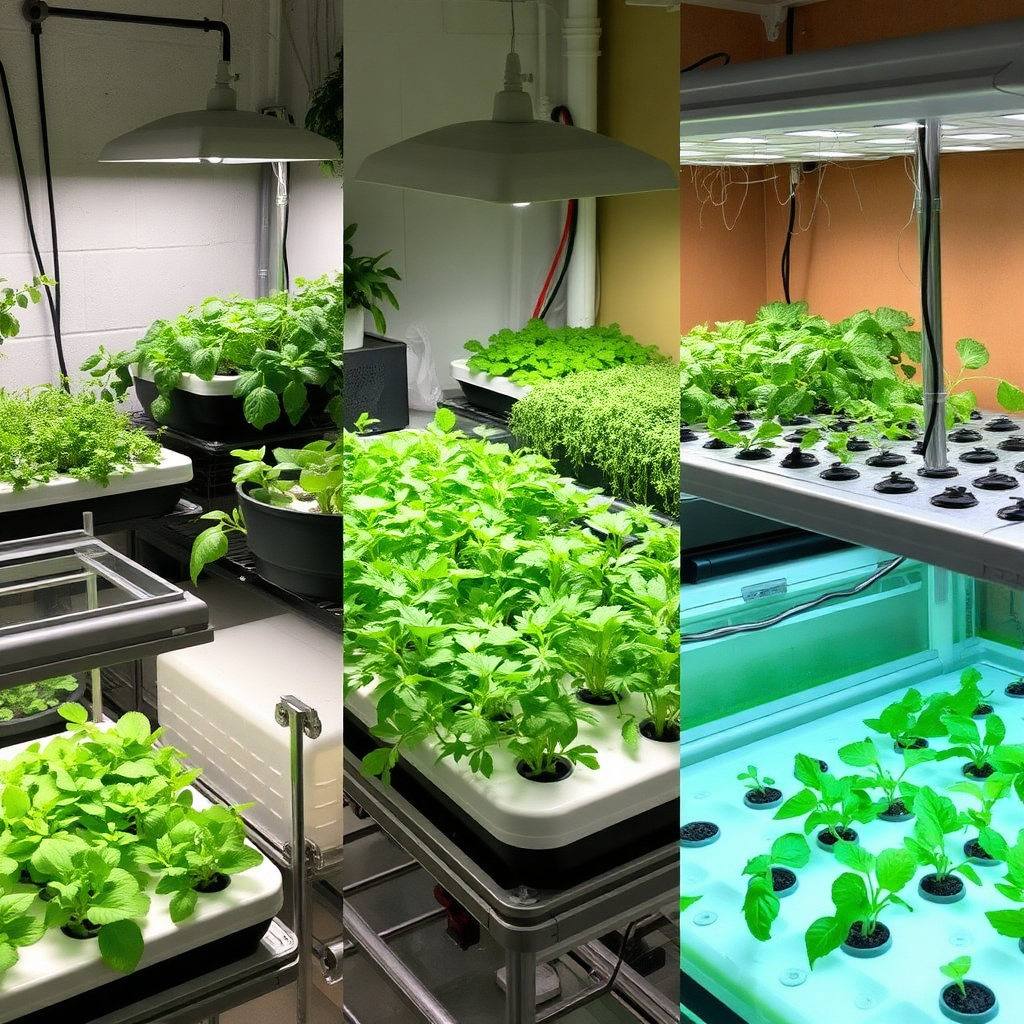
Deep Water Culture (DWC) submerges plant roots directly in oxygenated nutrient solutions. It's simple, cost-effective, and ideal for leafy greens. Nutrient Film Technique (NFT) continuously flows thin films of nutrient solution over roots in sloped channels, suitable for small fruiting crops.
Aeroponics suspends roots in air and regularly mists them with nutrient droplets, increasing oxygen availability and growth rate but requiring precise controls. Each system’s design fits different plant types, scale, and user experience.
- Deep Water Culture (DWC)
- Nutrient Film Technique (NFT)
- Aeroponics
- Ebb and Flow (Flood and Drain)
Choosing the Right System for Your Needs
Selecting an appropriate hydroponic system depends on factors like available space, budget, type of plants, and technical skills. Beginners may start with simple systems like DWC or Ebb and Flow, while experienced growers might prefer NFT or aeroponics for greater control and faster yields.
Commercial growers often combine systems based on crop requirements, operational costs, and desired output. System scalability and maintenance demands should also guide your choice.
Essential Equipment and Setup for Hydroponic Gardening
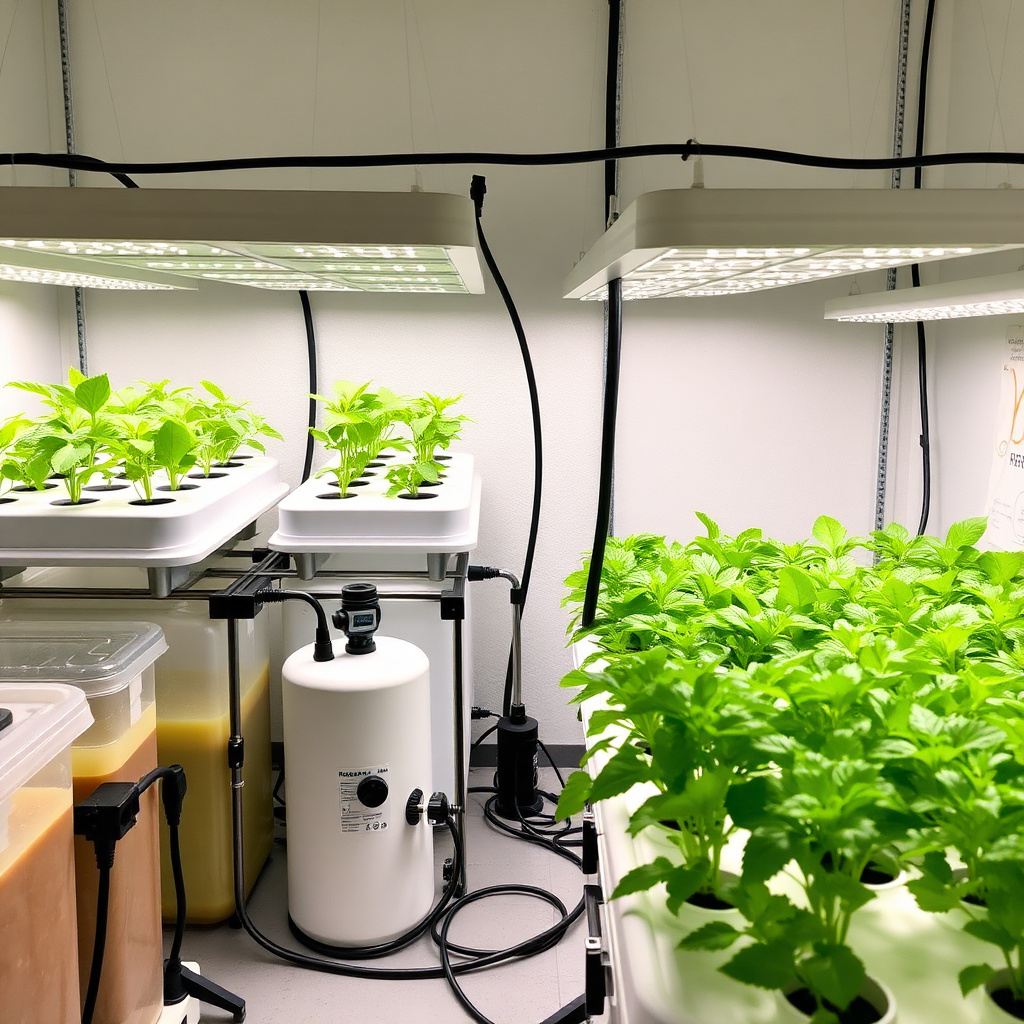
Core Components of a Hydroponic Setup
A basic hydroponic garden includes a container to hold plants, a nutrient reservoir with the water solution, pumps to circulate nutrients, and grow lights if indoors. Additionally, tools like pH testers, EC meters, and air stones provide environmental control and monitoring.
Growing mediums such as coco coir, perlite, or rockwool anchor the roots in place since there is no soil. Proper aeration is critical to prevent root rot and ensure healthy oxygen supply.
For more on this, see our related guide: Best Nutrients for Cannabis Plants: Essential Guides for Thriving Growth.
Setting Up and Maintaining Your Hydroponic System
Begin by assembling the system and filling the reservoir with a pre-mixed nutrient solution. Regularly check and adjust pH and EC values to remain in optimal range. Clean equipment periodically to prevent algae buildup and monitor plant health closely for any signs of deficiencies or diseases.
Temperature and humidity control are important especially in indoor setups. Supplementing natural sunlight with artificial grow lights can extend growing seasons and improve plant growth dramatically.
Advantages and Challenges of Hydroponics

Benefits of Hydroponics Over Soil Gardening
Hydroponics uses up to 90% less water than soil gardening by recycling nutrient solutions, making it highly water-efficient. Its soil-free nature eliminates weeds, reduces pest pressures, and allows for year-round growing indoors or in limited spaces.
Controlled environments lead to faster growth and higher yields per square foot. The method also enables agriculture in areas with poor or contaminated soil, supporting urban farming and food sustainability.
- Water conservation
- Space-saving vertical or indoor setups
- Faster plant growth and higher yields
- Reduced pesticide use
Common Challenges and How to Manage Them
Hydroponic systems require careful monitoring; nutrient imbalances or pH fluctuations can quickly impact plant health. Initial setup costs and reliance on electricity for pumps and lighting can be barriers for some gardeners.
Disease can spread rapidly in water-based systems if not managed properly. Preventive sanitation practices and regular system checks help reduce risks. Learning and adjusting nutrient formulations may take several growing cycles.
- Need for precise nutrient management
- Initial equipment investment
- Dependence on power supply
- Disease spread risk in water
Best Plants to Grow Using Hydroponics

Ideal Leafy Greens and Herbs
Leafy greens like lettuce, spinach, kale, and herbs such as basil, mint, and cilantro flourish in hydroponic systems due to their relatively short growth cycles and preference for consistent moisture levels.
These crops benefit from the precise nutrient delivery and controlled environmental conditions, resulting in vibrant, fast-growing, and high-quality leaves ideal for culinary use.
For more on this, see our related guide: Cannabis Growing Guide for Beginners: How to Start Cultivating Your Own Plants.
Fruit-Bearing Crops Suitable for Hydroponics
Tomatoes, strawberries, cucumbers, and peppers also do well in hydroponics, especially nutrient film technique and ebb and flow systems that support their root structure and nutrient needs effectively.
While more demanding in terms of space and nutrient management than leafy greens, these fruit-bearing plants can yield substantial harvests when grown properly in a hydroponic setup.
Getting Started with Hydroponics: Tips for Beginners

Starting Small and Learning the Basics
Begin with a simple system like deep water culture to familiarize yourself with hydroponic principles and routine maintenance. Use easy-to-grow plants such as lettuce or herbs while mastering nutrient balancing, pH control, and disease prevention.
Keeping detailed records of your nutrient mixes and environmental conditions helps improve results over time and avoid mistakes common among newcomers.
To explore detailed scientific and historical background about hydroponics, you can visit the Hydroponics Wikipedia page. Hydroponics Wikipedia page.
Troubleshooting Common Issues
Yellowing leaves, slow growth, or root rot often point to improper nutrient levels, pH imbalances, or insufficient oxygenation. Regularly adjust nutrient solution and clean your system to prevent algae build-up.
Joining hydroponic communities or consulting guides can provide useful support to handle problems quickly and confidently enhance your soil-free gardening technique.
Comparing Popular Hydroponic Systems
This table outlines key differences among common hydroponic systems to help you select the one that matches your needs.
| System Type | Complexity | Best For | Water Efficiency | Cost |
|---|---|---|---|---|
| Deep Water Culture (DWC) | Low | Leafy greens and herbs | High | Low |
| Nutrient Film Technique (NFT) | Medium | Small fruiting vegetables | Medium | Medium |
| Aeroponics | High | Rapid growth, research | Very High | High |
| Ebb and Flow (Flood and Drain) | Medium | Varied crops | Medium | Medium |
| Drip System | Medium | Commercial crops | Medium | Medium to High |
Frequently Asked Questions
Can all plants be grown hydroponically?
Not all plants thrive in hydroponic setups; typically, leafy greens, herbs, and some fruiting vegetables perform best. Root vegetables and large trees often require soil and are less suited to hydroponics.
Is hydroponics more water-efficient than traditional gardening?
Yes, hydroponics typically uses up to 90% less water by recycling nutrient solutions and minimizing loss through soil absorption or evaporation.
What are the main nutrients needed for hydroponic nutrient solutions?
Essential nutrients include nitrogen, phosphorus, potassium, calcium, magnesium, sulfur, and trace elements like iron, manganese, zinc, and copper in carefully balanced concentrations.
Do hydroponic plants grow faster than soil-grown ones?
Hydroponic plants often grow 20-50% faster because nutrients and oxygen are delivered more efficiently, reducing energy spent on root expansion.
Are hydroponic systems expensive to start?
The startup cost can vary widely. Simple home setups like deep water culture are affordable, whereas advanced systems like aeroponics require higher initial investment.
Can hydroponics be done indoors?
Absolutely. Indoor hydroponics with grow lights allows year-round cultivation regardless of outdoor weather or soil conditions, making it popular for urban farming.
Key Takeaways
- Hydroponics grows plants without soil by feeding nutrients through water solutions.
- Several systems exist, from simple deep water culture to advanced aeroponics.
- It offers water savings, faster growth, and is great for limited spaces.
- Maintaining nutrient balance and system cleanliness is critical for success.
Conclusion
Deciding whether hydroponics is right for you involves weighing the benefits of soil-free gardening against associated setup, monitoring, and maintenance demands. The system’s ability to deliver nutrients directly to plants enables faster growth and higher efficiency, but also requires diligence to maintain proper pH, nutrient levels, and a clean environment. Understanding the various hydroponic systems and their specific characteristics will help you align your choice with your experience level, space, and crop preferences.
For beginners seeking simplicity and affordability, deep water culture offers an excellent introduction. Those aiming for fruiting vegetables might explore nutrient film technique or ebb and flow systems with moderate complexity. More advanced setups like aeroponics provide rapid growth but require higher investment and technical know-how. Considering plants well-suited to hydroponics, such as leafy greens, herbs, tomatoes, and strawberries, ensures better outcomes and maximizes your soil-free gardening efforts.
To begin, start small with straightforward systems and easy crops, monitor your nutrient solutions precisely, and learn the signs plants use to communicate their needs. Engaging with hydroponic communities or consulting authoritative guides can further enhance your success. Hydroponics offers vast potential for sustainable, efficient growing that adapts well to urban environments or areas where traditional soil gardening is challenging.