Are Chia Seeds Good for Your Health?
Many people struggle with finding small, nutritious foods that actually make a difference in their health routines. If you’re looking for a simple way to boost your diet, chia seeds might be just what you need.
Chia seeds are highly nutritious and offer many health benefits. They’re rich in omega-3s, fiber, and minerals that support heart health, digestion, and weight management.
Their soluble fiber promotes satiety and stabilizes blood sugar levels, while antioxidants help fight oxidative stress.
Plus, they’re versatile for various diets like vegan, keto, and gluten-free.
If you keep exploring, you’ll uncover how to easily incorporate them into your daily routine for maximum health benefits.
Key Takeaways
- Chia seeds are packed with omega-3 fatty acids, which support your heart and help reduce inflammation.
- Their high soluble fiber content aids digestion, keeps you feeling full, and helps regulate blood sugar.
- They’re full of antioxidants that fight oxidative stress and may lower the risk of chronic diseases.
- Chia seeds support gut health by nourishing good bacteria and promoting regular bowel movements.
- Since they fit into many diets, they’re versatile and can boost your overall nutrition easily.
What Are Chia Seeds and Why Are They a Superfood?
Chia seeds are tiny, nutrient-packed seeds from the Salvia hispanica plant, native to Central America. Their history goes back thousands of years when ancient civilizations like the Aztecs and Mayans considered them vital for energy and endurance.
Chia seeds from Salvia hispanica have fueled ancient civilizations with energy and endurance for thousands of years.
These cultures used chia seeds for long journeys and battles, valuing their sustenance and stamina boost. The origins of chia seeds are in what is now Mexico and Guatemala, where they thrived in the local climate.
Today, they’re known as a superfood because of their impressive nutritional profile, packed with fiber, omega-3 fatty acids, protein, and antioxidants. Their small size hides powerful health benefits.
Chia seeds are a popular way to boost your health—whether sprinkled on yogurt, blended into smoothies, or added to baked goods. Their rich history shows they’ve been a natural, nutrient-dense superfood for centuries.
What Is the Nutritional Breakdown of Chia Seeds?
The nutritional profile of chia seeds is impressive, making them a powerhouse of essential nutrients. They offer a high nutrient density, so you get lots of benefits in a small serving.
Chia seeds are rich in omega-3 fatty acids, fiber, protein, and minerals like calcium, magnesium, and phosphorus. These nutrients support overall health, energy levels, and bone strength.
Here’s a quick breakdown:
| Nutrients | Amount per 28g (1 oz) | Health Benefits |
|---|---|---|
| Omega-3 Fatty Acids | 5 grams | Heart health and anti-inflammatory effects |
| Fiber | 11 grams | Aids digestion and promotes satiety |
| Protein | 4 grams | Supports muscle repair and boosts energy |
This nutrient density makes chia seeds an excellent addition to your diet, providing health benefits with minimal calories.
How Do Chia Seeds Support Digestion and Gut Health?
Thanks to their high fiber content, chia seeds are especially good for digestion and gut health. The fiber helps keep your bowel movements regular and supports a healthy gut microbiome. When chia seeds soak in liquid, they form a gel-like substance that benefits fermentation and feeds good bacteria in your gut.
Chia seeds support digestion and gut health with fiber that promotes regularity and feeds beneficial bacteria.
This process improves nutrient absorption and helps reduce bloating. To get the most out of chia seeds, keep these points in mind:
- Boosts Gut Microbiome Diversity: The fiber acts as prebiotics, nourishing the beneficial bacteria.
- Supports Regular Digestion: The gel softens stool and helps promote smooth bowel movements.
- Improves Fermentation Benefits: The gel encourages fermentation, increasing the production of helpful short-chain fatty acids.
Adding chia seeds to your diet can help keep your gut balanced, improve digestion, and support overall gut health. Their unique gel-forming ability makes them an easy and effective addition to your meals.
How Do Chia Seeds Promote Heart Health and Provide Omega-3s?
Chia seeds are a fantastic plant-based source of omega-3 fatty acids, which are really important for keeping your heart healthy. When you include them in your diet, those healthy fats can help cut down inflammation in your body and lower your chances of developing heart disease. It’s pretty easy to sprinkle some chia seeds into your meals or snacks to give your cardiovascular health a nice boost.
Omega-3 Fatty Acids Benefits
Since omega-3 fatty acids are essential for maintaining heart health, including chia seeds in your diet can be a smart choice. Chia seeds are rich in omega-3 sources, helping you boost your intake naturally.
These healthy fats support your cardiovascular system by reducing inflammation and lowering blood pressure. To get the most benefits, keep these points in mind:
- Chia seeds provide a plant-based omega-3, making them a great option for vegetarians.
- Eating chia seeds regularly can help improve your overall heart health.
- They’re easy to add to your diet—try them in smoothies, yogurt, or oatmeal.
Heart Disease Risk Reduction
By adding chia seeds to your diet, you can help lower your risk of heart disease with their powerful nutrients. They’re packed with omega-3 fatty acids, which help reduce bad cholesterol, known as LDL, and improve your overall cholesterol levels.
This can prevent plaque from building up in your arteries, keeping your heart working smoothly. The omega-3s also support healthy heart function by reducing inflammation and lowering blood pressure.
Plus, the fiber in chia seeds promotes better digestion and helps improve your lipid profile. All these nutrients work together to protect your cardiovascular system.
Including chia seeds in your meals is a simple and effective way to boost heart health and support long-term wellness.
Can Chia Seeds Aid in Weight Loss and Promote Satiety?
Have you ever wondered how certain foods can help curb your appetite and support weight loss? Chia seeds are known for their ability to promote satiety, making them a helpful addition to your diet. When you soak chia seeds, they form a gel-like consistency that slows digestion and helps with appetite control. This can prevent overeating and aid in managing meal timing.
Chia seeds promote satiety by forming a gel that slows digestion and helps control appetite.
Here are three reasons chia seeds support weight loss:
- They are high in fiber, which increases fullness and reduces hunger.
- They contain healthy fats that promote long-lasting energy and satiety.
- Their gel-like texture helps you feel full sooner during meals, reducing overall calorie intake.
Adding chia seeds to your meals or snacks can help you stay satisfied longer, making it easier to stick to your weight loss goals. They’re a simple, effective way to improve your diet’s fullness and control your appetite.
Are There Any Risks or Side Effects of Eating Chia Seeds?
Chia seeds are usually safe to eat, but it’s good to be aware of a few things. If you eat a lot of them or don’t soak them properly beforehand, you might get some digestive discomfort, like bloating or stomach upset.
And here’s a little tip: swallow dry chia seeds with enough liquid, because they can pose a choking hazard if you try to swallow them dry. So, just make sure to soak them or add them to your food to avoid any issues. Overall, enjoy chia seeds, but a little caution goes a long way!
Possible Digestive Discomfort
Although chia seeds are generally safe for most people, eating too much or not preparing them properly can cause digestive discomfort. If you have a sensitive stomach or low fiber tolerance, you might experience bloating, gas, or stomach cramps.
To avoid this, start with small amounts and gradually increase your intake. Here are some helpful tips:
- Soak chia seeds before eating to make digestion easier and prevent clumping.
- Drink plenty of water to help fiber move smoothly through your digestive system.
- Pay attention to how your body reacts; if you still feel uncomfortable, cut back on your intake.
Being mindful of your fiber tolerance and preparing chia seeds properly can help you enjoy their health benefits without unwanted side effects.
Risk of Choking Hazard
Chia seeds can pose a choking risk if they’re not prepared or eaten properly. Since they absorb liquid and expand, swallowing dry seeds can block your airway.
To stay safe, always soak chia seeds before eating or add them to liquids, letting them form a gel. This reduces the choking hazard and makes them easier to swallow.
Choking prevention is key—never consume large amounts of dry chia seeds without proper hydration. Also, eat them slowly and in moderation, especially if you’re new to chia.
Following these tips helps you enjoy their health benefits while minimizing risks. Proper preparation is essential, so pay attention to how you incorporate chia seeds into your diet.
How Can You Easily Add Chia Seeds to Your Daily Meals?
Wondering how to incorporate chia seeds effortlessly into your daily meals? It’s simple to add them without much effort. Start by mixing a tablespoon into your favorite dishes. Here are some easy ideas:
Discover simple ways to incorporate chia seeds into your daily meals effortlessly.
Make chia pudding the night before by soaking seeds in milk or plant-based alternatives. It’s a quick breakfast or snack.
Use chia as a smoothie booster—blend a spoonful into your morning smoothie for added fiber and omega-3s.
Sprinkle chia on salads or baked goods like muffins and energy bars for a nutritious crunch.
You can also stir chia into overnight oats or add them to recipes for energy bars. These small changes make it easy to boost your diet with minimal prep.
Whether you’re adding to drinks, snacks, or meals, chia seeds fit seamlessly into your routine, helping you enjoy their health benefits without hassle.
Are Chia Seeds Suitable for Different Diets and Lifestyles?
Chia seeds are pretty much a chameleon when it comes to different diets. They easily fit into plans like vegan, keto, or gluten-free diets because of their versatile nutritional profile. So, whether you’re sticking to a plant-based lifestyle or avoiding gluten, adding chia seeds to your meals is a no-brainer.
What’s great is how adaptable they are. You can toss them into smoothies, sprinkle them on salads, or use them as an egg substitute in baking. No matter your dietary preferences or lifestyle, chia seeds make it simple to stay on track without sacrificing nutrition or flavor.
Versatility in Diet Plans
Because of their mild flavor and versatile texture, chia seeds easily fit into a variety of diet plans and lifestyles. You can add them to smoothies for extra fiber and omega-3s or create chia seed puddings as a healthy dessert.
Their adaptability makes them suitable for many dietary preferences, from vegan to low-carb. Here are three ways chia seeds improve your diet:
- Mix into yogurt or oatmeal for added nutrition.
- Incorporate into baked goods or energy bars.
- Use as a thickening agent in soups or sauces.
Whether you follow a plant-based, paleo, or gluten-free diet, chia seeds can seamlessly integrate into your meals. Their neutral taste allows them to complement a wide range of flavors, making them a versatile addition to your diet plan.
Adaptable to Lifestyle Choices
Their neutral flavor and flexible texture make chia seeds an easy fit for a wide range of dietary choices and lifestyles. Whether you’re vegan, gluten-free, or on a low-carb plan, chia seeds adapt effortlessly.
You can sprinkle them into smoothies for added nutrition or mix them into pudding recipes to suit your taste. Their versatility lets you customize recipes, making them perfect for breakfast, snacks, or desserts.
If you want a quick, filling meal, just soak chia seeds in your favorite milk substitute. For variety, they blend well with fruits, nuts, and spices.
No matter your diet, chia seeds support your lifestyle by providing essential nutrients without complicating your routine.
What Scientific Research Supports the Benefits of Chia Seeds?
Numerous scientific studies have examined the health benefits of chia seeds, providing strong evidence to support their inclusion in a balanced diet. These studies highlight how chia seeds can improve overall health through their rich nutrient profile. For example, research shows they may help reduce inflammation, support heart health, and improve digestion.
Key findings include:
- Chia seeds are high in omega-3 fatty acids, which contribute to cardiovascular health.
- Their soluble fiber helps regulate blood sugar levels and promotes satiety.
- The antioxidants in chia seeds combat oxidative stress, reducing the risk of chronic diseases.
Scientific studies consistently demonstrate these benefits, making chia seeds a valuable addition to your diet. By incorporating them, you’re leveraging proven health benefits supported by research, which can boost your well-being over time. The scientific evidence underscores that chia seeds aren’t just nutritious—they’re a smart choice for improving your health.
How Do You Choose and Store High-Quality Chia Seeds?
Choosing and storing high-quality chia seeds ensures you get the most health benefits they offer. When picking chia, go for reputable brands with clear labels about where they come from and their quality.
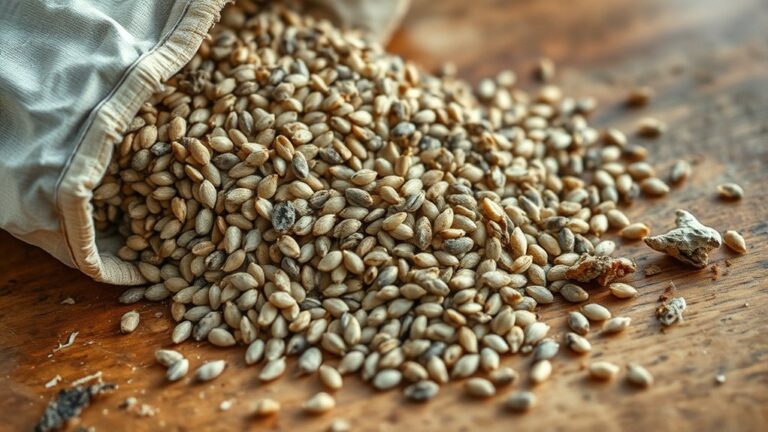
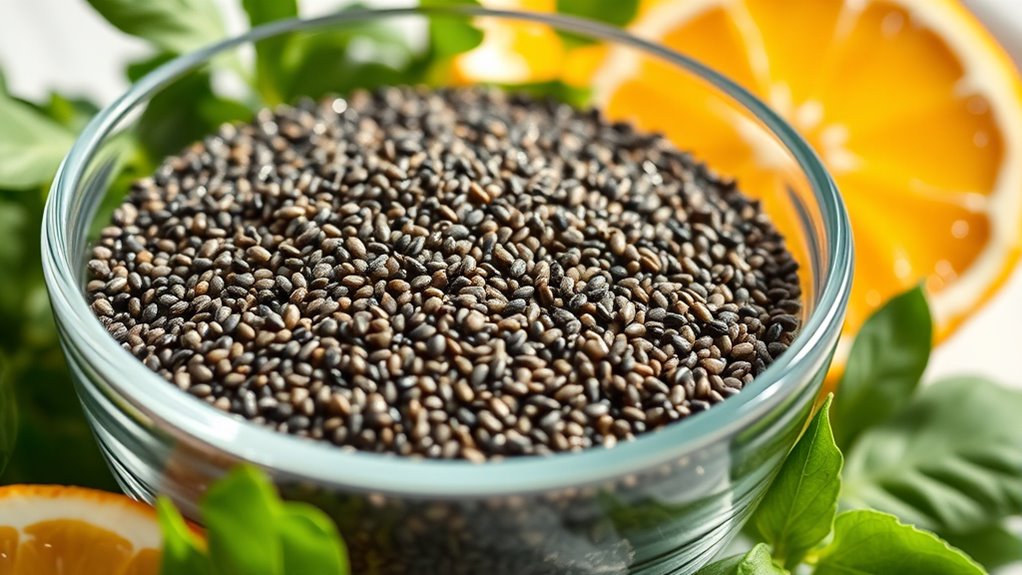
Look for seeds that are dark, shiny, and uniform in size—these signs indicate freshness. Avoid packages with damaged or clumped seeds, as this may mean they’ve been exposed to moisture or are spoiled.
Storing your seeds properly is just as important. Keep them in an airtight container in a cool, dark place away from sunlight. This helps prevent oxidation and keeps them fresh longer.
If you buy in bulk, try dividing the seeds into smaller portions. This way, you minimize air exposure each time you open the container.
Frequently Asked Questions
Can Chia Seeds Cause Allergies or Adverse Reactions?
Chia seed allergies and sensitivity are possible, though rare. If you have a history of seed allergies, you might experience reactions like itching, swelling, or difficulty breathing.
Always start with small amounts to test your tolerance and watch for any symptoms. If you notice any adverse reactions, stop eating chia seeds and talk to a healthcare professional.
Being aware of chia seed allergies helps you enjoy their benefits safely.
Are There Any Interactions Between Chia Seeds and Medications?
Ever wonder if chia seed interactions could affect your medication effects? Yes, they can. Chia seeds are high in fiber and omega-3s, which might influence how your body absorbs certain medicines.
If you’re on blood thinners or blood sugar medications, it’s a good idea to check with your doctor before adding chia seeds to your diet. Careful consideration guarantees you enjoy their benefits without interfering with your treatment.
How Much Chia Seed Is Safe to Consume Daily?
You should aim for about 1 to 2 tablespoons of chia seeds daily, which is generally safe for most people. This amount provides healthy omega-3s, fiber, and protein without going overboard.
Make sure to drink plenty of water when you consume chia seeds, since their high fiber content can cause digestive discomfort if you eat too much at once.
Sticking to the recommended serving helps you enjoy the benefits without any issues.
Do Chia Seeds Have Any Effects on Blood Sugar Levels?
Chia seeds can positively affect blood sugar regulation by slowing carbohydrate absorption, which helps prevent spikes after meals. Their fiber content and healthy fats contribute to stable blood glucose levels, making them beneficial for managing diabetes or insulin sensitivity.
Incorporating chia seeds into your diet offers numerous benefits that support overall metabolic health. Just remember to consume them in moderation and drink plenty of water for the best effects.
Are Organic Chia Seeds More Beneficial Than Non-Organic Ones?
Think of organic chia seeds as a treasure chest of nutrition, bursting with pure goodness. Organic farming practices help preserve their natural energy, making these seeds more beneficial than non-organic options.
They often keep higher nutritional value and are free from pesticides and synthetic chemicals. By choosing organic, you’re nourishing your body with the most wholesome chia seeds.
This makes your health journey more vibrant and flavorful.
Conclusion
In the end, incorporating chia seeds into your diet is a smart move for overall health. They’re versatile, packed with nutrients, and support digestion, heart health, and weight management.
Just remember, even the best ingredients won’t work miracles if you’re not consistent. So, don’t put all your eggs in one basket—balance your diet, stay active, and enjoy chia seeds as part of your healthy lifestyle.
It’s all about making small changes that add up over time. Adding chia seeds can be a simple step toward better health, so why not give it a try?