Health Benefits of Pumpkin Seeds: Are They Good for Dogs?
Many dog owners want to give their furry friends healthy treats but worry about what’s safe and beneficial.
If you’re looking for a natural option, pumpkin seeds might be just what you need.
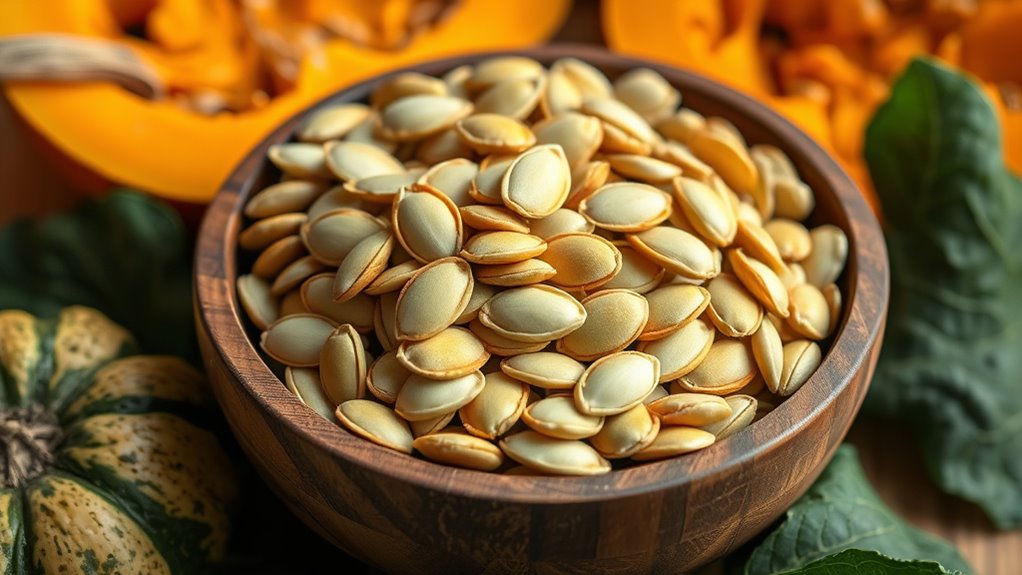
Pumpkin seeds can be a healthy treat for your dog when given in moderation. They’re rich in healthy fats, protein, vitamins like E, and minerals such as zinc, which support skin, coat, immune health, and reduce inflammation.
Proper preparation—removing shells and offering small portions—helps guarantee safety and digestion.
If you want to find out how to give pumpkin seeds safely and maximize their benefits for your dog, keep exploring the details below.
Key Takeaways
- Pumpkin seeds are packed with healthy fats that help keep your dog’s skin and coat shiny and healthy.
- They also contain essential nutrients like zinc and vitamin E, which support a strong immune system.
- The fiber in pumpkin seeds aids digestion and helps maintain good gut health for your dog.
- Omega-3 and omega-6 fatty acids in the seeds can reduce inflammation and boost brain function.
- When prepared properly and given in moderation, pumpkin seeds can be a tasty and nutritious treat for your dog.
Are Pumpkin Seeds Safe and Healthy for Dogs?
Pumpkin seeds can be a safe and healthy treat for dogs when given in moderation, but it’s important to understand their potential benefits and risks. Some dogs may have pumpkin seed allergies, which can cause itching, swelling, or digestive upset. Before offering seeds, check for any adverse reactions and consult your vet if you’re unsure.
When fed properly, pumpkin seeds can support your dog’s digestive health by providing fiber that helps with regularity and gut function. However, too many seeds can lead to stomach upset or constipation, so moderation is key.
Always remove the shells if possible, as they can be difficult for some dogs to digest. Keep in mind that seeds should only be an occasional treat, not a regular part of their diet.
What Nutrients in Pumpkin Seeds Help Keep Your Dog Healthy?
Pumpkin seeds are full of healthy fats that are great for your dog’s skin and coat, helping them stay shiny and strong. They also contain a good amount of protein, which is important for building and repairing muscles. Plus, the essential vitamins found in pumpkin seeds, like vitamin E and zinc, give your dog’s immune system a nice boost and support their overall health.
Rich in Healthy Fats
Healthy fats are a key nutrient in pumpkin seeds that support your dog’s overall well-being. These fats provide energy, promote healthy skin and coat, and aid in digestion benefits. Including pumpkin seeds in moderation can help maintain your dog’s wellness.
The healthy fats in pumpkin seeds include omega-3 and omega-6 fatty acids, which are essential for a balanced diet. They also help reduce inflammation and support brain health. To get the most benefits, consider adding pumpkin seeds as a supplement to your dog’s meals.
- Support for a shiny coat and healthy skin
- Anti-inflammatory properties
- Improved brain function
- Enhanced digestion benefits
- Energy boost for daily activity
Packed With Protein Power
Since protein is vital for your dog’s muscle development, immune function, and overall vigor, incorporating nutrient-rich foods like pumpkin seeds can make a noticeable difference. Pumpkin seeds are a strong protein source, offering essential amino acids that support tissue repair and growth.
Including them in your dog’s diet provides significant dietary benefits, helping maintain healthy muscles and a robust immune system. Their protein content complements other sources of protein, ensuring your dog gets a well-rounded nutrient intake.
Pumpkin seeds are easy to add as a treat or supplement, making them a convenient way to boost your dog’s protein intake naturally. Just remember to serve them in moderation to avoid overfeeding and keep your dog healthy.
Loaded With Essential Vitamins
Loaded with essential vitamins, pumpkin seeds give your dog a natural boost to their health by providing key nutrients that support various functions. These seeds are packed with vitamin E, B-vitamins, and zinc, which help boost immunity and energy metabolism.
The vitamins also aid in nutrient absorption, making sure your dog gets the most out of their diet. Adding pumpkin seeds can improve their skin and coat while supporting overall well-being.
Their nutrient profile makes them a smart addition to your dog’s diet. Just remember, moderation is important to avoid overdoing it. You can give pumpkin seeds as a healthy treat or mix them into meals for extra vitamin benefits.
This simple addition can help keep your dog healthy and support their active lifestyle.
How to Prepare Pumpkin Seeds for Your Dog Safely
Before offering pumpkin seeds to your dog, it’s important to prepare them properly to keep your pet safe. Start by removing the shells, since they can be hard for your dog to digest and might cause choking.
Remove shells and roast pumpkin seeds plain for a safe, healthy dog snack.
Rinse the seeds thoroughly to wash away dirt or debris. To make them easier to digest and tastier, roast the seeds without any salt, spices, or oils—plain roasting works best.
Bake the seeds at 350°F for about 15-20 minutes until they’re golden. Once cooled, chop or crush the seeds into smaller pieces, especially for smaller dogs.
This helps make the seeds easier to eat and reduces the risk of choking. Adding these prepared seeds to your dog’s diet makes for a healthy, dog-friendly snack.
Always start with small amounts and watch your dog for any adverse reactions before giving larger portions.
How Pumpkin Seeds Support Digestion and Boost Immunity in Dogs
Pumpkin seeds are packed with nutrients that can actively support your dog’s digestion and strengthen their immune system. They contain fiber, zinc, and antioxidants that promote digestive health by helping with nutrient absorption and reducing inflammation.
These nutrients also help boost your dog’s immune defenses, making it easier for them to fend off illnesses and recover faster. Adding pumpkin seeds to your dog’s diet can provide:
- Dietary fiber to keep bowel movements regular
- Zinc for immune cell function
- Antioxidants to fight free radicals
- Magnesium for overall metabolic health
- Phytosterols that help reduce inflammation
Can Pumpkin Seeds Improve Your Dog’s Skin and Coat?
The nutrients in pumpkin seeds don’t just help with digestion and immunity—they can also give your dog’s skin and coat a boost. Rich in omega fatty acids, zinc, and antioxidants, pumpkin seeds help keep skin hydrated and make the coat shine.
These nutrients can reduce dryness, flakiness, and dullness, giving your dog’s coat a healthy, vibrant look. Imagine your dog’s coat as a shiny, smooth surface, like this:
| Skin Hydration | Coat Shine | Nourishment Effect |
|---|---|---|
| Keeps skin moist | Reflects light | Brings out natural luster |
| Reduces dryness | Enhances gloss | Strengthens hairs |
| Prevents flakiness | Boosts vibrancy | Supports overall health |
Feeding pumpkin seeds is an easy way to improve your dog’s skin and coat from the inside out. It helps them look and feel their best every day.
How Much Pumpkin Seeds Should You Feed Your Dog?
When it comes to feeding pumpkin seeds to your dog, it’s best to start with small amounts and see how they respond. A good rule of thumb is giving about a teaspoon or two per day for small dogs. For larger dogs, you can go a bit higher—maybe a tablespoon or more.
Just remember, it’s better to give pumpkin seeds occasionally rather than every day. This way, you can avoid giving too much and ensure your pup stays healthy and happy.
Appropriate Serving Sizes
Feeding your dog the right amount of pumpkin seeds is key to helping them enjoy the health benefits without going overboard. Stick to proper guidelines and serving suggestions to keep your pet safe.
Generally, small dogs should get about half a teaspoon to one teaspoon daily, while larger dogs can handle one to two tablespoons. Overfeeding can lead to digestive issues, so moderation is important.
Use raw, unsalted pumpkin seeds and remove shells if your dog has sensitive digestion. You can mix the seeds into their regular food to make it easier.
Limit treats to prevent excess calories, and adjust the amount based on your dog’s size and health condition. Always check with your vet for personalized advice to ensure your dog can safely enjoy pumpkin seeds.
Frequency of Feeding
Determining how often to give pumpkin seeds to your dog depends on their overall diet and health needs. Usually, moderation is key to avoid overfeeding and keep portions appropriate.
For most dogs, a few times a week is enough. Adjust the frequency based on your dog’s size, age, and health. Smaller dogs should get fewer seeds, while bigger dogs can have a bit more.
Here’s a simple table to guide you:
| Dog Size | Feeding Frequency | Portion Control (per serving) |
|---|---|---|
| Small | 2-3 times/week | 1 teaspoon |
| Medium | 2-4 times/week | 1 tablespoon |
| Large | 3-5 times/week | 2 tablespoons |
| Extra Large | 3-6 times/week | 3 tablespoons |
What Are the Risks and Precautions When Giving Pumpkin Seeds to Dogs?
While pumpkin seeds can be good for dogs, it’s important to know there are some risks and take precautions. Giving your dog pumpkin seeds in moderation is key because too much can upset their stomach or cause diarrhea.
Some dogs might have allergic reactions, which could show up as itching, swelling, or trouble breathing. To keep your dog safe, consider these tips:
Always remove the shells to prevent choking.
Start with small amounts to see how your dog reacts.
Avoid salted, flavored, or roasted seeds with spices.
Talk to your vet before adding pumpkin seeds to your dog’s diet.
Watch your dog closely for any signs of allergies or stomach issues after feeding.
Signs Your Dog Might Be Sensitive to Pumpkin Seeds
Ever wonder if your dog is reacting negatively to pumpkin seeds? Some dogs can develop sensitivities, showing signs like allergic reactions, digestive issues, behavioral changes, or skin irritations. If you notice your dog scratching excessively, licking paws, or developing rashes, these could be signs of a skin irritation.
Digestive issues such as vomiting, diarrhea, or constipation might also indicate a sensitivity. Behavioral shifts like increased agitation or lethargy are additional clues.
| Symptom | Possible Cause | Action to Take |
|---|---|---|
| Skin irritations | Allergic reaction to pumpkin seeds | Consult your vet immediately |
| Vomiting | Digestive upset | Stop feeding pumpkin seeds |
| Diarrhea | Digestive issues | Monitor and hydrate your dog |
| Lethargy | Behavioral change | Seek veterinary advice |
| Excessive licking | Skin irritation or allergy | Remove pumpkin seeds and observe |
If you see any of these signs, reduce or eliminate pumpkin seeds and contact your vet promptly.
Tips for Adding Pumpkin Seeds to Your Dog’s Diet Safely
To safely add pumpkin seeds to your dog’s diet, start with small amounts and watch how your pup reacts. This helps you spot any allergies or sensitivities while enjoying the benefits of pumpkin seeds. Always choose plain, unsalted, and unseasoned seeds to avoid harmful additives.
Proper preparation is important: grind or crush the seeds to make digestion easier and help your dog absorb nutrients better. Gradually increase the amount over time, keeping an eye out for any negative reactions.
For best results, consider these tips: introduce pumpkin seeds slowly, starting with a teaspoon or less. Mix crushed seeds into your dog’s regular food for easy consumption. Use raw or roasted seeds without added flavors or salt.
Before making big dietary changes, check with your veterinarian. And remember, keep portion sizes suitable for your dog’s size and weight. Following these simple steps helps you give your canine companion the pumpkin seed benefits safely.
Frequently Asked Questions About Pumpkin Seeds for Dogs
Many dog owners find themselves asking whether pumpkin seeds are safe for their furry friends and how much they should give. It’s totally normal to be curious about the best ways to prepare them and what the proper serving sizes are. So, let’s dive into these common questions and figure out how to safely include pumpkin seeds in your dog’s diet.
Are Pumpkin Seeds Safe?
Are pumpkin seeds safe for dogs? Generally, yes, but you should be cautious. Pumpkin seed toxicity is rare, but overfeeding can cause digestive issues or blockages.
Some dogs may have allergies to pumpkin seeds, which can cause symptoms like itching or swelling. To keep your dog safe:
- Always give plain, unsalted pumpkin seeds.
- Avoid seeds with added flavorings or seasonings.
- Remove shells if your dog has trouble digesting them.
- Watch for signs of allergic reactions.
- Talk to your vet before adding them to your dog’s diet.
While pumpkin seeds are nutritious, moderation is key. Keep an eye on your dog’s response, and if you notice any adverse reactions, stop giving seeds and get professional advice.
Proper Serving Sizes
Determining the right amount of pumpkin seeds for your dog can seem tricky, but keeping portion sizes in check is essential for their safety and health.
Generally, a small dog should have about one teaspoon of pumpkin seeds daily, while larger dogs can handle one to two tablespoons. Always prioritize portion control to prevent digestive issues or weight gain.
It’s best to introduce pumpkin seeds gradually and observe how your dog responds. Remember, treats and snacks should only make up a small part of their diet, so use serving sizes to avoid overfeeding.
When in doubt, consult your veterinarian for personalized advice based on your dog’s size, age, and health. Proper serving sizes help your dog enjoy the benefits of pumpkin seeds safely.
Preparation Tips for Dogs
Before offering pumpkin seeds to your dog, it’s important to prepare them properly to ensure they’re safe and easy to digest. Start by removing the shells, as they can be tough for dogs to chew and digest.
Next, roast the seeds lightly without oil or seasoning to improve flavor and safety. Consider experimenting with simple pumpkin seed recipes to create healthy dog treats that your pet will enjoy.
To confirm safety and get the most benefits, follow these tips:
- Always remove shells before giving seeds to your dog
- Roast seeds at 350°F for about 10 minutes
- Avoid adding salt, spices, or flavorings
- Break larger seeds into smaller, manageable pieces
- Store prepared seeds in an airtight container for freshness
Proper preparation helps your dog enjoy pumpkin seeds safely and deliciously.
Frequently Asked Questions
Can Pumpkin Seeds Help With My Dog’s Weight Management?
Pumpkin seeds can support your dog’s weight loss because they’re packed with nutrition like healthy fats and fiber. These nutrients can help your dog feel full longer, which might make it easier to manage their weight.
Adding small amounts of pumpkin seeds to your dog’s diet could help with weight management. But remember, moderation is important. Always check with your vet before giving them pumpkin seeds.
Your vet can confirm if pumpkin seeds are a good fit for your dog’s overall health plan and help you avoid overfeeding.
Are There Any Specific Pumpkin Seed Types Better for Dogs?
You should choose plain, raw, or roasted pumpkin seeds without added salt or flavorings for your dog. These types offer the best nutritional value, providing essential nutrients like magnesium and zinc.
Always prepare the seeds by removing shells if necessary and serving in moderation. Avoid seasoned or flavored seeds, as they can contain ingredients harmful to dogs.
Proper seed preparation guarantees your pet safely enjoys these healthy treats.
How Often Should I Give Pumpkin Seeds to My Dog?
You should give your dog pumpkin seeds in moderation, about once or twice a week, to support their digestive health. Keep the pumpkin seed dosage small—around a teaspoon for small dogs and a tablespoon for larger ones.
Too many can cause digestive upset or weight gain. Always offer them plain, unsalted seeds, and watch your dog for any adverse reactions.
It’s a good idea to check with your vet for personalized advice.
Can Pumpkin Seeds Replace Traditional Dog Supplements?
Pumpkin seeds can’t replace traditional dog supplements because they don’t provide all the essential nutrients, vitamins, and minerals your dog needs.
While pumpkin seed nutrition supports canine digestive health and offers fiber, antioxidants, and healthy fats, it’s only part of a balanced diet.
Think of pumpkin seeds as a beneficial addition, not a substitute, ensuring your dog gets thorough nutrition for overall health and well-being.
Are There Any Age Restrictions for Feeding Pumpkin Seeds to Dogs?
Yes, there are age restrictions for feeding pumpkin seeds to dogs. For puppies, it’s best to introduce pumpkin seeds gradually and focus on their safety, making sure they’re suitable for their developing digestive systems.
For senior dogs, think about factors like dental issues or sensitivities that might come with age. Always check with your vet before adding pumpkin seeds to your dog’s diet, especially if your dog has health problems or special needs related to age.
Conclusion
Just as the phoenix rises from ashes, your dog can thrive with the right nutrition. Pumpkin seeds, when given safely, can be a powerful boost to their health—supporting digestion, immunity, and a shiny coat.
But remember, moderation is key, and watching for sensitivities is essential. With a little care, you can help your beloved companion soar to new heights of wellness.
Turning everyday treats into a secret weapon for their well-being is easier than you think. Including pumpkin seeds in your dog’s diet can be a simple way to promote their health and happiness.