Understanding the Vegetative Stage: Key Facts and Insights
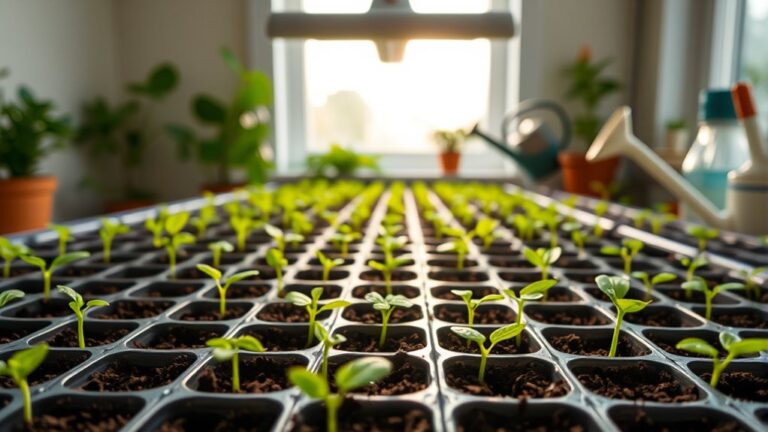
The vegetative stage is a crucial phase in a plant’s life cycle where it focuses on growing leaves, stems, and roots rather than flowers or fruit. During this period, plants increase in size and biomass to prepare for the reproductive stage. This stage typically follows seed germination and lasts until the onset of flowering.
This phase matters because it lays down the structural foundation for a healthy plant, enabling it to capture sunlight efficiently and absorb water and nutrients. Proper conditions during the vegetative stage, such as sufficient light and nutrients, can directly affect the plant's productivity and resistance to stress.
This article will explore the characteristics of the vegetative stage, the environmental requirements for optimal growth, common challenges growers face, and how this stage fits within the broader context of plant growth stages.
What Happens During the Vegetative Stage
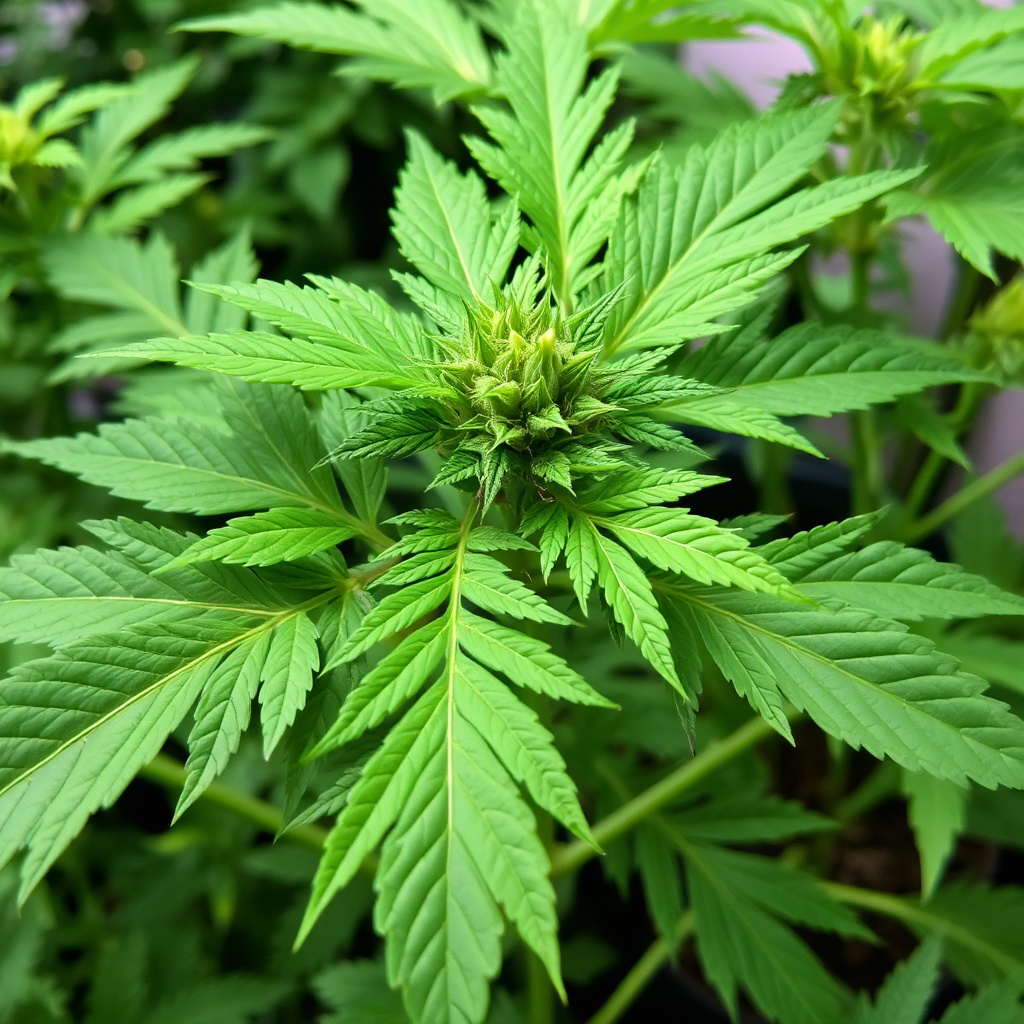
Leaf and Stem Development
During the vegetative stage, plants focus on producing new leaves and thickening stems to maximize photosynthesis capacity. The structure built during this phase directly supports nutrient transport and future reproductive efforts.
Leaves grow larger and increase in number while stems strengthen to support an increasing biomass. This expansion enables the plant to harvest more sunlight, which fuels its growth until flowering begins.
Root System Expansion
Roots grow extensively in the vegetative stage to anchor the plant securely and absorb more water and nutrients from the soil. A larger root system is critical for supporting the increased demands of the growing foliage above ground.
Healthy root development requires well-aerated soil with adequate moisture and nutrients, which help plants establish a strong base before entering the flowering phase.
Environmental Factors Influencing the Vegetative Stage
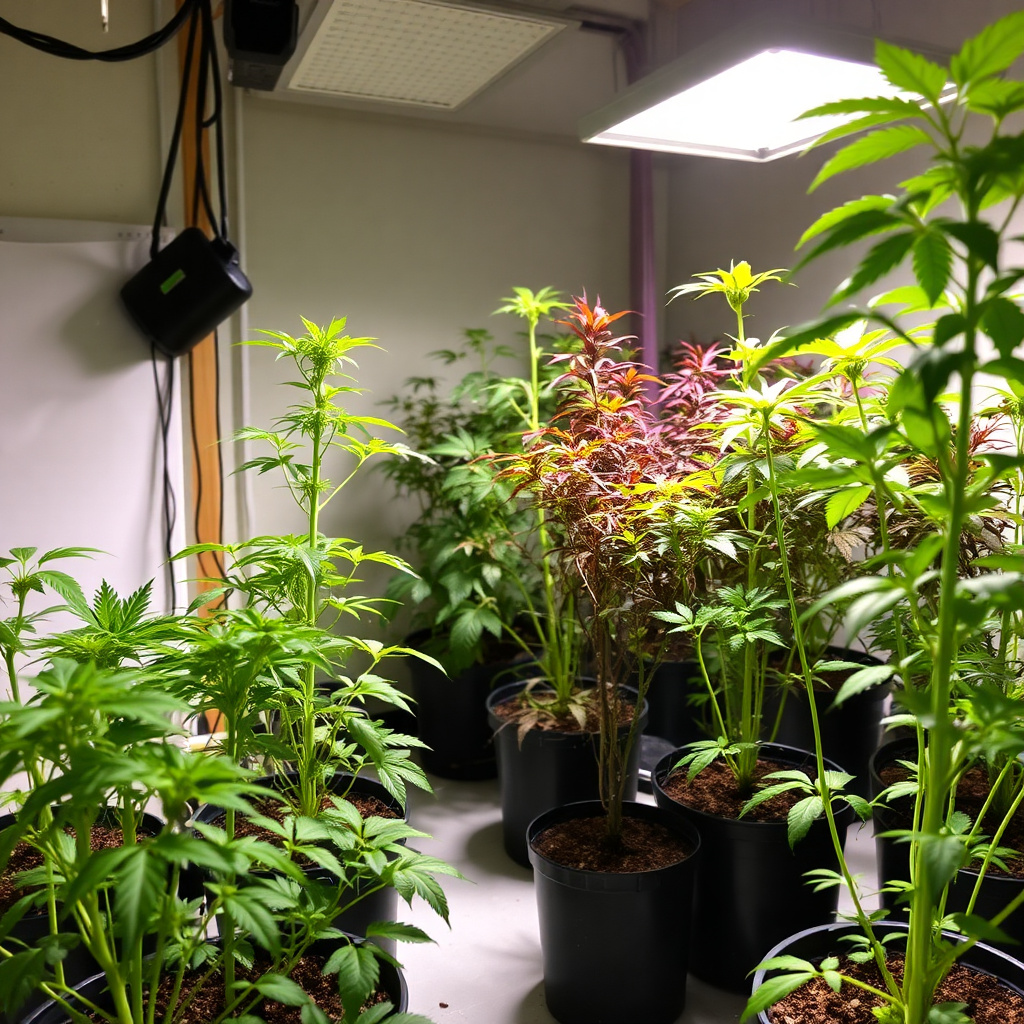
Light Requirements
Plants in the vegetative stage generally need longer light periods, often 16 to 24 hours daily, to simulate summer daylight conditions, which encourage growth. Intensity and quality of light impact photosynthesis, influencing how robust the plant becomes.
Artificial lighting such as LED or HID bulbs is commonly used indoors to maintain consistent light cycles and promote dense vegetative growth.
- 16–24 hours of light per day
- High light intensity enhances growth rate
- Full spectrum or blue spectrum light is preferable
For more on this, see our related guide: Understanding Cannabis Plant Growth Stages: A Complete Guide.
Nutrient Needs
During the vegetative stage, plants require higher levels of nitrogen, which supports leaf and stem growth. Balanced feeding with other essential nutrients like phosphorus and potassium is also necessary for healthy development.
Nutrient deficiencies at this stage can lead to stunted growth, weak stems, or poor leaf color, which compromises future flowering and yield.
- Nitrogen-rich fertilizers
- Consistent watering combined with nutrient feeding
- Monitoring nutrient levels to avoid toxicity or deficiency
Understanding the Vegetative Stage in Plant Growth Stages
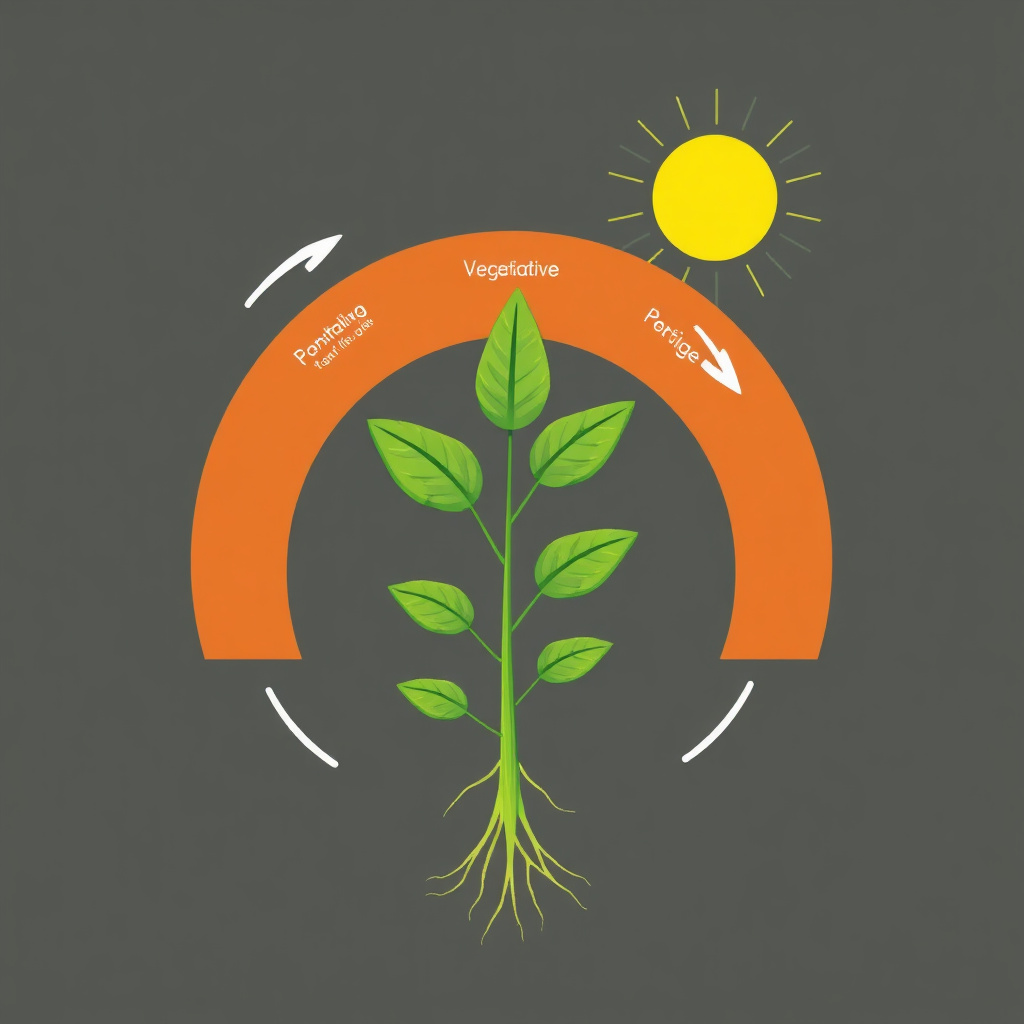
Position in the Plant Life Cycle
The vegetative stage sits between germination and the reproductive stage in plant growth stages. It is the period when plants focus on building their structural components before developing flowers or fruits.
Recognizing this phase allows growers to adjust care and environmental conditions to maximize growth potential before plants shift energy towards reproduction.
Transition to the Flowering Stage
The shift from vegetative to flowering typically depends on changes in light duration or plant maturity. In many species, shorter daylight triggers flowering signals, redirecting energy from leaf growth to flowers.
Understanding this transition helps in timing nutrient adjustments and environmental conditions to support flowering and maximize yield.
Common Challenges During the Vegetative Stage
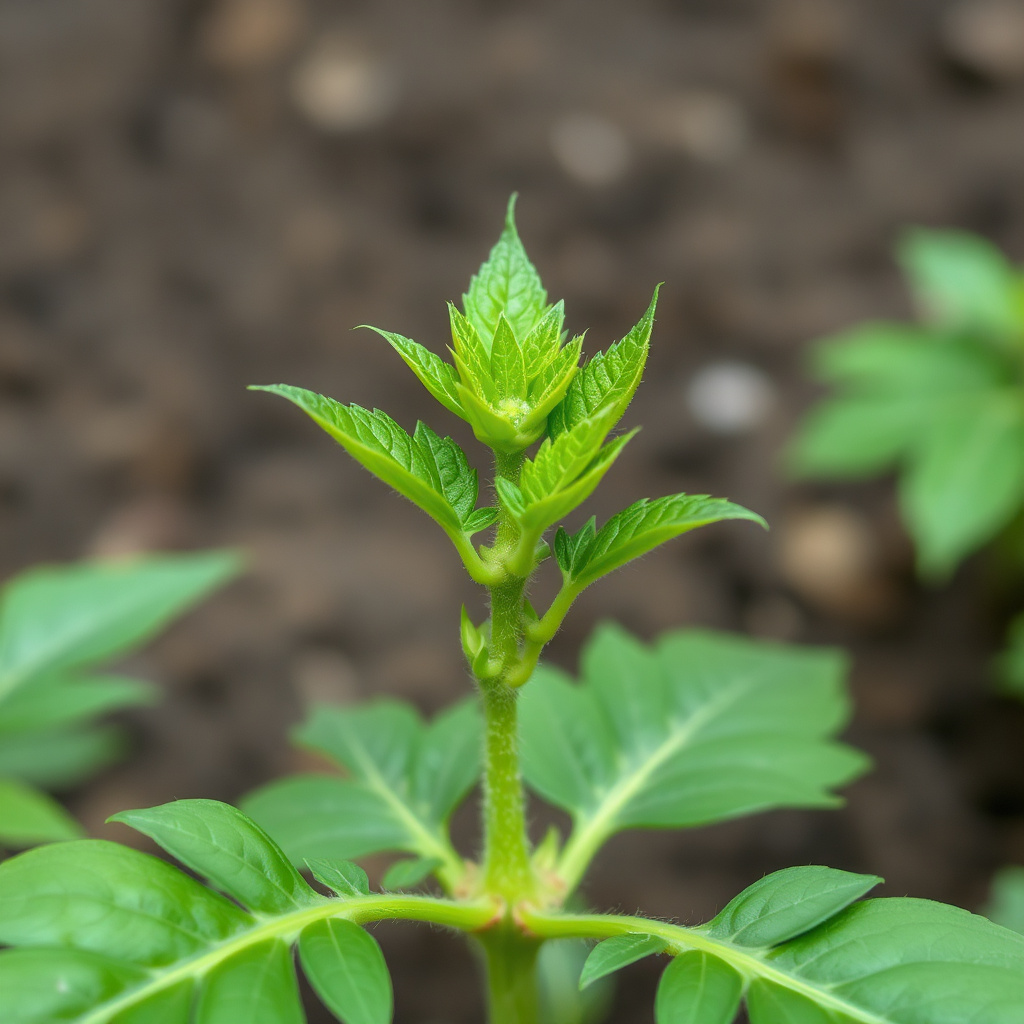
Pest and Disease Risks
Plants in the vegetative stage can be vulnerable to pests like aphids and spider mites that feed on tender new growth. Fungal infections might also develop if humidity and airflow are poorly managed.
Early detection and intervention are key to preventing damage that can stunt growth or lead to poor health during later stages.
- Watch for insects on undersides of leaves
- Maintain good airflow and moderate humidity
- Use organic or chemical treatments as needed
For more on this, see our related guide: How to Determine the Perfect Cannabis Harvest Time for Best Results.
Nutrient Imbalances
Overfeeding or nutrient deficiencies commonly occur during vegetative growth, leading to yellowing leaves, burnt tips, or slowed development. Balancing fertilizer application with soil tests guides healthier plant growth models.
A consistent feeding schedule adjusting nutrient ratios as plants mature helps avoid common issues.
- Symptoms include leaf discoloration or spots
- Adjust fertilizer ratio based on plant response
- Regular monitoring improves early problem detection
Techniques to Enhance Vegetative Growth
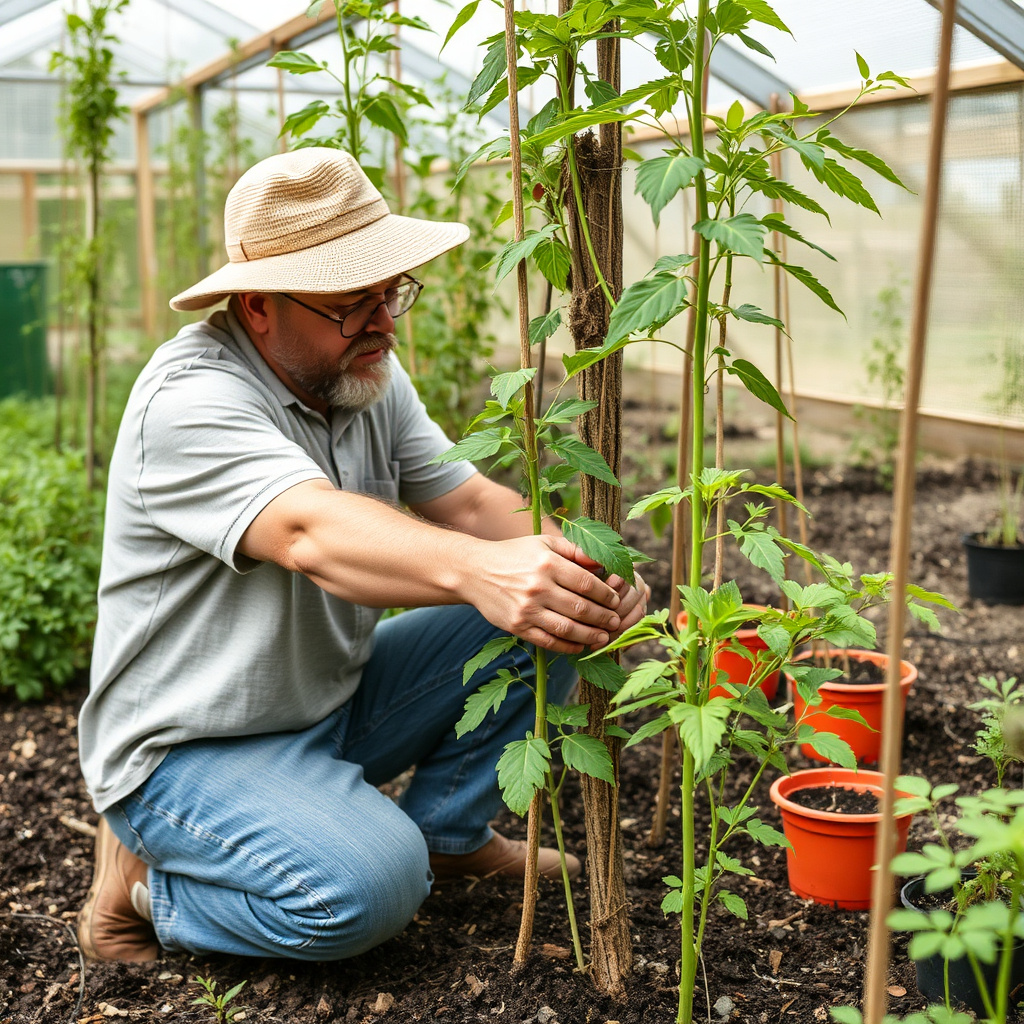
Training Methods
Growers use training techniques such as topping, pruning, and low-stress training to shape plants during the vegetative stage. These methods encourage multiple growth sites and better light penetration.
Training helps balance canopy size and promotes airflow, supporting stronger, bushier plants ready for flowering.
- Topping removes main shoot tops to encourage branching
- Low-stress training bends stems to distribute light
- Pruning removes unnecessary leaves to improve airflow
For a detailed overview of plant development stages, including the vegetative phase, visit this authoritative resource. vegetative stage of plant growth.
Environmental Control
Maintaining stable temperature, humidity, and CO2 levels boosts vegetative growth efficiency. Automated systems help replicate natural conditions favorable to leaf and stem expansion.
For example, slightly higher humidity supports young plants, while temperature in the 70-85°F (21-29°C) range is ideal for rapid growth.
- Temperature between 70-85°F (21-29°C)
- Humidity levels 50–70% during vegetative growth
- CO2 supplementation can increase growth rates indoors
Comparison of Vegetative Stage Growth Conditions
Below is a table comparing various environments and their typical effects on vegetative stage growth parameters.
| Environment | Light Duration (hours) | Temperature Range (°F) | Humidity (%) | Typical Growth Rate |
|---|---|---|---|---|
| Indoor Grow Room | 18-24 | 70-80 | 50-70 | Fast |
| Outdoor Spring Season | 12-16 | 60-75 | 40-60 | Moderate |
| Greenhouse | 16-20 | 68-85 | 50-70 | Fast |
| Low Light Indoor | 12-14 | 65-75 | 45-55 | Slow |
| Desert Environment | 14-16 | 75-95 | 10-30 | Very Slow |
Frequently Asked Questions
How long does the vegetative stage last?
The vegetative stage duration varies by species and environmental conditions but typically lasts from a few weeks up to several months before flowering begins.
Can plants flower during the vegetative stage?
No, flowering generally does not occur during the vegetative stage because plants focus solely on growing structural parts; flowering is a separate reproductive phase.
What nutrients are most important in the vegetative stage?
Nitrogen is the most crucial nutrient during the vegetative stage as it supports leaf and stem growth, while phosphorus and potassium also play supporting roles.
How can I tell if a plant is in the vegetative stage?
Plants in the vegetative stage exhibit rapid leaf and stem growth without any signs of flower or fruit development.
Does light duration affect the vegetative stage?
Yes, longer daylight hours usually extend the vegetative stage by promoting growth, while shorter light cycles can trigger the transition to flowering.
Key Takeaways
- The vegetative stage is focused on leaf, stem, and root growth before flowering.
- Proper light, nutrients, and environment support strong vegetative development.
- Recognizing and managing this stage impacts overall plant health and yield.
- Training and pest control during vegetative growth improve later performance.
Conclusion
Understanding the vegetative stage is fundamental for anyone working with plants, as it sets the foundation for the entire growth cycle. This phase’s focus on structural expansion—through rapid leaf, stem, and root development—determines a plant’s ability to photosynthesize and uptake nutrients, affecting health and productivity later on. Recognizing this stage and adjusting care accordingly, such as providing sufficient light and nutrients, supports vigorous growth and prepares plants for successful flowering.
For growers, tailoring conditions during the vegetative stage is an opportunity to optimize plant structure. Indoor growers often provide 18-24 hours of light to maximize photosynthesis, use nitrogen-rich fertilizers to fuel leaf growth, and apply training techniques like topping to promote bushiness. Outdoor growers monitor seasonal daylight and nutrient availability to time transitions appropriately. Greenhouses can combine both strategies by controlling environment factors to extend this growth phase effectively.
As a practical next step, observing your plants carefully to identify their vegetative stage traits—robust leaves and stems without flowers—is key. From there, focus on maintaining steady, adequate light schedules along with consistent watering and nutrient delivery. Incorporating gentle training methods and monitoring for pests can further enhance development. Developing familiarity with this stage will equip you to guide plants through a strong vegetative phase, yielding healthier final results.