How Many Calories Are in Chia Seeds?
Are you trying to include healthy foods like chia seeds in your diet but worried about the calories? You’re not alone—many people struggle with balancing nutrition and calorie intake.
Understanding how many calories are in chia seeds can help you enjoy their benefits without overdoing it.
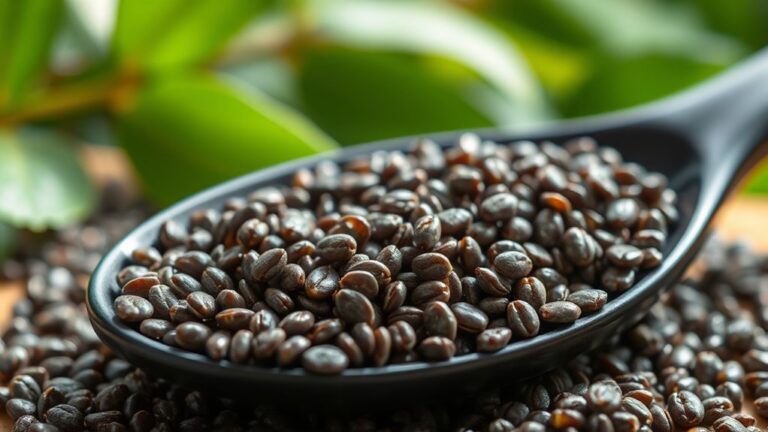
A standard serving of chia seeds, which is 2 tablespoons or about 28 grams, contains approximately 137 calories. If you eat a smaller amount, like 1 tablespoon, you’ll consume around 68 calories.
Portion control is key to managing your calorie intake, especially since larger servings add more calories proportionally.
Want to uncover how to enjoy chia seeds healthily and without excess calories? Keep exploring; you’ll find helpful tips and ideas ahead.
Key Takeaways
- One standard serving of chia seeds (2 tablespoons or 28 grams) has about 137 calories.
- The calorie count goes up or down depending on how much you use; smaller portions have fewer calories.
- Measuring out chia seeds helps you keep track of calories and avoid overeating.
- Adding chia seeds to your meals boosts nutrients without adding many calories if you watch the portions.
- How you prepare them, like soaking or topping, can change the total calorie content a bit.
How Many Calories Are in a Standard Serving of Chia Seeds?
A standard serving of chia seeds is about 2 tablespoons, which weighs around 28 grams. This small amount provides roughly 137 calories, making it a nutrient-dense choice.
When you add chia seeds to your diet, you’re not just increasing calories—you’re boosting your nutrient absorption. The high fiber content slows digestion, helping your body absorb nutrients more gradually.
Plus, the healthy fats in chia seeds support your heart and help reduce inflammation. These tiny seeds pack a lot of benefits, including omega-3s, protein, and essential minerals.
Incorporating a serving into your meals can improve digestion and give you sustained energy. Whether sprinkled on yogurt, blended into smoothies, or mixed into oatmeal, chia seeds are a simple way to enhance your nutrition.
This small seed offers big nutritional value in every serving, helping you boost your overall health with ease.
What Nutrients Are in Chia Seeds Besides Calories?
Chia seeds are packed with a variety of essential nutrients that go far beyond their calorie content. Their nutrient profile offers incredible health benefits, making them a superfood choice. You get a rich mix of:
Chia seeds are nutrient-dense superfoods offering essential fats, fiber, protein, and minerals for optimal health.
- Omega-3 fatty acids that support heart health and reduce inflammation.
- Dietary fiber that aids digestion and promotes a feeling of fullness.
- Protein with all nine essential amino acids, helping with muscle repair and growth.
In addition, chia seeds contain crucial minerals like calcium for strong bones, magnesium for energy production, and phosphorus for cell repair. They’re also a good source of antioxidants, which help fight free radicals and reduce oxidative stress. This nutrient combination makes chia seeds a versatile addition to your diet, boosting overall health and supporting wellness. Their impressive nutrient profile emphasizes their role in a balanced diet, giving you more than just calories—they deliver essential components for your body’s peak functioning.
How Do Serving Sizes Impact Chia Seeds’ Calorie Count?
When you change your serving size, it really affects how many calories you’re actually getting from chia seeds. If you opt for a smaller portion, you’re taking in fewer calories, which can be helpful if you’re watching your intake. On the other hand, bigger servings mean more calories because you’re consuming more of the seeds.
Getting a good handle on these differences can really help you manage your calorie count better. So, paying attention to how much chia seeds you’re adding can make a big difference in your overall diet.
Portion Size Variations
The amount of chia seeds you consume directly influences their calorie content, making portion sizes a key factor to evaluate. When practicing portion control, think about how different serving sizes impact your calorie intake.
For example, a small tablespoon of chia seeds can be sprinkled onto yogurt, creating a crunchy topping. A larger portion, like a quarter cup, can be soaked into a pudding for a more filling snack.
Visualize a teaspoon measuring out a small, manageable amount, or a half-cup bowl ready for smoothies. You can also sprinkle a tablespoon of seeds over salads or cereals.
These serving ideas help you enjoy chia seeds while managing calories effectively. Adjusting portion sizes ensures you get the nutritional benefits without overeating.
Calorie Density Changes
Because serving sizes vary, so does the calorie density of chia seeds. Larger portions contain more calories without changing their nutritional makeup.
This means your calorie intake can fluctuate directly with how much you eat. When you increase your portion size, you’ll consume more calories, impacting your daily nutritional balance.
But the nutritional content per gram stays the same, so the overall impact remains consistent. Smaller servings have fewer calories, making it easier to control your intake if you’re watching your diet.
Understanding this relationship helps you see how serving sizes affect your calories. It lets you enjoy chia seeds without accidentally overeating.
Ultimately, adjusting your portion size helps you manage calorie density while still getting the nutritional benefits.
How Do Chia Seeds’ Calories Compare to Other Superfoods?
When comparing the calorie content of chia seeds to other superfoods, you’ll find that they are relatively low in calories but packed with nutrients. Chia seeds offer a unique mix of superfood benefits and nutritional value, making them a smart addition to your diet. Unlike some superfoods that are calorie-dense, chia seeds provide fiber, omega-3s, and protein without piling on calories.
Chia seeds are low-calorie, nutrient-packed superfoods rich in fiber, omega-3s, and protein.
Think of chia seeds as tiny, nutrient-rich bursts that blend easily into smoothies, yogurt, or oatmeal. They stand out compared to other superfoods like:
- Flaxseeds, which are slightly higher in calories but similarly rich in omega-3s.
- Quinoa, offering more calories but serving as a complete protein source.
- Acai berries, packed with antioxidants but containing more sugar and calories.
How Do You Prepare Chia Seeds Without Adding Extra Calories?
Preparing chia seeds without adding extra calories is simple—just soak, blend, or sprinkle them directly onto your foods. You can make a low-calorie chia pudding by soaking seeds in water or unsweetened almond milk overnight, avoiding added sugars or flavor boosters.
For flavor, opt for natural ingredients like fresh fruit or a dash of vanilla instead of high-calorie toppings. Incorporate chia seeds into your meals for nutrient balance and hydration benefits; they expand when soaked, helping with portion control.
Use chia as a snack alternative by sprinkling them over salads, yogurt, or smoothies, which improves flavor without extra calories. Recipe variations can include mixing seeds into oatmeal or homemade energy bars.
The key is to focus on simple preparations that maximize chia’s health benefits without increasing calorie content, ensuring you enjoy their versatility while maintaining your dietary goals.
Can Chia Seeds Fit Into a Weight-Loss or Calorie-Controlled Diet?
Chia seeds can be a valuable addition to a weight-loss or calorie-controlled diet since they are nutrient-dense yet low in calories. Their high fiber content helps you feel full longer, reducing the urge to snack and supporting calorie control. Including chia seeds in your meals can boost satiety and promote weight loss without adding many calories.
Imagine a spoonful of chia seeds thickening your smoothie, making it more satisfying. Sprinkling them over yogurt or salads adds texture and nutrition. Or you could mix them into water or almond milk for a filling, low-calorie drink.
These small seeds help you manage hunger and stay on track with your calorie goals. Their versatility makes it easy to include them in your daily routine, making weight loss more achievable without sacrificing flavor or enjoyment. Chia seeds are a simple, smart way to support your calorie control efforts.
Fun and Easy Ways to Use Chia Seeds Without Overdoing Calories
Looking for fun and easy ways to incorporate chia seeds into your diet without piling on calories? You can add them to delicious recipes that boost nutrition without extra calories. Mix chia seeds into smoothies for added fiber and texture or sprinkle them over breakfast bowls for crunch and health benefits.
They work great as salad toppings, giving your greens a nutritious boost. Or you can fold them into pudding desserts for a satisfying treat. For a quick snack, make energy bites by combining chia seeds with oats and a touch of honey—no baking needed.
You can also stir chia seeds into hydration drinks or water to stay energized and full. These creative snacks are simple, tasty, and low in calories, making them perfect for anyone wanting to enjoy chia seeds without overdoing it. With a little creativity, you’ll find plenty of ways to enjoy chia seeds every day.
How Do Chia Seeds Help You Meet Your Daily Nutrient and Calorie Goals?
- A spoonful of chia seeds turning your smoothie into a nutrient-rich powerhouse.
- Sprinkling them over yogurt adds fiber and healthy fats for sustained energy.
- Mixing into your oatmeal boosts your intake of omega-3s, protein, and antioxidants.
Tips for Eating Chia Seeds Mindfully and Without Excess Calories
To enjoy chia seeds without consuming excess calories, it’s important to practice mindful eating. Focus on paying attention to how much you’re adding to your meals. Using portion control helps prevent overeating, especially since chia seeds are calorie-dense.
Measure your servings with a teaspoon or tablespoon instead of eyeballing amounts. Start with a small portion, like one tablespoon, and gradually increase as you become more aware of how they affect your hunger and energy levels.
Incorporate chia seeds into balanced meals—add them to smoothies, oatmeal, or yogurt—rather than eating large quantities alone. Chewing slowly and savoring the taste also promotes mindful eating habits.
What Should You Keep in Mind When Tracking Calories From Chia Seeds?
When you’re tracking calories from chia seeds, it’s important to keep an eye on the serving sizes. Even a tiny change can make a difference in your total calorie intake, so be precise. Also, remember that the calorie content can vary depending on how you prepare or eat them—like whether you soak them, add them to smoothies, or make chia pudding.
Don’t forget to account for any other ingredients or toppings you add, since those can add extra calories too. Keeping these things in mind will help you get a clearer picture of your overall intake and stay on track with your goals.
Serving Size Importance
Understanding the serving size of chia seeds is important because even small changes can significantly impact your calorie intake. Proper portion control helps you stay within your calorie goals and ensures you’re getting the right nutrients.
To follow effective serving guidelines, remember that a typical serving is about 1 to 2 tablespoons, roughly the size of a ping-pong ball. It’s best to measure your chia seeds with a spoon or scale to avoid accidentally eating too much.
Keep in mind that larger portions can greatly increase calories, so sticking to the recommended serving sizes is key.
Calorie Density Variations
Since chia seeds can vary in their calorie content depending on their form and preparation, it’s important to keep track of these differences to accurately monitor your intake. The calorie density of chia seeds changes based on whether they’re whole, soaked, or ground.
Whole seeds have a slightly lower calorie density because some nutrients are less accessible until they’re broken down. When soaked or ground, nutrient absorption improves, which can slightly increase the calories your body extracts.
Furthermore, preparation methods like blending or mixing with liquids can influence how your body processes the seeds. Being aware of these variations helps you better estimate your calorie intake, especially if you’re tracking for weight management or specific health goals.
Additional Calorie Sources
While tracking the calories from chia seeds, it’s important to consider additional sources that can add to your overall intake. These include toppings, mix-ins, and beverages you add during nutrient timing or calorie counting.
For example, sweeteners like honey or syrup can secretly add calories. High-calorie add-ins such as nuts or shredded coconut also boost energy density. Beverages like smoothies or flavored drinks can contain extra sugars and calories.
Being mindful of these sources helps you accurately assess your total calorie intake. Always think about how these extras fit into your overall diet plan, especially when timing meals for better nutrient absorption or managing calorie limits.
Recognizing all calorie sources ensures you stay in control of your nutritional goals.
Frequently Asked Questions
Are There Any Health Risks Associated With Consuming Too Many Chia Seeds?
Eating too many chia seeds can cause digestive issues like bloating or constipation, especially if you don’t drink enough water.
You should practice portion control because excess seeds might interfere with nutrient absorption or cause discomfort.
Also, their hydration effects can be overwhelming if you consume large amounts without enough fluid.
Moderation helps you enjoy chia seeds’ benefits while avoiding potential health risks.
Can Chia Seeds Be Used as a Calorie Substitute in Recipes?
Chia seeds can serve as a calorie substitute in recipes, thanks to their high caloric content and versatility. You can replace traditional ingredients with chia seeds to boost fiber and omega-3s while maintaining energy density.
Use them as a gel or in smoothies to add thickness and nutrients. They’re great recipe alternatives, especially when you want to add healthy calories without sacrificing flavor or texture.
How Do Chia Seeds Affect Blood Sugar Levels?
Chia seeds help regulate blood sugar levels because they have a low glycemic index and are high in fiber. When you eat them, they slow down the absorption of sugar into your bloodstream, preventing spikes.
This makes them a good addition to your diet if you’re aiming for better blood sugar regulation. Incorporating chia seeds into meals can support steady energy and improve overall glycemic control.
Do Different Types of Chia Seeds Have Varying Calorie Counts?
Think of chia seeds like tiny nutritional chameleons. Most varieties share a similar calorie count, about 58 calories per tablespoon. Different types, such as black or white chia seeds, have nearly identical nutritional profiles.
Are Organic Chia Seeds More Calorie-Dense Than Non-Organic?
Organic chia seeds aren’t more calorie-dense than non-organic ones; their calorie content mainly depends on the seeds themselves, not the sourcing methods.
The nutritional comparison shows both types provide about 58 calories per tablespoon. Your choice might influence other factors like pesticide residues or environmental impact, but in terms of calories, organic and non-organic chia seeds are pretty similar.
Conclusion
Remember, like the steady heartbeat of a trusted friend, chia seeds offer a gentle boost to your health without overwhelming your day.
By mindful portioning and creative uses, you can enjoy their benefits—nutrients and all—without tipping the scales.
Welcome these tiny powerhouses as your allies on the journey to wellness. Their quiet strength reminds us that sometimes, the smallest choices make the biggest difference.
And when it comes to nutrition, knowing how many calories are in chia seeds can help you make smarter decisions.