What Is THC? Understanding the Key Compound in Cannabis
THC, or tetrahydrocannabinol, is the main psychoactive compound found in cannabis that causes the characteristic 'high' sensation. It interacts with the brain's cannabinoid receptors, altering mood, perception, and behavior. This explains why THC is often the focus in recreational and medical cannabis products.
Understanding what THC is matters because its effects range from relaxation and euphoria to altered sensory perception and increased appetite. It also plays a role in medical treatments, where specific doses can help alleviate pain, nausea, or spasticity. Knowing how THC works helps users use cannabis more safely and effectively.
This article will explore THC’s chemical nature, how it acts within the body, its various effects, the differences from similar compounds like CBD, methods of consumption, and legal considerations surrounding its use. We'll cover all these points to give you a well-rounded picture of THC.
Chemical Structure and Nature of THC

What is THC Made Of?
THC is a lipophilic molecule classified as a cannabinoid, comprising 21 carbon atoms, 30 hydrogen atoms, and 2 oxygen atoms, with the chemical formula C21H30O2. Its structure includes a cyclic ring and hydrocarbon tail, which helps it interact with cell receptors.
This molecular makeup enables THC to easily dissolve in fats and lipids within the body, facilitating its passage through the blood-brain barrier to impact brain function. The distinct molecular arrangement is responsible for THC’s psychoactive properties.
How THC Differs from Other Cannabinoids
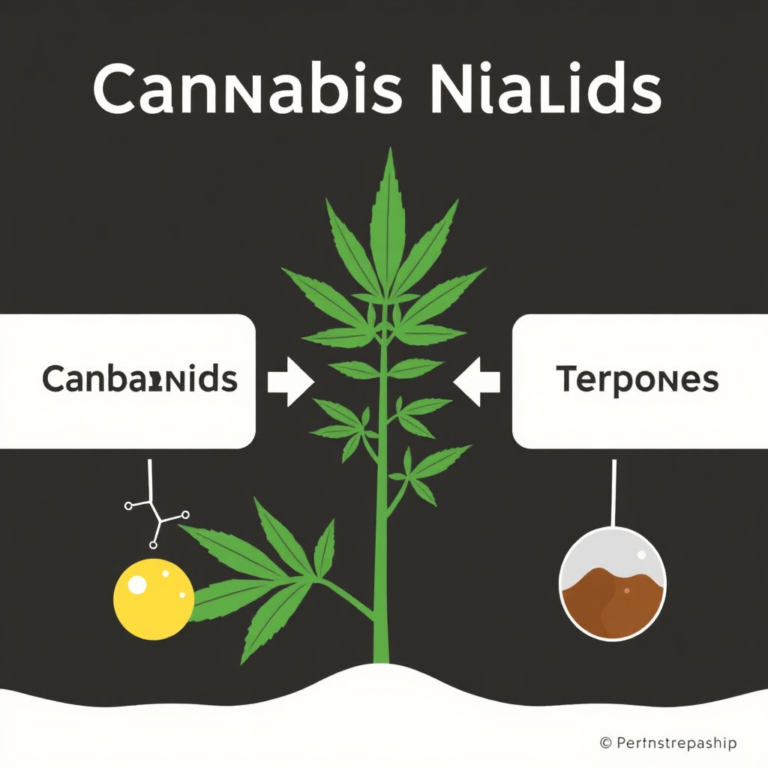
THC is one among several hundred cannabinoids naturally produced by the cannabis plant. Unlike CBD (cannabidiol), THC binds strongly to CB1 receptors in the brain, leading to its psychoactive effects.
While CBD lacks intoxicating properties and often counteracts some effects of THC, other cannabinoids such as CBN and CBG have different interaction profiles and therapeutic uses, making THC unique for recreational and medicinal purposes.
How THC Affects the Human Body
Interaction with the Endocannabinoid System
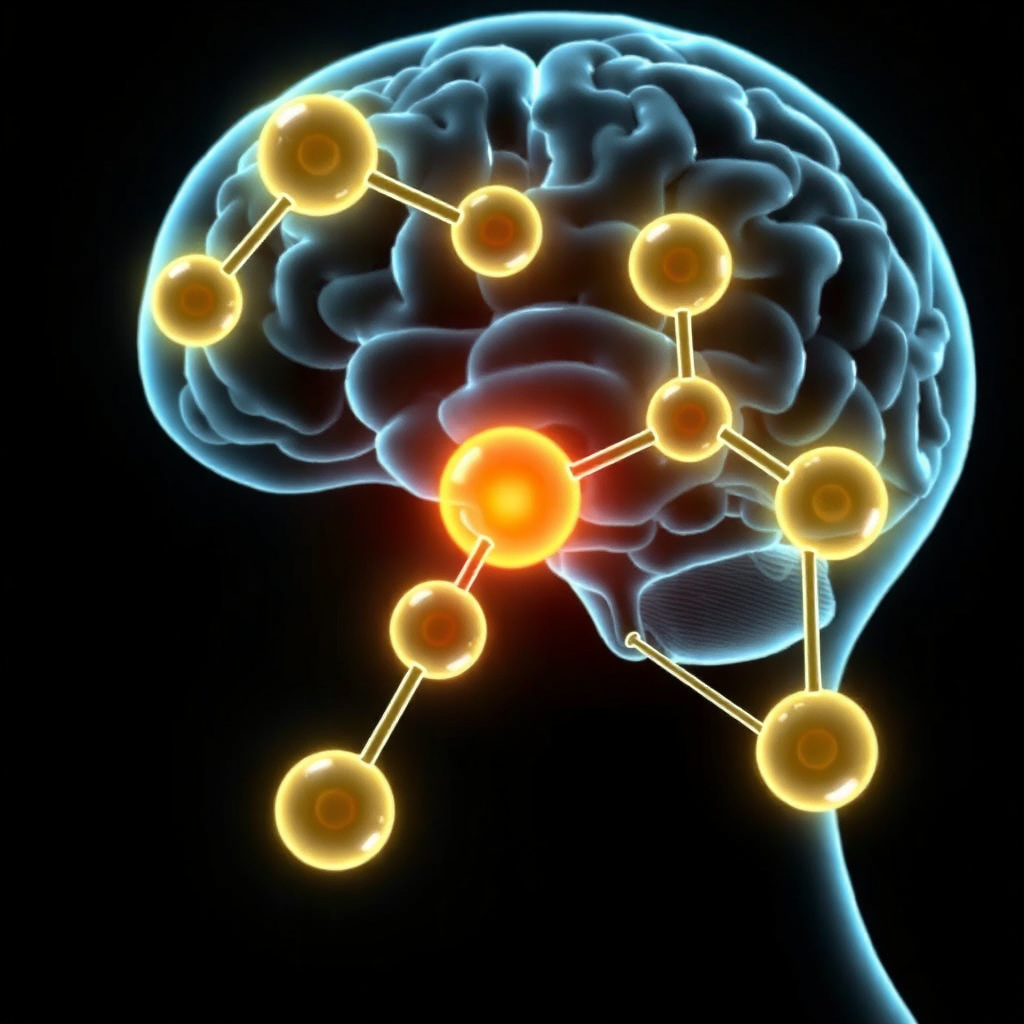
THC mimics natural endocannabinoids by binding to CB1 receptors primarily located in brain regions that regulate memory, pleasure, coordination, and perception. This receptor activation alters neurotransmitter release and neural activity.
This activity explains THC’s ability to produce mood changes, altered time perception, and impaired short-term memory, as well as some therapeutic effects such as pain relief and anti-nausea.
For more on this, see our related guide: Exploring High THC Cannabis Strains: Potency and Effects Explained.
Physical and Psychological Effects of THC
Once consumed, THC can cause a range of effects including euphoria, relaxation, increased appetite, and altered sensory experiences. Experienced users often report enhanced creativity and social feelings.
On the downside, it may induce anxiety, paranoia, dry mouth, or impaired motor skills, especially with higher doses or in sensitive individuals, which is why responsible consumption is recommended.
Methods of THC Consumption
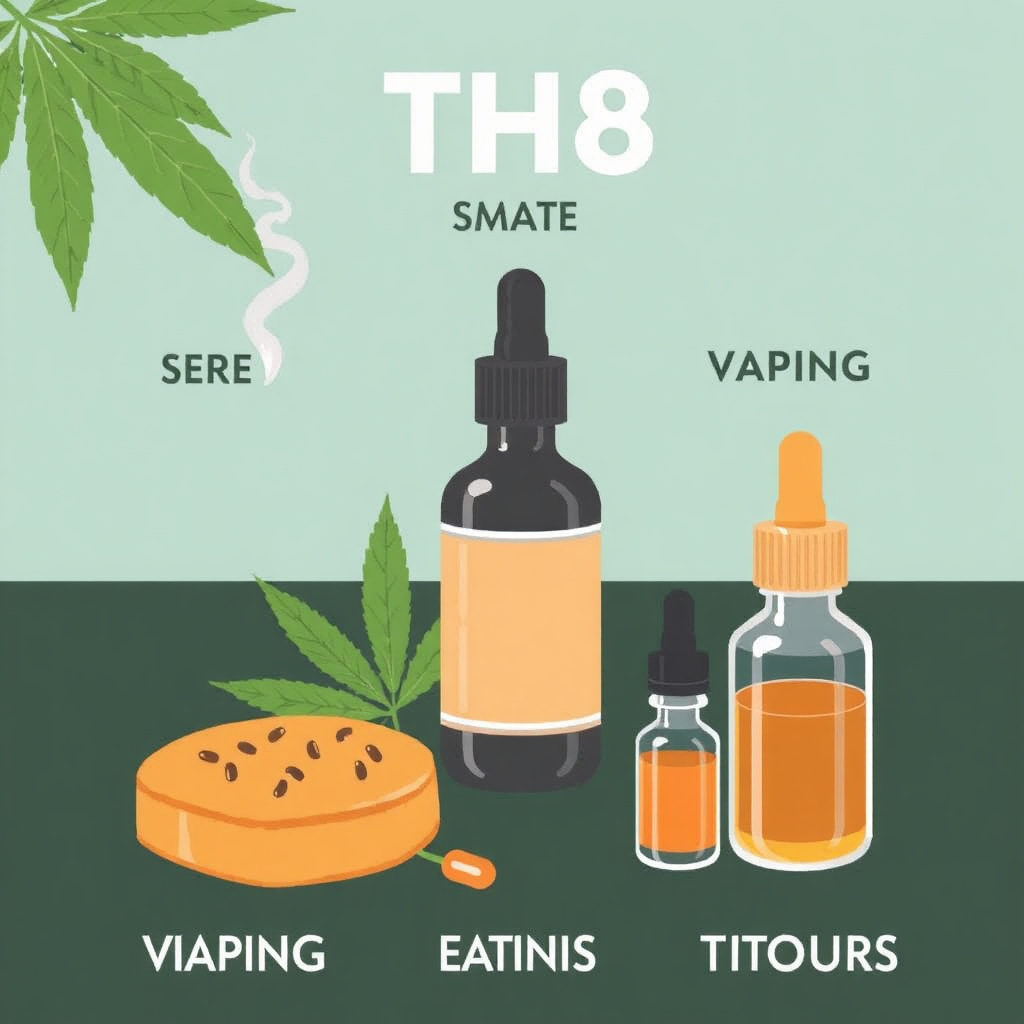
Inhalation: Smoking and Vaping
The most direct way THC enters the bloodstream is by inhaling smoke or vapor, enabling fast onset of effects usually within minutes. Smoking joints or using vaporizers are common methods.
Inhalation provides precise dosage control and rapid symptom relief but can be harsh on the lungs and may have similar respiratory risks as tobacco smoke.
- Fast onset (minutes)
- Easier dosage control
- Potential respiratory irritation
Oral Consumption: Edibles and Tinctures
Edibles and tinctures take longer to produce effects—often 30 minutes to 2 hours—because THC is metabolized in the liver before entering circulation. This produces a longer-lasting and sometimes more intense experience.
Due to the slower onset and variable absorption, dosing can be challenging, and accidental overconsumption is common among new users using edibles.
- Delayed onset
- Longer-lasting effects
- Variable dosing
Difference Between THC and CBD

Psychoactive vs. Non-Psychoactive Compounds
THC is psychoactive, meaning it changes brain function and perception, while CBD is non-psychoactive and does not make users ‘high’. This fundamental difference shapes their varied uses and effects.
CBD is often marketed for its potential therapeutic benefits without impairment, whereas THC is used both recreationally and medicinally for effects that include mood alteration.
For more on this, see our related guide: Are Cannabis Seeds Legal in the USA? Understanding the Legal Landscape.
Medical Applications of THC and CBD
THC is utilized in managing pain, nausea, muscle spasticity, and appetite stimulation, especially for patients undergoing chemotherapy or with multiple sclerosis.
CBD is gaining prominence for anxiety reduction, epilepsy treatment, and anti-inflammatory effects. Combining THC and CBD in specific ratios can moderate unwanted effects and enhance therapeutic outcomes.
Legal Status and Safety Considerations of THC
Global and Regional Legal Variations
THC legality varies significantly worldwide, with some countries allowing recreational use, others permitting only medical applications, and many enforcing full prohibition. In the U.S., laws differ by state, ranging from complete legalization to rigid restrictions.
Researching local laws before possessing or consuming THC products is essential to avoid legal issues, as enforcement can be strict even in places with medical allowances.
For a detailed scientific background, you can refer to the comprehensive THC article on Wikipedia. THC on Wikipedia.
Safety and Responsible Use
While THC is generally considered safe for adults in moderate amounts, potential risks include cognitive impairment, dependency, and mental health effects in predisposed individuals.
Users should start with low doses, avoid mixing with alcohol or other drugs, never drive under influence, and consult healthcare providers when using THC for medical reasons.
- Start with low doses
- Avoid mixing substances
- No driving when impaired
THC Consumption Methods Comparison
Here is a comparison of common THC consumption methods highlighting key factors to consider for users selecting their preferred option.
| Method | Onset Time | Duration | Control Over Dose | Health Considerations |
|---|---|---|---|---|
| Smoking | Minutes | 1-3 hours | Good | Respiratory irritation possible |
| Vaping | Minutes | 1-3 hours | Good | Less harsh than smoking but still risks lung irritation |
| Edibles | 30-120 minutes | 4-8 hours | Difficult | Risk of overconsumption, variability in digestion |
| Tinctures | 15-45 minutes | 4-6 hours | Moderate | Safer than smoking, easier dosing |
| Topicals | Localized, Minutes | Varies | Good | Minimal systemic effects, low risk |
Frequently Asked Questions
Is THC addictive?
THC can lead to dependence in some users, especially with heavy or prolonged use, but it is generally considered less addictive than substances like nicotine or alcohol.
How long does THC stay in the body?
THC metabolites can remain detectable in the body from several days to weeks, depending on usage frequency, body fat, and metabolism.
Does THC have medical benefits?
Yes, THC is used therapeutically for pain relief, nausea reduction, appetite stimulation, and muscle spasticity in various medical conditions.
Can THC cause a failed drug test?
Because THC metabolites linger in the body, recent or frequent users can test positive on drug screenings that detect cannabis use.
What is the difference between THC and CBD?
THC causes psychoactive effects or a 'high' sensation, while CBD does not and is often used for its medicinal properties without intoxication.
Key Takeaways
- THC is the main psychoactive cannabinoid responsible for the cannabis 'high'.
- It influences brain function by binding to CB1 receptors in the nervous system.
- Consumption methods affect THC onset, duration, and dosing control.
- Legal status and safety vary widely; responsible use is important.
Conclusion
Evaluating what THC is involves understanding its chemical nature, how it interacts with the body, and the effects it produces. The decision to use THC should weigh its psychoactive properties alongside potential therapeutic benefits and personal tolerance levels. Being informed helps users make choices that match their desired outcomes and avoid unwanted side effects.
When considering THC, users focused on rapid relief and dosing precision might prefer inhalation methods like vaping or smoking. Those seeking longer-lasting effects without lung irritation may opt for edibles or tinctures, but they should be cautious with dosing to prevent excessive intoxication. Medical users often benefit from THC-CBD combinations tailored to their condition. Understanding each option’s pros and cons can guide effective and safe consumption.
If you're curious about exploring THC, start by checking your local laws and consulting healthcare professionals when relevant. Begin with low doses and observe your body's response before adjusting. Whether using THC recreationally or medicinally, knowledge of what THC is and how it works empowers you to make choices that fit your needs and lifestyle.