What is Rockwool? A Complete Guide to This Insulation Material
Rockwool is a type of mineral wool made by melting natural rocks and spinning them into fibrous mats. It serves primarily as thermal, acoustic, and fire-resistant insulation for buildings. Its durable, dense fiber structure traps air effectively, making it an excellent insulator.
Because rockwool provides strong fire resistance, sound dampening, and moisture control, it is widely used in construction for walls, roofs, and floors. Its composition from natural volcanic rocks ensures long-term performance without degrading under typical conditions.
This article will explore how rockwool is made, its key properties, main applications, installation methods, and how it compares to other insulation materials like fiberglass or foam. You'll learn why rockwool stands out for durability and energy efficiency.
How Rockwool Is Made

Raw Materials and Process
Rockwool is created by melting volcanic basalt rock and recycled slag at temperatures around 1600°C. This molten material is spun into thin fibers that cool and solidify into a wool-like texture.
The spinning process lets manufacturers control fiber thickness and length, which affects the insulation’s density and performance. Additional binders and oils are applied for durability and water resistance.
- Basalt rock and slag as primary components
- Melting at approximately 1600°C
- Fiber spinning and cooling
- Binder application for structural integrity
Environmental Benefits of Production
Rockwool manufacturing uses abundant raw materials and incorporates recycled content, lowering environmental impact compared to petrochemical insulation.
The insulation is also recyclable and does not off-gas toxic chemicals, making rockwool a sustainable choice for green building projects.
Key Properties of Rockwool
Thermal Insulation Performance
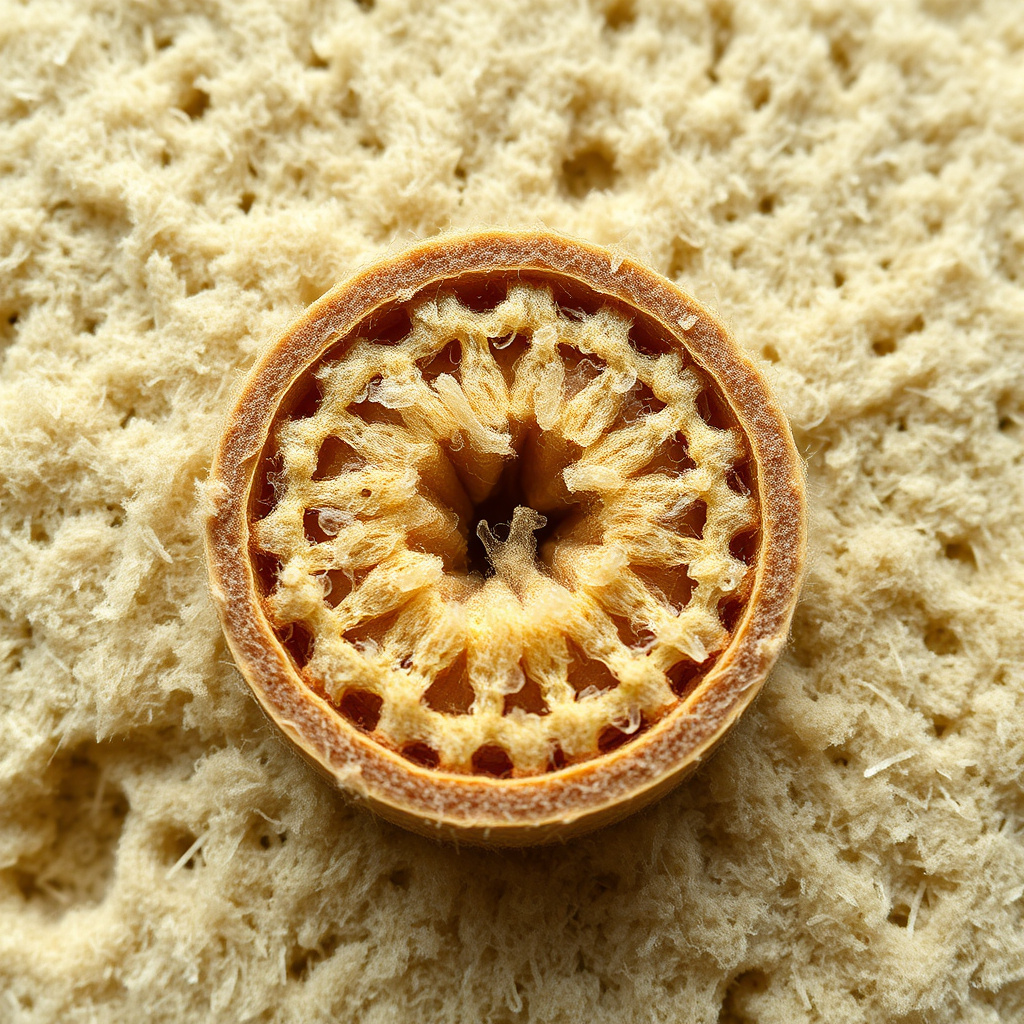
Rockwool has excellent heat resistance, with thermal conductivity typically between 0.035 and 0.045 W/m·K. It reduces heat transfer by trapping air within its dense fibers.
This makes it effective for reducing energy costs and maintaining stable indoor temperatures in a variety of climates.
For more on this, see our related guide: How Deep to Plant Cannabis Seeds for Best Germination Results.
Fire Resistance and Safety
One standout feature of rockwool is its natural non-combustibility. It can resist temperatures above 1000°C without melting or emitting harmful smoke.
This fire-resistant quality makes rockwool a go-to choice for fire-rated constructions and improves overall building safety.
Common Applications of Rockwool

Building Insulation Uses
Rockwool is widely used in wall cavities, roofs, floors, and ceilings in residential and commercial buildings. Its soundproofing and thermal properties enhance occupant comfort.
It also resists moisture buildup and mold growth, which helps maintain indoor air quality.
Industrial and Specialty Applications
Beyond construction, rockwool is used as acoustic panels in studios and theaters due to its sound absorption capabilities.
It also serves as pipe insulation, fire barriers, and component in hydroponic growing systems, showcasing its versatility.
Installation and Handling Tips for Rockwool
Safe Handling Practices
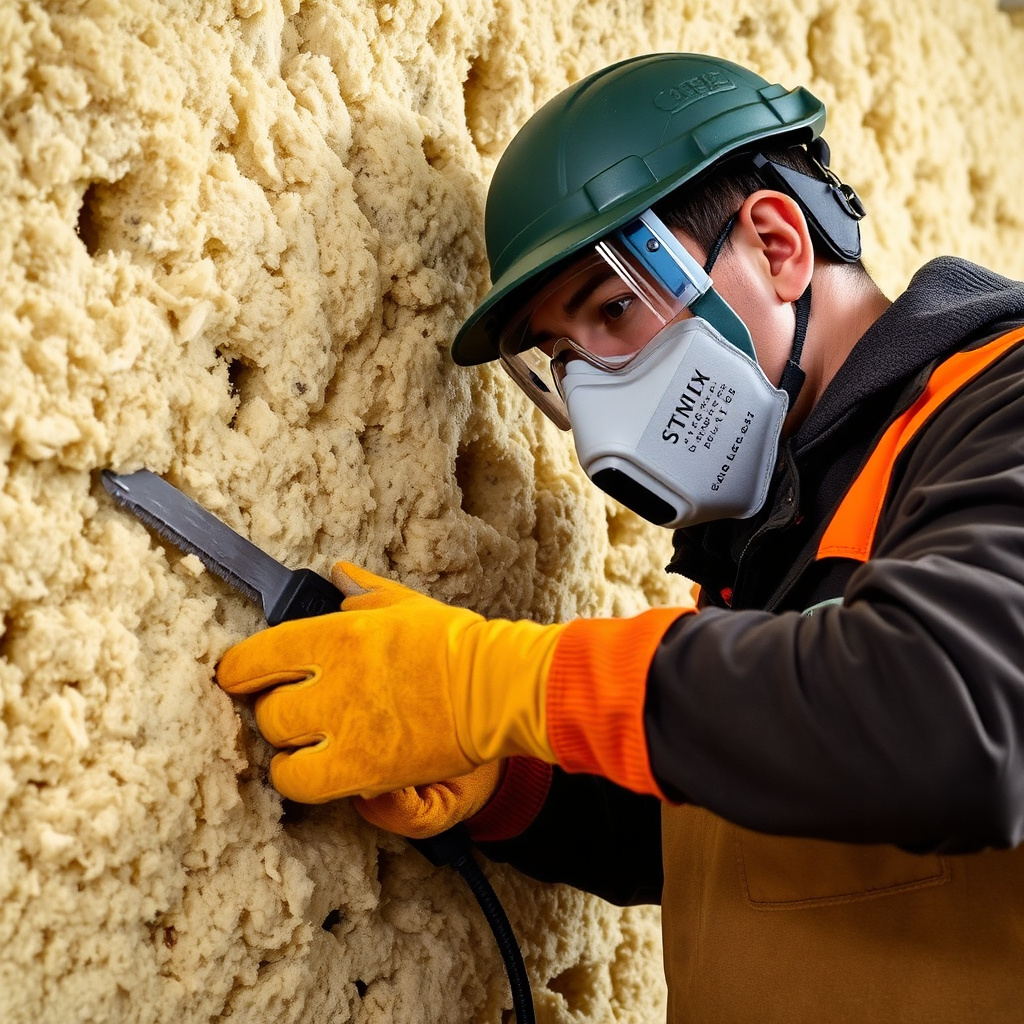
Rockwool fibers can irritate skin and respiratory tract, so wearing gloves, long sleeves, safety goggles, and a dust mask during installation is advisable.
Cutting rockwool requires a sharp knife or saw designed for insulation to produce clean edges and reduce dust.
- Wear protective gear
- Use sharp cutting tools
- Work in ventilated areas
For more on this, see our related guide: Cannabis Seed Germination Temperature: How to Get the Best Results.
Installation Techniques
Rockwool batts are typically placed snugly into framing cavities without compression to preserve insulating properties.
Sealing gaps and overlaps properly ensures continuous insulation and prevents thermal bridging.
- Avoid compressing material
- Fill cavities fully
- Seal joints carefully
Rockwool Compared to Other Insulation Types
Rockwool vs Fiberglass
Rockwool is denser and offers greater fire resistance and soundproofing than fiberglass. It handles moisture better, reducing mold risk.
Fiberglass, however, is typically cheaper and easier to install but less durable under harsh conditions.
For more detailed information on the composition and uses of rockwool and related materials, see this mineral wool insulation information. Mineral wool insulation information.
Rockwool vs Foam Insulation
Foam insulation provides higher R-values per inch and acts as an air barrier but often costs more and requires professional application.
Rockwool is easier to retrofit and excels in fire safety without off-gassing chemicals.
Rockwool Insulation Category Comparison
Here’s a comparison of different rockwool insulation products showing typical features to help you choose the right option.
| Type | Density (kg/m³) | R-Value (per inch) | Fire Resistance | Cost Range (per sq.ft.) |
|---|---|---|---|---|
| Rockwool Batts | 40-100 | 3.0-3.3 | Non-combustible, >1000°C | $0.50 – $1.00 |
| Rockwool Boards | 150-200 | 3.5-4.0 | Non-combustible, >1000°C | $1.50 – $2.50 |
| Rockwool Loose Fill | 30-50 | 2.8-3.2 | Non-combustible, >1000°C | $0.40 – $0.80 |
| High Density Rockwool | 240+ | 4.0+ | Non-combustible, >1000°C | $2.00 – $3.00 |
Frequently Asked Questions
Is rockwool safe for home insulation?
Rockwool is safe when installed correctly with protective gear. It is non-combustible, does not release harmful chemicals, and resists mold, making it suitable for homes.
How does rockwool compare to fiberglass insulation?
Rockwool generally offers better fire resistance, soundproofing, and moisture resistance than fiberglass, but is usually more expensive and denser.
Can rockwool absorb moisture?
Rockwool resists water absorption and dries quickly, which helps prevent mold and maintains insulation performance in damp conditions.
What protective equipment is recommended when installing rockwool?
Installers should wear gloves, long sleeves, goggles, and dust masks to avoid skin irritation and inhalation of fibers.
Does rockwool insulation have environmental benefits?
Yes, rockwool uses natural and recycled materials, is recyclable after use, and typically does not off-gas toxic substances.
Key Takeaways
- Rockwool is a natural stone-based insulation with excellent thermal and fire resistance.
- It provides superior soundproofing and moisture control compared to many alternatives.
- Proper protective gear should be used during handling and installation.
- Rockwool suits a wide range of construction and industrial applications.
Conclusion
Choosing insulation material hinges on factors such as thermal performance, fire safety, durability, and environmental impact. Rockwool offers a balanced combination of these qualities due to its dense stone-fiber composition. Its non-combustible nature and sound-dampening abilities enhance building safety and comfort, while resistance to moisture limits long-term degradation and mold risks. By understanding these features, buyers can make an informed decision tailored to their project's needs.
For projects demanding robust fire resistance and sound control, rockwool batts or boards stand out. Loose fill forms are ideal for insulating irregular cavities or retrofits where dense packing is important. In contrast, if higher R-values per inch are required and budget permits, foam insulation might be a viable option, especially with air sealing benefits. Fiberglass provides a cost-effective baseline insulation but doesn't match rockwool’s durability or fire resistance.
If you seek a sustainable insulation material that performs reliably across multiple demands, rockwool is well worth considering. As a next step, assess the specific insulation needs of your space—whether thermal, acoustic, or fire safety—and match those to the suitable rockwool product form. Consulting with insulation professionals can help clarify installation details and maximize energy savings using rockwool's advantages.