Do You Eat Watermelon Seeds for Health Benefits?
Are you tired of tossing out watermelon seeds or wondering if they’re safe to eat? You’re not alone—many people struggle with whether these seeds are worth munching on or if they might cause more harm than good.
The good news is, watermelon seeds actually have some surprising health benefits.
Yes, you can eat watermelon seeds for health benefits, as they’re packed with nutrients like magnesium, zinc, iron, healthy fats, and antioxidants.
When prepared properly, such as roasting or sprouting, they become easier to digest and can support heart health, boost immunity, and improve skin and hair.
Just remember to eat them in moderation and chew thoroughly to avoid choking.
If you keep exploring, you’ll uncover even more ways to enjoy these nutritious seeds.
Key Takeaways
- Watermelon seeds are safe to eat and packed with nutrients like magnesium, zinc, iron, and healthy fats.
- Eating seeds can support your heart, boost your immunity, and improve your skin and hair.
- Proper preparation, like roasting or sprouting, makes them easier to digest and helps your body absorb more nutrients.
- Just eat seeds in moderation—about 1 to 2 tablespoons daily—to get the benefits without causing stomach issues.
- Seeded watermelons offer more nutritional value than seedless ones, so including seeds can be quite beneficial.
Are Watermelon Seeds Safe to Eat? What You Need to Know
Many people wonder if eating watermelon seeds is safe, and the good news is that in most cases, it is. Watermelon seeds are generally safe to consume and are packed with nutrients like magnesium, zinc, and healthy fats.
When eaten in moderation, these seeds can add nutritional value to your diet. Some people prefer to swallow them whole, while others roast or grind them for culinary uses, such as adding crunch to salads or smoothies.
Concerns about choking are minimal if you chew seeds properly. However, if you have specific health conditions or digestive issues, it’s best to consult a healthcare professional.
What Are Watermelon Seeds, and Should You Discard Them?
Watermelon seeds are those tiny, hard kernels you find inside the fruit — you know, the ones people sometimes spit out or ignore when they’re munching on a slice. You might be wondering if it’s okay to eat them and if they actually do anything good for you. Well, let’s take a closer look at what these seeds are all about and whether they should stay in your diet or be discarded.
Nutritional Content Overview
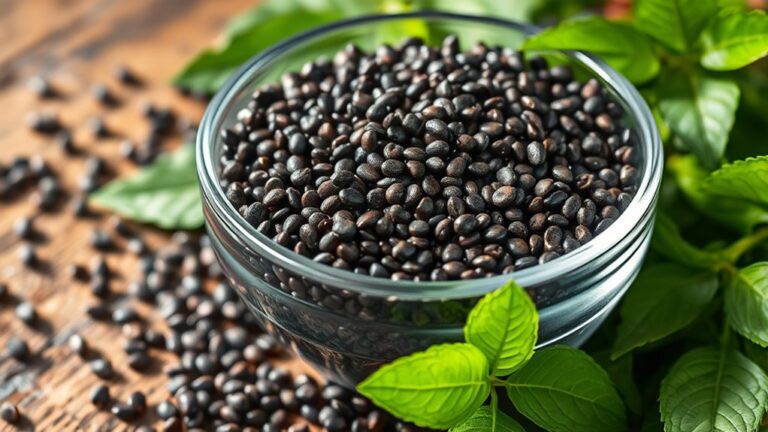
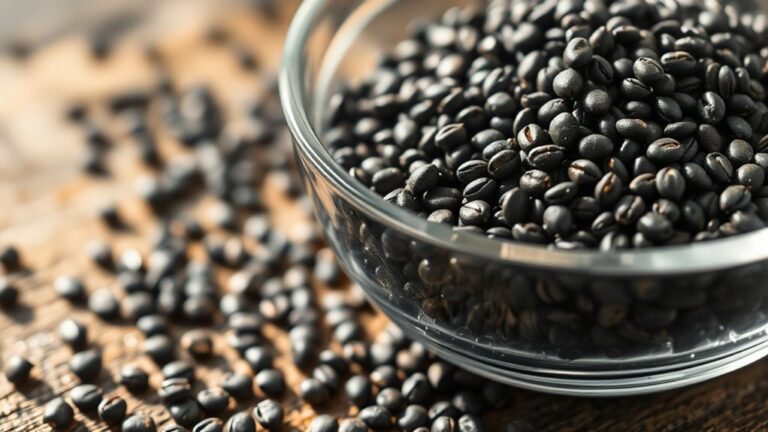
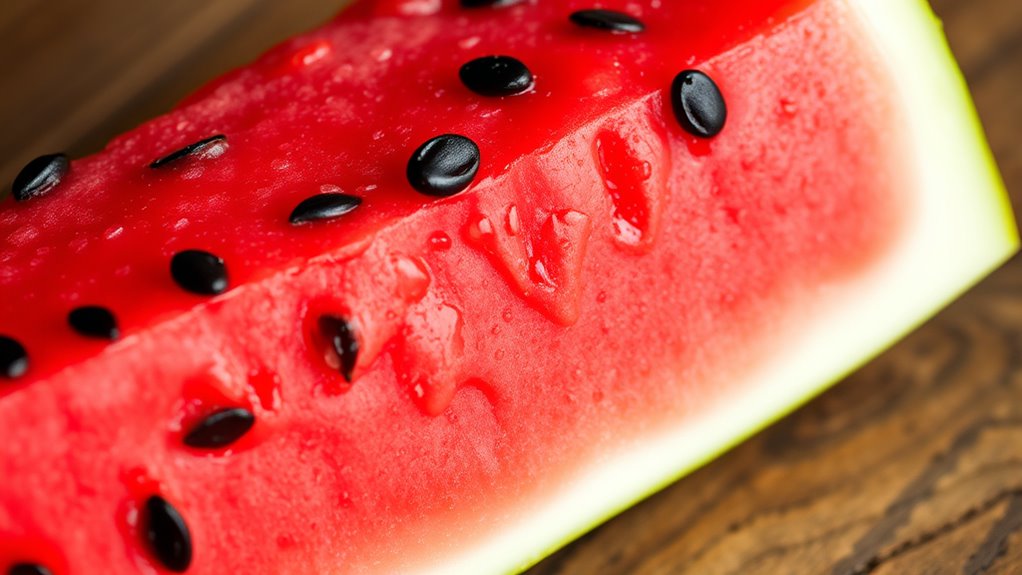
Watermelon seeds are small, black, or sometimes white, oval-shaped kernels found inside the juicy flesh of the fruit. They come in different seed varieties, each with unique nutritional profiles.
These seeds contain healthy fats, protein, magnesium, zinc, and iron, making them a nutrient-dense snack if prepared properly. The nutritional content varies depending on how they’re processed—raw, roasted, or sprouted—affecting their health benefits.
Besides snacking, watermelon seeds have culinary uses in smoothies, trail mixes, or baked goods, adding crunch and nutrition. While some believe consuming seeds is beneficial, it’s important to understand their nutritional value.
Whether you choose to eat or discard them, knowing their nutritional content helps you make informed dietary choices.
Edibility and Digestibility
Watermelon seeds are entirely edible and can be enjoyed in many ways, but how easy they are to digest depends on how you prepare them. Some folks worry because raw seeds can be tough on the stomach, especially if you’re sensitive.
Digestibility depends on whether you roast or sprout the seeds. These methods help break down the hard outer shells and make nutrients more accessible. Roasting enhances flavor and makes them easier to digest.
Sprouting reduces the resistance of the tough shells, making the seeds gentler on your stomach. Chewing thoroughly also helps with digestion and nutrient absorption.
Eating seeds in moderation can prevent discomfort, especially if your digestive system is sensitive. Keep in mind that seeds with shells still intact may be harder to digest.
Knowing these tips can help you decide whether to discard watermelon seeds or include them in your diet for extra benefits. Proper preparation makes seeds more enjoyable and easier to digest.
Potential Health Benefits
Many people overlook the health benefits hidden inside watermelon seeds, wondering whether to toss them out or include them in their diet. Some myths say they’re harmful or useless, but the real story is quite different.
Watermelon seeds are packed with nutrients like magnesium, zinc, and healthy fats that support your heart, boost your immunity, and improve digestion. Eating the seeds can also give you antioxidants that fight free radicals.
There’s some debate about how easy they are to digest, but eating them in moderation can be good for you. The trick is to prepare them properly—roasting or sprouting makes their nutrients easier to absorb.
Watermelon Seed Nutrition: What’s Inside and Why It Matters
You might be surprised to learn that watermelon seeds pack a powerful nutritional punch. They’re full of antioxidants that help fight free radicals and reduce inflammation.
Inside, you’ll find minerals like magnesium, zinc, and iron that support your overall health. These nutrients are key for muscle function, immunity, and energy production.
Here’s what makes watermelon seeds a nutritional powerhouse:
- High in healthy fats, including omega-3 and omega-6 fatty acids
- Rich in protein, which helps with muscle repair and growth
- Loaded with minerals like magnesium and zinc
- Contains antioxidants that fight oxidative stress
- Provides dietary fiber to support digestion
Are Watermelon Seeds Safe? Potential Risks and Precautions
Watermelon seeds are usually safe to eat, but it’s good to keep a few things in mind. For example, swallowing a lot of seeds whole without chewing might pose a choking risk, especially for kids or if you’re not careful. So, it’s better to chew them thoroughly or remove the seeds if you’re concerned about choking.
When it comes to nutrition, watermelon seeds actually pack quite a punch—they’re a good source of healthy fats, protein, and various minerals. Still, if you have specific dietary restrictions or health conditions, it’s worth considering how much you’re consuming.
And don’t forget about allergies. Some folks might have allergic reactions to watermelon seeds, which could range from mild discomfort to more serious health issues. So, if you notice any unusual symptoms after eating them, it’s a good idea to consult with a healthcare professional.
Possible Choking Hazards
Are watermelon seeds safe to eat without risking choking? Many people enjoy the crunch, but it’s important to consider choking risks, especially with larger seed sizes. If you swallow seeds whole, they might get stuck in your throat, which can be dangerous.
Be cautious if you have trouble swallowing or if kids are eating watermelon. To stay safe, make sure to chew seeds thoroughly before swallowing. Avoid swallowing large amounts at once, and keep an eye on children when they’re eating watermelon.
Pay attention to seed size and shape because bigger or oddly shaped seeds can be more of a choking hazard. If you ever feel like you’re choking or have persistent trouble breathing, seek medical help right away.
Knowing these precautions helps you enjoy watermelon seeds safely. Remember, proper chewing and being aware of seed size are key to preventing choking. Stay alert when eating seeds, especially if choking is a concern.
Nutritional Content and Safety
Watermelon seeds are packed with nutrients, making them a healthy snack option when consumed properly. They offer high nutrient density, including healthy fats, protein, magnesium, and zinc, which support your overall health.
However, safety depends on seed preparation. Raw seeds can be hard to digest and may contain microorganisms. Roasting or sprouting seeds can improve safety and nutrient absorption, but avoid over-roasting to prevent nutrient loss.
Large quantities of seeds might lead to gastrointestinal discomfort or interfere with digestion. Be mindful of portion sizes and make sure seeds are thoroughly cleaned before eating.
While generally safe in moderation, consuming excessive amounts or poorly prepared seeds could pose risks. Proper seed preparation is key to maximizing health benefits while minimizing potential issues.
Allergic Reactions Risks
Although watermelon seeds are generally safe for most people, some may experience allergic reactions. If you have a seed intolerance or allergies, eating watermelon seeds could trigger symptoms.
Watch out for signs like itching, swelling, difficulty breathing, or skin rashes. Be cautious if you’ve reacted to other seeds or nuts before.
Potential risks include mild allergy symptoms like itching or hives, swelling of the lips or throat, and digestive discomfort or nausea. Severe reactions such as anaphylaxis are also possible.
Cross-reactivity with other seeds or nuts is another concern. If you notice any of these symptoms after eating watermelon seeds, seek medical help right away.
Always talk to a healthcare professional before adding seeds to your diet, especially if you have known allergies.
The Surprising Health Benefits of Eating Watermelon Seeds
Many people overlook the nutritional power packed into watermelon seeds, but they actually offer several surprising health benefits. Contrary to common health myths that label them as mere waste, watermelon seeds are rich in magnesium, zinc, and healthy fats that support your immune system, improve digestion, and boost energy.
Eating seeds can also promote better skin and hair health thanks to their high antioxidant content. Plus, watermelon seeds have anti-inflammatory properties that may help reduce inflammation in your body.
In culinary uses, you can enjoy them roasted or ground into smoothies, adding crunch and nutrients to your diet. Incorporating watermelon seeds into your meals is a simple way to harness their benefits without overcomplicating your routine.
How Much Watermelon Seeds Should You Eat? Recommendations
Wondering how much watermelon seeds you should eat to enjoy their health benefits without overdoing it? The key is moderation and portion control. There’s no strict daily amount, but a small handful—about 1 to 2 tablespoons—per day is generally safe and helpful.
Just keep in mind that eating too many seeds might lead to digestive discomfort or interfere with nutrient absorption. To manage your portions, try these tips:
- Stick to a small handful daily
- Avoid consuming excessive amounts
- Introduce seeds gradually into your diet
- Pay attention to how your body responds
- Balance seed intake with other healthy foods
Easy Ways to Prepare and Include Watermelon Seeds in Your Diet
Once you’ve figured out how much watermelon seeds to eat, the next step is learning simple ways to prepare and enjoy them. You can turn them into seed snacks by roasting the seeds, which boosts their flavor and crunch, making them a tasty, healthy snack.
Roasted seeds also make a great crunchy garnish for salads or yogurt bowls. For a quick boost, grind the seeds into seed butter to spread on toast or add to smoothies for extra nutrients. Mixing roasted seeds into trail mixes adds texture and health benefits.
You can also include watermelon seeds in baked goods like muffins or bread to make them more nutritious. If you want a versatile topping, sprinkle them over salads or soups. These easy methods help you effortlessly enjoy watermelon seeds and their health perks every day.
Watermelon Seeds vs. Seedless Watermelons: Which Is Better?
When you’re deciding between watermelons with seeds and the seedless kind, think about how many seeds each one has and how that affects your eating experience. Some people love the tradition of seeds, while others prefer the hassle-free, seedless options that are easier to enjoy.
Plus, there’s a little more to consider nutritionally. Seeds actually pack more nutrients than the seedless versions, so if you’re looking for a nutritional boost, seeds might have the edge. But at the end of the day, it really comes down to what you prefer—whether you prioritize convenience or taste.
Seed Content Differences
While seedless watermelons are often chosen for their convenience, they actually contain fewer seeds, meaning you miss out on some nutritional benefits that watermelon seeds offer. The seed content varies depending on seed varieties, which influence not only the number of seeds but also their size and flavor.
Seed varieties determine how the seeds can be used in cooking, from roasting to adding crunch to salads. Seedless watermelons usually have tiny, undeveloped seeds, while traditional watermelons have larger, more abundant seeds.
If you enjoy preparing foods with watermelon seeds, understanding these differences helps you choose the right type. The size and number of seeds affect flavor and texture as well.
Different seed varieties also offer culinary versatility and options for harvesting and planting. Plus, the nutritional potential tied to seed content makes this an important factor to consider.
Nutritional Variations
Watermelon seeds pack a nutritional punch that seedless watermelons just can’t match. The differences between seed varieties are pretty significant; seeds contain healthy fats, protein, magnesium, and zinc, which support your overall health.
Seedless watermelons, on the other hand, are bred mainly for convenience and usually lack these concentrated nutrients. If you’re after the health benefits, eating whole seed varieties gives you more fiber, antioxidants, and essential minerals.
The seeds also contain phytosterols that may help lower cholesterol. While seedless watermelons are easier to eat, they don’t offer the same nutrient density as their seed-filled counterparts.
To get the most health benefits, choosing seed varieties lets you enjoy the full spectrum of nutrients watermelon seeds have to offer.
Convenience and Preference
Choosing between watermelon seeds and seedless watermelons often comes down to convenience and personal preference. If you like snacks that are quick and easy, seedless watermelons are simpler to enjoy since you don’t have to deal with spit-out seeds or mess.
Some people actually enjoy eating watermelon seeds. It’s part of their experience or tradition, and they find it adds to the enjoyment of eating watermelon. Your personal taste really shapes which option works best for you.
Think about factors like how easy it is to eat and clean up afterward, or how much time you spend removing seeds. Also, consider whether you prefer the taste of seeds or seedless varieties, or if cultural habits influence your choice.
Some folks believe watermelon seeds have health benefits, which can also sway your decision. Ultimately, your choice reflects what you value most in your watermelon experience.
Common Myths About Watermelon Seeds Debunked
Many myths about watermelon seeds persist, leading you to dismiss their potential health benefits or avoid eating them altogether. These misconceptions often come from outdated beliefs or misinformation passed down through generations.
For example, some cultural beliefs suggest that swallowing seeds causes them to grow inside your stomach, but that’s not true. Science shows that watermelon seeds are safe to eat and contain nutrients like magnesium, zinc, and healthy fats.
Myths about seeds being hard to digest have also been debunked. In reality, your body can process watermelon seeds without any issues.
Can Watermelon Seeds Fit Into Any Diet? (Vegan, Keto, Gluten-Free)
No matter your dietary preferences, watermelon seeds can usually be incorporated without much hassle. They’re versatile and can fit into vegan, keto, or gluten-free diets with simple adjustments.
For vegans, try adding roasted watermelon seeds to salads or trail mixes for some extra crunch. If you’re on keto, enjoy them as a snack or blend into keto-friendly seed butter.
Gluten-free eaters can incorporate watermelon seed recipes like seed granola or energy bites. Here are some ways to include watermelon seeds in your diet:
- Roast and season them for a flavorful snack
- Add to smoothies for extra protein
- Mix into salads or yogurt bowls
- Use in homemade seed bars or energy bites
- Incorporate into baking recipes for added texture
These options make dietary inclusion easy and help you enjoy the health benefits of watermelon seeds no matter your diet.
Frequently Asked Questions
Do Watermelon Seeds Contain Any Harmful Toxins or Chemicals?
Watermelon seeds generally don’t contain harmful toxins or chemicals if you use proper seed preparation methods. Most concerns about watermelon seed toxicity are unfounded, especially when seeds are roasted or dried, which neutralizes potential toxins.
Eating raw seeds in moderation is usually safe, but if you’re worried, roasting them reduces any risk. Just make sure you buy quality seeds and prepare them properly for safe, nutritious snacking.
Can Eating Watermelon Seeds Improve Skin or Hair Health?
Eating watermelon seeds can be like offering your skin and hair a nourishing rain. When you eat them, they help boost skin hydration and promote hair nourishment thanks to their rich nutrients, including magnesium and zinc.
These nutrients support healthy cell growth and repair, giving you a more vibrant glow and stronger strands. Incorporating watermelon seeds into your diet may be the natural boost your skin and hair need to shine from within.
Are Watermelon Seeds Suitable for Children or Pregnant Women?
Watermelon seeds are generally suitable for children and pregnant women because they’re packed with nutrients like magnesium, zinc, and healthy fats.
That said, it’s important to watch out for allergy concerns since some people might be sensitive.
Make sure the seeds are roasted or cleaned properly to avoid choking hazards for kids.
If you’re unsure or pregnant, it’s a good idea to check with a healthcare professional before including watermelon seeds in your diet.
How Do Watermelon Seeds Compare to Other Seed Types Nutritionally?
Watermelon seeds pack a nutritional punch that’s worth a closer look. Compared to other seeds like pumpkin or sunflower, they offer a similar profile—rich in healthy fats, protein, and minerals like magnesium and zinc.
But don’t put all your eggs in one basket. Each seed type has its own benefits, so it’s smart to compare them to see what best fits your health goals.
Can Consuming Watermelon Seeds Help With Weight Loss?
Yes, eating watermelon seeds can help with weight loss. They contain fiber, which helps you feel full longer and can reduce your overall calorie intake.
Even though watermelon seeds have more calories than some snacks, their fiber content supports digestion and keeps you feeling satisfied.
Adding a moderate amount of roasted watermelon seeds to your diet can be a healthy snack that promotes weight management without too many calories.
Conclusion
So, next time you bite into a juicy watermelon, consider saving those seeds. Instead of tossing them out, you can roast or sprout them for a crunchy, nutritious snack.
Don’t worry about choking—just chew carefully or swallow. Turning watermelon seeds into a healthy treat is easier than you might think.
Imagine transforming a simple seed into a health-boosting snack that fits your diet. Welcome watermelon seeds—you might just find your new favorite, guilt-free snack that adds a satisfying crunch to your summer refreshment.