Role of Pumpkin Seeds in a Healthy Diet
Many people struggle with finding simple, tasty ways to boost their health every day. You’re not alone—adding nutritious foods like pumpkin seeds can make a big difference.
Pumpkin seeds are a nutritious addition to your diet, packed with healthy fats, protein, fiber, and essential vitamins like magnesium, zinc, and iron. They support heart health, boost immunity, and improve digestion with their antioxidant and anti-inflammatory properties.
Plus, their versatility makes them easy to add to salads, snacks, or baked goods. Incorporating pumpkin seeds regularly can improve your overall wellness.
Keep exploring ways to make them a simple part of your daily routine.
Key Takeaways
- Pumpkin seeds are packed with nutrients, offering healthy fats, protein, fiber, vitamins, and minerals that are key for overall health.
- They support heart health by helping lower cholesterol and keeping blood pressure in check thanks to magnesium and omega fatty acids.
- Rich in zinc and antioxidants, pumpkin seeds help boost your immune system and fight inflammation.
- Their high fiber content and digestive enzymes promote good gut health and regular bowel movements.
- Adding pumpkin seeds to your meals provides a tasty, natural snack that benefits your skin, hair, and energy levels.
What Are Pumpkin Seeds and Why Are They a Nutritious Snack?
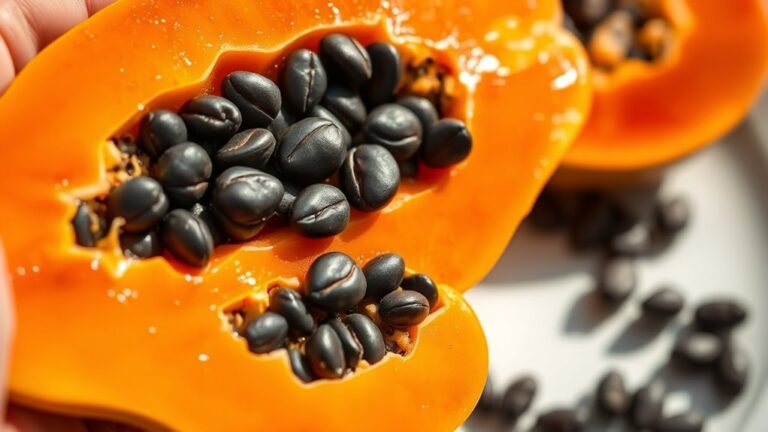
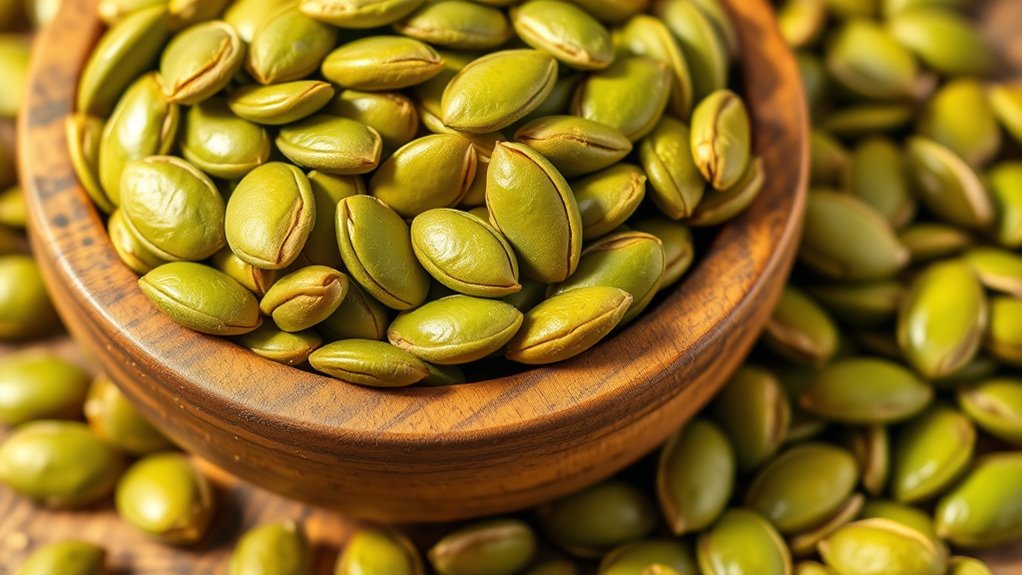
Pumpkin seeds, also called pepitas, are the flat, green kernels inside pumpkins. They’re packed with nutrients like healthy fats, protein, fiber, vitamins, and minerals such as magnesium, zinc, and iron.
Thanks to their rich nutrient profile, they make great snacks instead of processed junk foods. You can enjoy them roasted, raw, or tossed into salads, yogurt, or baked treats.
Thanks to their nutrient-rich profile, pumpkin seeds are a healthy, versatile snack choice.
Their versatility makes it easy to add pumpkin seeds to your diet, giving you sustained energy and essential nutrients. Unlike many snacks filled with sugar or artificial ingredients, pumpkin seeds are natural and wholesome.
Plus, their crunchy texture and nutty flavor make them both satisfying and tasty. Regularly eating pumpkin seeds can support your overall health and help you feel full longer.
Whether you want to boost your nutrition or find healthier snack options, pumpkin seeds are a smart, delicious choice.
How Pumpkin Seeds Support Heart Health
The nutrients in pumpkin seeds can really support your heart health. They’re packed with magnesium, which helps keep blood pressure normal and your heart beating regularly, lowering the risk of heart problems.
They also contain healthy fats like omega-3 and omega-6, which help reduce bad cholesterol and boost overall heart function. Plus, pumpkin seeds are a good source of antioxidants such as vitamin E, protecting your cells from damage.
Their high fiber content helps control blood sugar and cholesterol levels, promoting good circulation. Adding pumpkin seeds to your diet is an easy way to improve your heart health and lower your risk of heart disease.
With regular eating, these nutrient-rich seeds can become a key part of your heart-friendly routine.
Boost Your Immunity With Pumpkin Seeds
Including pumpkin seeds in your diet is a simple way to give your immune system a natural boost. Packed with nutrients, these seeds provide essential vitamins and minerals that support your body’s defenses.
Zinc, magnesium, and antioxidants in pumpkin seeds help improve your immunity by fighting free radicals and reducing inflammation. Their high nutrient content makes them a smart addition to any meal.
Adding pumpkin seeds to your snacks or salads can help your body stay resilient against illness. They’re a tasty and easy way to support your health naturally.
| Nutrients | Benefits | Sources |
|---|---|---|
| Zinc | Supports immune cell function | Pumpkin seeds |
| Magnesium | Reduces inflammation | Pumpkin seeds |
| Antioxidants | Protect cells from oxidative stress | Pumpkin seeds |
How to Incorporate Pumpkin Seeds Into Your Daily Meals
Integrating pumpkin seeds into your daily meals is easy and versatile. You can sprinkle them over salads, yogurt, or oatmeal for added crunch and nutrition.
For a quick, nutritious breakfast, blend pumpkin seeds into smoothies. Try combining them with bananas, spinach, and almond milk for a creamy, healthy boost. Pumpkin seed smoothies are a tasty way to enjoy their benefits on the go.
You can also incorporate pumpkin seeds into homemade snacks like pumpkin seed granola, which pairs perfectly with milk or yogurt. Making your own granola is simple: mix pumpkin seeds with oats, honey, and dried fruits, then bake until crispy.
Adding pumpkin seeds to baked goods like muffins or bread boosts fiber and protein content. These small seeds are incredibly adaptable, allowing you to seamlessly include them in a variety of meals and snacks. This makes it easier to enjoy their health benefits every day.
The Role of Pumpkin Seeds in Improving Digestion
Pumpkin seeds play a big role in supporting healthy digestion thanks to their high fiber content and natural nutrients. The fiber helps keep your bowel movements regular, preventing constipation and boosting overall gut health.
Pumpkin seeds support digestion with fiber, promoting regularity and overall gut health.
They also contain digestive enzymes that help break down food more efficiently, making it easier for your body to absorb nutrients. Plus, these enzymes can enhance fermentation in your gut, encouraging a healthy balance of good bacteria.
By supporting fermentation, pumpkin seeds help keep your gut environment stable, which can reduce bloating and discomfort. Their natural compounds also soothe inflammation in your digestive tract, leading to better function.
Adding pumpkin seeds to your diet is an easy, natural way to improve digestion without needing supplements. Their mix of fiber, enzymes, and anti-inflammatory properties makes them a great choice for anyone wanting to boost gut health and enjoy smoother digestion every day.
Why Pumpkin Seeds Are Great for Skin and Hair
Pumpkin seeds are loaded with zinc, which is awesome for repairing your skin and making your hair stronger. It’s like giving your hair and skin a little boost from the inside out.
And guess what? They’re also full of antioxidants that help fight off those pesky free radicals. That means they can help keep your skin looking youthful and fresh. Plus, they support skin elasticity, so your skin stays firm and vibrant over time.
Rich in Zinc Benefits
Because zinc plays an essential role in maintaining healthy skin and hair, munching on pumpkin seeds can be a simple yet effective way to boost your beauty routine. Pumpkin seeds are packed with zinc, which your body needs for proper absorption.
When your zinc levels are up to par, your skin heals faster, and your hair stays strong and shiny. Zinc also helps support your immune system, helping your body fight off infections that can affect your skin and scalp health.
Including pumpkin seeds in your diet regularly gives you a natural zinc boost without needing supplements. This mineral not only enhances your natural beauty but also promotes overall wellness, making pumpkin seeds a tasty and smart addition to your daily diet.
High in Antioxidants
Building on the benefits of zinc, pumpkin seeds are also packed with antioxidants that help protect your skin and hair from damage caused by free radicals. Their antioxidant properties neutralize harmful molecules, reducing oxidative stress and supporting cellular health.
This protection helps prevent premature aging, dullness, and damage to hair follicles. By adding pumpkin seeds to your diet, you’re giving your body essential nutrients that fight oxidative damage, keeping your skin radiant and your hair strong.
The antioxidants in pumpkin seeds work at the cellular level, promoting resilience and overall health. Including these seeds regularly can help your body fight environmental stressors, so your skin and hair stay vibrant and healthy longer.
Promotes Skin Elasticity
Since collagen is key for keeping skin firm and elastic, eating pumpkin seeds can help support this process. They’re packed with zinc, which is important for collagen production, helping your skin stay resilient and supple.
Pumpkin seeds also contain healthy fats that boost skin hydration, preventing dryness and fine lines. By aiding collagen synthesis, they help your skin keep its elasticity over time.
Regularly adding pumpkin seeds to your diet can reduce sagging and improve skin texture. Plus, their antioxidants protect your skin from environmental damage, keeping it looking youthful and radiant.
How to Choose Quality Pumpkin Seeds
When you’re picking out pumpkin seeds, it’s a good idea to go for organic options if you can. That way, you’re avoiding pesticides and any added chemicals, which is always better for your health.
Also, don’t forget to check how fresh they are. Look for seeds that are plump and have a nice, mild nutty smell. If they’re fresh and high-quality, they’ll taste way better and give you more of those good nutrients you’re after.
Look for Organic Options
Choosing organic pumpkin seeds guarantees you’re getting a pure, nutrient-rich snack free from harmful pesticides and chemicals. When selecting seeds, look for products that emphasize organic sourcing, confirming they come from farms that follow sustainable farming practices.
This not only supports environmental health but also typically results in higher-quality seeds with better flavor and nutritional value. Organic certification labels can help validate the authenticity of the product, giving you confidence in its purity.
By opting for organic pumpkin seeds, you’re prioritizing your health and supporting farmers committed to eco-friendly methods. Always read labels carefully and choose products that clearly state their organic status and sustainable farming practices.
This way, you can be sure your snack aligns with your health goals and eco-conscious values.
Check for Freshness
Opting for fresh pumpkin seeds can make a noticeable difference in both taste and nutritional value. To guarantee quality, check freshness indicators like a mild aroma and firm texture. Avoid seeds that smell rancid or feel soggy.
Look for seeds with a vibrant color and no signs of mold or discoloration. When buying in bulk, consider storage tips such as keeping seeds in an airtight container in a cool, dark place to maintain freshness longer.
If seeds are pre-packaged, check the packaging date or expiration date to gauge freshness. Fresh pumpkin seeds will have a crunchy texture and a clean, nutty flavor.
Regularly evaluating these freshness indicators helps you select high-quality seeds that maximize health benefits and flavor.
Easy Recipes to Add Pumpkin Seeds to Your Diet
Adding pumpkin seeds to your diet is simple and versatile with a few easy recipes. One great way is to blend them into pumpkin seed smoothies, adding a nutty crunch and extra nutrition. Just toss a handful of seeds into your blender with your favorite fruits and liquids for a filling, protein-packed drink.
Another simple idea is to sprinkle roasted pumpkin seed toppings on salads, soups, or yogurt. Roasting improves their flavor and crunch, making them an appealing garnish. You can also incorporate pumpkin seeds into homemade granola or energy bars for a quick snack.
If you’re baking bread or muffins, fold some seeds into the batter for added texture and health benefits. These straightforward recipes make it easy to boost your intake of healthy fats, fiber, and minerals, all while enjoying delicious, nutrient-dense foods.
Incorporating pumpkin seeds into your daily routine is an effortless way to support your overall health.
Are Pumpkin Seeds Safe? Risks and Precautions
Pumpkin seeds are usually safe to eat, but it’s good to be aware of some potential issues. For instance, some people might have allergies to pumpkin seeds, which can cause uncomfortable reactions or other health problems. So, if you notice any allergic symptoms, it’s best to stop eating them and see a doctor.
Also, like anything, eating too many pumpkin seeds isn’t great. They can cause digestive upset or add a lot of calories to your diet if you’re not careful. So, moderation is the way to go. And if you’re taking any medications, it’s a smart idea to talk to your doctor first, just to make sure pumpkin seeds won’t interfere with your treatment.
Potential Allergic Reactions
Are pumpkin seeds safe for everyone? Not necessarily. Some people may experience allergy symptoms after eating them, especially if they have seed reactions or are sensitive to certain nuts and seeds.
Common allergy symptoms include itching, swelling, skin rashes, or difficulty breathing. If you notice any adverse reactions, it’s best to stop eating pumpkin seeds and see a healthcare professional.
While pumpkin seeds are generally safe for most people, allergy symptoms can vary in severity. Those with known seed allergies should be cautious before adding them to their diet.
It’s a good idea to start with small amounts to see how your body responds and avoid any potential allergic reactions. Always prioritize safety and consult a doctor if you suspect an allergy.
Overconsumption Concerns
Although pumpkin seeds are nutritious, eating too much can lead to health issues. Overdoing it might throw off your nutritional balance and cause unwanted side effects. To stay safe, practice portion control and avoid mindless snacking.
You could unknowingly boost your calorie intake, which might lead to weight gain. Excessive consumption may also cause digestive discomfort like bloating or constipation.
Relying too heavily on pumpkin seeds could limit your intake of other essential nutrients. Being mindful of portion sizes helps you enjoy pumpkin seeds without risking your health.
Balance is key—don’t let a healthy snack turn into overindulgence. Maintaining portion control supports your overall wellness and keeps your diet nutritious and sustainable.
Medication Interactions Risks
Pumpkin seeds are generally safe for most people, but they can pose risks when combined with certain medications. Be aware of potential interactions that could cause side effects or make your medications less effective.
For example, pumpkin seeds contain zinc and magnesium, which might interfere with blood pressure or blood sugar medications. Always check with your doctor before eating large amounts of pumpkin seeds if you’re on medication.
Here’s a quick overview:
| Medication Type | Possible Interaction | Potential Side Effects |
|---|---|---|
| Blood thinners | Increased bleeding risk | Bleeding complications |
| Diabetes medications | Altered blood sugar levels | Hypoglycemia or hyperglycemia |
| Blood pressure meds | Fluctuations in blood pressure | Dizziness or fainting |
| Sedatives | Enhanced sedative effects | Drowsiness, fatigue |
| Diuretics | Increased mineral loss | Electrolyte imbalance |
Always check with your healthcare provider for personalized advice.
Why Pumpkin Seeds Are a Smart Snack for Overall Wellness
Because they’re packed with essential nutrients, pumpkin seeds make a smart snack choice for supporting overall wellness. Their numerous benefits include boosting your heart health, enhancing sleep quality, and strengthening your immune system.
Choosing healthy snacks like pumpkin seeds can give you sustained energy without the sugar crash that comes with processed options. When you add them to your diet, you’re fueling your body with magnesium, zinc, and antioxidants that promote better health every day.
These tiny seeds are also convenient and versatile, making it easier to stay on track with your wellness goals. Plus, they satisfy hunger with a satisfying crunch, helping you avoid less nutritious options.
Frequently Asked Questions
Can Pumpkin Seeds Help With Weight Management?
Yes, pumpkin seeds can help with weight management. They act as a satiety factor, helping you feel full longer and supporting portion control.
Including pumpkin seeds as a snack or part of your meal provides dietary fiber and a boost to your metabolism. Their nutrient density makes them a smart choice for weight loss.
They help curb cravings while offering essential nutrients for overall health. So, adding pumpkin seeds to your diet could be beneficial if you’re aiming to manage your weight.
Are Pumpkin Seeds Suitable for People With Allergies?
Did you know that pumpkin seed allergies are quite rare, affecting about 0.1% of people? If you have a history of seed or nut allergies, it’s a good idea to be cautious.
Pumpkin seed allergies can cause symptoms like itching, swelling, or trouble breathing. If you have known allergies or notice any adverse reactions, it’s best to check with a healthcare professional before adding pumpkin seeds to your diet.
How Do Pumpkin Seeds Compare to Other Seeds Nutritionally?
You’ll find pumpkin seeds highly nutritious, with strong nutrient density and impressive protein content.
They’re rich in healthy fats, especially omega-3s, and have antioxidant properties that support your immune health.
Their mineral profile includes magnesium, zinc, and iron, which are essential for your body’s functions.
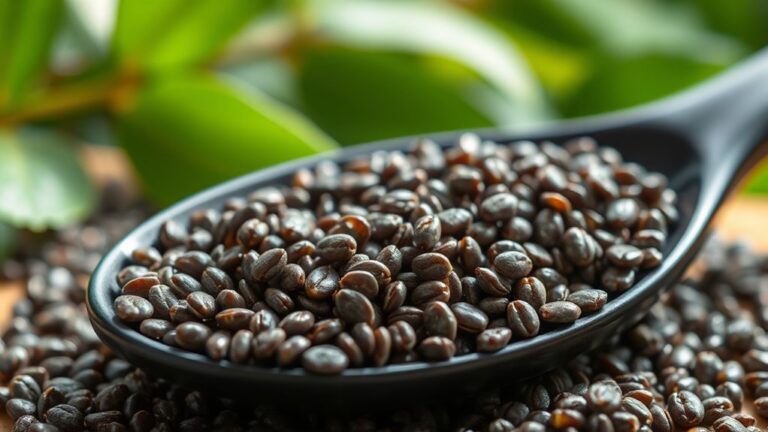
You can enjoy pumpkin seeds in various culinary uses, from salads to snacks, making them a versatile addition compared to other seeds like sunflower or chia seeds.
What Is the Best Time of Day to Eat Pumpkin Seeds?
You should eat pumpkin seeds in the morning or as a midday snack to keep your energy levels steady. Think of it as hitting two birds with one stone.
The ideal time to enjoy them helps boost your digestive benefits, thanks to their fiber and nutrients. This way, your gut gets a good start to the day.
Eating pumpkin seeds at these times also maximizes their nutritional impact, supports digestion, and keeps you feeling full longer. It’s a smart addition to your routine.
Can Pumpkin Seeds Improve Bone Health?
Yes, pumpkin seeds can improve your bone health. They’re rich in calcium, which helps make bones stronger, and magnesium, which boosts bone density and helps your body absorb calcium better.
Plus, pumpkin seeds have anti-inflammatory properties that can reduce bone-related inflammation, supporting overall bone strength.
Including pumpkin seeds in your diet gives you essential nutrients that promote healthier bones. It’s a simple, tasty way to naturally give your bones a boost.
Conclusion
By now, you see how pumpkin seeds can be a powerful addition to your diet. They’re packed with nutrients that boost your heart, immunity, and digestion—all while fitting into your daily routine.
Remember, a healthy lifestyle is a journey, not a sprint. Incorporate these seeds wisely, and you’ll be planting seeds of wellness that grow stronger each day.
As the saying goes, “You are what you eat,” so choose nourishment that fuels your best self. Including pumpkin seeds in your diet is a simple step toward better health.