What Is a Photoperiod and Why It Matters for Plant Growth
A photoperiod is the length of time each day that an organism, particularly plants, is exposed to light. This duration of daily light significantly influences plant growth phases, including flowering and vegetative stages. Understanding photoperiods is key for managing plant development effectively.
Plants rely on light signals to regulate their internal biological clocks, making photoperiods critical for timing processes like seed germination, flowering, and dormancy. Different plants have specific photoperiod requirements to trigger these stages, adapting to seasonal changes in their natural environments.
This article will explore various aspects of photoperiods, including their role in horticulture, how to manipulate light cycles for desired plant outcomes, and the types of photoperiod responses across species. By the end, you’ll have a clear grasp of why photoperiods matter and how to use them in gardening or farming.
Understanding Photoperiods: How Light Duration Affects Plants
Photoperiodism and Plant Physiology
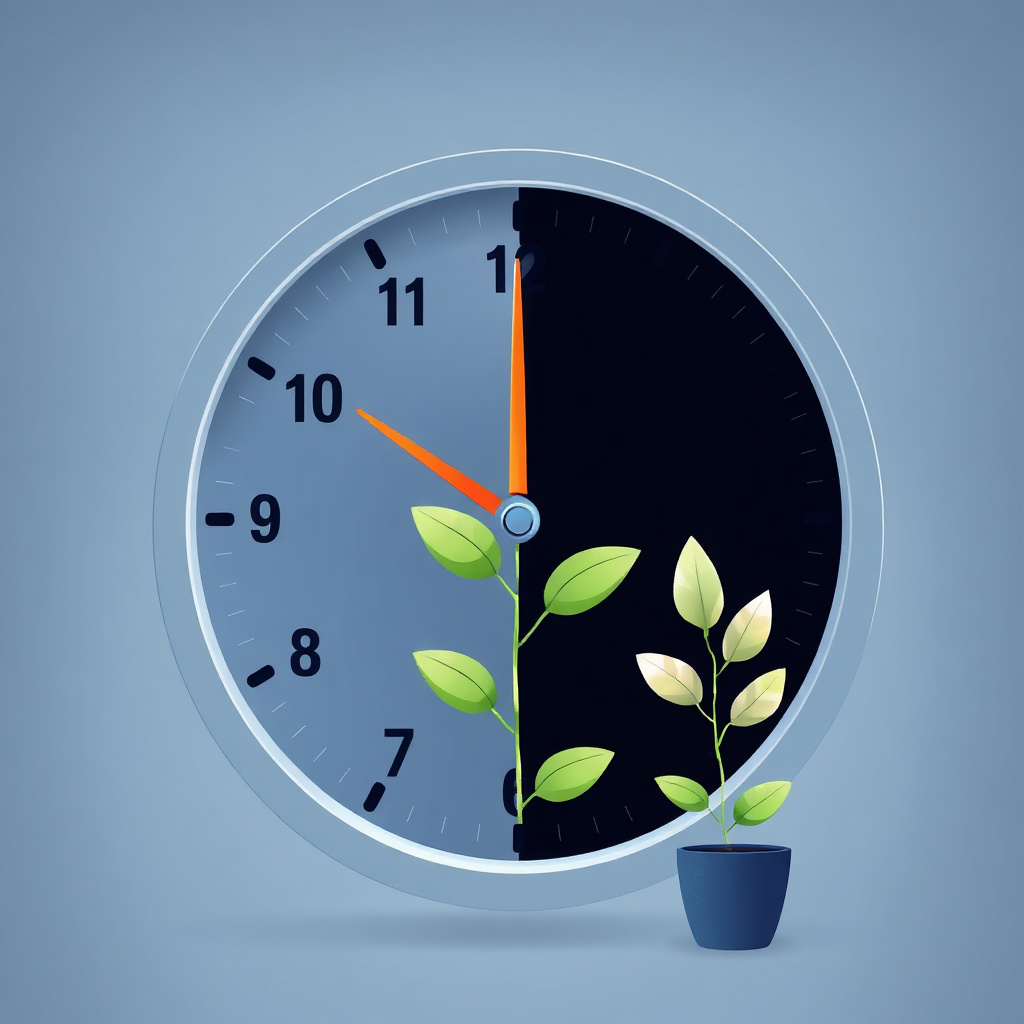
Photoperiodism is the physiological reaction of plants to the length of day or night. Plants detect changes in light through photoreceptors like phytochrome and cryptochrome, which trigger hormonal shifts controlling growth processes.
These photoreceptors help synchronize functions like flowering and leaf shedding with environmental cycles. For example, longer days can signal readiness to flower in long-day plants, while shorter days may trigger flowering in short-day plants.
Types of Photoperiod Responses in Plants
Plants generally fall into three categories based on their photoperiod sensitivity: short-day, long-day, and day-neutral. Short-day plants flower when daylight is shorter than a critical length; long-day plants flower when daylight exceeds a threshold.
Day-neutral plants are indifferent to day length and flower regardless of light duration. Knowing a plant’s photoperiod type aids growers in scheduling and light manipulation for optimal cultivation.
- Short-day plants: chrysanthemums, poinsettias
- Long-day plants: spinach, lettuce
- Day-neutral plants: tomatoes, cucumbers
Photoperiods in Horticulture: Using Light Cycles for Growth Control
Manipulating Photoperiods with Artificial Lighting
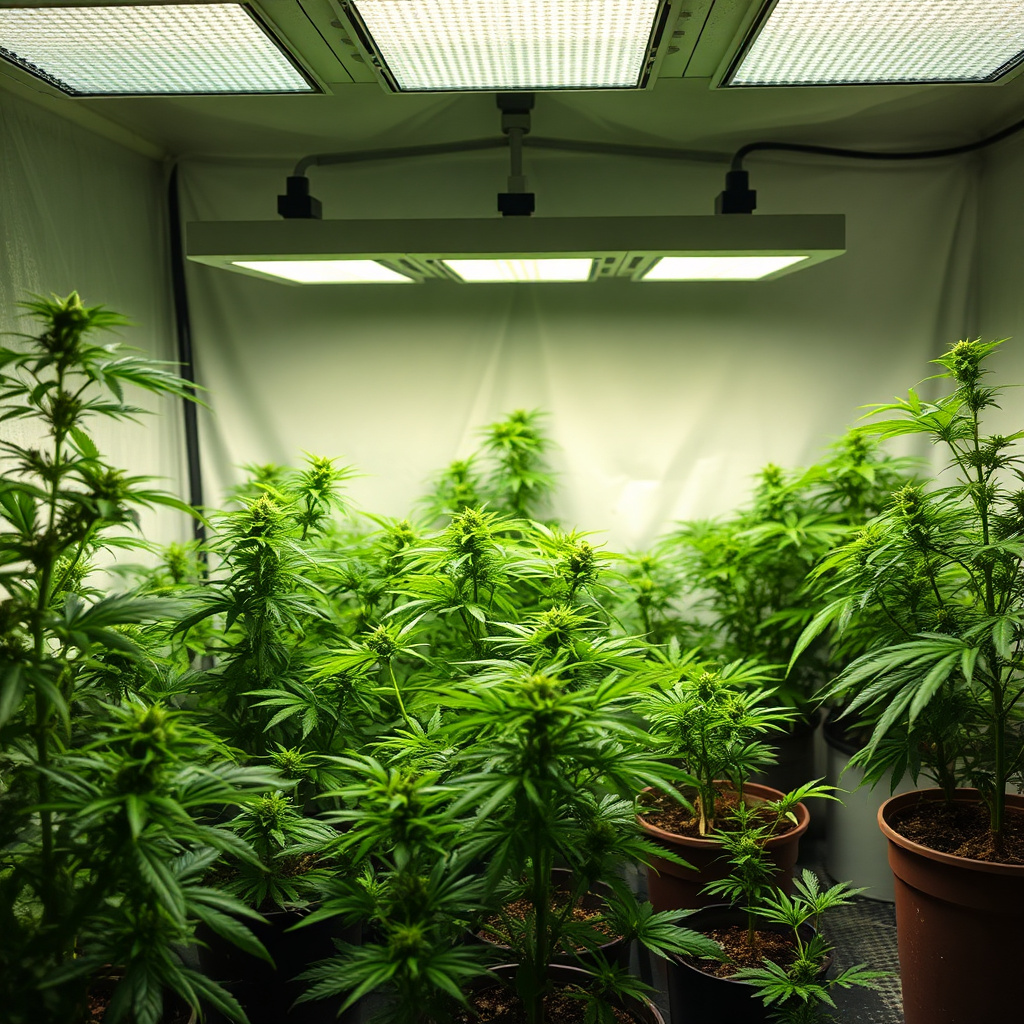
Artificial lighting allows growers to control photoperiods precisely, extending or shortening daylight to influence plant development stages. This technique is common in greenhouses and indoor gardening setups where natural light isn’t reliable.
By adjusting light cycle timers, growers can simulate seasonal changes or create custom growth environments, accelerating flowering or vegetative phases depending on their goals.
For more on this, see our related guide: Autoflower vs Photoperiod: Which Cannabis Type Is Right for You?.
Practical Applications of Photoperiod Control
Photoperiod control benefits commercial growers seeking to increase yields or synchronize crop cycles. For example, cannabis cultivation heavily depends on adjusting light cycles to induce flowering at the desired time.
Similarly, floriculture industries use photoperiod adjustments to produce off-season blooms, enhancing market availability and profitability.
The Science Behind Photoperiods and Circadian Rhythms
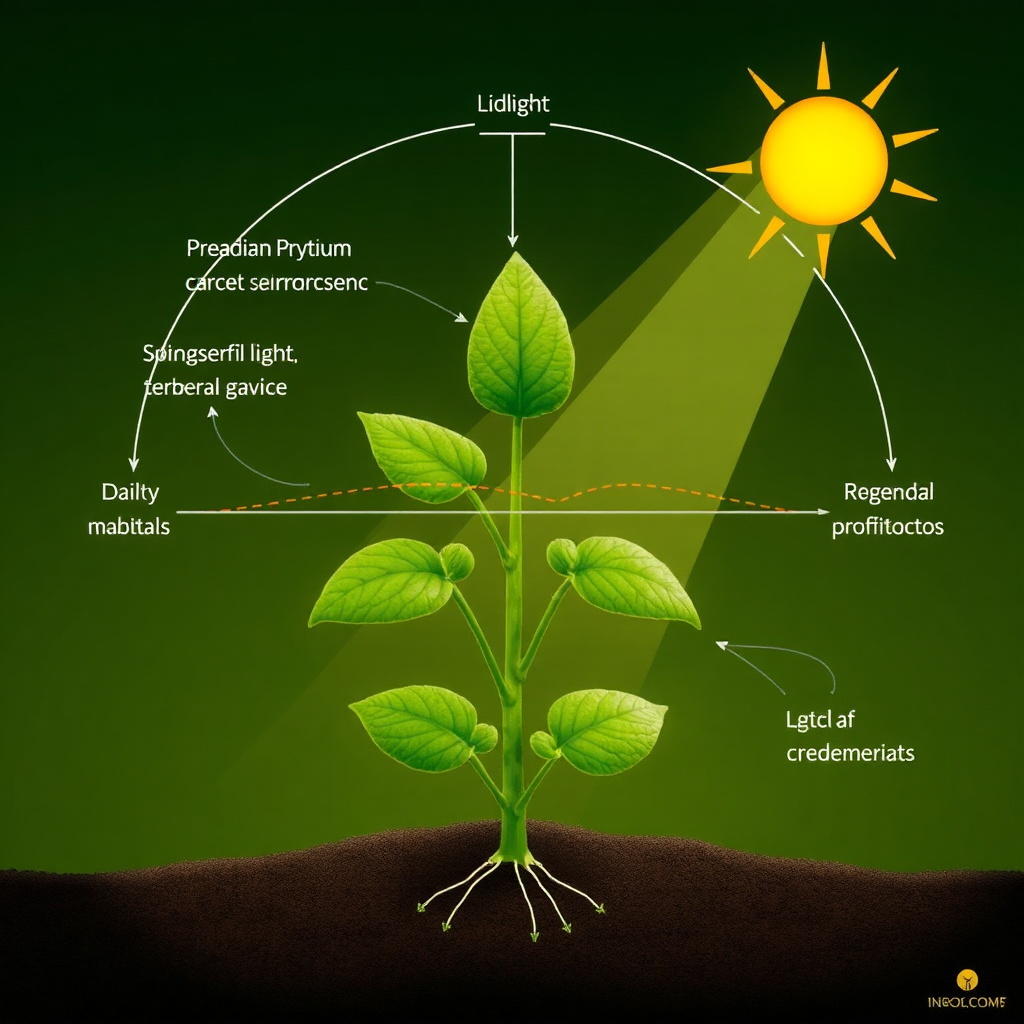
Photoperiods as Environmental Cues
Photoperiods act as environmental signals that help plants regulate internal clocks known as circadian rhythms. These biological rhythms orchestrate vital functions like photosynthesis, hormone production, and flowering timing.
By responding to day length changes, plants adapt their strategies for survival and reproduction to seasonal variations in their habitats.
Interaction Between Photoperiod and Temperature
While photoperiod primarily governs flowering time, temperature can modify or fine-tune this response. Some plants require both short days and cool temperatures to initiate flowering, a phenomenon called vernalization.
This interaction ensures plants flower during optimal environmental conditions, enhancing reproductive success.
Measuring and Adjusting Photoperiods for Specific Plants
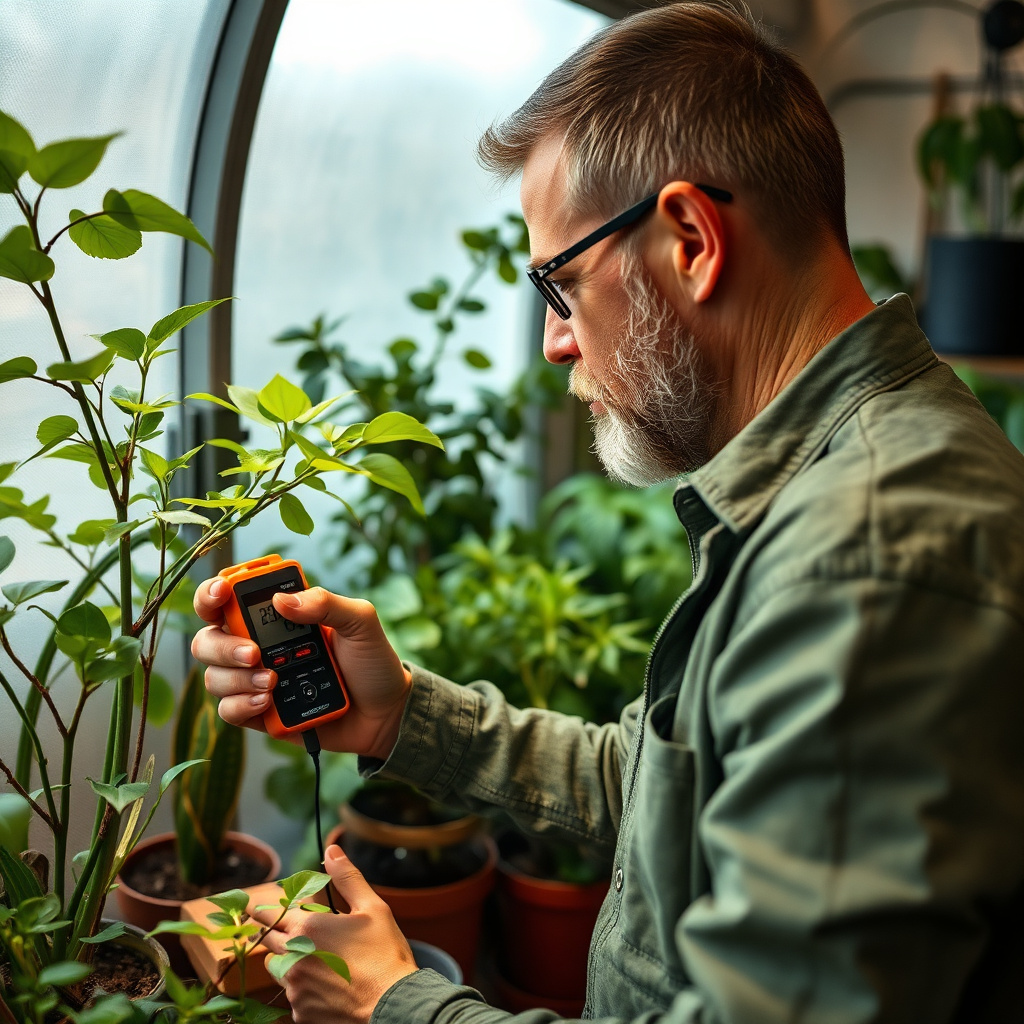
Technologies for Photoperiod Measurement
Light meters and timers are essential tools for controlling photoperiods, especially indoors. Light meters measure intensity and duration, ensuring plants receive the ideal light period.
Timers automate light cycles, turning grow lights on and off to mimic desired day lengths without manual intervention.
- Digital light meters
- Automatic timers
- Smartphone apps for monitoring
For more on this, see our related guide: Cannabis Seed FAQ: Answers to Your Most Common Questions.
Tailoring Photoperiods to Plant Needs
Adjusting photoperiods requires knowing each plant’s light requirements. This includes the critical day length needed to trigger flowering or other growth phases.
For example, to flower short-day plants, growers must reduce light hours below the critical threshold, whereas for long-day plants, increasing light duration is necessary.
Photoperiod Importance in Agriculture and Ecology
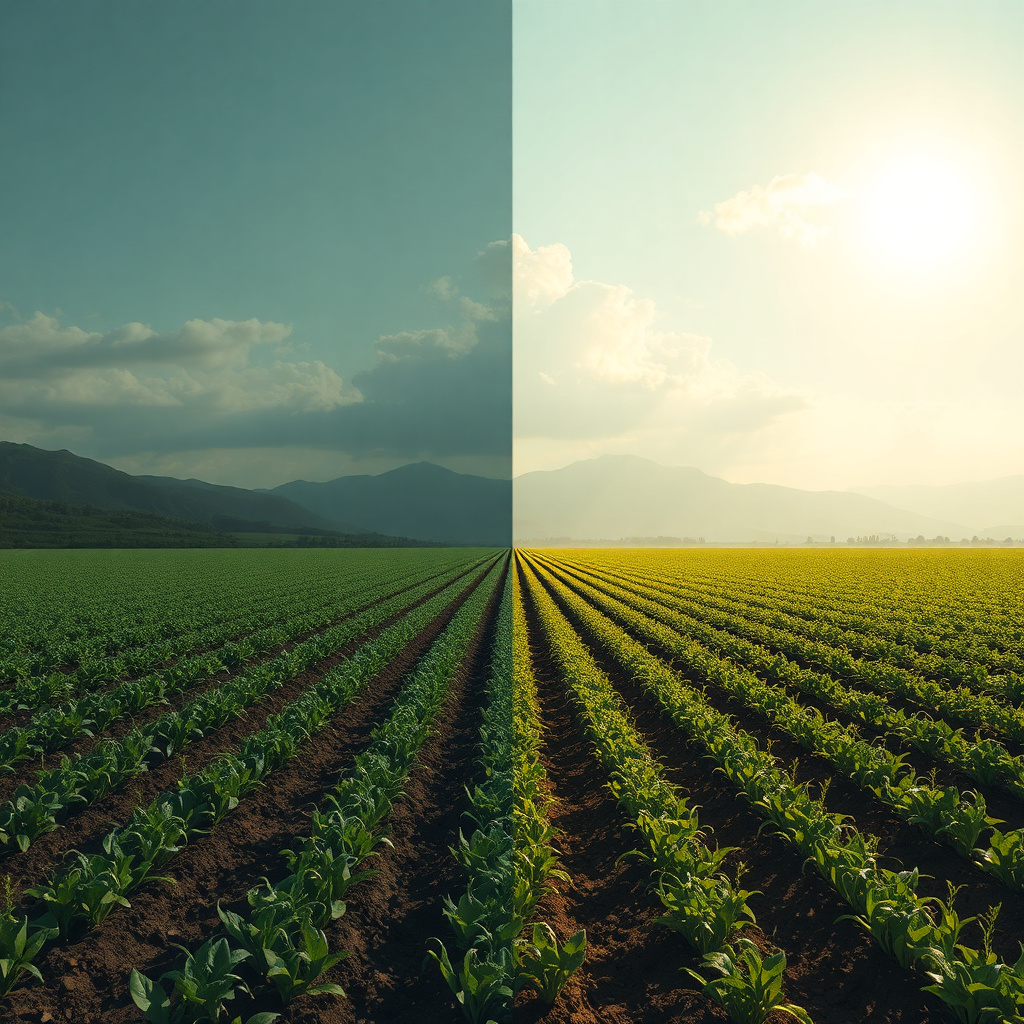
Agricultural Planning Based on Photoperiods
Farmers use photoperiod information to plan planting and harvesting schedules, matching crop cycles to regional day length variations for maximum productivity.
Selecting varieties with suitable photoperiod sensitivities helps improve crop success in different latitudes and climates.
For more detailed scientific information about photoperiodism, visit the photoperiodism Wikipedia page. photoperiodism.
Ecological Impacts of Photoperiod Changes
Photoperiods influence not only plants but also animal behaviors such as migration and reproduction, linking ecosystems through seasonal cycles.
Climate change may disrupt these cycles, affecting ecological balance and species survival.
Photoperiod Plant Categories Comparison
This table compares the main photoperiod sensitivity categories, highlighting flowering triggers and typical examples for each.
| Category | Flowering Trigger | Typical Plants | Growth Focus |
|---|---|---|---|
| Short-day | Day length shorter than critical period | Chrysanthemums, Poinsettias | Flowering in fall/winter |
| Long-day | Day length longer than critical period | Spinach, Lettuce | Flowering in spring/summer |
| Day-neutral | Unaffected by day length | Tomatoes, Cucumbers | Flowering anytime |
| Intermediate | Flowering requires both light and temperature cues | Carnations, Some cereals | Dependent on multiple factors |
Frequently Asked Questions
How does photoperiod affect flowering in plants?
Photoperiod regulates flowering by signaling plants when to bloom based on day length, ensuring flowering coincides with favorable conditions.
Can photoperiod be manipulated indoors?
Yes, using artificial lights and timers indoors enables growers to adjust photoperiods, controlling plant growth and flowering cycles effectively.
What distinguishes short-day and long-day plants?
Short-day plants flower when days grow shorter than a specific length, whereas long-day plants flower when days are longer than a critical duration.
Do all plants respond to photoperiods the same way?
No, plants differ in sensitivity; some are day-neutral and flower regardless of photoperiod, while others require precise light cues.
Why is photoperiod important in agriculture?
Understanding photoperiod helps farmers select suitable crop varieties and optimize planting times for increased yield and quality.
Key Takeaways
- Photoperiod is the daily length of light exposure influencing plant growth phases.
- Plants are categorized into short-day, long-day, and day-neutral types based on photoperiod response.
- Artificial lighting allows precise photoperiod control for indoor and commercial growing.
- Photoperiod knowledge is vital for agricultural scheduling and ecological balance.
Conclusion
Understanding photoperiods is fundamental for controlling plant growth effectively. By recognizing how light duration triggers processes such as flowering and dormancy, gardeners and farmers can synchronize their practices with natural rhythms. A grasp of photoperiodism allows adaptation to environmental conditions and improves crop planning strategies, making it a cornerstone of horticulture.
For practical application, growers working with short-day plants like chrysanthemums should consider reducing light exposure to stimulate flowering, while those handling long-day crops such as lettuce can increase daylight hours artificially. Day-neutral plants like tomatoes afford more flexibility. Utilizing tools like timers and light meters can further refine growth conditions by mimicking the ideal photoperiods tailored to each species’ requirements.
If you want to optimize plant health and yield, start by identifying your plants’ photoperiod category and environment. Experiment with controlled lighting to adjust growth phases accordingly. This targeted approach shores up success whether you’re managing an indoor garden or planning seasonal agricultural production.