How to Make Compost: A Practical Guide to Turning Waste into Nutrient-Rich Soil
Making compost is a straightforward process that transforms organic waste like kitchen scraps and garden debris into nutrient-rich soil amendment through natural decomposition. To start, gather a mix of green materials (nitrogen-rich) like vegetable peels and brown materials (carbon-rich) such as dried leaves, alternating layers to balance moisture and airflow. Regularly turning the pile accelerates breakdown, yielding rich compost in a few months.
Composting reduces landfill waste while improving soil health by returning vital nutrients and enhancing moisture retention. It's an environmentally friendly way to recycle organic matter that would otherwise become methane gas in landfills. Moreover, healthy compost supports robust plant growth, minimizing reliance on chemical fertilizers and pesticides.
This article will cover essential composting principles, various methods suitable for different lifestyles, troubleshooting common issues, and tips to speed up the composting cycle. You'll learn how to select materials, manage the pile, and utilize finished compost to boost your garden’s productivity.
Understanding Compost Basics
What Materials Can Be Composted?
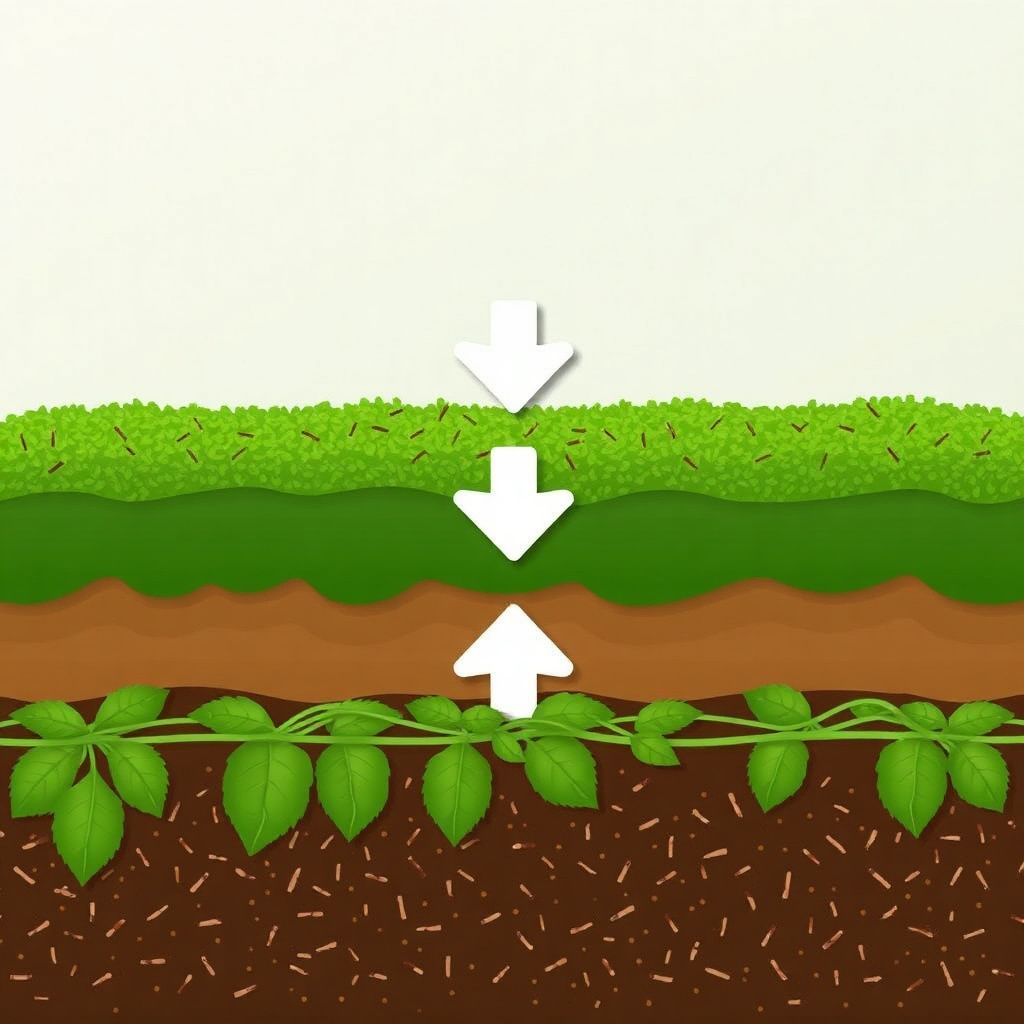
Compostable materials include green waste like fruit scraps, coffee grounds, and grass clippings, which provide nitrogen, and brown waste such as dried leaves, twigs, and shredded newspaper, which supply carbon. A healthy compost pile maintains a mix roughly two parts brown to one part green to balance microbial activity.
Avoid composting meat, dairy, diseased plants, or pet waste, as these can attract pests or spread pathogens. Proper selection of materials prevents odors and keeps the composting process smooth and safe for home use.
- Green materials: vegetable scraps, coffee grounds, fresh grass clippings
- Brown materials: dried leaves, straw, cardboard, paper
- Avoid: meat, fats, dairy, pet waste, diseased plants
Why Balance Carbon and Nitrogen?
Carbon provides energy for microbes, while nitrogen supports their growth and reproduction. Without adequate carbon, the pile can become smelly and slimy, while too much carbon slows decomposition. Balancing these elements activates the microbial community that breaks down organic matter efficiently.
Adjust the pile by adding more brown materials if there’s a strong ammonia smell indicating excess nitrogen, or more green debris if decomposition is slow and dry. Maintaining moisture and aeration complements this balance to speed decomposition.
Composting Methods for Different Needs
Traditional Backyard Composting
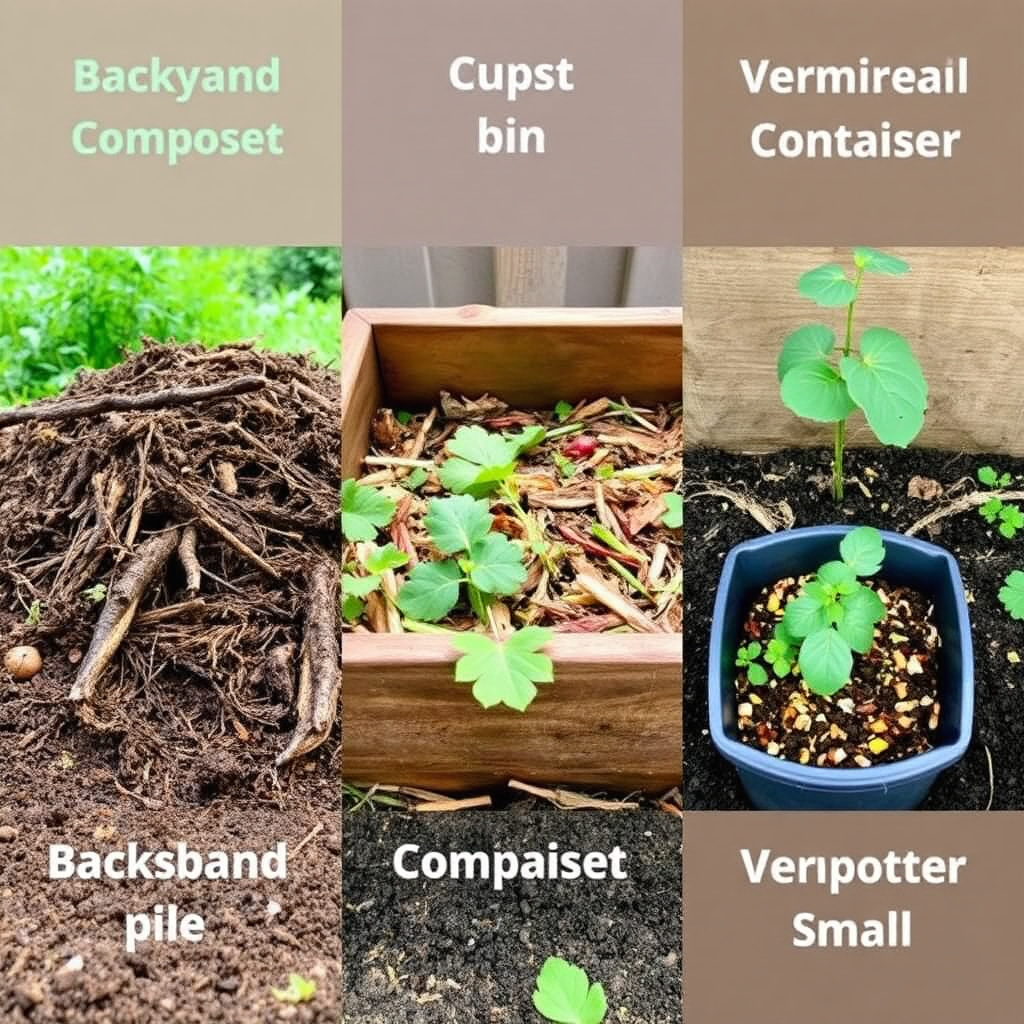
This method uses a designated pile or bin in the yard where organic waste is layered and turned regularly. It requires space and active management but produces large amounts of compost suitable for garden beds and landscaping.
Turning the pile with a pitchfork or compost aerator every few weeks releases oxygen, which microbes need to thrive. Monitoring moisture and temperature helps maintain an ideal environment for bacteria and fungi.
- Requires 3×3 feet minimum space
- Regular turning every 1-2 weeks
- Best for gardeners with ample yard space
For more on this, see our related guide: How to Plant Seeds at the Right Depth for Successful Growth.
Vermicomposting for Small Spaces
Vermicomposting uses special worms that consume food scraps and produce nutrient-rich castings. This method suits indoor or balcony gardeners since worm bins are compact and odor-free when managed properly.
Worm bins require consistent feeding, moderate moisture, and protection from direct sunlight. They efficiently process vegetable scraps but don't handle large volumes of brown waste, so adding shredded paper helps balance carbon content.
- Uses red wiggler worms
- Ideal for apartment dwellers
- Produces fast, high-quality compost
Managing Your Compost Pile
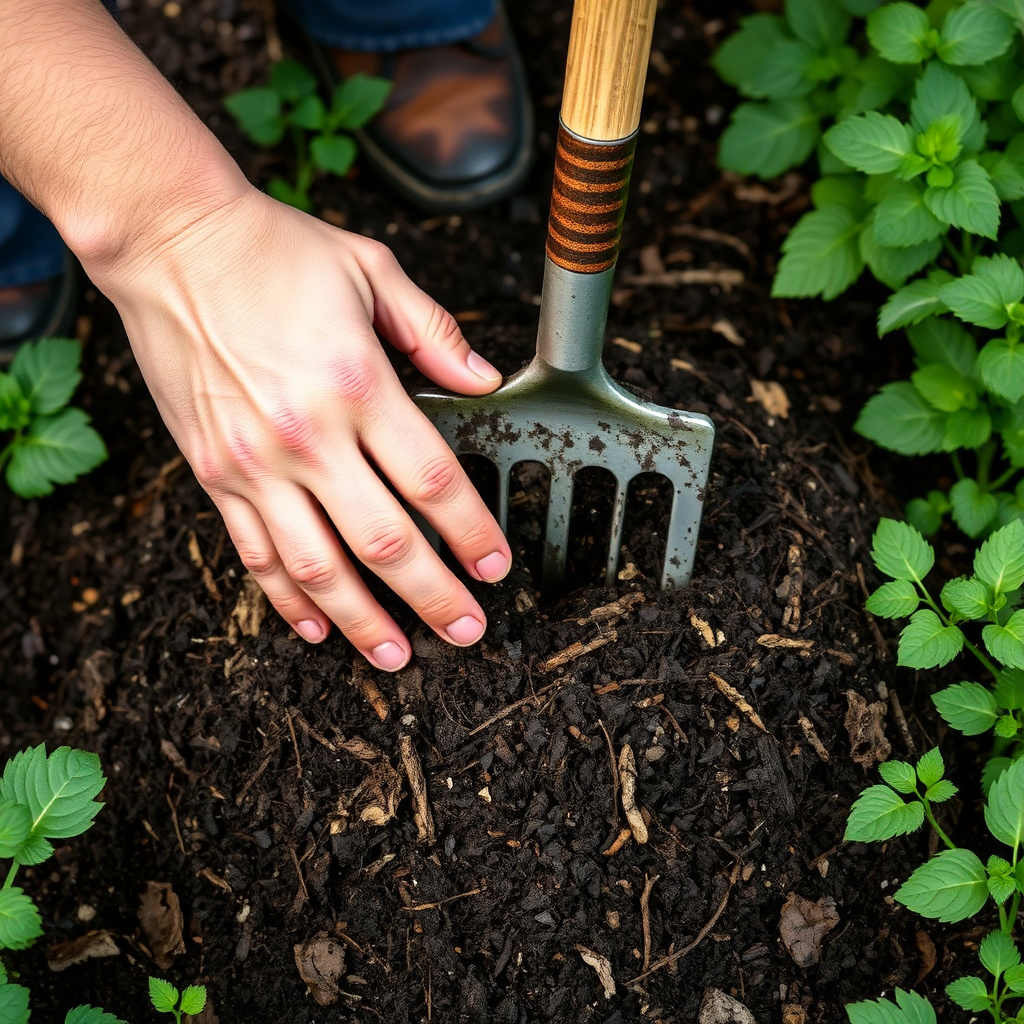
Turning and Aeration Techniques
Regularly turning the compost pile introduces oxygen critical for aerobic microbes that break down organic matter. Without sufficient airflow, decomposition slows and unpleasant odors can develop due to anaerobic bacteria.
Use a garden fork or compost aerator tool to mix the pile every two weeks, ensuring even moisture distribution and exposing fresh material to microbial activity. Avoid over-tamping the pile, which restricts airflow.
- Turn pile every 1-2 weeks
- Loosen compacted layers
- Check for dry or soggy spots
Monitoring Moisture Levels
Compost needs to stay as moist as a wrung-out sponge. Too dry and microbes go dormant; too wet and the pile becomes anaerobic and smelly. If the pile is dry, add water gradually and mix it in. If too wet, add dry brown materials and turn to improve drainage.
Covering the pile with a tarp during heavy rains prevents excess moisture while retaining warmth during cold weather, stabilizing conditions for steady decomposition.
- Aim for 40-60% moisture
- Add water or dry material to adjust
- Use tarp to manage rain exposure
Troubleshooting Common Compost Issues
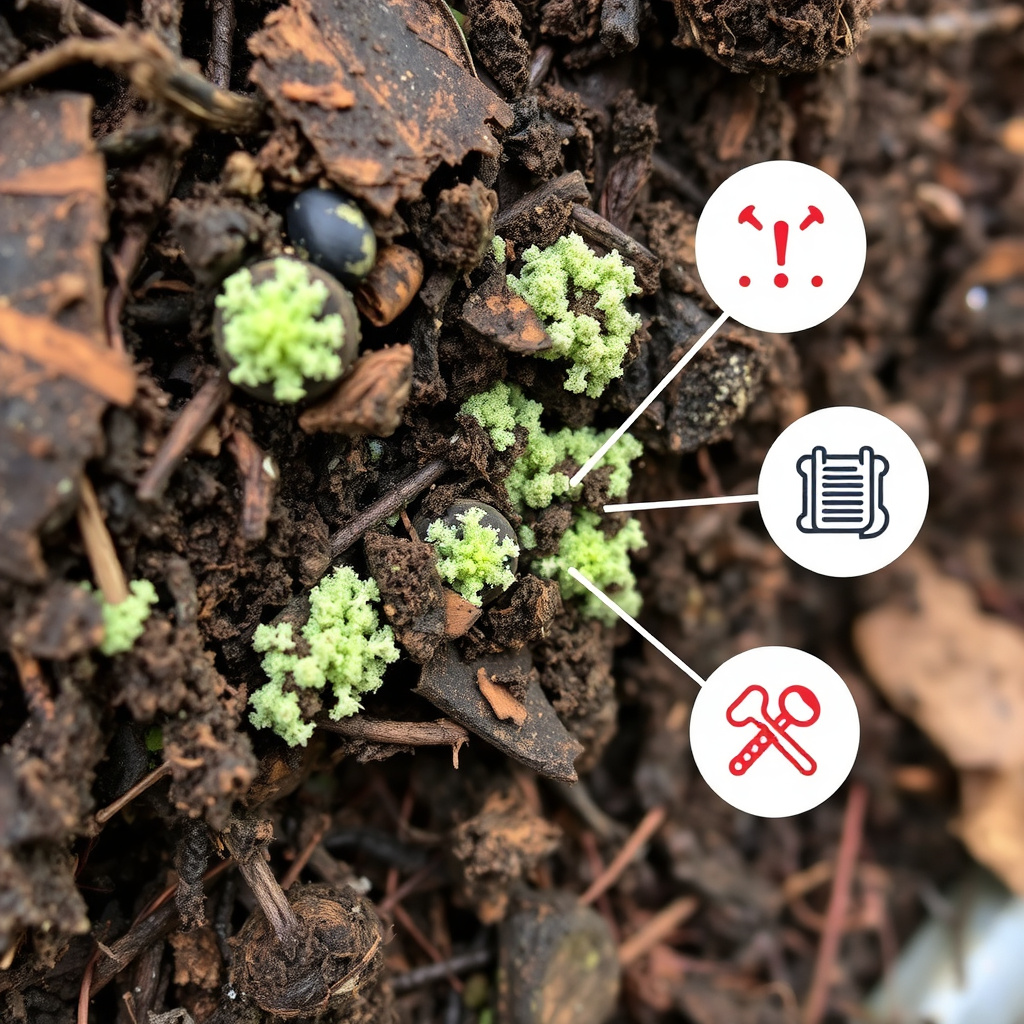
Handling Odors and Pests
Foul odors usually indicate excess nitrogen or poor aeration, causing anaerobic conditions. To fix, turn the pile to introduce air and add dry brown materials like leaves or shredded paper to soak up moisture.
Pests such as rodents can be deterred by burying food scraps deeper and avoiding meat or greasy foods. Using secure compost bins with lids can also reduce unwanted visitors.
- Turn pile to reduce odors
- Add brown materials for absorption
- Avoid meat and dairy scraps
- Use covered bins
For more on this, see our related guide: How to Transplant Seedlings Without Stressing Your Plants.
Slow Decomposition Problems
If compost is breaking down slowly, it may be due to low temperatures, incorrect carbon-to-nitrogen ratio, or insufficient moisture. Smaller particle sizes and regular turning improve surface area and microbial access.
Adding compost starters or finished compost can introduce active microbes to jump-start the process, especially in cooler climates where microbial activity is reduced.
- Chop materials finely
- Maintain balanced green and brown mix
- Moisten pile adequately
- Add compost starter if needed
Using Finished Compost in Your Garden
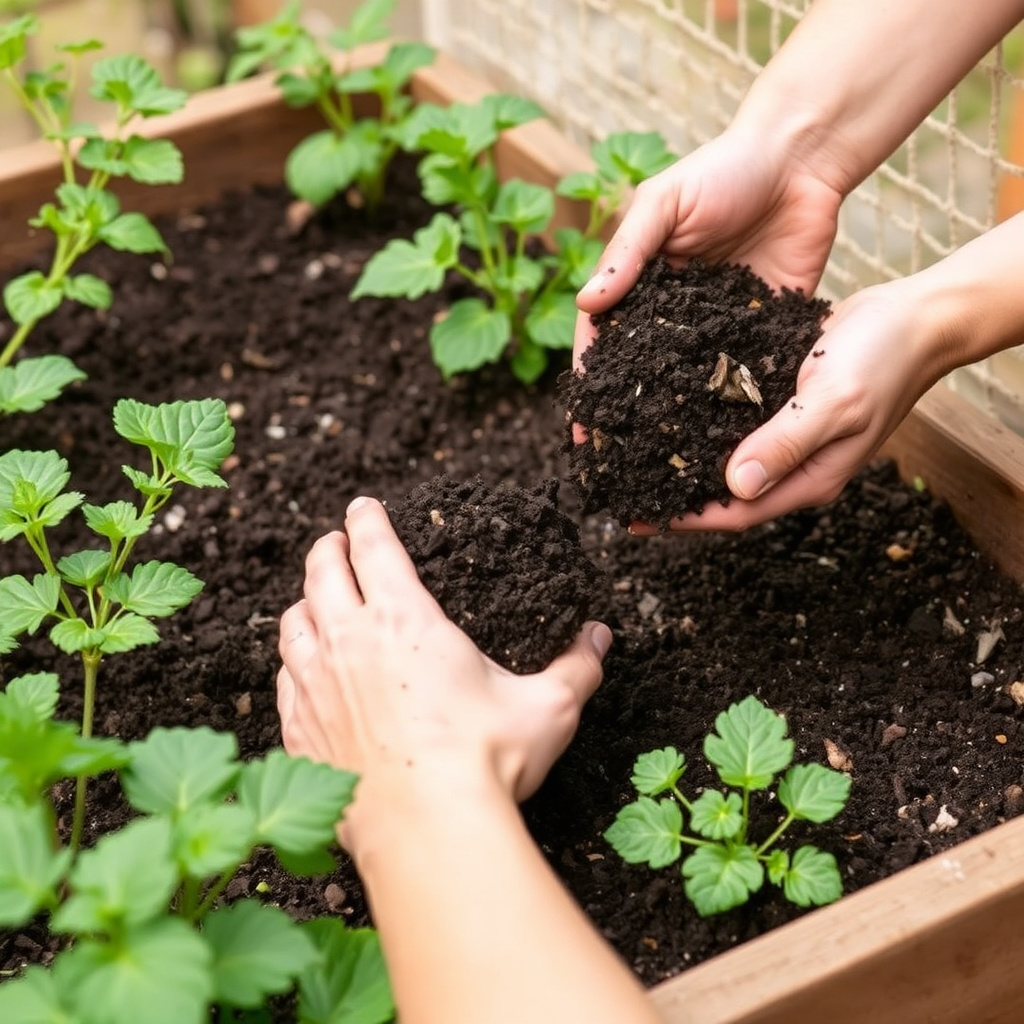
How to Recognize Finished Compost
Finished compost looks dark, crumbly, and earthy, with no recognizable food scraps or leaves. It should smell fresh and slightly sweet rather than sour or rotten. The texture is loose and crumbly, indicating thorough decomposition.
Before using, sift compost to remove large bits that need more time to break down. This helps achieve a fine texture that mixes easily into garden soil.
- Dark brown color
- Earthy smell
- No visible food or plant pieces
For those interested in the science and history behind composting, the composting Wikipedia article offers detailed insights. composting Wikipedia article.
Benefits of Adding Compost to Soil
Compost enhances soil structure by improving aeration and water retention, which benefits root growth. It supplies essential nutrients like nitrogen, phosphorus, and potassium and encourages beneficial microbial life.
Applying compost as a top dressing or soil amendment reduces the need for synthetic fertilizers and helps plants resist diseases and drought stress, promoting long-term soil health.
Composting Methods Category Comparison
Here is a comparison of common composting methods to help you choose based on space, speed, and maintenance requirements.
| Method | Space Required | Processing Time | Maintenance Level | Best For |
|---|---|---|---|---|
| Backyard compost pile | Medium to large yard | 3-6 months | Moderate (turning & monitoring) | Home gardeners with yard space |
| Compost bin | Small to medium space | 3-4 months | Moderate | Urban gardeners with limited yard |
| Vermicomposting | Indoor or balcony | 1-3 months | High (feeding worms regularly) | Apartment dwellers and small scale |
| Tumbler composters | Small yard or patio | 1-3 months | Low to moderate (rotation) | Gardeners wanting faster results |
| Bokashi composting | Indoor kitchen | Fermentation 2 weeks + soil break down | Moderate (specific inoculant) | Those wanting rapid kitchen waste processing |
Frequently Asked Questions
How often should I turn my compost pile?
Turning your compost pile every one to two weeks helps introduce oxygen that supports aerobic microbes, which speeds up decomposition and helps prevent odors.
Can I compost citrus peels and onions?
Yes, citrus peels and onions can be composted in moderation, but large amounts may slow down the process due to their acidity and strong smell.
Is it normal for compost to smell bad sometimes?
A bad smell usually means the pile is too wet or has an imbalance in materials causing anaerobic conditions; turning the pile and adding dry brown materials fixes this.
How long does it take to make finished compost?
Depending on conditions and method, compost typically takes between three to six months to fully decompose into rich, usable soil.
Can I compost weeds from my garden?
You can compost weeds if they haven’t gone to seed and are free from herbicides; mature seeds can survive and spread if added to compost.
Key Takeaways
- Balance green and brown materials to maintain healthy microbial activity.
- Regularly turn and moisten the compost pile for faster decomposition.
- Choose a composting method suited to your space and lifestyle.
- Finished compost improves soil nutrients and structure for healthier plants.
Conclusion
Creating your own compost is a manageable project that yields significant benefits for your garden and the environment. By understanding the balance of carbon and nitrogen materials, and maintaining proper moisture and aeration, you can replicate nature’s recycling process effectively. Whether using traditional backyard piles or modern vermicomposting bins, patience and attention to detail result in high-quality compost that enriches soil health naturally.
Specific composting methods suit different needs: backyard piles work well for those with space and willingness to maintain the pile regularly, while vermicomposting offers an efficient solution for limited indoor areas. Tumbler composters provide faster results through easy rotation, and Bokashi suits kitchen waste fermentation before soil incorporation. Assess your available resources, volume of organic waste, and personal commitments to pick the method that fits you best.
Starting to compost transforms waste into a valuable resource that benefits plants, reduces landfill contributions, and supports sustainable gardening practices. Gather your kitchen scraps, yard materials, and a suitable container or space, then apply the steps outlined here. With consistent care and monitoring, you will soon enjoy the rewards of homemade, nutrient-dense compost that nurtures your garden naturally.