Is It Legal to Order Seeds from Another Country? What You Need to Know
Yes, it can be legal to order seeds from another country, but the process is governed by strict regulations that vary depending on the type of seed, the country of origin, and your local laws. Many countries have quarantine and inspection requirements designed to prevent the spread of pests and diseases through imported seeds.
This matters because seeds can carry pests, diseases, or invasive plant species harmful to local ecosystems and agriculture. Authorities carefully monitor seed imports to safeguard biodiversity and farm productivity. Ignoring regulations can lead to fines, seizure of shipments, and other penalties.
This article will detail the legal landscape surrounding international seed orders, including how to identify which seeds you can legally import, necessary documentation and permits, and tips on finding reputable seed suppliers who comply with import rules.
Understanding International Seed Import Laws

Global regulations for seed import
Many countries adhere to international agreements like the International Plant Protection Convention (IPPC) that set standards for importing plant materials, including seeds.
Customs and agricultural agencies enforce these laws to prevent the introduction of invasive species or pathogens that could disrupt local ecosystems or agriculture.
- International Plant Protection Convention (IPPC)
- CITES where applicable
- Local embassy or agricultural ministry regulations
Common restrictions on seed types
Certain seeds, such as genetically modified or endangered plant seeds, often face stricter import restrictions or outright bans.
Each country maintains a list of prohibited or controlled seeds which can vary widely, so it's essential to verify this before ordering.
- Seeds with invasive potential
- Genetically modified organisms (GMOs)
- Threatened or endangered species' seeds
How to Legally Order Seeds from Another Country

Navigating permits and paperwork
Most countries require import permits or phytosanitary certificates for seeds to ensure they meet health standards.
You or the seller typically need to acquire this documentation before shipping, indicating the seeds are free from pests and diseases.
- Phytosanitary certificate issued by the exporting country
- Import permit from your country’s agricultural department
- Proper customs declarations
Choosing reputable seed suppliers
Working with established suppliers helps avoid legal troubles since they often handle permits and comply with international standards.
Reputable sellers also provide accurate seed descriptions, certifications, and shipping methods that meet regulations.
- Seed certification labels
- Transparent shipping and tracking info
- Customer reviews and compliance records
Risks of Ordering Seeds Illegally or Without Proper Clearance
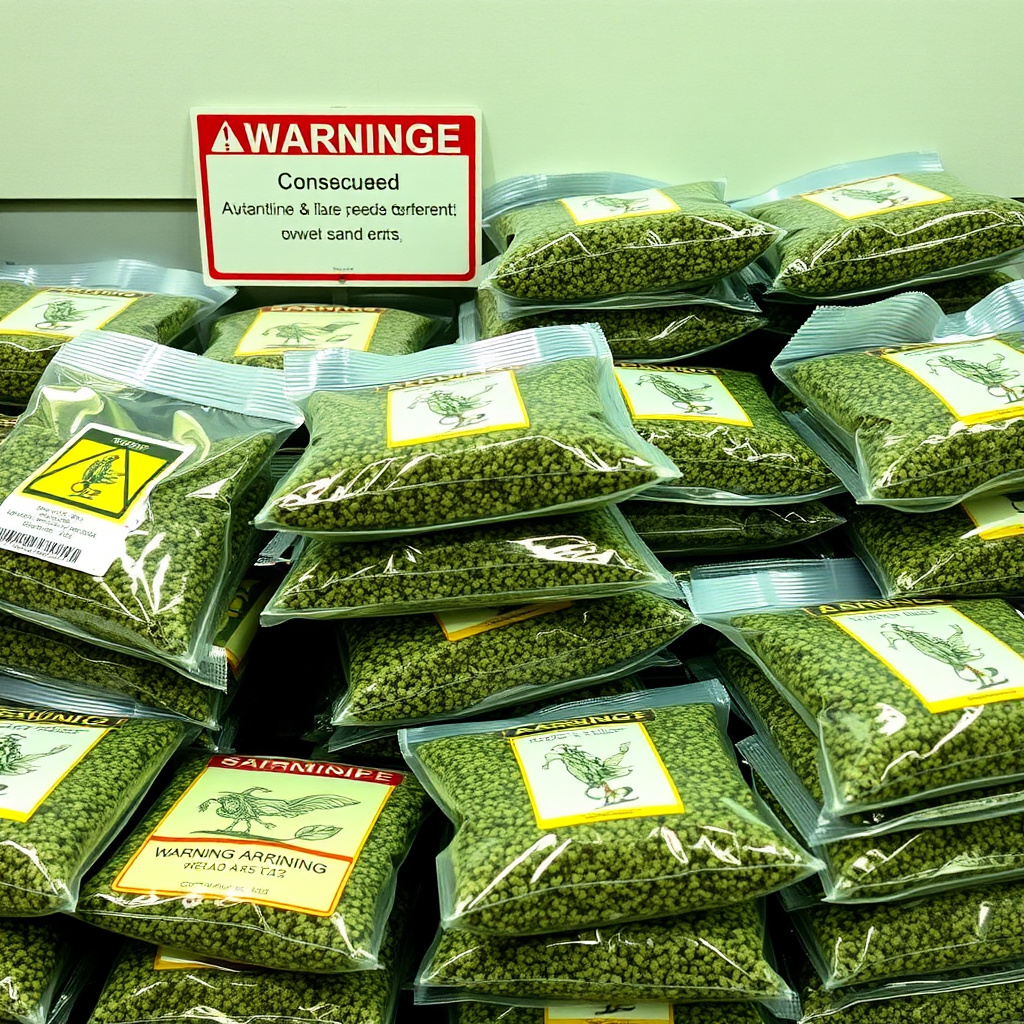
Consequences of illegal seed importation
Importing seeds illegally can result in confiscation, fines, and penalties, affecting both the buyer and seller.
It may also lead to biosecurity threats if uninspected seeds carry diseases or invasive plants into your country.
- Heavy fines or legal action
- Seed destruction by authorities
- Potential damage to local agriculture
For more on this, see our related guide: Top 7 Places to Buy Weed Seeds Online.
How biosecurity laws protect agriculture
Biosecurity laws are in place to reduce the risk of introducing harmful pests or diseases that could devastate crops or natural flora.
These laws require strict controls and inspections of imported plant materials, including seeds, safeguarding farmers and ecosystems.
- Mandatory inspections
- Restricted seed varieties
- Surveillance programs
Alternatives to Importing Seeds Internationally

Finding local seed suppliers
Many countries have abundant native or adapted seed varieties available through local suppliers, bypassing import restrictions.
Purchasing locally can be faster, cheaper, and helps preserve native plant genetics.
- Garden centers and nurseries
- Seed exchanges and local growers’ cooperatives
- Community seed banks
Utilizing seed exchanges and community networks
Community seed swaps allow gardeners to share seeds legally and support biodiversity within local environments.
These networks often emphasize native or adapted varieties that thrive in your climate with fewer regulatory hurdles.
- Community gardening groups
- Nonprofit seed libraries
- Regional seed exchange events
Tips for Successfully Ordering Seeds Internationally

Checking country-specific seed import rules
Before ordering, research your national agricultural websites or contact regulatory agencies to confirm which seeds are allowed.
Rules can change, so always verify current policies to avoid surprises at customs.
- Visit official agriculture department websites
- Use online seed import checklists
- Contact customs or biosecurity officials directly
Proper packaging and labeling for international shipping
Seeds must be packed securely with labeling that identifies species and origin to meet customs requirements.
Clear, honest documentation helps avoid delays or refusals in transit.
- Use sealed, tamper-proof packaging
- Include species name and country of origin
- Attach phytosanitary certificates
Understanding the Role of Organic and Heirloom Seeds

Legal considerations for organic seeds
Organic seeds often meet stricter standards and may fall under additional regulations in some countries.
Importers should check whether organic certification is recognized internationally to avoid compliance issues.
- Organic certification documentation
- Recognition of certifying bodies
- Import permits specific to organic products
Further details on global standards for seed importation can be found through the International Plant Protection Convention. International Plant Protection Convention.
Heirloom seeds and international trade
Heirloom seeds are prized for their genetic diversity but may still be subject to the same import restrictions as other seeds.
Their non-GMO status can make them easier to import, but phytosanitary checks remain mandatory.
- Non-GMO status often preferred
- Subject to pest inspection
- Valued for seed diversity preservation
Comparison of Seed Import Categories
Here’s how different categories of seeds typically compare regarding import restrictions, paperwork, and risks.
| Seed Category | Common Import Restrictions | Required Documentation | Biosecurity Risk Level |
|---|---|---|---|
| Common garden seeds | Usually permitted with phytosanitary certificate | Phytosanitary certificate, import permit | Low |
| Genetically modified seeds | Often banned or heavily restricted | Special permits, thorough inspections | High |
| Heirloom seeds | Usually permitted if not invasive | Phytosanitary certificate | Low |
| Organic seeds | May require organic certification | Phytosanitary and organic certificates | Low to moderate |
| Endangered species seeds | Generally prohibited | Rarely allowed, requires CITES permits | High |
Frequently Asked Questions
Can I order any type of seed from overseas?
No, many seeds are restricted or banned due to biosecurity risks. Checking your country's import regulations and permitted seed lists is essential before ordering.
What is a phytosanitary certificate, and why do I need it?
A phytosanitary certificate verifies that seeds are pest- and disease-free, issued by the exporting country's plant health authorities, and is usually required for legal import.
Are there penalties for importing seeds illegally?
Yes, penalties can include fines, confiscation of seeds, and legal action, as illegal imports risk introducing pests that threaten agriculture and ecosystems.
Can I import organic seeds without additional permits?
Not always. Organic seeds might require certifications that validate their organic status and adherence to local regulations in your country.
How can I find legal seed suppliers abroad?
Look for suppliers that provide proper certification, documented compliance with export laws, and transparent shipping practices to ensure legal import.
Key Takeaways
- Ordering seeds internationally is legal if regulations and import requirements are followed.
- Permits and phytosanitary certificates are often necessary for seed importation.
- Some seed categories, such as genetically modified or endangered seeds, have strict or prohibitive rules.
- Choosing reputable suppliers and understanding biosecurity laws protects you from penalties.
Conclusion
Determining the legality of ordering seeds from another country depends largely on your national regulations and the type of seeds you want to import. It requires careful verification of import restrictions, necessary permits, and strict adherence to phytosanitary standards. This cautious approach avoids the spread of pests and protects native plant life.
For gardeners and growers interested in international seeds, focusing on common garden seeds, heirloom varieties, or organic seeds from reliable suppliers usually presents a smoother path with fewer restrictions. Avoiding genetically modified seeds or endangered species reduces complications. In many cases, sourcing from local or regional seed networks may provide suitable alternatives with less regulatory burden.
To proceed confidently, start by researching your country's agricultural department guidelines, confirming seed eligibility, and ensuring all documentation accompanies your order. Working with reputable vendors knowledgeable about international seed shipping can save time and prevent costly legal issues. By following these steps, you can lawfully enjoy a wider variety of seeds.