How to Test Soil Moisture: A Practical Guide for Gardeners and Farmers
To test soil moisture, you can use several straightforward approaches like touching the soil, using a moisture meter, or performing the feel method with soil samples. These techniques quickly tell you whether your soil is dry, moist, or wet, helping to manage watering schedules effectively.
Proper knowledge of soil moisture directly impacts plant health and water conservation. Wet soil can suffocate roots, while dry soil stresses plants. Testing soil moisture accurately allows gardeners and farmers to make informed decisions, preventing overwatering or underwatering, which can lead to crop damage or wastage.
This article covers practical ways to test soil moisture using manual and technological methods, explains when to test, interprets test results, and provides tips on improving soil water retention. Whether you're a home gardener or a professional grower, these insights will help you maintain optimal soil conditions.
Understanding Soil Moisture and Its Importance

What is Soil Moisture?
Soil moisture refers to the amount of water contained within soil particles. It varies from saturation, when soil is fully soaked, to completely dry, where no water is present. Moisture in soil is vital as it affects root growth, nutrient uptake, and microbial activity.
Different soil types retain water differently; sandy soils drain quickly, while clay soils hold moisture longer. Understanding these differences helps interpret soil moisture test results more accurately.
Why Accurate Soil Moisture Testing Matters
Accurate soil moisture readings guide irrigation practices, ensuring plants receive neither too little nor too much water. Over-irrigation can lead to root rot and nutrient leaching, while under-irrigation stresses plants, reducing growth and yield.
Testing soil moisture helps optimize water use, conserve resources, and maintain healthy soil ecosystems. This is especially critical in regions facing water scarcity or for sensitive crops that require precise watering.
Simple Manual Methods to Test Soil Moisture
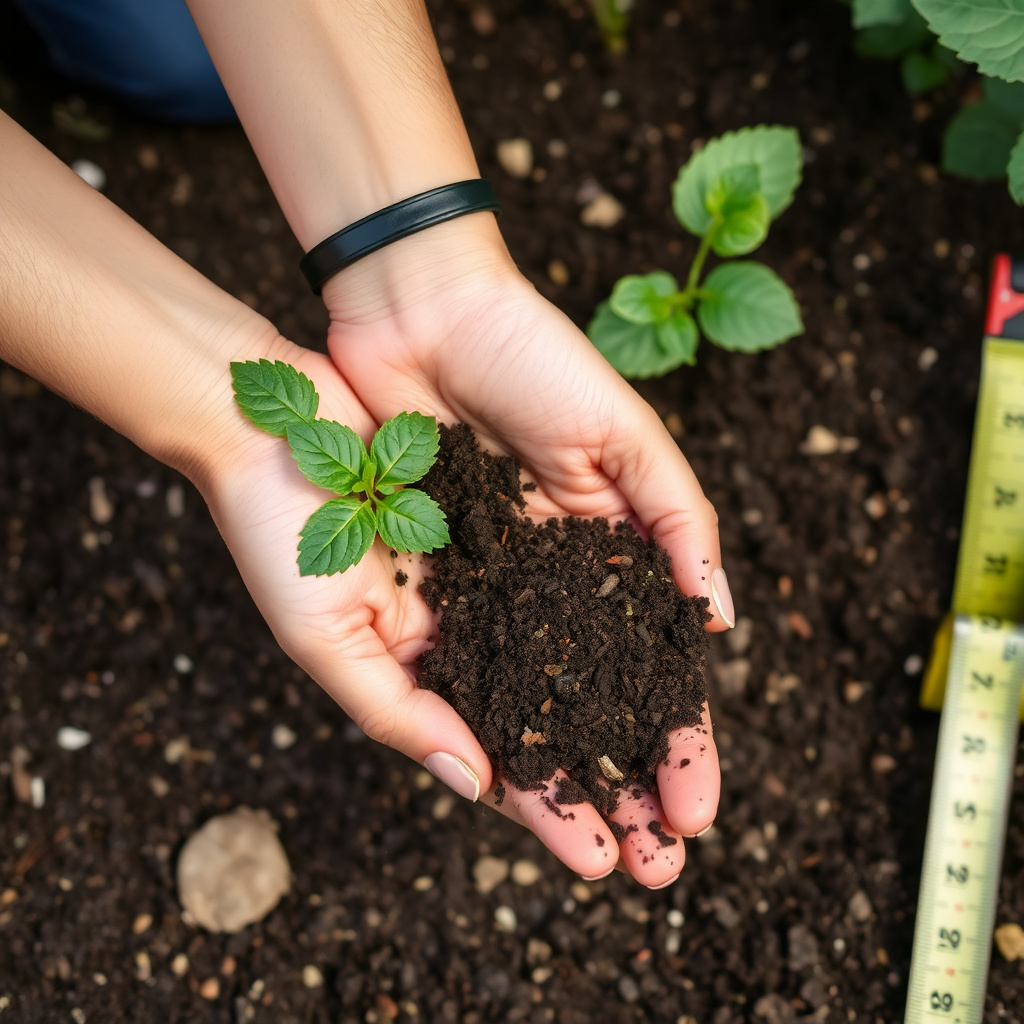
The Feel Test
The feel test involves taking a small soil sample from 2 to 4 inches below the surface and squeezing it in your hand. Moist soil will hold together without crumbling or dripping water, while dry soil feels powdery or loose.
This technique requires some practice but is widely used by farmers for its convenience. Noticing texture changes can indicate if irrigation is needed, especially for sandy and loamy soils where moisture levels fluctuate fast.
- Dig soil sample about 2-4 inches deep
- Squeeze soil gently in your palm
- Assess soil texture and moisture retention
- Repeat testing in several spots for accuracy
The Color and Smell Indicators
Soil color can also provide clues about moisture. Dark soil usually means higher moisture content, while light or dusty soil is a sign of dryness. Additionally, moist soil tends to have a fresh, earthy smell compared to dry soil which smells faint or dusty.
While these signs are less precise than instruments, they offer quick, initial clues about soil conditions in a garden or field.
Using Tools for More Precise Soil Moisture Testing

Soil Moisture Meters
Soil moisture meters measure the volumetric water content using probes inserted into the soil. Digital meters provide readings on a scale, making it easy to determine if soil moisture is insufficient, adequate, or excessive for specific plants.
This tool is popular among gardeners for its ease of use and reasonably accurate results. However, meter reliability can vary by model and soil type, so calibration and cross-checking results with manual methods are beneficial.
- Insert probe 4-6 inches deep
- Allow meter to stabilize before reading
- Compare reading against plant moisture requirements
- Clean probes after use to maintain accuracy
For more on this, see our related guide: Cannabis pH Levels for Soil: How to Maintain the Perfect Balance.
Tensiometers and Time-Domain Reflectometry (TDR) Devices
Tensiometers measure soil water tension, indicating how hard plant roots need to work to extract water. They consist of a water-filled tube with a porous ceramic tip placed in soil and a gauge showing moisture tension.
More advanced devices like TDR use electromagnetic pulses to measure soil moisture precisely. These are favored by researchers and commercial growers for detailed soil moisture profiles but require training and higher investment.
When and Where to Test Soil Moisture
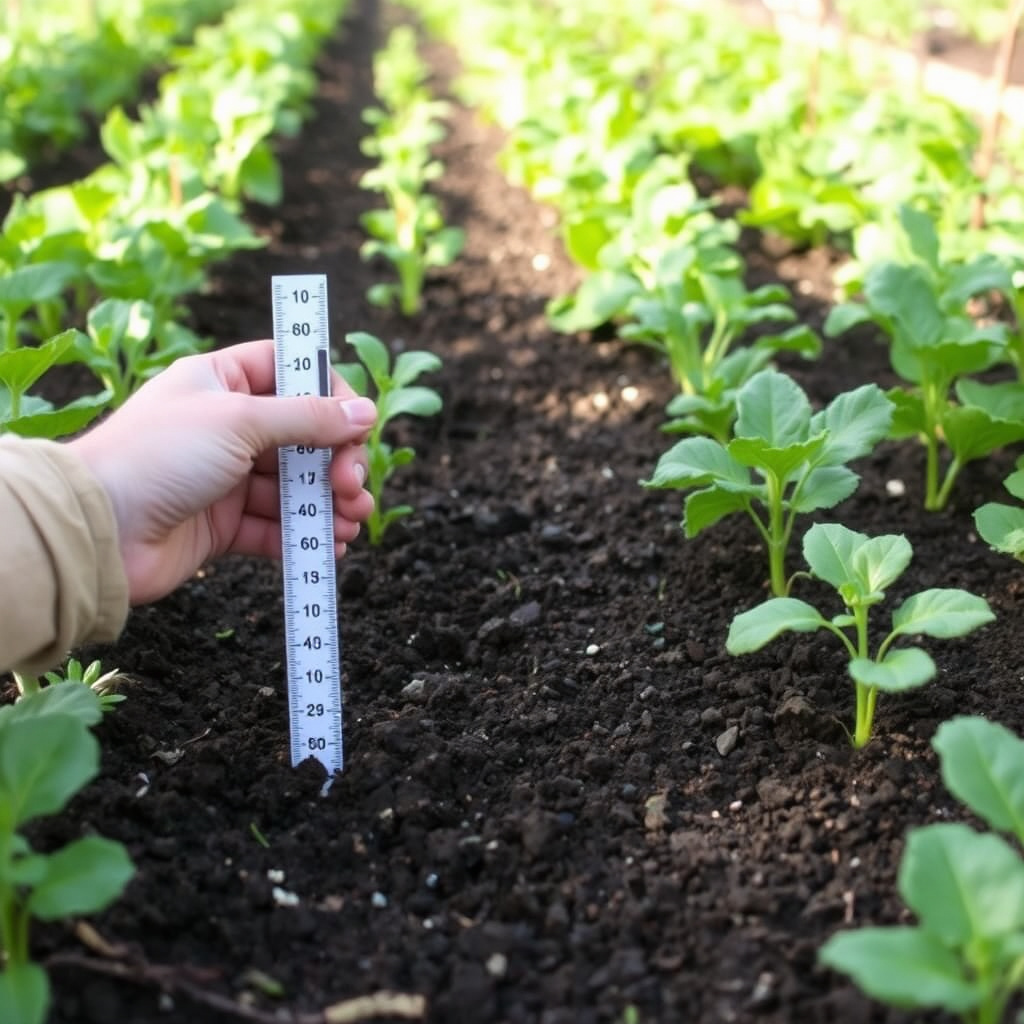
Best Timing for Soil Moisture Testing
Testing soil moisture early in the morning or late evening provides more stable readings, as midday tests might show evaporation effects. Additionally, testing right after irrigation or rainfall helps evaluate water penetration.
Regular testing during growing seasons ensures the soil remains in optimum moisture ranges tailored to crop or garden needs, preventing stress during peak growth periods.
Choosing Test Locations
Testing multiple locations within the garden or field accounts for soil variability and uneven moisture distribution. Focus on root zones of plants for relevant results, typically between 2 and 12 inches depth depending on crop type.
Avoid testing near surface mulch or overly compacted soil, as these conditions can skew moisture measurements from what roots actually experience.
- Sample various representative spots
- Check at typical root zone depths
- Avoid edges and recently disturbed soil
Interpreting Soil Moisture Test Results and Next Steps
Understanding Moisture Readings
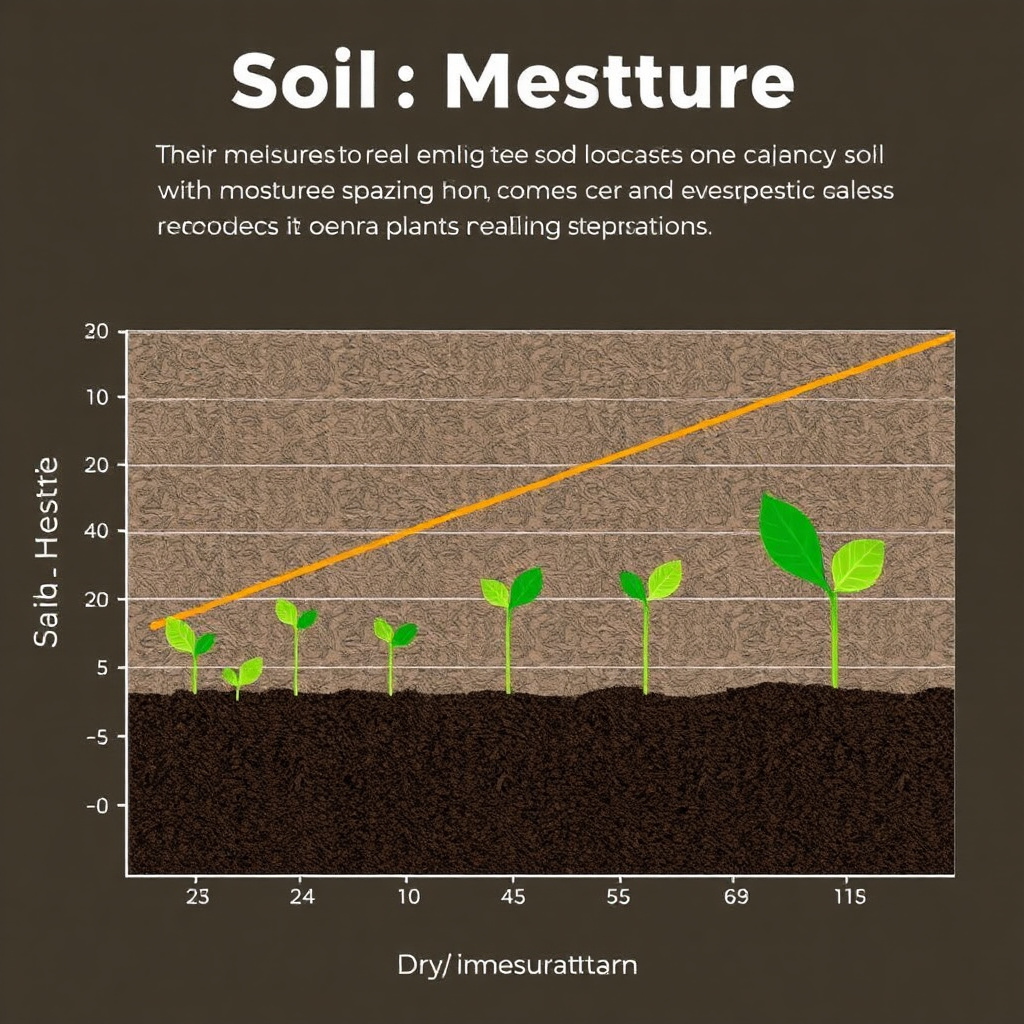
Soil moisture readings must be interpreted relative to plant water needs and soil type. For instance, a reading indicating ‘medium moisture’ in sandy soil might be insufficient, while the same reading in clay soil can mean saturation.
By matching moisture data with expected soil moisture ranges for specific plants, gardeners can adjust irrigation schedules to avoid stress or waterlogging.
For more on this, see our related guide: How to Choose the Best Soil for Cannabis Plants: A Complete Guide.
Adjusting Watering Practices Based on Tests
If tests show soil is too dry, increase watering frequency or volume, paying attention to root zone penetration. Conversely, overly wet soil should prompt watering reduction and improvements in drainage or soil structure.
Incorporating mulches, organic matter, and soil conditioners can help retain moisture when needed or enhance drainage for wet soils, offering longer-term solutions beyond simple irrigation changes.
Tips for Maintaining Optimal Soil Moisture

Improving Soil Water Retention
Adding organic matter such as compost increases soil’s ability to hold water while improving aeration. Mulching also reduces evaporation, keeping soil moisture stable.
Choosing plants adapted to local soil moisture conditions reduces irrigation needs and promotes sustainability.
- Regularly add compost or organic mulch
- Use cover crops to protect soil
- Avoid excessive tilling that disrupts soil structure
For a detailed scientific overview of soil moisture, you can visit the soil moisture Wikipedia article. soil moisture Wikipedia article.
Efficient Irrigation Techniques
Drip irrigation targets water delivery directly to roots, minimizing evaporation compared to overhead watering. Scheduling irrigation based on soil moisture test results conserves water and supports plant health.
Smart irrigation controllers that adjust based on weather or soil moisture sensors optimize watering without guesswork.
- Install drip irrigation systems
- Use soil moisture meters to guide watering
- Consider automated irrigation controllers
Soil Moisture Testing Methods Comparison
This table compares common soil moisture testing methods by accuracy, cost, ease of use, and best applications.
| Method | Accuracy | Cost Range | Ease of Use | Best For |
|---|---|---|---|---|
| Feel Test | Moderate | Free | Easy | Home gardeners, quick checks |
| Soil Moisture Meter | Good | $15-$100 | Very easy | Gardeners, small farms |
| Tensiometer | High | $50-$150 | Moderate | Commercial growers, researchers |
| Time-Domain Reflectometry (TDR) | Very High | $500-$2000 | Complex | Research, precision agriculture |
Frequently Asked Questions
How often should I test soil moisture?
Test soil moisture weekly during active growing seasons or after significant weather events to monitor changes and adjust watering accordingly.
Can I rely solely on soil moisture meters?
Soil moisture meters provide useful data but combining meter readings with manual checks improves accuracy, especially in varying soil types.
Is soil moisture the same as soil humidity?
No, soil moisture refers to water content within soil, while humidity describes moisture in the air above the soil.
Does soil type affect moisture testing?
Yes, soil texture influences how water is retained and how moisture readings should be interpreted for irrigation decisions.
Can I test soil moisture without tools?
Yes, manual methods like the feel test and observing soil color and smell provide useful moisture information without equipment.
Key Takeaways
- Soil moisture testing is essential for healthy plant growth and water efficiency.
- Manual methods like the feel test are simple and effective for quick moisture assessment.
- Tools such as soil moisture meters and tensiometers offer precise readings tailored to different needs.
- Regular tests and interpreting data according to soil type help optimize irrigation schedules.
Conclusion
Deciding how to test soil moisture involves understanding the balance between accuracy, cost, and ease of use. Simple manual methods like the feel test offer quick insights perfect for gardeners wanting immediate feedback, while moisture meters add quantitative data that enhances decision-making. For commercial operations or detailed soil analysis, tensiometers or advanced devices such as TDR provide higher accuracy, although with increased complexity and costs. The goal is to choose a method that fits your scale and requirements, ensuring the soil remains supportive of plant growth without wasting water.
If you manage a home garden or small farm, combining the feel test with a basic soil moisture meter strikes a practical balance. These tools together help track moisture variations across different soil types and weather conditions. For larger farms or research-focused efforts where precise soil moisture profiling improves yield and resource efficiency, investing in tensiometers or TDR sensing equipment is justified. Alongside testing, improving soil structure and applying water-saving techniques like drip irrigation will further boost your soil’s moisture management throughout seasons.
To get started, try the feel test on various parts of your garden and consider purchasing an affordable soil moisture meter to collect consistent data. As you become comfortable interpreting these readings, adjust your watering schedules accordingly and explore options to improve soil water retention. Monitoring soil moisture becomes a regular habit that supports healthy plants and conserves water over the long run.