How to Understand Indica and Sativa: Key Differences Explained
Understanding indica and sativa means recognizing how these two cannabis types differ in their effects, growth characteristics, and typical uses. Indica strains tend to produce relaxing, sedative effects, while sativa strains are known for their uplifting and energizing properties. Knowing these differences can help you make informed choices, whether for medicinal or recreational purposes.
These distinctions matter because cannabis affects the mind and body in varied ways, influencing mood, energy, and even creativity. By understanding indica and sativa, you can better predict how a particular strain might affect you, aiding in managing symptoms or enhancing your experience.
This article breaks down the core aspects of indica and sativa, covering their botanical traits, effects on users, typical medicinal applications, cultivation differences, and how to identify hybrids. We'll also offer guidance on selecting strains to match your preferences and needs.
Botanical Differences Between Indica and Sativa
Physical Characteristics of Indica Plants
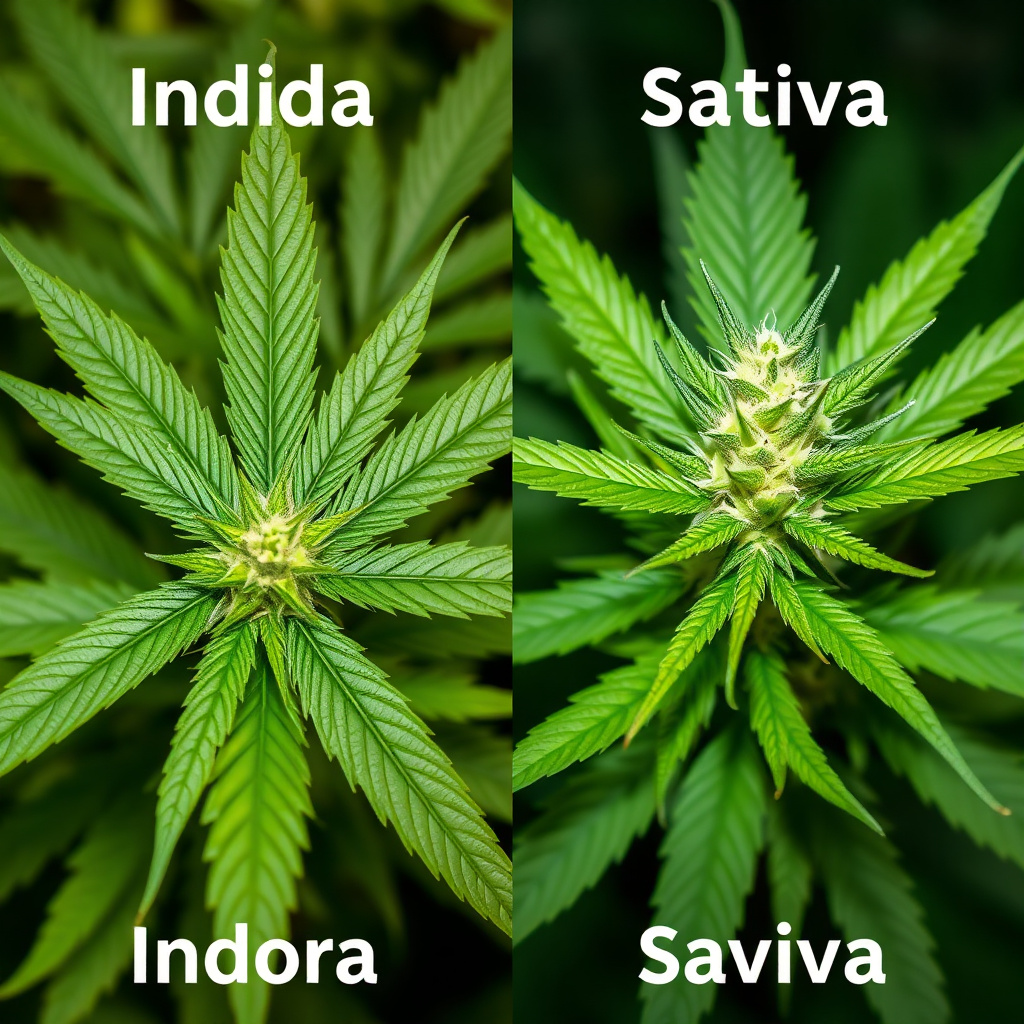
Indica plants are generally shorter and bushier, with wide, dark green leaves. They often reach around 3 to 6 feet in height and have a dense foliage structure. These physical traits allow them to thrive in cooler climates with shorter growing seasons.
The compact build of indica plants makes them suitable for indoor cultivation where space is limited. They flower faster than sativa varieties, generally taking 6 to 9 weeks to mature, which is advantageous for growers needing quicker harvests.
Physical Characteristics of Sativa Plants
Sativa plants tend to be taller and lankier, often growing 8 feet or more, with thin, light green leaves arranged sparsely along their taller stems. These features help optimize sunlight exposure in warmer, tropical climates where they originally developed.
Because of their height and longer flowering period of 10 to 16 weeks, sativas are more challenging to cultivate indoors without ample vertical space. Their stretched appearance and slower maturation require patient growers.
Understanding Psychoactive Effects of Indica and Sativa
Sedative and Relaxing Effects of Indica
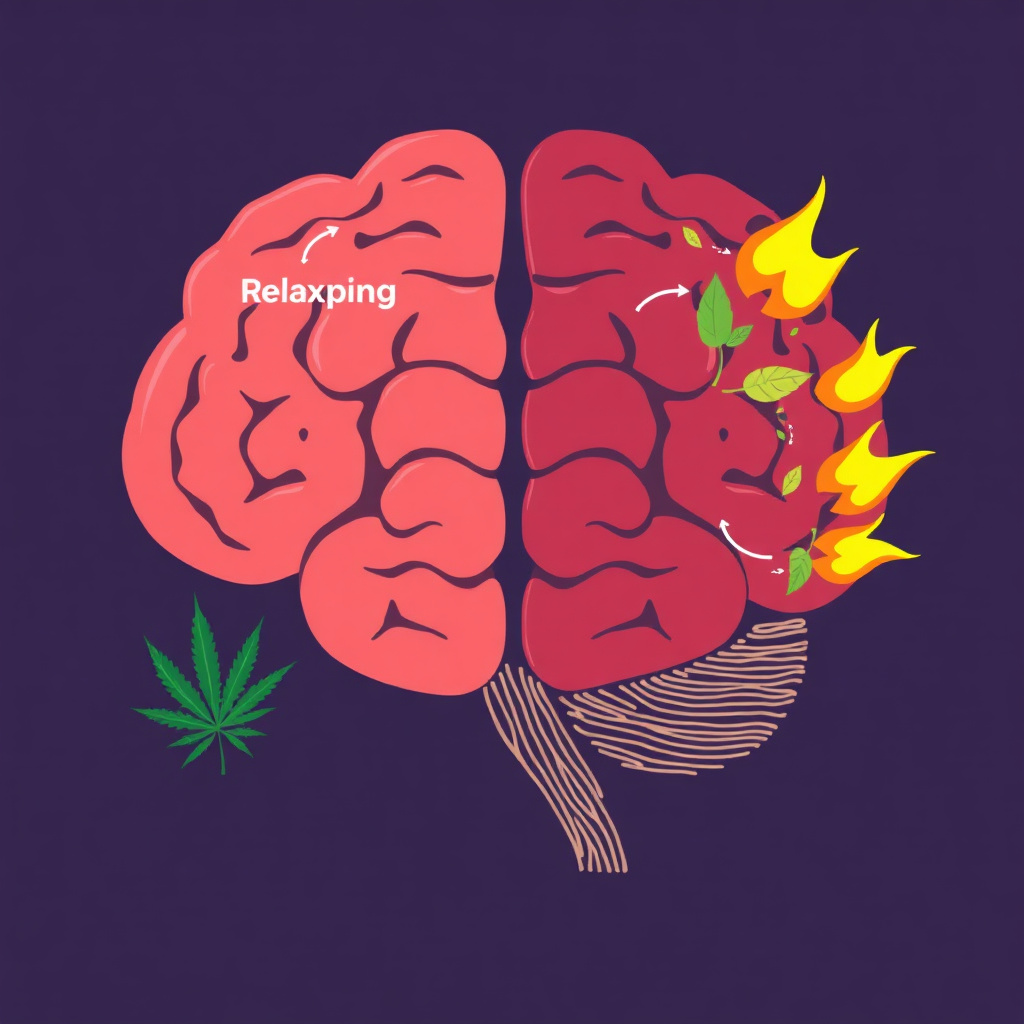
Indica strains are best known for their calming and sedative effects, often described as a ‘body high.’ This makes them favorable for evening or nighttime use when relaxation is desired.
Users commonly report reduced anxiety, muscle relaxation, and pain relief with indica. Its ability to promote sleep makes it a staple choice for those with insomnia or chronic pain.
Uplifting and Energetic Effects of Sativa
Sativa strains produce an uplifting, cerebral high that can enhance creativity and focus. This energizing effect suits daytime use where mental stimulation is preferred.
Those looking to combat fatigue, depression, or stress often turn to sativa varieties to improve mood and motivation without the heavy sedation associated with indica.
Medicinal Uses of Indica and Sativa
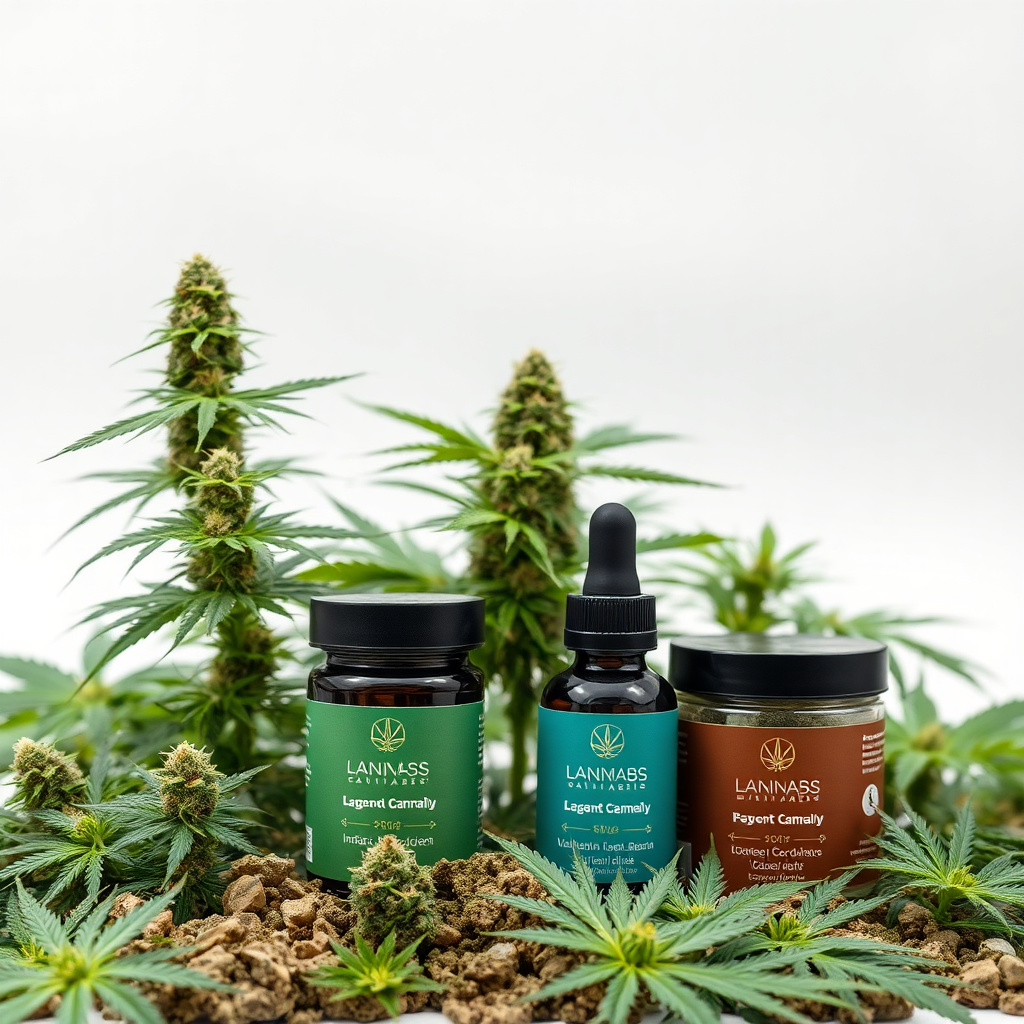
Indica’s Role in Pain Management and Sleep Disorders
Indica strains are frequently recommended for chronic pain conditions, muscle spasms, and insomnia. Their calming effects help patients relax both physically and mentally.
For individuals with anxiety or difficulty sleeping, indica can reduce tension and induce restorative rest, contributing to overall symptom relief.
For more on this, see our related guide: Indica vs Sativa vs Hybrid: Understanding the Key Differences.
Sativa’s Benefits for Mood and Focus Disorders
Sativa strains can alleviate symptoms of depression, ADHD, and fatigue by boosting energy and enhancing concentration. Its stimulating qualities support mental clarity and alertness.
Patients suffering from mood disorders may find sativa helpful for fostering positivity and reducing feelings of lethargy or mental cloudiness.
Cultivation Challenges and Considerations
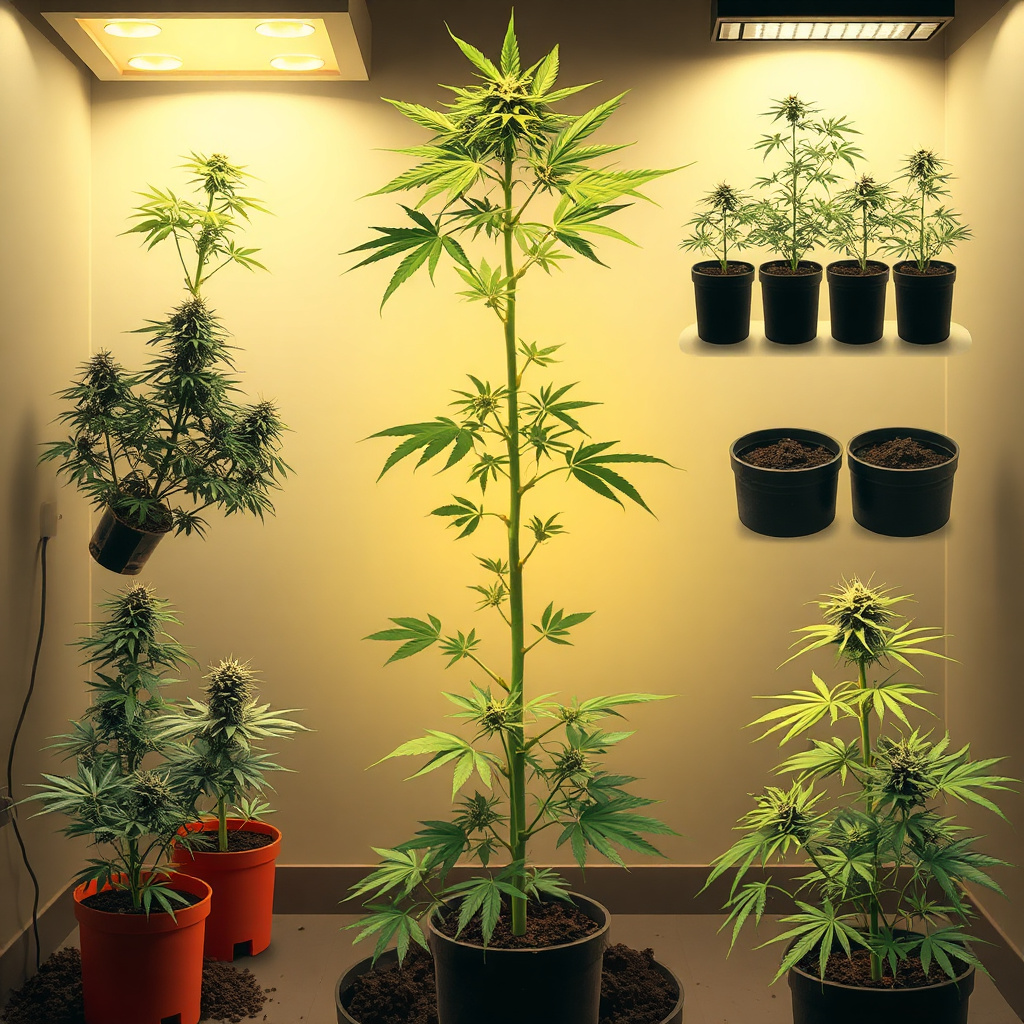
Growing Indica: Space and Climate Needs
Indica plants perform well in controlled environments with limited space due to their compact size. They are suited for cooler climates and indoor grows, where temperature and light cycles can be finely managed.
The faster flowering cycle of indica is advantageous for growers aiming for multiple harvests annually or dealing with short growing seasons outdoors.
Growing Sativa: Patience and Space Requirements
Sativa’s tall stature demands ample vertical space, making them less ideal for small indoor grow rooms. They thrive in warmer climates with long growing seasons, such as equatorial regions.
The extended flowering period requires growers to carefully manage humidity and pest exposure to prevent mold and maximize yield.
Hybrid Strains: Blending Indica and Sativa Traits
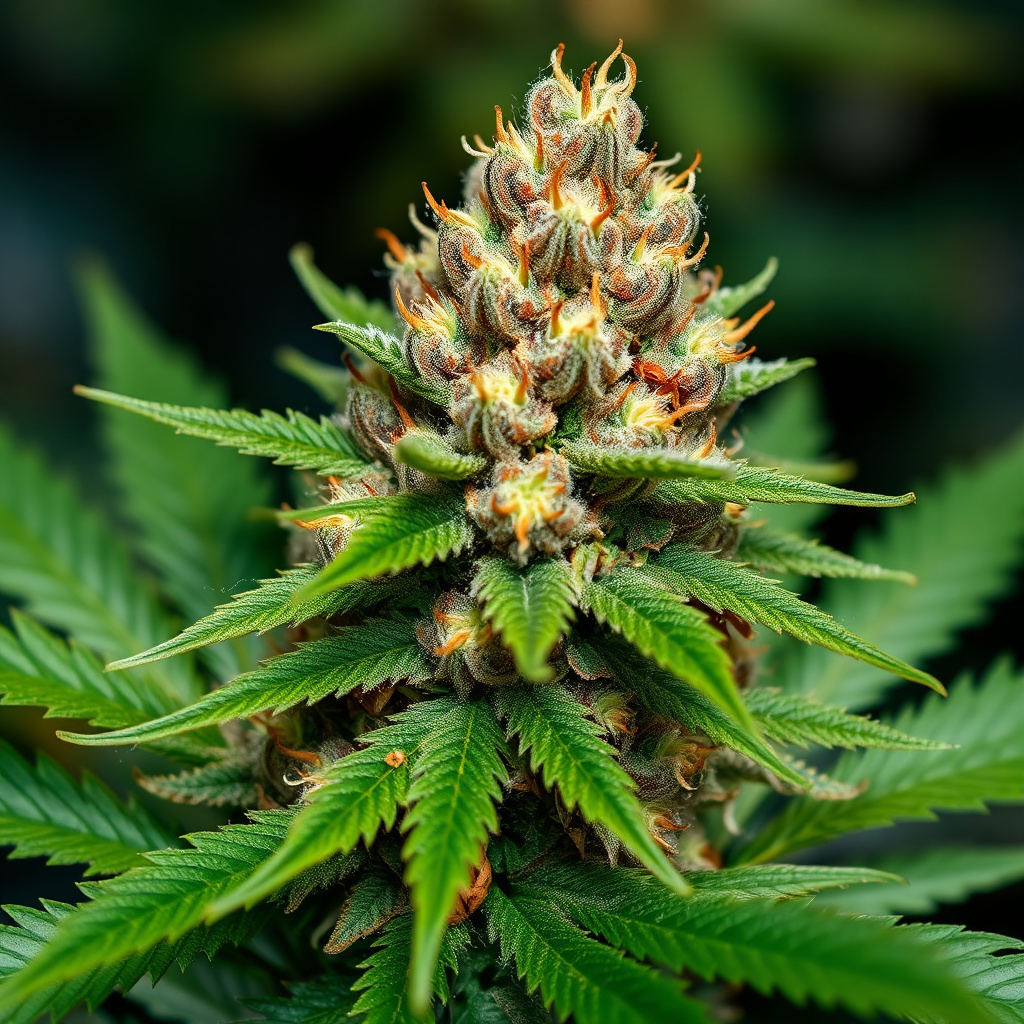
What Are Hybrid Cannabis Strains?
Hybrids are cannabis plants bred from both indica and sativa parents, aiming to combine desired traits from each. This results in a broad variety of effects, appearances, and growth patterns.
Depending on the dominant genetics, hybrids may lean towards indica- or sativa-like effects, offering users a tailored experience beyond the pure strain categories.
For more on this, see our related guide: Indica vs Sativa: Understanding the Key Differences and Effects.
Choosing Hybrids Based on Desired Effects
When selecting a hybrid strain, consumers often look for a balance of indica’s relaxation and sativa’s energy to meet their specific needs.
Labels like ‘indica-dominant’ or ‘sativa-dominant’ guide users toward the expected effect profile, helping match hybrid strains with medicinal or recreational goals.
How to Select the Right Strain
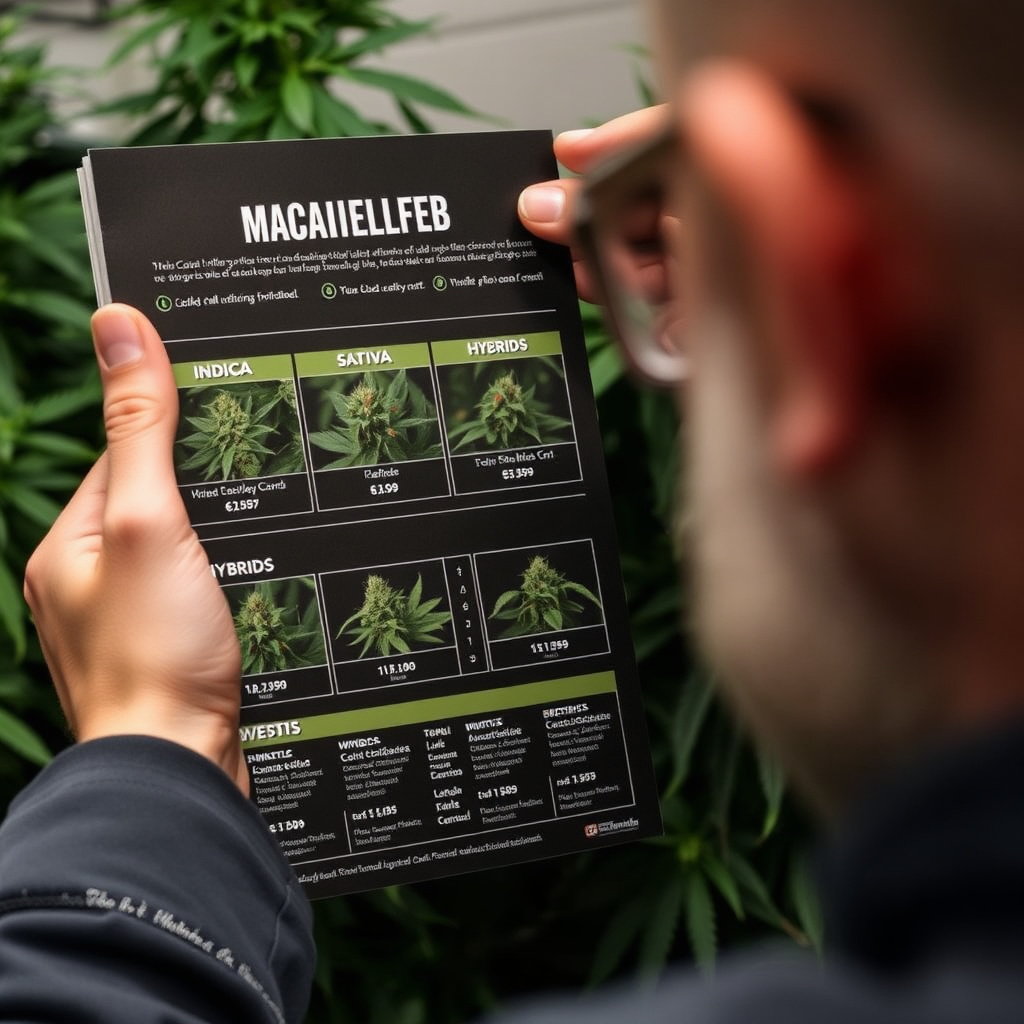
Identifying Strain Effects and Potency
Look beyond whether a strain is indica or sativa; check its cannabinoid content like THC and CBD levels, along with terpene profiles, which significantly influence effects.
Lab-tested products provide reliable potency data, allowing users to anticipate how intense or mild a strain’s impact might be for their body and mind.
- THC level indicates psychoactive strength
- CBD level relates to medicinal uses without intoxication
- Terpenes influence aroma and effect nuances
For detailed botanical and historical information, you can visit the Wikipedia page on Cannabis indica and Cannabis sativa. Cannabis indica and Cannabis sativa on Wikipedia.
Considering Personal Preferences and Tolerance
Experience level, desired effects, and medical conditions are central to strain selection. New users should start with milder strains and gradually try different cannabis strain effects.
Consulting with knowledgeable dispensary staff or healthcare providers can also help refine choices to find the best fit for individual needs.
Indica vs. Sativa vs. Hybrid Strain Comparison
Here's a concise comparison of the main categories of cannabis strains based on physical traits, effects, and typical medicinal uses.
| Category | Plant Height | Flowering Time | Typical Effects | Common Medical Use |
|---|---|---|---|---|
| Indica | 3-6 feet | 6-9 weeks | Relaxing, sedative | Pain relief, insomnia |
| Sativa | 8+ feet | 10-16 weeks | Energetic, uplifting | Depression, fatigue |
| Hybrid | Varies | Varies | Balanced or dominant effects | Customized based on genetics |
Frequently Asked Questions
Can indica and sativa effects overlap?
Yes, some effects can overlap due to individual body chemistry and the presence of cannabinoids and terpenes, making the experience not strictly one or the other.
Are hybrid strains more popular than pure indica or sativa?
Hybrids are often preferred because they offer a mix of effects, allowing users to tailor their experience better than relying on pure indica or sativa strains.
Does the growing environment affect whether a plant is indica or sativa?
The genetic background defines the plant as indica or sativa, but environmental factors like light and temperature can influence growth characteristics and resin production.
Is one type better for medicinal use than the other?
Neither type is universally better; indica and sativa strains have different strengths for treating conditions, so choice depends on the symptom profile and personal response.
What role do terpenes play in understanding indica and sativa?
Terpenes contribute to the aroma and effects of cannabis strains, playing a key role in differentiating experiences beyond the basic indica or sativa classification.
Key Takeaways
- Indica strains tend to produce calming, body-centric effects suitable for relaxation and sleep.
- Sativa strains offer uplifting, cerebral effects that enhance creativity and energy.
- Hybrids blend traits of indica and sativa to create tailored experiences.
- Cannabinoid and terpene profiles are essential when choosing strains beyond indica or sativa categories.
Conclusion
Understanding indica and sativa involves recognizing their distinct botanical traits and how these relate to effects and uses. Making strain choices based on these characteristics, plus cannabinoid and terpene content, leads to a more predictable and satisfying experience. This holistic approach helps cater to individual preferences and medicinal needs without oversimplifying cannabis varieties.
If you seek relaxation or relief from sleep issues, indica strains or indica-dominant hybrids are often effective. For energy boosts, improved focus, or mood elevation, sativa or sativa-leaning hybrids work well. People new to cannabis may benefit from starting with balanced hybrids to ease into understanding how these variations feel personally.
Next time you explore cannabis options, consider not just indica and sativa but also the detailed chemical makeup and your goals. Consulting professional sources or dispensaries with testing data can provide guidance that aligns with your tolerance and desired outcomes, making the experience both safe and enjoyable.