10 Essential Steps to Plant Sunflower Seeds Successfully
Many gardening enthusiasts dream of growing vibrant sunflowers, but figuring out how to plant sunflower seeds successfully can feel overwhelming. You’re not alone—many people struggle with getting those seeds to sprout and flourish.
Luckily, with a few simple steps, you can enjoy tall, beautiful sunflowers in your yard or garden.
To successfully plant sunflower seeds, start by choosing high-quality, untreated, heirloom varieties suited to your climate.
Find a sunny, well-drained spot with rich soil, and loosen it to at least 12 inches deep.
Plant seeds 1-2 inches deep and space them properly, then water consistently and mulch to retain moisture.
Support tall plants early, monitor growth, and manage pests naturally.
When they mature, harvest at the right time.
For more tips, keep going.
Key Takeaways
- Select high-quality, heirloom seeds suited for your climate. Make sure they are untreated and from a reputable source.
- Pick a sunny, well-drained spot with rich, loosened soil for the best growth.
- Plant seeds 1-2 inches deep, spacing them properly based on their size and variety.
- Water regularly to keep the soil moist but not waterlogged. Mulch can help retain moisture.
- Support tall sunflowers early on with stakes, and keep an eye out for pests, diseases, and growth progress.
Choose the Best Sunflower Seeds for Your Garden
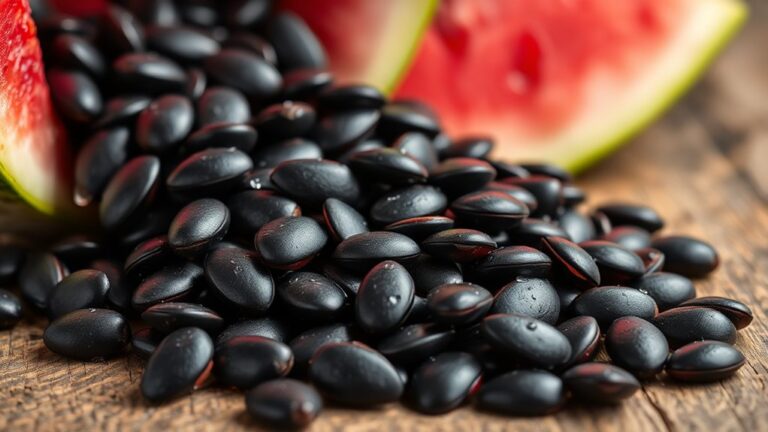
Have you chosen the right sunflower seeds for your garden? Picking the best seeds starts with understanding heirloom varieties, which offer rich flavors and vibrant colors passed down through generations. These seeds often produce stronger plants that are better at resisting pests and diseases.
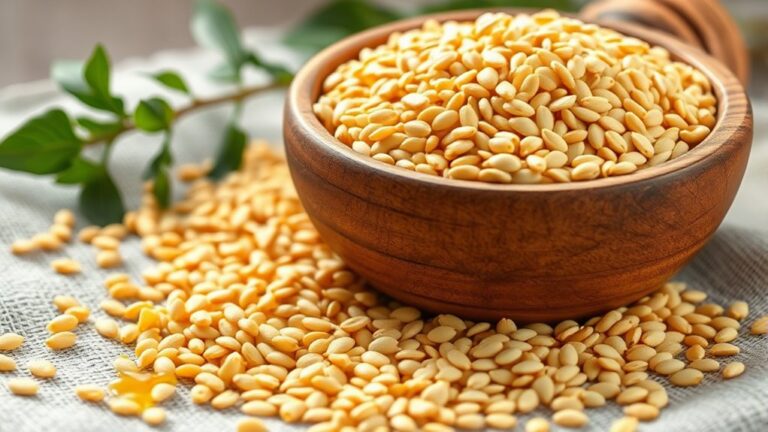
When it comes to seed sourcing, choose reputable suppliers who offer high-quality, untreated seeds. Avoid cheap or uncertified options, as they might carry diseases or give inconsistent results.
Look for seeds labeled specifically for your growing zone and climate. If you want to preserve traditional traits and support sustainable gardening, heirloom varieties are a great choice. They often have unique appearances and flavors that hybrid seeds can’t match.
Pick a Sunny Spot With Well-Drained Soil
Pick a sunny spot in your garden where the sun shines most of the day—that’s perfect for your sunflowers to grow tall and strong. Just make sure the soil drains well so water doesn’t sit around the seeds and cause rot. Good sunlight and proper drainage are really the keys to a healthy sunflower patch.
Optimal Sun Exposure
To ensure your sunflower seeds grow big and strong, pick a spot with plenty of sunlight. Sunflowers love full sun to reach their full height and health.
When choosing your location, think about how much sun it gets. Aim for at least 6-8 hours of direct sunlight each day for most sunflower types.
Make sure the spot isn’t shaded by trees or buildings, so your sunflowers get the bright light they need. Taller sunflower varieties especially need even more sun to stay healthy and avoid legginess.
Proper Soil Drainage
Guaranteeing your sunflower seeds thrive means planting them in well-drained soil. Waterlogged ground can cause roots to rot and stunt growth, so good drainage is key.
To improve how water flows, try adding soil amendments like compost or sand. These boost soil structure and help excess water drain away more easily.
If your soil tends to hold too much moisture, consider solutions like raised beds or drainage pipes. These can help redirect water away from your plants.
Avoid heavy clay soils that trap water. Instead, aim for a loamy, slightly sandy mix for the best results.
Proper drainage keeps roots healthy and oxygenated, which promotes strong growth. Be sure to check your soil’s drainage before planting and make adjustments as needed to create the perfect environment for your sunflowers.
Prepare Your Garden Bed for Healthy Sunflower Growth
Before planting sunflower seeds, it’s important to prepare your garden bed to help them grow strong and healthy. Proper prep encourages sturdy roots and bright blooms.
Start by checking your garden layout to make sure the sunflowers will get plenty of sunlight and have enough space to grow. Then, enrich the soil with compost or organic matter to boost fertility and drainage.
This creates a nutrient-rich environment that supports healthy sunflower development. Next, loosen the soil to at least 12 inches deep, removing weeds and rocks that could block root growth.
Good soil prep ensures roots can spread out easily and access nutrients efficiently. By planning your layout, adding the right amendments, and preparing the soil well, you set a strong foundation for your sunflowers.
Taking these steps now makes planting easier and helps your sunflowers thrive all season long.
Plant Sunflower Seeds at the Right Depth and Spacing
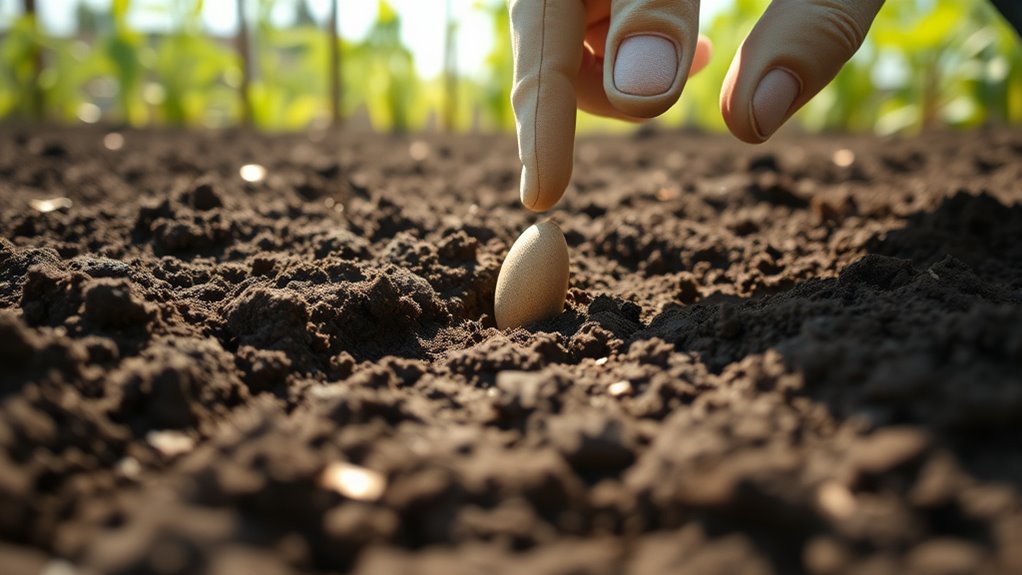
Plant sunflower seeds at the right depth and spacing to give your plants the best start. Proper seed depth helps them anchor well and access nutrients, while correct spacing prevents overcrowding and promotes healthy growth.
Aim for a seed depth of about 1 to 2 inches, depending on the seed size. Follow spacing guidelines—generally, space seeds 6 to 12 inches apart in rows that are 24 to 36 inches apart.
Here’s a quick reference:
| Seed Depth | Spacing Guidelines |
|---|---|
| 1 to 2 inches | 6 to 12 inches apart in rows |
| Larger seeds | Closer to 2 inches |
| Smaller seeds | Closer to 1 inch |
| Row spacing | 24 to 36 inches |
Water and Mulch to Support Strong Growth
Watering your sunflower seeds consistently and thoroughly helps them establish strong roots and promotes healthy growth. Proper moisture is key for seed germination, helping the seeds sprout quickly and evenly.
Make sure to keep the soil moist but not waterlogged. This encourages germination and prevents the seeds from drying out. Using mulch around your seedlings can help retain moisture, so you won’t need to water as often.
Once your seedlings emerge, add a layer of organic mulch like straw or shredded bark. It shields the roots from temperature swings and keeps moisture levels steady.
Support Tall Sunflowers and Keep Pests at Bay
If you want your tall sunflowers to stay upright and strong, it’s a good idea to stake them early on with sturdy supports. That way, they won’t fall over or bend under the weight of their large blooms.
Also, picking pest-resistant sunflower varieties can really make a difference. Plus, using natural deterrents like companion planting or homemade sprays can help keep pests away without resorting to chemicals.
Following these simple tips will help your sunflowers stay healthy, vibrant, and gorgeous all season long.
Staking Techniques for Support
Supporting tall sunflowers is key to preventing them from toppling over as they grow taller and heavier with blooms. Using the right staking methods helps keep your plants upright and healthy.
Start by driving stakes into the ground about 12 inches deep near each sunflower. Then, loosely tie the stem to the stake with garden twine.
You can also use bamboo or wooden stakes for a natural look, attaching the stem at multiple points to reduce stress on the plant.
Installing a trellis or mesh support around the sunflower adds extra stability, especially in windy areas.
These support systems help keep your sunflowers healthy, encourage upright growth, and protect them from damage. Proper staking is a simple but essential step for successful sunflower planting.
Pest-Resistant Plant Varieties
Choosing pest-resistant sunflower varieties can significantly cut down on chemical treatments and help your plants stay healthy. Look for hybrid options that are bred specifically for disease resistance and pest tolerance.
These hybrids tend to be stronger, taller, and better at handling common pests like beetles and aphids. Picking the right hybrid can also boost your sunflower’s overall health and yield.
Here’s a quick comparison to help you choose:
| Variety Type | Disease Resistance | Pest Tolerance | Notes |
|---|---|---|---|
| Hybrid A | High | Excellent | Fast-growing and tall |
| Hybrid B | Moderate | Good | Great for small spaces |
| Non-hybrid | Varies | Varies | Less reliable |
| Organic-resistant | Moderate | Fair | Eco-friendly choice |
| Traditional | Low | Low | Less durable |
Choosing these varieties helps keep pests away and ensures a healthy sunflower stand.
Natural Pest Deterrents
Using natural pest deterrents can help your tall sunflowers stay healthy and vibrant without relying on chemical treatments. Implementing strategies like companion planting and organic repellents can effectively keep pests at bay.
For example, planting marigolds nearby repels nematodes and aphids naturally. You can also incorporate herbs such as basil or mint around your sunflowers, which act as organic repellents and deter unwanted insects.
Additionally, using neem oil or garlic spray as organic pest deterrents can protect your plants without harmful chemicals. Here are three effective methods:
- Plant marigolds or nasturtiums alongside sunflowers.
- Use organic repellents like neem oil or garlic spray.
- Incorporate aromatic herbs such as basil or mint in your garden.
Watch Your Sunflowers Grow and Adjust Care as Needed
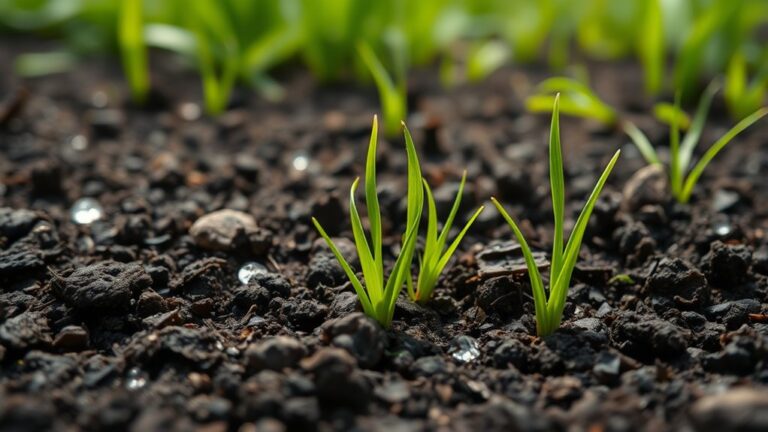
As your sunflowers sprout and stretch toward the sun, keep a close eye on their growth and health. Monitoring helps you spot early signs of pests or disease so you can make quick care adjustments.
If some plants grow more slowly, check their access to sunlight, water, and nutrients—they might need extra attention. Taller sunflowers may need staking to prevent wind damage, especially in breezy areas.
Make sure they’re not competing for resources. Thinning crowded seedlings can promote healthier growth. Regularly inspect leaves for discoloration or pests, and adjust watering if the soil feels too dry or soggy.
As your sunflowers develop, staying attentive helps you optimize their environment. Timely care adjustments keep your plants healthy, strong, and vibrant, setting you up for a successful blooming season.
When and How to Harvest Sunflower Seeds
So, you’re wondering when to harvest those sunflower seeds? Well, timing is everything if you want the best crop. Usually, you want to wait until the back of the sunflower head turns a nice brown color, and the seeds look plump and full. That’s a good sign they’re ripe and ready to be picked.
When it’s time to harvest, try to be gentle with those flower heads. Use careful methods to collect the seeds so you don’t damage them. This way, you’ll keep the quality high and make sure your seeds stay in perfect shape for storage or eating.
Timing for Harvesting
Timing is key when it comes to harvesting sunflower seeds to make sure they’re fully mature and taste great. Keep a close eye on the flower heads, looking for signs that they’re ready.
When the back of the sunflower head turns yellow or brown and the seeds look plump and firm, it’s time to harvest. Here are some easy steps to follow:
First, check the seed color. Seeds should be striped or black and white, depending on your variety. Next, test the seed maturity by rubbing a seed between your fingers. If it feels hard and sounds hollow when tapped, it’s ready.
Finally, use proper harvesting techniques. Cut the heads, leaving a few inches of stem, and hang them upside down in a dry, well-ventilated space to dry. Proper storage helps prevent spoilage.
Proper Seed Collection
Once the sunflower heads show signs of readiness, it’s time to focus on collecting the seeds properly. Wait until the back of the head turns yellow or brown, which means the seeds are mature. Use gentle methods like cutting the head with a sharp tool and hanging it upside down in a dry, well-ventilated space to finish drying.
Timing is really important. Harvesting too early means the seeds aren’t fully developed, while waiting too long can cause seed loss. Here’s a quick overview of the best collection methods:
| Collection Method | When to Use |
|---|---|
| Cutting and drying | When seed hulls turn brown |
| Hand stripping | For small, mature heads |
| Shaking into containers | When seeds are fully developed |
| Using a rake or brush | For large fields |
Getting the timing right helps ensure your seeds are high quality and viable.
Troubleshooting Common Sunflower Growing Problems
Even the healthiest sunflowers can face problems that hinder their growth. If you notice stunted growth, discoloration, or wilting, you might be dealing with sunflower diseases or nutrient deficiencies. To troubleshoot effectively, consider these steps:
- Identify Diseases: Look for spots, mold, or unusual wilting. Common sunflower diseases include rust or downy mildew. Remove infected plants immediately to prevent spread.
- Check Soil Nutrients: Yellowing leaves or poor growth often indicate nutrient deficiencies, especially nitrogen or potassium. Use a balanced fertilizer to boost soil health.
- Monitor Watering: Overwatering can cause root rot, while underwatering stresses the plant. Maintain consistent moisture and ensure good drainage.
Addressing these issues promptly helps your sunflowers recover and thrive. Regular inspection and proper care are key to preventing persistent problems related to diseases or nutrient gaps.
Tips for Growing Sunflowers in Containers or Small Spaces
Growing sunflowers in containers or small spaces is a great way to enjoy their bright flowers without needing a big garden. Pick container varieties that are bred for small spaces, like dwarf or compact types, which do well in smaller pots. Use containers that are at least 12 inches deep with good drainage to avoid waterlogging.
Place your containers where they’ll get full sunlight for at least six hours a day. To make the most of your space, keep multiple containers at least 2 to 3 feet apart so plants have room to grow and air can circulate.
Ensure your containers receive six hours of sunlight daily and space them 2-3 feet apart for healthy growth.
Regular watering is key—keep the soil moist but not soaked. Every few weeks, feed your plants with a balanced fertilizer to help them thrive. If you’re growing taller sunflower varieties, staking them can give support and prevent toppling.
With these simple tips, you can successfully grow vibrant sunflowers in small spots like patios, balconies, or windowsills and add a splash of sunshine with minimal effort.
Frequently Asked Questions
How Long Does It Take for Sunflower Seeds to Sprout?
Sunflower seeds usually sprout within 7 to 10 days if you give them the right conditions.
Make sure to plant the seeds about 1 to 2 inches deep and keep the soil moist. Warm temperatures between 70-78°F (21-25°C) help speed up sprouting.
Keep the soil well-drained, and you’ll see those tiny seedlings emerge pretty quickly within a week to ten days.
What Are the Best Companion Plants for Sunflowers?
A wise gardener knows that “birds of a feather flock together,” so choosing the right companions benefits your sunflowers. Consider planting beans, cucumbers, and corn alongside them; they boost soil health and attract pollinators.
These companion plants improve sunflower benefits by encouraging healthy growth and warding off pests. By practicing companion planting, you create a thriving garden where sunflowers flourish naturally, showing the power of smart plant partnerships.
Can Sunflower Seeds Be Planted Indoors First?
Yes, you can start sunflower seeds indoors first. Begin with proper seed preparation by soaking them overnight to encourage germination. Use a seed-starting mix and plant the seeds about an inch deep in containers with drainage holes.
Place your pots in a warm, sunny spot or under grow lights. This indoor planting method gives your sunflowers a strong start before transplanting them outdoors once the weather warms up.
How Do I Prevent Birds From Eating My Sunflower Seeds?
To keep birds from nibbling on your sunflower seeds, try using some effective deterrents like reflective objects, scare tape, or netting. These create an environment that birds tend to avoid.
Cover your planting area with lightweight bird protection netting to stop birds from snacking on your seeds. It’s a simple way to give your sunflower seeds a better chance to grow strong and tall.
Remember to check and adjust your deterrents regularly. That way, you stay ahead of their curiosity and protect your seeds effectively.
What Are Common Diseases That Affect Sunflowers?
You should watch out for sunflower diseases like sunflower blight and rust, which can damage your plants. Sunflower blight causes wilting and dark spots, while rust creates orange or brown pustules on leaves.
To protect your sunflowers, choose rust-resistant varieties and ensure good air circulation. Regularly inspect your plants and remove infected leaves.
Also, avoid overhead watering to help minimize disease spread and keep your sunflowers healthy.
Conclusion
Now that you know the essential steps, your sunflower journey is just beginning. Will your plants reach for the sky or face unexpected challenges?
With a little care and attention, you’ll soon enjoy vibrant blooms and the promise of a harvest. But beware—nature’s surprises can strike when you least expect.
Are you ready to nurture your sunflowers to their fullest potential and uncover the secrets they hold? The adventure is yours to discover.