How to Get a Cannabis Cultivation License: A Step-by-Step Guide
Obtaining a cannabis cultivation license involves completing a detailed application process, meeting stringent state regulations, and demonstrating compliance with local laws. The first essential step is understanding your specific state’s licensing framework, as requirements vary widely across jurisdictions. Typically, applicants must submit a comprehensive plan, pay application fees, and pass background checks.
Securing this license matters because it legally enables you to grow cannabis for medical or recreational use, depending on your state's market. Without it, cultivation is unlawful and carries severe penalties. The licensing process ensures growers operate safely and responsibly, controlling quality and minimizing health risks associated with cannabis cultivation.
This article will cover the key steps to apply for a cannabis cultivation license, including eligibility criteria, documentation needed, common pitfalls, and tips for maintaining compliance. Whether you aim to start a small indoor grow or a large outdoor farm, understanding these stages will help prepare you for a successful license application.
Understanding Cannabis Cultivation License Types
License Categories and Their Differences
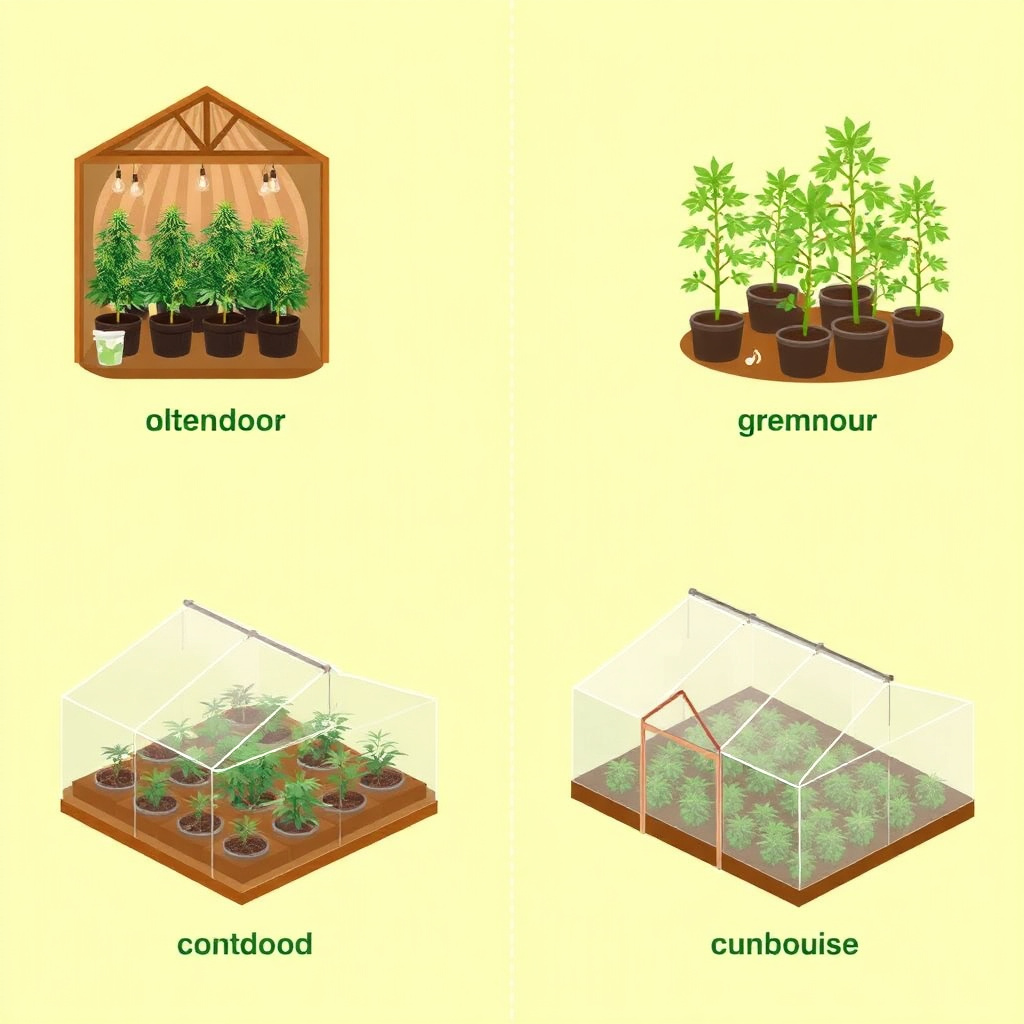
Cannabis cultivation licenses can differ based on the scale and method of growing. Categories often include micro-cultivator, standard cultivator, nursery license for cloning, and processor licenses. Each type varies in allowable plant counts, canopy size limits, and operational requirements.
Knowing the correct license category to apply for prevents wasted resources on ineligible applications. Local regulations may also differentiate licenses for medical versus adult-use cannabis cultivation, impacting production limits and security mandates.
- Micro-cultivator: Small scale, often limited to a few hundred square feet
- Standard cultivator: Larger operations with substantial plant canopy
- Nursery license: Focused on cloning and propagating plants
- Processor license: Includes cultivation plus processing/extraction
State vs. Local Licenses
Obtaining a cannabis cultivation license typically requires approval from both state and local authorities. The state issues the primary license, while local governments control zoning, land use, and additional permits such as conditional use or business licenses.
Understanding local restrictions, such as security fencing, odor control, and proximity to schools, can significantly affect where and how you cultivate. In some regions, local bans prohibit commercial growing entirely, despite state licensing availability.
Eligibility and Application Requirements for a Cannabis Cultivation License

Applicant Qualifications and Background Checks
Applicants must meet specific criteria including age (typically 21+), clean criminal history related to controlled substances, and financial stability. Background checks on owners and key personnel are routine, aiming to exclude individuals with disqualifying offenses.
Many states also require proof of residency or in-state business presence. Corporations must disclose all partners and shareholders, which may delay the approval process if any associate fails to meet standards.
For more on this, see our related guide: Are Cannabis Seeds Legal in the USA? Understanding the Legal Landscape.
Documentation and Plan Submission
The application package generally includes a detailed cultivation plan covering site layout, security measures, water usage, pest management, and environmental impact. Financial documents proving your ability to fund the operation and sustain compliance are mandatory.
Other required paperwork can includelease agreements, zoning approvals, and community impact statements. Preparing these documents early helps avoid application delays or outright rejection.
- Site map with security details
- Standard operating procedures for cultivation
- Environmental and waste management plans
- Financial statements and proof of funds
Navigating Fees, Deadlines, and Licensing Timelines

Application and License Fees
Fees vary widely depending on license type and state. Application fees might range from a few hundred to several thousand dollars, with annual license renewal fees often higher. Budgeting carefully is essential, as some fees are non-refundable, even if your application is denied.
Additional costs may include local permits, inspection charges, and mandatory training or certifications for staff.
Typical Application Timelines
The review process can take anywhere from 60 days to over six months, influenced by application complexity, backlog, and completeness. After initial approval, on-site inspections are common before final licensing is granted.
Plan for potential delays by starting your application well before your intended cultivation start date. Follow up promptly on requests for supplementary information to avoid stalls.
Security and Compliance Standards for Cannabis Cultivation Facilities

Required Security Features
Most jurisdictions require surveillance cameras covering all entrances, exits, and grow areas, along with alarm systems. Physical barriers such as fences and locked gates restrict unauthorized access, which is critical to prevent theft and diversion.
Access control through biometric or coded entry ensures only approved personnel can enter. Compliance with these measures factors heavily in licensing approval and ongoing inspections.
- Continuous video monitoring
- 24/7 security patrols or remote monitoring
- Secure access controls
- Alarm systems integrated with local law enforcement
For more on this, see our related guide: Cannabis Cultivation Laws by State: What You Need to Know in 2024.
Environmental and Health Compliance
Regulations require growers to manage pesticides, fertilizers, and waste responsibly. Many states mandate integrated pest management techniques and restrict chemical use to protect workers and nearby communities.
Proper ventilation, odor control, and water runoff plans are also mandated to minimize environmental impact and community complaints.
Maintaining Your Cannabis Cultivation License and Compliance

Record Keeping and Reporting
License holders must keep meticulous records of plant inventories, sales, pesticide use, and waste disposal. Many states require submission of these records monthly or quarterly to regulatory agencies.
Failing to maintain accurate logs can result in fines or license suspension, underscoring the need for robust internal tracking systems.
For a broader understanding of how cannabis cultivation licenses fit within U.S. regulations, see this cannabis cultivation licensing overview. Cannabis cultivation licensing overview.
Renewal and Inspection Processes
Renewal typically involves submitting updated documentation, paying fees, and passing inspections that verify ongoing compliance with security and environmental rules.
Surprise inspections may also occur, so maintaining consistent standards year-round is critical to avoid interruptions in cultivation operations.
Cannabis Cultivation License Categories Comparison
Here's a comparison of common cannabis cultivation license types based on scale, plant limits, and typical fees.
| License Category | Maximum Canopy Size | Plant Count Limits | Application Fee | Annual Renewal Fee |
|---|---|---|---|---|
| Micro-Cultivator | Up to 5,000 sq ft | Up to 50 plants | $1,000 – $3,000 | $2,000 – $5,000 |
| Standard Cultivator | 5,000 to 22,000 sq ft | Up to 500 plants | $5,000 – $10,000 | $10,000 – $20,000 |
| Nursery License | Varies, usually small footprint | No flowering plants | $500 – $2,500 | $1,000 – $3,000 |
| Processor with Cultivation | Depends on state | Varies widely | $7,500 – $15,000 | $15,000 – $25,000 |
Frequently Asked Questions
Can I apply for a cannabis cultivation license if I have a previous drug conviction?
Most states disqualify applicants with recent or serious drug-related convictions, but rules vary. Some jurisdictions allow exceptions after a certain time has passed or for minor offenses.
How long does it usually take to get a cannabis cultivation license approved?
Approval times vary but typically range from two to six months depending on the state's application backlog and complexity of your submission.
Are cannabis cultivation licenses transferable between owners?
Generally, licenses are non-transferable; new owners must apply for their own licenses. However, some states allow transfer under specific conditions with regulatory approval.
What happens if my application is rejected?
You may have an opportunity to appeal or reapply after addressing deficiencies. Review feedback carefully and consider consulting legal experts before resubmission.
Do I need additional permits beyond the cultivation license?
Yes, local permits like zoning, business licenses, and health department approvals are often required in addition to the state cultivation license.
Key Takeaways
- Cannabis cultivation licenses vary by scale, method, and local regulations.
- Applicants must meet strict eligibility and document requirements.
- Security and environmental compliance are critical throughout cultivation.
- Renewal demands ongoing record-keeping and adherence to regulations.
Conclusion
Securing a cannabis cultivation license requires thorough preparation, from understanding the precise license categories your operation fits into, to assembling the required documentation and building a compliant facility. Balancing financial commitments, security measures, and environmental responsibility forms the heart of licensing success. A methodical approach ensures you meet both state and local expectations while establishing a lawful foundation for your cannabis growing business.
If you are pursuing a small-scale indoor grow, aiming for a micro-cultivator license is advantageous due to lower fees and simpler compliance demands. Larger outdoor or mixed-method farms might gravitate toward standard cultivator or combined processor licenses, which involve more extensive regulations but enable higher production capacity. Consulting local regulations early helps identify appropriate license types and avoid costly missteps in your application process.
Begin by thoroughly researching your state's cannabis licensing website and local ordinances, then organize your application materials well before deadlines. Engage professionals for legal, security, and environmental planning if needed. By approaching the license procurement process deliberately, you increase your chances of approval and build a compliance-focused cultivation operation capable of long-term success.