How to Compare Seed Companies for the Best Garden and Crop Yield
To compare seed companies effectively, start by evaluating key factors such as seed quality, variety, pricing, and customer reviews. Quality seeds directly impact plant growth, disease resistance, and overall yield, so prioritize companies with high germination rates and positive user feedback.
Choosing the right seed company makes a significant difference whether you’re a home gardener or a commercial grower. Beyond just price, understanding factors like seed origin, certification, and availability of heirloom or hybrid varieties matters. Companies with transparent sourcing and clear labeling tend to provide better guarantees and reliability.
This article will guide you through the main considerations when comparing seed companies, including detailed looks at seed quality indicators, customer support services, pricing structures, variety offered, and shipping policies. We’ll also highlight how to interpret reviews and certifications to make an informed choice.
Seed Quality and Certification Standards
Understanding Seed Germination Rates
Germination rate measures the percentage of seeds likely to sprout after planting, which reflects seed viability. Higher germination rates mean less waste and more consistent crop growth. Reliable seed companies provide detailed germination data either on packaging or their websites.
It is essential to look for recent germination tests. Some seed companies may offer warranties or replacement policies if seeds don't germinate as expected, indicating confidence in their quality.
Certification and Seed Purity
Certification from organizations like the Association of Official Seed Certifying Agencies (AOSCA) or state agencies confirms seeds meet specific quality and purity standards. These certifications check genetic purity, absence of contaminants, and seed health.
Companies selling certified seeds often outperform uncertified sellers in reliability. Checking for clear labeling on certifications helps differentiate trustworthy seed suppliers.
- Look for official certification logos on seed packets
- Ask about seed origin and testing if not disclosed
Diversity and Availability of Seed Varieties
Heirloom, Hybrid, and GMO Seeds
Heirloom seeds are open-pollinated varieties passed through generations and prized for flavor and genetic diversity. Hybrid seeds are bred for specific traits like disease resistance or yield but do not breed true.
Some companies also offer genetically modified (GMO) seeds, which are often restricted in home gardening contexts. Knowing which types a company specializes in helps match their seed offerings with your gardening goals.
- Heirloom seeds maintain traditional genetics
- Hybrids maximize performance for specific conditions
- GMO seeds have engineered traits but may be limited
Seasonal Availability and Regional Adaptation
Top seed companies adjust offerings based on planting seasons and regional climates. Availability of seeds suited to your local environment often results in better growth and yield outcomes.
Seed companies with good stocking policies can supply seeds year-round or provide planting calendars suited to different zones, which is valuable for planning.
Evaluating Pricing and Value
Seed Pricing Models
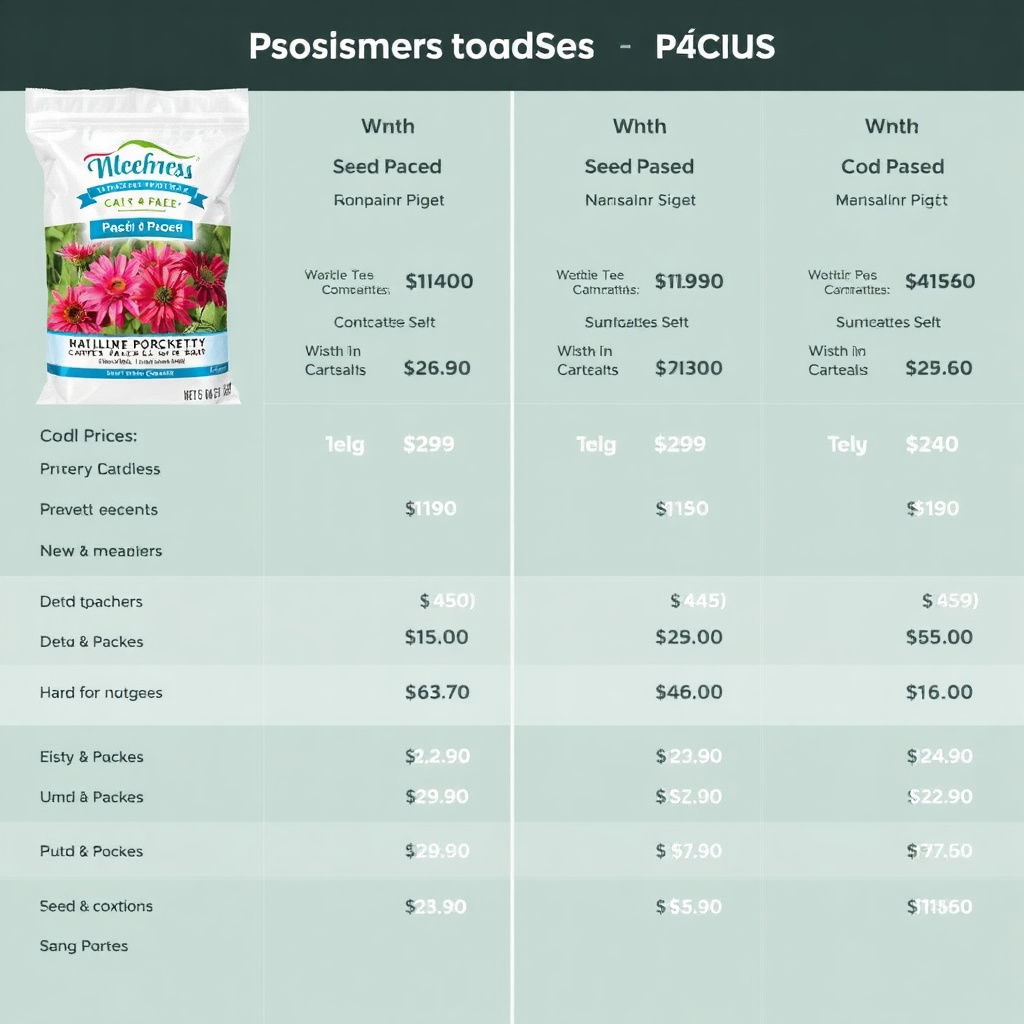
Seed prices can vary widely based on type, quantity per packet, and brand reputation. Premium prices are justified by higher germination rates, organic certification, or rare varieties.
Some companies offer bulk discounts, subscription plans, or seed bundles that provide better value when purchasing multiple seed types.
- Price per seed or per packet varies
- Bulk buying saves money if you need large quantities
- Value bundles can reduce cost per variety
For more on this, see our related guide: Are Cannabis Seeds Legal in the USA? Understanding the Legal Landscape.
Comparing Cost Versus Quality
Cheaper seeds may come with lower germination rates or lack certifications, increasing replacement needs and reducing overall value. Consider the total cost including potential losses from wasted seeds.
Balancing price and quality based on intended use helps avoid overpaying for seeds you don't need or buying inferior seeds that impair results.
Customer Service and Support

Return Policies and Guarantees
Seed companies with clear return or replacement policies show commitment to customer satisfaction. Guarantees on germination percentage or shipment quality provide reassurance before buying.
Check if companies offer refunds or free replacements for defective seeds or shipping damage, as that can save money and hassle.
- Look for seed germination guarantees
- Confirm policy on damaged or incorrect shipments
Technical Support and Gardening Advice
Some seed companies provide expert gardening tips or access to horticulturists via phone or chat. This support helps especially new gardeners avoid common planting mistakes and get the best results.
Availability of detailed growing guides, planting schedules, and trouble-shooting advice from the seller enhances your overall successful experience.
Ordering Experience and Shipping
Ease of Ordering and Website Usability
A well-designed website with clear categories and search functions simplifies finding desired seeds. Filters by plant type, zone, or variety speed up selections.
Ordering platforms supporting multiple payment methods and order tracking make the buying process more convenient and transparent.
For more on this, see our related guide: What Legal Barriers Prevent Farmers From Legally Replanting Their Own Seeds?.
Shipping Speed and Packaging
Timely delivery matters, especially during planting seasons. Reliable seed companies provide estimated shipping times and use packaging that protects seeds from moisture and damage.
Some companies offer expedited shipping or regional warehouses to shorten lead times to customers.
- Check for moisture-proof, resealable seed packaging
- Confirm delivery options and seasonal shipping guarantees
Reputation and Customer Feedback

Analyzing Online Reviews
Customer reviews give unfiltered insights about seed quality, germination rates, shipping reliability, and customer support. Look for patterns rather than isolated complaints.
Review platforms specific to gardening and agriculture often provide more trustworthy feedback than general retail sites.
- Focus on recent and verified purchase reviews
- Balance good and bad feedback to gauge overall reliability
For more details on recognized quality controls in seed production, see this overview of seed certification standards. Seed certification standards.
Industry Awards and Recognition
Some seed companies receive awards or certifications from horticultural societies, which can indicate superior products or innovation.
Industry recognition may highlight companies leading in new seed varieties or eco-friendly practices.
Seed Company Category Comparison
This table compares different categories of seed companies based on quality, variety, price, and service for better decision-making.
| Company Category | Seed Quality | Variety Offered | Pricing | Customer Service |
|---|---|---|---|---|
| Boutique Heirloom Specialists | Very High; Certified Heirloom | Limited to Heirlooms | Premium Pricing | Excellent Personalized Support |
| Large Commercial Suppliers | High; Certified Hybrids and Organics | Extensive Variety | Competitive Prices | Good Standard Support |
| Budget Seed Retailers | Variable; Mixed Certification | Moderate Variety; Often Hybrid | Low Pricing | Limited Support |
| Online Specialty Seed Banks | High; Often Rare Varieties | Niche and Rare Varieties | Moderate to High | Responsive Online Support |
| Local Seed Exchanges | Variable; Homegrown | Local Varieties Only | Free or Donation-Based | Community-Based Support |
Frequently Asked Questions
How can I tell if a seed company sells high-quality seeds?
Look for clear germination rates, seed certification labels, and policies offering seed replacement or guarantees. Customer reviews also provide insight into seed quality.
Are heirloom seeds better than hybrid seeds?
Heirloom seeds preserve traditional genetics with unique flavors, while hybrid seeds are bred for traits like yield and disease resistance. The best choice depends on your gardening goals.
What should I consider besides price when buying seeds?
Beyond price, consider seed quality, germination rates, seed variety, company reputation, and customer service to maximize the value of your purchase.
Do all seed companies ship year-round?
Many companies adjust availability seasonally and may stock region-specific seeds. Confirm shipping policies and timing, especially for local or seasonal planting.
Is it important to buy certified seeds?
Certified seeds have verified purity and germination standards, reducing risks of disease and poor performance, making certification an important factor for many growers.
Key Takeaways
- Evaluate seed quality first by checking germination rates and certifications.
- Consider variety type and regional suitability for your planting needs.
- Balance price against seed quality and company customer support.
- Research company reputation and return policies before purchasing.
Conclusion
Choosing the right seed company involves weighing several factors beyond just price or variety. Focus primarily on seed quality metrics such as germination rates and certification to avoid costly failures. Customer support and clear return policies add security to your purchase, especially if you need guidance or replacements. By considering the seed company’s adaptation to your climate and the seed types they offer—whether heirloom, hybrid, or GMO—you align your purchase with gardening goals that matter most for your crops or garden plot. This strategic selection minimizes risk and maximizes potential yield and enjoyment from your planting efforts.
For gardeners seeking traditional flavors and genetic diversity, boutique heirloom specialists offer high-quality, certified seeds, though often at premium prices. Commercial suppliers provide broader variety and competitive costs, ideal for larger-scale growers needing reliable hybrids or organic options. Budget seed retailers may attract price-sensitive buyers but often lack certifications or robust customer support. Specialty seed banks serve niche interests with rare varieties, paired with responsive service. Local seed exchanges foster community sharing but vary in quality and variety. Consider which category fits your priorities best to narrow down your choices effectively.
Begin by shortlisting companies that hold recognized seed certifications and provide detailed germination data. Compare their seed varieties for regional compatibility and examine customer feedback to confirm reliability. Test a small batch initially to observe results firsthand. If satisfied, explore bulk buying or subscription options from companies providing ongoing support. Practical steps like these turn the search for seed suppliers into a manageable process, enabling you to confidently select seeds that will thrive and yield well in your garden or farm.