How to Fix Calcium Deficiency: Effective Ways to Boost Your Calcium Levels
Fixing calcium deficiency starts with understanding how to increase your calcium intake through diet, supplements, and lifestyle changes. Consuming calcium-rich foods, taking calcium supplements when needed, and improving absorption through vitamin D are among the primary ways to address this deficiency.
Calcium plays a vital role in bone strength, muscle function, nerve signaling, and heart health. A lack of calcium can lead to bone thinning, increased fracture risk, and other health problems that might develop quietly over time without clear symptoms at first. Restoring adequate calcium levels can prevent these outcomes and support overall well-being.
This article will explore effective strategies to fix calcium deficiency, including dietary tips, supplement options, lifestyle adjustments, causes of poor calcium absorption, and how to monitor your calcium status for long-term health.
Understanding Calcium Deficiency and Its Causes
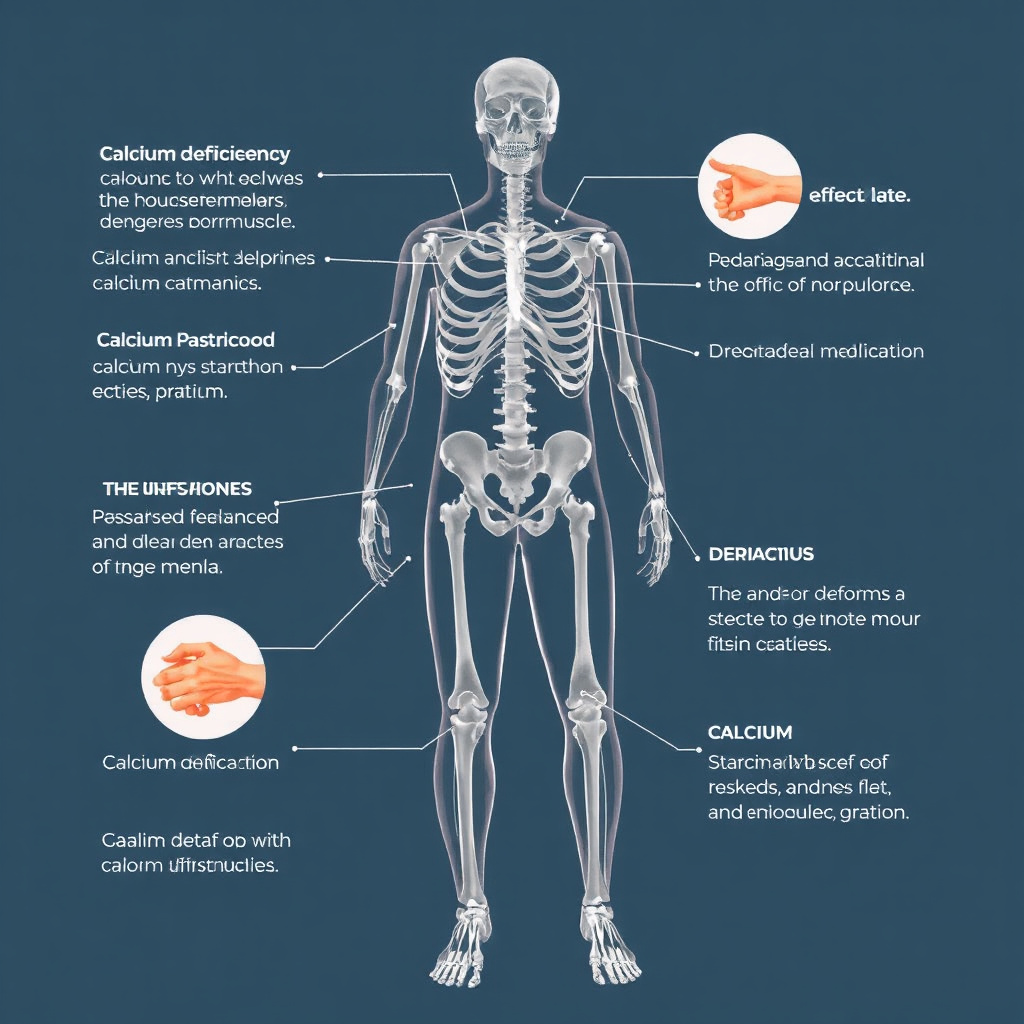
What Is Calcium Deficiency?
Calcium deficiency, or hypocalcemia, occurs when blood calcium levels fall below the normal range. This can result from inadequate dietary intake, impaired absorption, excessive excretion, or certain medical conditions. Symptoms may vary from mild muscle cramps and numbness to severe bone fragility or cardiac issues in chronic cases.
A critical aspect is that calcium is tightly regulated in the body. Even when intake is low, the body often compensates by pulling calcium from bones, which can weaken skeletal integrity. Identifying low calcium early is essential for preventing long-term damage.
Common Causes of Calcium Deficiency
Several factors contribute to calcium deficiency. Insufficient dietary calcium, vitamin D deficiency impacting absorption, chronic kidney disease, hormonal imbalances such as hypoparathyroidism, and gastrointestinal disorders like celiac disease that interfere with nutrient uptake are prominent causes.
Additionally, lifestyle factors including high caffeine or alcohol consumption and certain medications like corticosteroids can impair calcium levels. Understanding these causes helps tailor the right intervention to fix calcium deficiency effectively.
- Low dietary calcium intake
- Vitamin D deficiency
- Kidney disease
- Hormonal disorders
- Gastrointestinal malabsorption
- Medication side effects
Dietary Approaches to Fix Calcium Deficiency

Best Calcium-Rich Foods to Include Daily
Incorporating calcium-rich foods is the most natural way to fix calcium deficiency. Dairy products like milk, yogurt, and cheese are excellent sources. For those who avoid dairy, leafy green vegetables such as kale and bok choy, almonds, sesame seeds, fortified plant milks, and tofu can provide substantial calcium.
The advantage of food sources is they often come with other beneficial nutrients such as magnesium and vitamin K that support bone health. Aiming for at least three servings of calcium-rich foods daily helps maintain adequate calcium levels.
- Milk, yogurt, and cheese
- Leafy greens like kale and spinach
- Almonds and sesame seeds
- Fortified plant-based milks
- Tofu processed with calcium
For more on this, see our related guide: How to Identify and Fix Cannabis Plant Nutrient Deficiencies.
How Vitamin D Improves Calcium Absorption
Vitamin D plays a crucial role in calcium absorption from the gut. Without sufficient vitamin D, even high calcium intake may not correct deficiency. Sun exposure is a natural vitamin D source, but supplementation or vitamin D–rich foods like fatty fish are often necessary, especially in low sunlight regions.
Optimizing vitamin D levels supports bone remodeling and reduces calcium loss through urine. Ensuring adequate vitamin D status helps maximize the benefit of dietary calcium for fixing deficiency.
- Vitamin D enhances intestinal calcium absorption
- Sunlight exposure stimulates vitamin D synthesis
- Fatty fish, egg yolks, fortified foods provide vitamin D
- Supplements may be necessary in deficiency
Calcium Supplements: When and How to Use Them

Types of Calcium Supplements Available
Calcium supplements come primarily as calcium carbonate and calcium citrate. Calcium carbonate contains a higher amount of elemental calcium but requires stomach acid for absorption, making it better taken with meals. Calcium citrate has better absorption for individuals with lower stomach acid and can be taken anytime.
Choosing the right supplement depends on personal tolerance, digestive health, and dosage goals. Some supplements also include vitamin D to improve calcium uptake.
- Calcium carbonate – higher elemental calcium, best with food
- Calcium citrate – better absorption, suitable for sensitive stomachs
- Combination supplements with vitamin D
- Chewable or liquid formulations
Recommended Dosage and Safety Tips
Most adults need 1000 to 1300 mg of calcium daily combining diet and supplements. When supplementing, doses above 500 mg per intake are less efficiently absorbed, so dividing doses is recommended. Excess calcium can cause kidney stones or interfere with other mineral absorption.
Always consult a healthcare provider before starting supplements, especially if you have kidney problems or take other medications, to fix calcium deficiency safely and effectively.
- Split doses above 500 mg for better absorption
- Total daily intake should not exceed 2500 mg
- Hydrate adequately to reduce kidney stone risk
- Check for interactions with medications
Lifestyle Changes to Support Calcium Levels

Exercise and Bone Strengthening Activities
Weight-bearing exercises like walking, jogging, and resistance training stimulate bone formation and help incorporate calcium into bone tissue. Regular physical activity promotes bone density and may indirectly improve calcium metabolism.
Incorporating 30 minutes of moderate exercise most days supports not just calcium health but overall musculoskeletal well-being.
- Walking or jogging daily
- Resistance training 2-3 times weekly
- Balance exercises to prevent falls
- Avoid prolonged inactivity
For more on this, see our related guide: Common Cannabis Seedling Problems and How to Fix Them.
Avoiding Habits That Deplete Calcium
Certain lifestyle habits reduce calcium absorption or increase its loss. Excess caffeine and alcohol consumption can adversely affect calcium retention. Smoking damages bone health and disrupts calcium metabolism. Moderating these habits supports better calcium levels.
Also, managing salt intake and avoiding high-phosphorus processed foods can help prevent calcium excretion and maintain bone strength.
- Limit caffeine and alcohol
- Quit smoking
- Reduce high-sodium processed foods
- Maintain adequate hydration
Monitoring and Testing Calcium Levels

How Calcium Levels Are Tested
Blood tests measuring serum calcium concentration provide a snapshot of calcium status. However, because calcium is tightly regulated, tests for vitamin D levels, parathyroid hormone, and bone density scans (DEXA) may be needed to fully assess calcium deficiency risks.
Regular monitoring helps evaluate treatment effectiveness, especially in individuals with underlying conditions affecting calcium.
For a deeper understanding of calcium deficiency causes and treatments, visit this comprehensive resource on calcium deficiency information. calcium deficiency information.
When to Consult a Healthcare Provider
If experiencing symptoms like muscle spasms, numbness, or unexplained bone pain, it’s advisable to seek medical advice. Those with chronic diseases affecting kidneys, digestion, or hormones should regularly check calcium status to fix deficiency proactively.
Professional guidance ensures tailored treatment plans and detects complications early.
Comparing Calcium Sources and Supplement Types
Here’s a comparison of the main sources of calcium and supplement forms to help identify the best option for fixing calcium deficiency based on absorption, convenience, and suitability.
| Category | Calcium Content (mg per serving) | Absorption Efficiency | Recommended Usage | Additional Benefits or Considerations |
|---|---|---|---|---|
| Milk (8 oz) | 300 | High | Daily dietary source | Provides protein, vitamin D (if fortified) |
| Spinach (1 cup cooked) | 245 | Low | Supplement diet | Contains oxalates that reduce absorption |
| Calcium Carbonate Supplement | 400-500 per tablet | Moderate-High | With meals | Economical, high elemental calcium |
| Calcium Citrate Supplement | 200-300 per tablet | High | Anytime, sensitive stomach | Better for older adults |
| Almonds (1 oz) | 75 | Moderate | Snacking | Rich in magnesium and healthy fats |
| Fortified Soy Milk (1 cup) | 300 | High | Dairy alternative | Often includes vitamin D and B12 |
Frequently Asked Questions
Can calcium deficiency be fixed without supplements?
Yes, many cases can be addressed with a calcium-rich diet and vitamin D optimization. Supplements are helpful primarily when dietary intake or absorption is insufficient.
How long does it take to fix calcium deficiency?
Improvement timelines vary but mild deficiencies may improve within weeks to months with proper diet and supplementation. Bone density changes can take longer, often several months to years.
Is it safe to take calcium supplements daily?
Daily calcium supplements are safe when taken within recommended doses and under medical advice, especially if dietary intake is low or absorption is impaired.
Does vitamin D alone fix calcium deficiency?
Vitamin D improves calcium absorption but cannot fix deficiency alone if dietary calcium intake is very low; both adequate calcium intake and vitamin D are needed.
Are plant-based calcium sources as good as dairy?
Many plant sources provide calcium but some contain compounds like oxalates that reduce absorption. Fortified plant milks and tofu processed with calcium are effective dairy alternatives.
Key Takeaways
- Fix calcium deficiency mainly through calcium-rich foods and vitamin D support.
- Supplements help if diet or absorption is inadequate but should be used properly.
- Lifestyle choices like exercise and avoiding calcium-depleting habits improve outcomes.
- Monitoring via blood tests and bone density scans guides effective treatment.
Conclusion
Addressing calcium deficiency requires a careful combination of increasing calcium intake, enhancing absorption, and supporting bone health through lifestyle measures. Understanding the underlying causes and the body's calcium regulation helps select an appropriate plan that fits individual needs and health status. Regular monitoring ensures adjustments and effectiveness.
Dietary changes focusing on the best calcium-rich foods such as dairy, leafy greens, and fortified plant products provide a strong foundation for most people. If dietary adjustments fall short due to absorption issues or higher needs, calcium supplements like calcium citrate or carbonate along with vitamin D supplementation become valuable. For those with chronic illnesses impacting calcium metabolism, working with healthcare providers to target both deficiency and causes is essential.
To fix calcium deficiency effectively, start by assessing your diet and lifestyle, considering testing your calcium and vitamin D status, and consulting a healthcare professional for tailored advice. Combining these strategies improves bone health and reduces risks of complications linked to calcium deficiency.