How to Find Your Last Frost Date for Successful Gardening
To find your last frost date, consult reliable sources such as local agricultural extensions, gardening calendars, or online frost date calculators that use historical climate data. The last frost date marks the estimated day in spring when frost is unlikely to occur, essential for timing plantings.
Knowing your last frost date allows you to avoid planting tender seedlings too early, preventing frost damage. It also helps schedule outdoor gardening tasks, such as sowing seeds or transplanting seedlings, ensuring plants have a strong start in optimal conditions.
This article will cover how to determine your last frost date using different resources, interpret frost date ranges based on your location, understand microclimates, and use this information to time your gardening activities better.
Understanding What the Last Frost Date Means
Definition and Importance of the Last Frost Date
The last frost date refers to the average date in spring when a location experiences its final freezing temperature, typically 32°F (0°C) or below. After this day, frost is unlikely to return, signaling safer conditions for frost-sensitive plants.
Gardeners rely on this date to avoid planting warm-weather crops too early. Misjudging the last frost can lead to damaged or killed plants, delayed growth, and wasted effort.
How the Last Frost Date Varies by Region
Last frost dates differ widely across regions due to variations in climate, elevation, and proximity to large water bodies. For example, a last frost date in a northern state might be late May, whereas in a southern state, it could be early March.
Local topography and microclimates, like urban heat islands or sheltered valleys, can shift final frost dates, making local knowledge important.
Using Online Tools to Determine Your Last Frost Date
Accessing Frost Date Calculators
Several websites offer frost date calculators that estimate last frost dates based on your zip code or GPS coordinates. These calculators analyze historical temperature data over decades to provide average frost dates.
Popular resources include the National Gardening Association, the Old Farmer's Almanac, and local agricultural extension services, which provide reliable and updated frost date information.
- Input your exact location for best accuracy
- Check if the tool accounts for recent climate trends
- Review the provided frost date range, not just a single date
For more on this, see our related guide: 10 Steps to Grow Pumpkin Seeds Successfully.
Interpreting Online Frost Date Results
Online frost date results usually give a range, showing the earliest, average, and latest possible frost dates. This range helps you weigh risks when planning garden tasks.
Using the average date is a common practice, but erring on the later end reduces risk of frost damage, especially for sensitive plants.
Consulting Local Resources and Historical Weather Data
Local Agricultural Extensions and Gardening Clubs
Many agricultural extension offices provide localized frost date information tailored to your area's microclimates and historical records. They often offer planting calendars aligned to those dates.
Joining community gardening groups can provide anecdotal insights about frost timing in your neighborhood, supplementing official data for practical planning.
Analyzing Historical Weather Records
Reviewing historical weather data from nearby weather stations allows you to observe frost trends over decades. This analysis can identify shifts in frost dates due to climate changes or unusual local weather.
Reliable sources for historical data include NOAA's National Centers for Environmental Information and local meteorological services.
- Look at last frost occurrence dates over 30+ years
- Note frequency of late frost events
Factoring in Microclimates and Garden Location
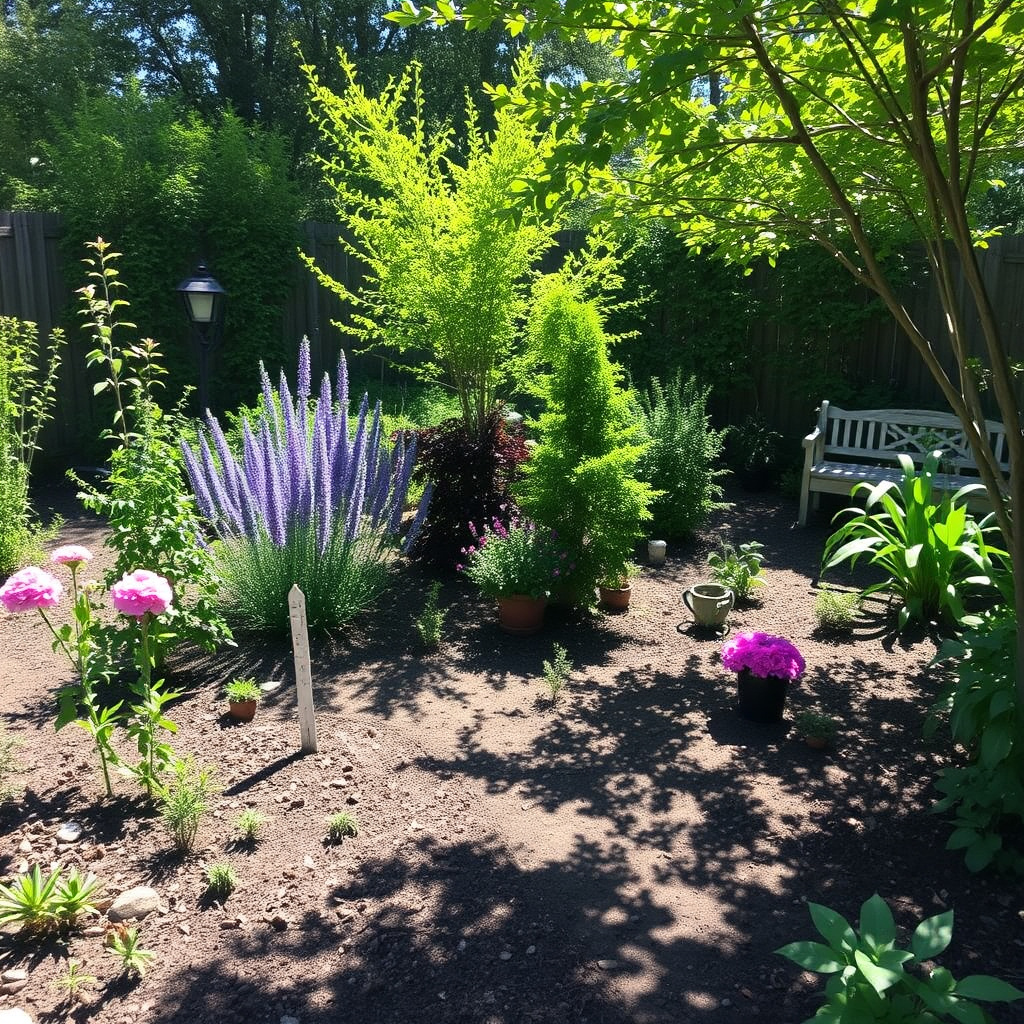
What Are Microclimates and Their Effect on Frost Dates?
Microclimates are localized climate variations within a small area caused by factors such as elevation, wind patterns, shade, and proximity to water. These can cause your garden's frost date to differ from official regional estimates.
Understanding your garden's microclimate helps you refine planting dates by identifying warmer or colder spots, improving plant survival chances.
For more on this, see our related guide: 7 Simple Steps to Grow Pumpkins From Seeds.
Determining Your Garden’s Microclimate
Observe frost patterns in your garden across seasons, noting where frost lingers or disappears early. Using simple frost sensors or thermometers aids in monitoring.
Elements such as south-facing walls, snow cover, or dense tree canopies can influence local temperatures and frost occurrence.
- Check frost frequency in different garden zones
- Record temperatures during early spring nights
Applying Last Frost Date Information in Gardening
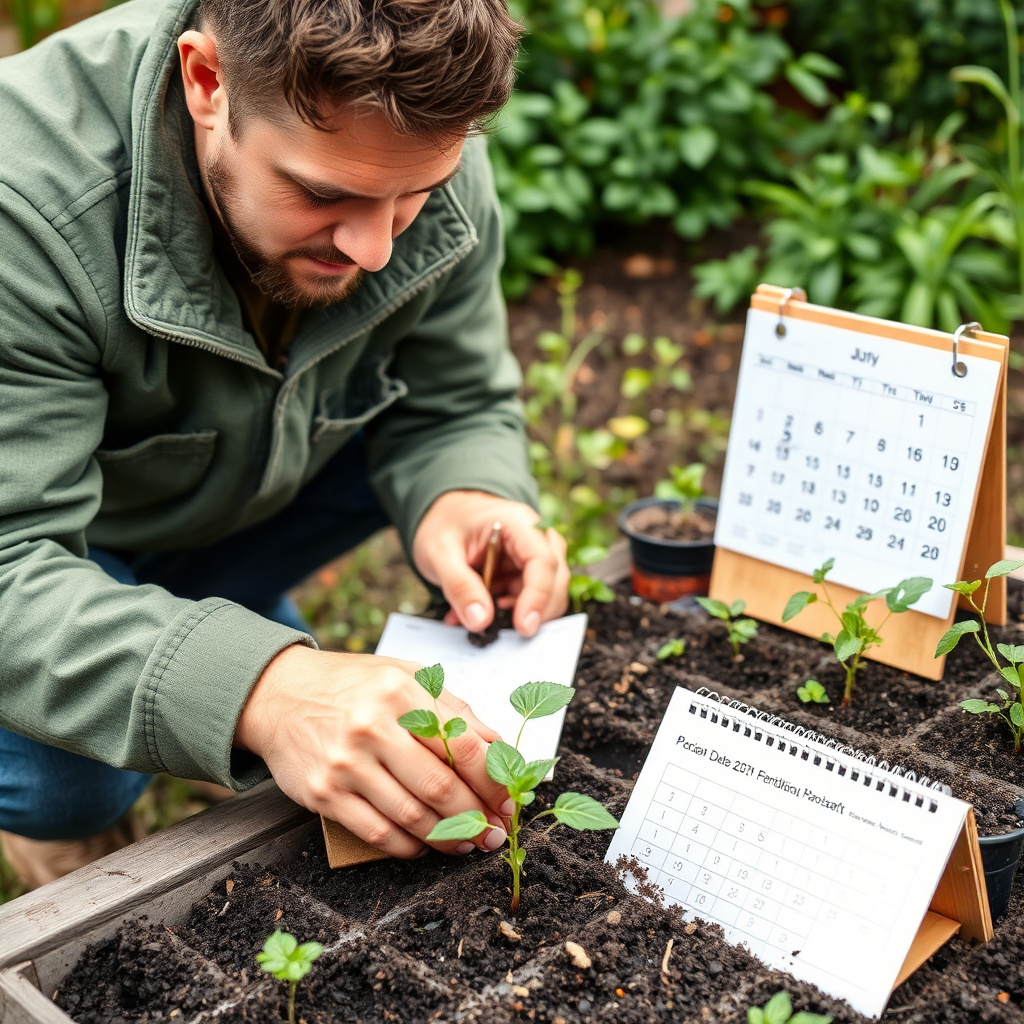
Scheduling Seed Starting and Transplanting
Knowing your last frost date lets you time indoor seed starting and outdoor transplanting so plants are strong enough to handle the transition without frost risk. Seeds needing a long growing season can be started earlier indoors accordingly.
Warm-season crops like tomatoes and peppers should always be planted after the last expected frost to prevent injury.
- Start seeds indoors 6-8 weeks before last frost date
- Transplant seedlings outdoors 1-2 weeks after last frost
For official guidance and detailed frost date data, refer to frost date information from the USDA. frost date information from the USDA.
Extending the Growing Season
Gardeners can also use frost date knowledge to protect plants with covers during unexpected late frosts or to plant cold-hardy varieties ahead of the last frost date to gain extra growing time.
Season extension techniques like cold frames and cloches allow gardening beyond the strict frost date limits.
- Use frost blankets during cold snaps
- Choose early-maturing or frost-tolerant plants
Last Frost Date Estimation Methods Comparison
This table compares common methods to find your last frost date, highlighting their accuracy, ease of use, and typical data sources.
| Method | Accuracy | Ease of Use | Data Source |
|---|---|---|---|
| Online Frost Calculators | Moderate to High | Very Easy | Historical Weather Data Aggregated |
| Local Agricultural Extensions | High | Moderate | Regional Microclimate Records |
| Historical Weather Records | High | Complex | Long-Term Meteorological Data |
| Personal Microclimate Observation | Variable | Moderate | Direct Local Observation and Sensors |
Frequently Asked Questions
Why is knowing my last frost date important for gardening?
Knowing your last frost date helps prevent planting tender plants too early, reducing frost damage risk and improving overall plant success.
Can the last frost date change from year to year?
Yes, the last frost date can vary annually due to weather fluctuations, but historical averages provide a reliable guide for planning.
How do microclimates affect my garden’s frost risk?
Microclimates can cause frost dates to be earlier or later than regional averages by influencing temperature in specific garden areas, affecting planting schedules.
Are frost date calculators accurate for every garden?
They provide good estimates based on historical data, but individual garden conditions like microclimates can cause variations.
How can I protect plants if a late frost occurs after planting?
Use frost cloths, blankets, or covers to shield plants during cold nights and consider temporary heat sources to prevent frost damage.
Key Takeaways
- Last frost date marks when frost is unlikely to occur, crucial for safe planting.
- Use online calculators, local extensions, and historical data to find your last frost date.
- Microclimates can shift frost dates locally, requiring personal observation.
- Apply frost date knowledge to schedule seed starting and protect plants effectively.
Conclusion
Determining your last frost date is a foundational step for successful gardening, guiding the timing of seed sowing, transplanting, and outdoor planting. By combining data from online calculators, local agricultural sources, and your own garden observations, you can tailor planting schedules to your local climate and microclimates for healthier plants.
For gardeners aiming to maximize yield, using both average and conservative last frost dates helps balance risk and growth opportunity. Warm-season crops require waiting until after the last frost, while cold-hardy plants can be started earlier or protected during unexpected cold spells. Resources like local extension offices and reliable gardening frost dates sources complement online tools for the most precise planning.
Start by identifying your region’s average last frost date through trusted websites or local services, then monitor your garden’s microclimate for fine-tuning. Keep track of frost events yearly for increased accuracy and confidence. With this approach, you can confidently schedule planting with minimized frost damage risk and enjoy a thriving garden season.