What Is a Seed?
Are you dreaming of starting your own garden but feeling overwhelmed by where to begin? You’re not alone. Many people struggle with understanding the basics of growing plants from scratch.
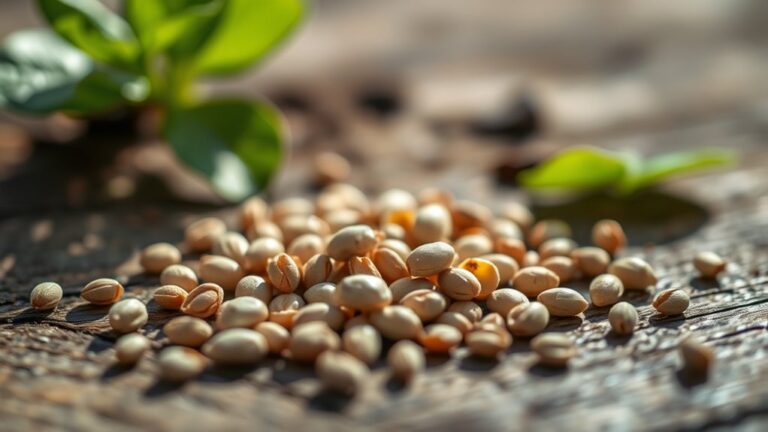
A seed is a tiny, living package that contains all the genetic material and nutrients needed for a new plant to grow. It has a protective seed coat, an embryo that develops into roots and leaves, and is designed for dispersal through wind, water, animals, or humans.
Seeds are essential for plant reproduction, biodiversity, and ecosystems.
If you want to understand how they turn into thriving plants, there’s plenty more to explore.
Key Takeaways
- A seed is a tiny, living package that contains the embryo of a new plant.
- Seeds have protective coats that safeguard the developing plant inside.
- Germination begins when conditions like moisture, warmth, and light activate the seed.
- Seeds carry genetic material, helping plants reproduce and maintain biodiversity.
- They serve as a food source for animals and support ecosystems through dispersal.
What Is a Seed and How Does It Work?
A seed is a tiny, living package that contains everything a new plant needs to grow. Its diversity lets for many plant types, each suited to different environments.
Germination depends on factors like moisture, temperature, and light, which tell the seed when to sprout. You need the right conditions—soil, water, and sunlight—for your plant to grow successfully.
Germination requires moisture, warmth, and light to signal seeds when to sprout and grow.
Proper seed storage keeps them fresh and viable, helping preserve genetic diversity, especially with heirloom seeds and hybrids. Seeds play a role in ecosystems by supporting pollinators and wildlife.
In farming, choosing seeds with good traits boosts crop yields and resilience. Seed adaptation is crucial for survival as climates change.
Whether you’re planting heirloom seeds for tradition or hybrids for better productivity, understanding how seeds work helps you make smarter choices for your garden or farm, leading to healthy plants and sustainability.
Inside a Seed: Understanding Its Key Parts
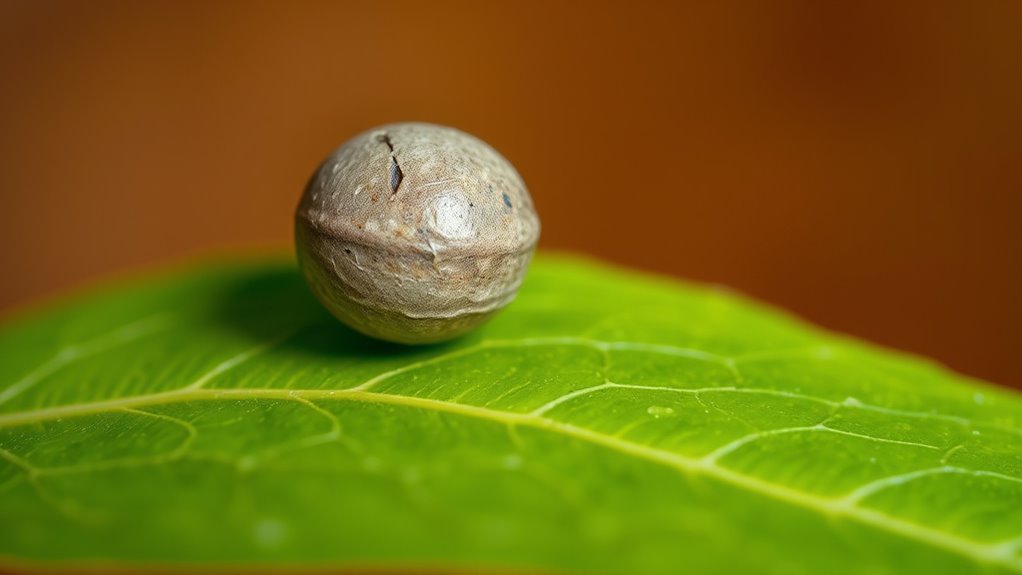
Inside a seed, there’s a seed coat that acts like a protective shell. It keeps the delicate parts inside safe from damage and keeps out things that could harm the young plant. Think of it as a tiny armor protecting the future plant inside.
Just underneath that seed coat, you’ll find the embryo. This is the part that’s actually growing into a new plant. It starts forming roots, a stem, and leaves — all the parts that will help the plant get nutrients and sunlight once it’s out of the seed.
Seed Coat Protection
The seed coat acts as a tough, protective barrier that shields the delicate interior from damage and disease. Its main functions include preventing physical injury, reducing water loss, and blocking harmful pathogens.
Different seed coat types help seeds adapt to various environments. Some are hard and thick for protection in tough conditions, while others are thin and fragile to allow quick germination.
These variations also affect how easily a seed can break open when conditions are right. The strength and structure of the seed coat are crucial for survival, helping the seed withstand environmental stresses until it’s ready to grow.
Embryo Development
Understanding embryo development is important because it lays the groundwork for a seed’s ability to grow into a healthy plant. During these early stages, the seed’s embryo transforms from a fertilized egg into a tiny plant with roots, shoots, and leaves.
This process starts right after fertilization and continues until the seed matures. As the embryo develops, it creates specialized tissues that prepare it for germination.
Seed maturation finishes this process, with the embryo reaching its full size and the seed entering dormancy. This keeps the seed safe until conditions are right for sprouting.
When the embryo develops properly, it ensures that once germination begins, the seed can quickly grow roots and shoots. This gives your future plant the best chance to start strong.
What Causes Seeds to Germinate?
You might have noticed that when a seed begins to grow, it first takes in water. This is like giving the seed a little wake-up call because the water kickstarts its internal processes.
Temperature is also pretty important here. It helps the seed figure out if the conditions are just right for sprouting. If it’s too cold or too hot, the seed might stay dormant longer or not sprout at all.
And don’t forget about oxygen! Seeds need it to breathe, just like we do. Oxygen helps the seed produce the energy it needs to grow and turn into a new plant.
Water Absorption Triggers Growth
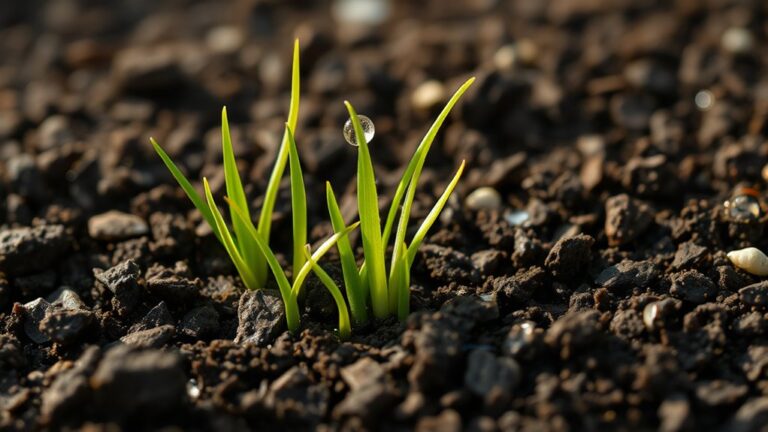
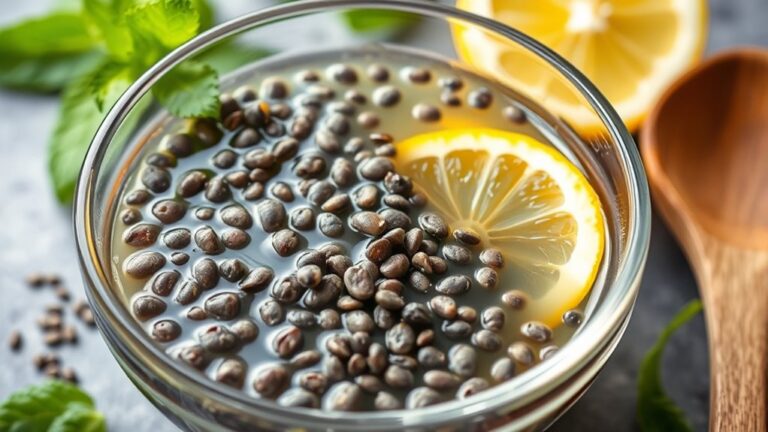
When a seed touches water, it kicks off an important process called germination. Water starts to get inside the seed, making it hydrated and ready to grow.
This activates enzymes that break down stored nutrients, giving the seed the energy it needs. Imagine the seed’s outer shell softening as water seeps in.
Inside, the tissues swell with moisture, creating pressure. The embryo inside wakes up, ready to sprout and start growing with the nutrients it needs.
Temperature’s Role in Activation
Temperature plays a key role in activating seeds because it affects how quickly and successfully they germinate. It determines whether a seed will sprout or stay dormant.
Each seed has specific temperature ranges—called thermal thresholds—that need to be met for germination to happen. When it’s too cold, metabolic processes slow down and growth stalls.
On the other hand, if temperatures are too high, they can damage the seed’s tissues. The best temperatures are just right to activate enzymes and support cellular development.
These ideal temperature ranges differ among species, but generally, they ensure conditions are suitable for growth. Understanding how temperature impacts seeds helps you predict sprouting times and create the perfect environment for healthy germination.
Oxygen Enables Respiration
Oxygen is essential for a seed’s ability to germinate because it powers the process of respiration, which provides the energy needed for growth. Without enough oxygen, seed respiration slows or stops, preventing germination.
When oxygen enters the seed, it fuels the breakdown of stored nutrients, releasing energy. This energy is vital for the seed to develop roots and shoots.
You can think of it like this: oxygen diffuses into the seed through tiny pores. Then, seed respiration begins, converting nutrients into energy.
That energy drives cell division, root growth, and seedling development. Oxygen’s role in seed respiration makes it a key factor for successful germination.
Without enough oxygen, seeds can’t produce the energy they need to sprout and grow into healthy plants.
Different Types of Seeds and Their Unique Features
Seeds come in a remarkable variety, each with unique features tailored to their plant’s needs and environments. Heirloom varieties preserve traditional traits and often carry cultural significance or seed symbolism.
Hybrid seeds result from crossing different plants, offering improved yields or disease resistance, but they may not breed true. Native species adapt naturally to local conditions, making them essential for sustainable farming and agriculture.
Edible plants like grains, vegetables, and fruits have seeds that are crucial for nutrition and culinary uses. Others hold medicinal uses in traditional medicine. Some seeds are stored in seed banks to conserve genetic diversity and safeguard against extinction.
Seed saving is a key practice for gardeners and farmers committed to sustainability. It ensures future harvests and helps maintain genetic diversity.
Understanding these different types helps you appreciate the diversity and importance of seeds in ecosystems, agriculture, and cultural traditions.
How Do Seeds Disperse and Travel?
Seeds have come up with many clever ways to travel from their parent plants to new spots, helping their species thrive in different environments. You might notice some seeds are carried by the wind through wind dispersal, using lightweight structures or wings. Others hitch rides on animals, attaching to fur or being eaten and later excreted in new places, which is called animal transport.
Some seeds float on water, spreading by water movement to reach distant shores or riverbanks. Mechanical dispersal happens when seeds explode from pods or capsules, flinging themselves away from the parent plant. Gravity causes some seeds to fall directly beneath the parent.
Human activity like planting or transportation also helps spread seeds far and wide. The light influence guides some seeds to grow in sunny spots, while others disperse via explosive release or water movement, ensuring their survival.
Environmental Factors That Affect Seed Growth
Your seed’s growth really depends a lot on where it lands, especially the soil. Things like nutrients and how the soil is structured can make a big difference. If the soil has all the good stuff your seed needs and is just the right texture, it’s more likely to grow strong.
Then, there’s the weather and climate – things like temperature and rainfall. If it’s too hot or too dry, your seed might have a tough time sprouting and growing. But with the right weather conditions, your seed can really thrive.
Knowing about these environmental factors can help you guess how well your seed will grow and figure out ways to give it the best start.
Soil Quality and Composition
Healthy soil provides the foundation for seed growth by offering essential nutrients, proper drainage, and the right pH balance. Good soil quality depends on several factors.
First, soil nutrients and organic matter supply essential elements for seedling development. Second, pH balance and drainage capacity guarantee roots can absorb nutrients efficiently without waterlogging.
Third, soil texture influences moisture retention, microbial life, and nutrient cycling—all critical for healthy growth. Proper management includes adding soil amendments to prevent erosion and optimize conditions.
These elements work together to create an environment where seeds can sprout and thrive. When soil is rich, well-drained, and balanced, it sets the stage for strong, healthy plant development.
Climate and Weather Conditions
Climate and weather conditions are key in seed growth because they shape the environment where seeds sprout and develop. Your success depends on factors like temperature, rainfall, and sunlight, which influence whether seeds can germinate and grow strong.
Weather can be unpredictable, with surprises like unexpected frosts or droughts that can slow growth or even wipe out young plants. Consistent warmth and enough moisture are crucial for seeds to break dormancy and establish roots.
Sudden weather changes can delay sprouting or stress seedlings, affecting their health. Knowing these environmental factors helps you pick the right seeds for your area and the best time to plant.
Adjusting your planting schedule and protecting seeds from extreme weather can boost your chances of growing a healthy, thriving garden or crop.
How Seeds Support Plant Reproduction and Ecosystem Health
Seeds play an essential role in ensuring the continuation of plant species by enabling reproduction. When pollination occurs, pollen reaches the flower’s ovules, leading to seed formation. These seeds then serve as the foundation for new plants, supporting ecosystem health.
Seeds are vital for plant reproduction and ecosystem health through pollination and growth.
Here’s how seeds contribute:
- Reproduction: Seeds carry genetic material that helps plants grow in new locations, keeping biodiversity alive.
- Food Source: Many animals rely on seeds for nutrition, which supports food webs and ecosystem stability.
- Protection: Seeds safeguard the plant’s genetic material from predators, making sure some seeds survive to grow.
Collecting, Storing, and Saving Seeds for Gardening
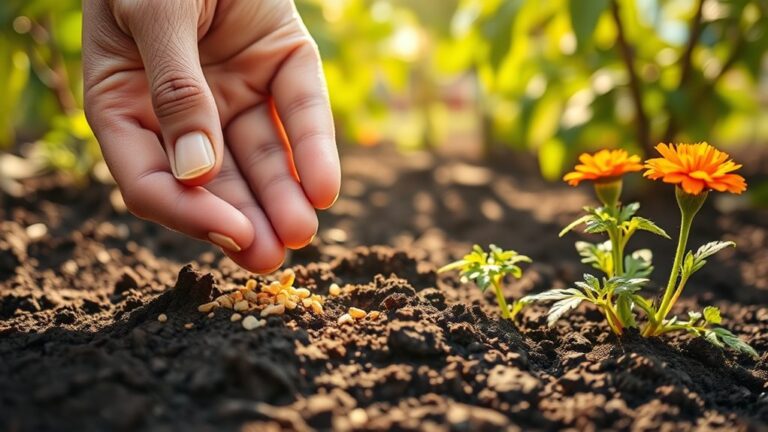
Collecting, storing, and saving seeds is a key skill for gardeners who want to grow their own plants year after year. Proper seed saving helps preserve heirloom varieties, promotes sustainable gardening, and supports local adaptations.
To keep seeds viable, use good storage methods like keeping them in a cool, dry, and dark place or using seed banks. Avoid hybrid seeds if you want plants that grow true to their parent, as hybrids often don’t produce reliable seeds.
Pick healthy, mature seeds when harvest time comes and follow preservation techniques such as drying them thoroughly. Incorporate crop rotation to prevent disease and improve soil health.
Imagine this:
| Fresh Seeds | Storage Conditions | Long-term Preservation |
|---|---|---|
| Heirloom varieties | Cool, dry, dark | Seed banks |
| Hybrid seeds | Airtight containers | Freezing |
| Mature fruits | Controlled humidity | Vacuum sealing |
Why Seeds Are Essential for Biodiversity and Future Plants
Saving seeds isn’t just about planting your garden next season; it’s about safeguarding the diversity of plant life that sustains ecosystems and food systems worldwide. Seeds are essential for maintaining *seed diversity*, which helps plants adapt to changing environments and resist pests. This diversity drives *plant evolution*, ensuring species can survive new challenges over time. When you save and share seeds, you contribute to a resilient and adaptable plant population.
Saving seeds protects plant diversity, supports evolution, and builds resilient ecosystems for the future.
Here are three ways seeds support biodiversity and future plants:
- They preserve rare and heirloom varieties, protecting genetic variety.
- They enable natural adaptation by allowing plants to evolve in response to environmental shifts.
- They promote resilient agricultural systems that can withstand pests, diseases, and climate change.
Tips for Choosing the Right Seeds for Your Garden
Choosing the right seeds for your garden starts with understanding your local climate and soil conditions. Consider native plants and heirloom varieties, which adapt well to your environment and support biodiversity.
Decide if you prefer organic options or hybrid selections for higher yield and disease resistance. Seasonal timing influences when you should plant, so check seed catalogs or local sources to find suitable options.
Your color preferences and growth habits also matter—whether you want vibrant flowers or quick-growing vegetables.
Here’s a quick guide:
| Seed Type | Key Features | Best Use |
|---|---|---|
| Heirloom | Unique flavors, open-pollinated | Heritage gardens |
| Organic Options | No synthetic chemicals | Eco-friendly gardening |
| Native Plants | Local adaptation, low maintenance | Natural landscaping |
| Hybrid Selections | Disease resistance, high yield | Containers, small spaces |
| Seasonal Timing | Planting windows | Maximize growth and harvest |
Choose wisely to create a thriving, beautiful garden tailored to your needs.
Frequently Asked Questions
How Long Can a Seed Remain Viable Before It Germinates?
Seeds can remain viable for varying periods, depending on seed longevity and storage conditions. In ideal germination conditions, some seeds stay viable for decades, like lotus or certain trees. Others may only last a year or two.
Proper storage in cool, dry, and dark environments helps preserve seed viability. Keep in mind, as seed age increases, germination success may decrease.
Understanding specific seed types and their longevity is essential for successful planting. This knowledge can make a big difference in ensuring your seeds sprout when you want them to.
Can Seeds Be Genetically Modified, and What Are the Implications?
Yes, seeds can be genetically modified through genetic engineering to improve traits like pest resistance or yield.
However, this raises ethical concerns about long-term environmental impacts, biodiversity, and food safety.
You should consider how these practices affect crop diversity and sustainable agriculture.
While GM seeds offer benefits, it’s important to assess the risks and ethical implications before widespread use.
This way, we can ensure responsible practices in modern agriculture.
Are There Seeds That Can Grow Without Soil or Water?
Yes, some seeds can grow without soil or water, thanks to hydroponic growth and air propagation methods.
In hydroponics, you provide nutrients directly to the roots in water, which means no soil is needed. Air propagation involves growing plants from seeds or cuttings in the air with mist or humidity.
These techniques allow plants to thrive with minimal water and soil, making them perfect for urban farms or space-efficient gardens.
How Do Seeds Adapt to Extreme Environmental Conditions?
You might wonder how seeds survive extreme conditions, and the answer lies in their clever dormancy mechanisms. They stay inactive until environmental triggers like temperature changes or moisture signals that it’s safe to grow.
This adaptability helps seeds endure harsh climates, waiting patiently for the right conditions. As soon as those cues appear, they break dormancy and sprout, turning adversity into a chance for new life.
What Are the Signs of Seed Disease or Spoilage?
You can spot seed disease or spoilage by looking for mold, discoloration, or a foul smell.
Check for soft, mushy areas or unusual spots that might mean the seeds are decaying.
Identifying these signs early helps prevent spoilage before planting.
If you notice any of these issues, it’s best to discard the affected seeds to stop the spread of disease.
Storing seeds in a cool, dry place regularly also helps keep them healthy and prevents spoilage for future planting.
Conclusion
Understanding seeds reveals the secrets of plant growth and biodiversity.
By learning how seeds function, disperse, and support ecosystems, you can make smarter gardening choices and help preserve nature’s variety.
Remember, a seed’s potential is in your hands. Nurture it wisely, and you’ll see the fruits of your labor bloom beautifully.
Don’t overlook the small things. Sometimes, the tiniest seed can grow into something truly extraordinary.