How Can You Incorporate Good Flax Seeds Into Your Diet?
Many people struggle with finding simple ways to boost their nutrition without overhauling their entire diet. If you’re looking for an easy, natural addition, flax seeds are a fantastic option. They’re packed with health benefits and super versatile.
You can easily add flax seeds to your diet by sprinkling ground seeds on oatmeal, yogurt, or smoothies for a nutritional boost.
Use flax seed oil in salads or drizzle over cooked vegetables, but avoid high heat to protect its benefits.
Incorporate ground flax into baking recipes like muffins or pancakes, or swap eggs with a flaxseed mixture.
Keep portions in check to avoid digestive issues.
Keep exploring for more tips on how to maximize flax seeds’ health benefits.
Key Takeaways
- Add ground flax seeds to oatmeal, smoothies, or yogurt for an easy nutrient boost.
- Use flax seed oil in salad dressings or drizzled over cooked vegetables to enhance raw flavor.
- Incorporate ground flax seeds into baking recipes like muffins, pancakes, or bread as an egg or fat substitute.
- Soak flax seeds before eating to improve digestion and help your body absorb nutrients better.
- Limit your intake to one to two tablespoons daily to avoid digestive discomfort and get the most health benefits.
What Are Flax Seeds and Why Are They Good for You?
Flax seeds are tiny, nutrient-packed seeds that have become popular for their health benefits. They’re loaded with fiber, omega-3 fatty acids, and lignans, which support heart health, digestion, and hormone balance.
Adding flax seeds to your diet can help you naturally boost your intake of essential nutrients. But it’s good to be aware of some potential health risks too.
Eating too many flax seeds might cause digestive issues like bloating or constipation because of their high fiber content. Also, since they contain compounds that can act as phytoestrogens, some people should be cautious, especially if they have hormone-sensitive conditions.
Overall, flax seeds can be a helpful addition to your diet when eaten in moderation. They provide important nutrients that contribute to your overall well-being.
Just remember to include them as part of a balanced diet to get the most benefits and avoid any potential risks.
Which Types of Flax Seeds Are Best for Eating?
Are all flax seeds created equal when it comes to choosing the best for your diet? Not quite. Different seed varieties offer different nutritional benefits, so picking the right type really makes a difference.
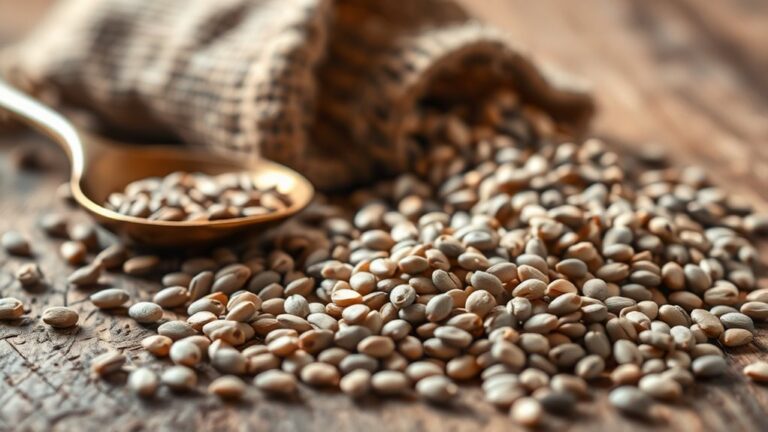
Always go for whole, raw flax seeds to keep their nutrients intact, especially omega-3s and lignans. Ground flax seeds are easier to digest and release more nutrients, but they can spoil faster, so it’s best to buy small amounts.
Choose whole, raw flax seeds to preserve nutrients like omega-3s and lignans for maximum health benefits.
Flax seeds come in brown and golden varieties. Both are nutritionally similar, but some people prefer golden for its milder flavor. Organic options are ideal if you want to avoid pesticides and get the most health benefits.
When choosing flax seeds, look for fresh, clean-looking seeds stored in airtight containers. Picking the right kind ensures you get the maximum nutritional benefits, making your flax seed intake both healthy and tasty.
How to Prepare Flax Seeds for Maximum Nutrition
If you want to get the most nutrition out of flax seeds, it’s a good idea to grind them before tossing them into your meals. That way, your body can absorb all those healthy nutrients more effectively.
And don’t forget to store your seeds properly! Keep them in an airtight container in a cool, dark spot—this helps keep them fresh and prevents oxidation.
Plus, soaking flax seeds can make them easier to digest and even unlock more of their health benefits. So, a little prep work can really make a difference!
Grind for Better Absorption
Grinding flax seeds is essential because it breaks down their tough outer shell, making their nutrients more accessible to your body. When you grind them, you improve nutrient synergy, allowing your body to absorb omega-3 fatty acids, lignans, and fiber benefits more effectively.
Whole flax seeds often pass through your digestive system intact, which reduces their nutritional value. By grinding, you release these powerful compounds and boost their health benefits.
Use a blender, coffee grinder, or mortar and pestle to create a fine meal. Just remember, ground flax seeds can quickly lose their freshness and nutrients if exposed to air or moisture.
Store Properly to Preserve
Proper storage is essential to maintaining the freshness and nutritional quality of your flax seeds. Use airtight storage containers to prevent exposure to air and moisture, which can shorten their shelf life.
Keep your seeds in a cool, dark place to minimize light exposure and temperature effects that can degrade nutrients. For long-term storage, consider vacuum sealing to extend freshness and prevent oxidation.
Regularly check your seeds for signs of spoilage. Follow tips like avoiding humidity and heat sources to keep them fresh. Proper storage not only preserves flavor but also maintains the health benefits of flax seeds.
Soak for Easier Digestion
After guaranteeing your flax seeds are stored correctly, soaking them before eating can really boost how well your body absorbs their nutrients. Soaking helps break down the tough seed coats, releasing more of the good stuff like omega-3s and fiber.
This process also makes the seeds easier to digest, which can help reduce bloating or discomfort. To soak flax seeds, just put a tablespoon in a glass of water and leave it for about 2-4 hours or overnight.
Once soaked, you can add the gel-like mixture to smoothies, oatmeal, or yogurt. Incorporating soaked flax seeds into your diet helps you get the most out of their nutrients while supporting better digestion.
Easy Ways to Add Flax Seeds to Your Breakfast
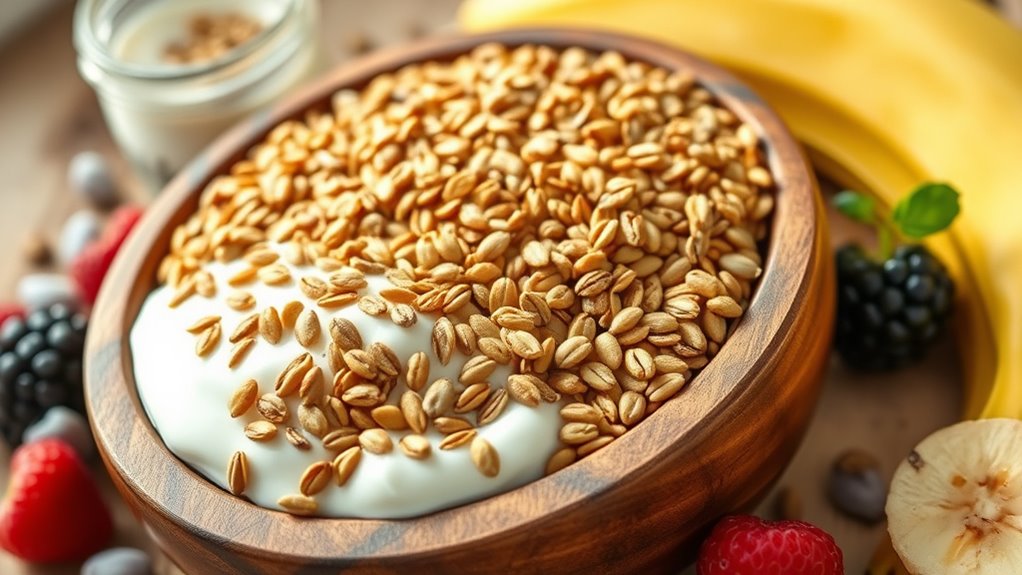
Adding flax seeds to your breakfast is simple and quick. One easy way is to sprinkle ground flax seeds over your oatmeal toppings; they blend well without changing the flavor.
You can also mix flax seeds into your breakfast smoothies for an extra boost of fiber and omega-3s. Just add a tablespoon of ground flax to your blender along with your favorite fruits and liquids, then blend until smooth.
If you prefer a crunch, try tossing whole flax seeds into yogurt or cereal. These small seeds are versatile and don’t require much preparation—just a quick sprinkle or stir-in.
Incorporating flax seeds into your morning routine helps boost your nutrition effortlessly. Remember to use ground flax seeds for better absorption, but whole seeds work too if you’re grinding them fresh.
With these simple tips, adding flax seeds to your breakfast becomes an easy, nutritious habit.
Creative Snack Ideas Using Flax Seeds
Incorporating flax seeds into your snacks can be both fun and nutritious, offering a creative way to boost your intake of fiber and omega-3 fatty acids. One simple idea is to add ground flax seeds to homemade snack bars. Mix them into nut and seed blends, oats, and honey, then press into a pan and bake. This creates a nutrient-dense treat you can enjoy anytime.
You can also sprinkle flax seeds over yogurt or oatmeal for added crunch. Another delicious option is to use flax seeds as smoothie toppings. After blending your favorite fruits and liquids, sprinkle a spoonful of ground flax on top for an extra boost.
These small adjustments make your snacks healthier without sacrificing flavor. By experimenting with flax seeds in snack bars and smoothie toppings, you effortlessly incorporate more omega-3s and fiber into your diet, making your snacks both tasty and nourishing.
How to Use Flax Seed Oil in Cooking and Recipes
You can easily add flax seed oil to your cooking in a bunch of tasty ways. For example, try mixing it into salad dressings, blending it into smoothies, or drizzling it over cooked veggies. It’s best to use flax seed oil raw or add it after you’ve finished cooking, so you don’t lose all those healthful nutrients. Just be sure not to heat it too much, since high temperatures can break down its beneficial properties.
There are lots of delicious recipes that really let its nutty flavor shine. Plus, following these simple tips will help you enjoy all the health benefits while keeping your dishes tasty and nutritious.
Incorporating Flax Oil Safely
To enjoy the health benefits of flax seed oil safely, it’s important to use it correctly in your cooking and recipes. Maximize flax oil benefits by incorporating it thoughtfully, especially paying attention to dosage to avoid overuse. Since flax oil is sensitive to heat, avoid cooking it at high temperatures.
Instead, add it to dishes after cooking or use it in dressings. Store flax oil in a cool, dark place to keep it fresh and prevent spoilage. Use it within a few weeks of opening to maintain its nutritional quality.
Start with small amounts, like a teaspoon daily, and gradually increase based on your needs and flax oil benefits. This way, you enjoy the benefits safely without compromising the oil’s integrity.
Best Cooking Practices
Using flax seed oil effectively in your cooking means understanding how to preserve its delicate qualities. Since flax seed benefits include healthy omega-3s and antioxidants, it’s best to use it in ways that don’t destroy these nutrients. Avoid high heat; instead, add flax seed oil to salads, smoothies, or drizzled over cooked vegetables.
When cooking, use gentle techniques like sautéing at low temperatures or mixing it into recipes after cooking. Store the oil in a cool, dark place to prevent oxidation and spoilage. Remember, flax seed benefits diminish when exposed to heat, so it’s best used raw or added after cooking.
Delicious Recipe Ideas
Incorporating flax seed oil into your recipes can add a nutritious boost without sacrificing flavor. You can easily improve your meals by adding a tablespoon of flax seed oil to smoothies or salad dressings.
For breakfast, try blending flax seed smoothies for an energizing start, or bake savory flax muffins packed with herbs and vegetables for a satisfying snack. Flax seed oil works well in various dishes, adding omega-3s and healthy fats.
To diversify your recipes, consider drizzling it over roasted vegetables or mixing it into yogurt. Experiment with incorporating flax seed oil into baked goods, dressings, and beverages for a simple, healthful upgrade.
These ideas help you enjoy the benefits of flax seeds without compromising taste.
Tips for Baking With Ground Flax Seeds
When baking with ground flax seeds, it’s important to start by replacing a portion of the fat or eggs in your recipes. Flax seed substitutions work well as an egg replacer—use one tablespoon of ground flax seeds mixed with three tablespoons of water for each egg you’re replacing. This adds moisture and binding without changing the flavor too much.
Keep in mind that ground flax seeds can absorb moisture, so you might need to adjust your baking temperature slightly—lowering it by about 10-15 degrees Fahrenheit can prevent over-browning. Moreover, adding ground flax seeds can alter the texture of baked goods, making them denser or moister.
To maximize benefits, incorporate flax seeds into recipes like muffins, pancakes, or bread. Just remember to blend them well into dry ingredients first. With these tips, you’ll improve nutrition while maintaining the quality of your baked treats.
Common Mistakes to Avoid When Eating Flax Seeds
Many people tend to overdo it with ground flax seeds, but too much can upset your stomach and cause digestive issues. So, it’s really important to enjoy them in moderation. Also, don’t forget to soak your flax seeds before eating them; skipping this step can make them tougher to digest and might reduce how much of the nutrients your body can absorb.
And here’s another thing—storing your flax seeds properly is key. Keep them in a cool, dry place, away from heat and humidity. If you leave them in a warm or humid spot, they can spoil pretty quickly, which is definitely something you want to avoid.
Overusing Ground Flax Seeds
Although ground flax seeds are a nutritious addition to your diet, overdoing it can lead to unwanted side effects. Consuming too much may cause digestive issues like bloating, gas, or constipation, despite flax seed benefits.
To enjoy flax seed moderation, be mindful of your intake and avoid exceeding recommended amounts. Excessive consumption can also interfere with nutrient absorption or cause allergic reactions in some people.
Overloading on flax seeds can lead to gastrointestinal discomfort. Consuming too many may hinder mineral absorption, like calcium and magnesium.
Excessive intake could contribute to weight gain if not balanced within your overall diet.
Not Soaking Flax Seeds
Not soaking flax seeds before eating them is a common mistake that can make digestion and nutrient absorption harder. When you skip soaking, the seeds stay tough and are difficult for your body to break down. This means you might not get the full nutritional benefit.
Soaking helps soften the seeds, making it easier to access omega-3 fatty acids, fiber, and lignans. Plus, soaked seeds blend better into smoothies, oatmeal, or baked goods, making cooking easier.
If you don’t soak, you might miss out on maximum nutrients and could experience some digestive discomfort. To get the most benefits, just soak flax seeds in water for a few hours or overnight before adding them to your meals.
Proper preparation ensures you enjoy all the nutritional perks of these nutrient-dense seeds.
Ignoring Proper Storage
Ignoring proper storage can really cut down the shelf life and nutritional quality of your flax seeds. When exposed to light, heat, and moisture, they spoil faster and oxidize, losing their benefits.
To keep them fresh, store your flax seeds in an airtight container in a cool, dark place. Avoid keeping them near the stove or in warm spots. Proper storage helps preserve their omega-3s and fiber.
Always check for a rancid smell or taste before using. These signs mean they’ve gone bad. Keeping flax seeds fresh ensures you get the most health benefits and flavor.
How Much Flax Seeds Should You Eat Daily?
Determining how much flax seeds to eat daily depends on your health goals and dietary needs. Usually, one to two tablespoons of ground flax seeds per day is recommended. This amount provides plenty of benefits without overdoing it.
Eating this much supplies healthy omega-3 fats, fiber, and lignans, which support your heart, digestion, and hormone balance. Keep in mind that flax seeds are calorie-dense, so moderation is important, especially if you’re watching your calories.
Try adding ground flax seeds to your breakfast oatmeal, smoothies, or yogurt to help your body absorb the nutrients better. Starting with small portions is a good idea, so your body can adjust smoothly.
Consistent daily intake within these guidelines can help you get the most from flax seeds without causing digestive discomfort. Adjust your amount based on your individual health needs and preferences for the best results.
Can Flax Seeds Fit Into Special Diets or Dietary Restrictions?
Flax seeds can be easily incorporated into a variety of special diets and dietary restrictions, making them a versatile addition to your nutrition plan. Their rich benefits include high fiber content and omega-3 fatty acids, which support heart health and digestion.
Because of their dietary compatibility, they are suitable for vegan, vegetarian, gluten-free, and low-carb regimes. To get the most out of flax seeds, try adding ground flax seeds to smoothies or oatmeal for extra fiber and nutrients.
You can also use flax seed meal as an egg substitute in baking, making it perfect for vegan diets. Sprinkling whole or ground seeds on salads or yogurt adds a crunchy texture to your meals.
Frequently Asked Questions
Are There Any Potential Side Effects of Consuming Too Many Flax Seeds?
Consuming too many flax seeds can cause side effects like digestive discomfort, including bloating or constipation, despite their many benefits. To enjoy their advantages safely, practice moderation with flax seeds.
Overdoing it might also interfere with nutrient absorption or cause allergic reactions in some people. It’s best to start with small amounts and stick to recommended limits.
If you have concerns or health conditions, it’s a good idea to talk to your healthcare provider.
How Long Do Flax Seeds Stay Fresh After Opening?
Once opened, flax seeds usually stay fresh for about 1 to 2 months if you store them properly.
Keep them in an airtight container in your fridge or freezer to maintain their freshness.
Storing flax seeds this way helps prevent them from going rancid and keeps their nutritional benefits intact.
Always give them a sniff — they should have a nutty aroma — and look for a clear, shiny appearance before using.
If they develop an off smell or taste, it’s best to discard them.
Can Flax Seeds Replace Other Sources of Omega-3 in My Diet?
Yes, flax seeds can be a tasty alternative to other omega-3 sources, offering many benefits. They’re rich in alpha-linolenic acid (ALA), a plant-based omega-3.
However, they may not fully replace fatty fish for EPA and DHA. Incorporate ground flax seeds into smoothies, yogurt, or baking to enjoy their benefits.
This way, you can support your overall health while adding variety to your omega-3 intake naturally and deliciously.
Are Organic Flax Seeds More Beneficial Than Non-Organic?
Organic flax seeds often offer more flax seed benefits because they’re grown through organic farming methods, which avoid pesticides and synthetic fertilizers. This can lead to higher nutrient content and fewer chemical residues.
While both organic and non-organic flax seeds provide omega-3s and fiber, choosing organic flax seeds guarantees you’re getting the purest product. It also supports your health and the environment.
How Can I Tell if My Flax Seeds Are of Good Quality?
You can tell your flax seeds are of good quality by checking their freshness and how you store them. Fresh flax seeds should smell nutty and feel crunchy when you bite into them.
Make sure to keep your flax seeds in an airtight container in a cool, dark place. This helps preserve their benefits and prevents them from going rancid.
Good-quality flax seeds keep their omega-3 fatty acids and fiber intact, so you get the most health benefits. Always buy from reputable sources to ensure they’re fresh and of good quality.
Conclusion
Incorporating flax seeds into your diet is a smart move, much like an ancient mariner adding a trusty compass to their toolkit. With simple prep tips and creative ideas, you can enjoy their health benefits daily.
Just remember to avoid common pitfalls and stick to recommended amounts. Whether you’re a seasoned health navigator or just starting your journey, flax seeds are a versatile, tasty addition.
They can help you sail smoothly toward better wellness by easily blending into smoothies, yogurt, or oatmeal. So go ahead, add some flax seeds and enjoy their many health perks.