How to Prevent Damping Off: Effective Strategies to Protect Your Seedlings
Damping off is a fungal disease that kills seedlings quickly if not controlled. The key to preventing damping off is maintaining clean soil, good air circulation, and careful watering. Using sterile seed starting mixes and avoiding overwatering helps seedlings avoid this common but destructive problem.
This disease thrives in damp, poorly ventilated environments where fungi like Pythium, Rhizoctonia, or Fusarium can attack young plants. If seedlings collapse and rot at the soil line, they have likely been affected. Preventing damping off protects your garden’s early growth phase, which is critical for plant establishment and yield.
This article will cover causes of damping off, environmental controls, soil and watering tips, resistant seed varieties, and other preventive measures. Understanding these factors will help you create a healthier environment for your seedlings and reduce losses effectively.
Understanding Damping Off: Causes and Symptoms
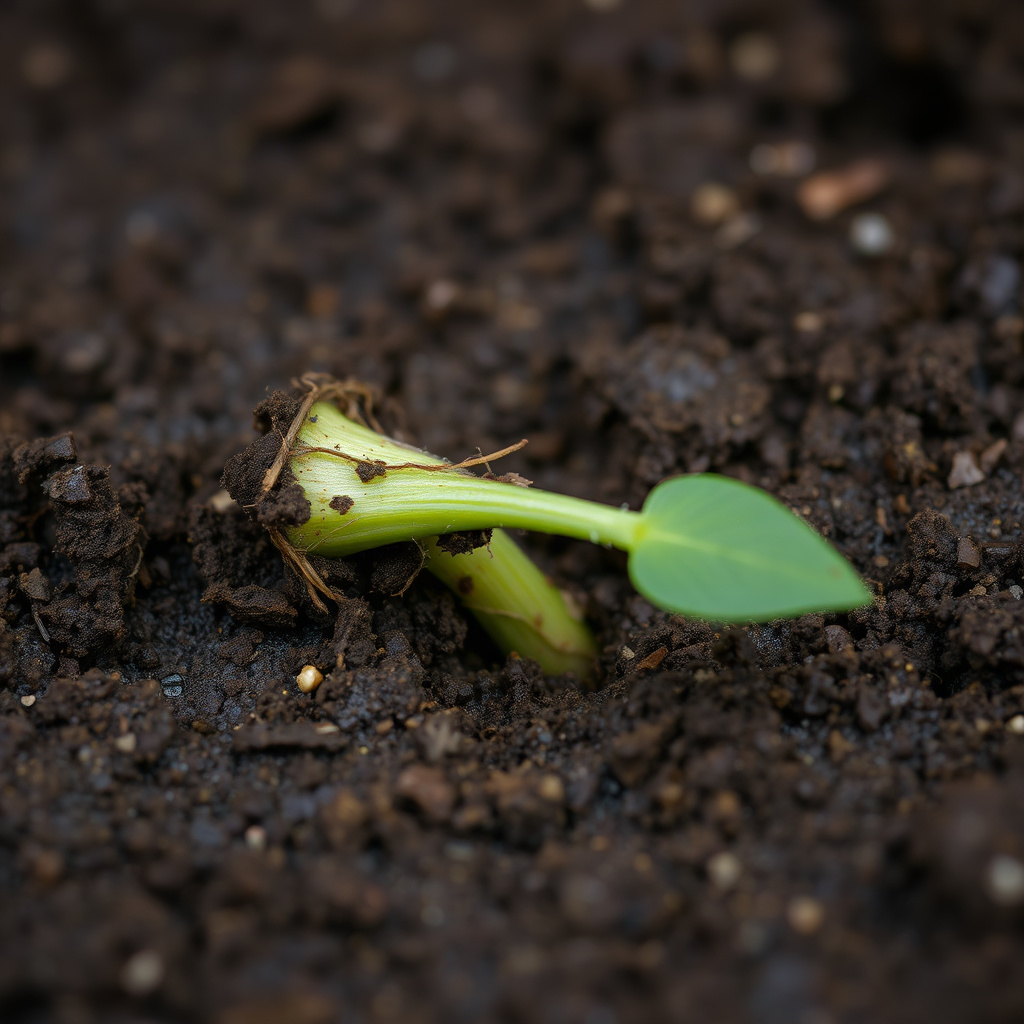
What Causes Damping Off?
Damping off results from several soil-borne fungi attacking seedlings' stems and roots. These pathogens thrive in wet conditions with limited airflow. Common culprits include Pythium, Rhizoctonia, and Fusarium species, which infect young plants during germination or shortly after.
High humidity, overly wet soil, and dense planting conditions encourage fungal growth. Once infection takes hold, symptoms appear rapidly, often killing the seedling within days.
Recognizing Early Symptoms
The earliest sign occurs as thin, water-soaked patches near the base of the stem. Seedlings may appear wilted or pale before the stem softens and collapses. Roots might show discoloration or decay if inspected.
Prompt identification is vital since damping off spreads quickly, wiping out entire trays or garden sections if left unchecked.
Soil Preparation and Sterilization Techniques
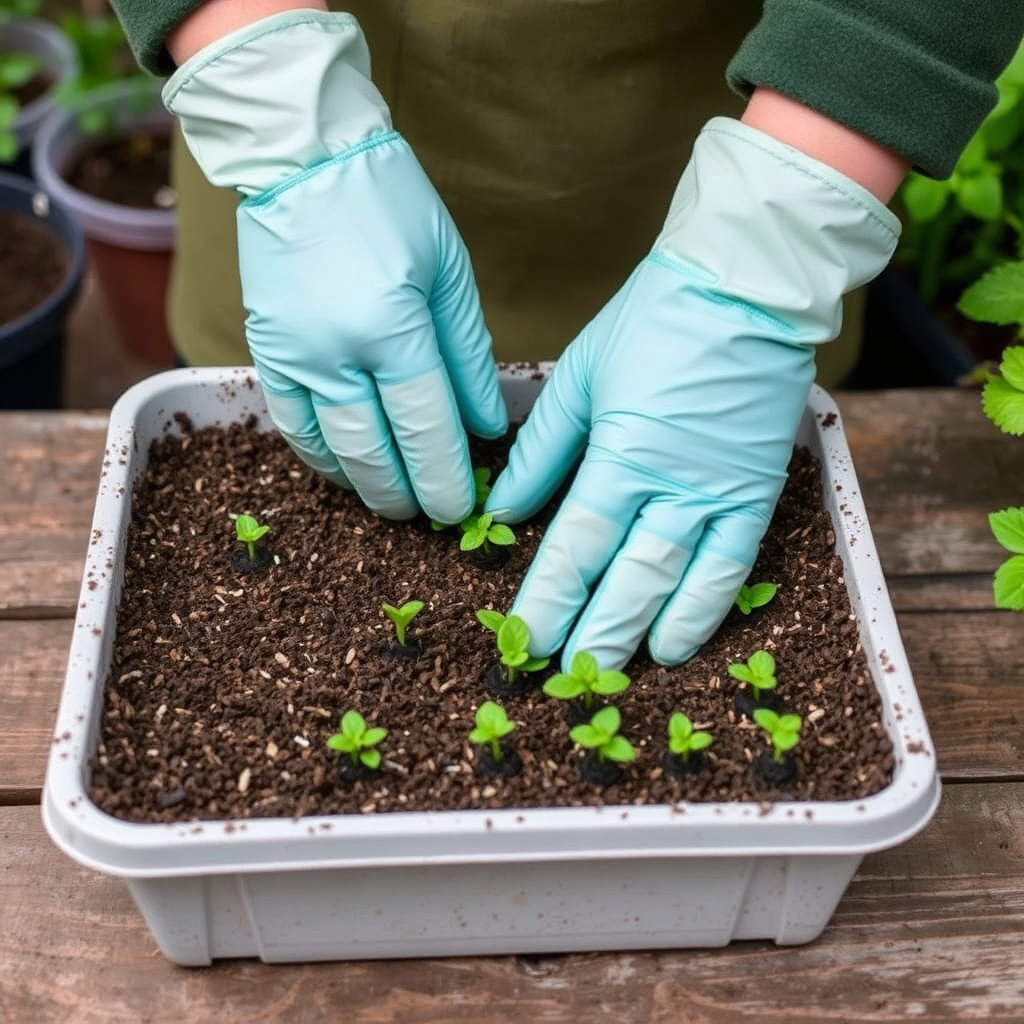
Choosing and Preparing the Right Soil
Use a high-quality, sterile seed starting mix free from pathogens. Avoid garden soil or reused potting soil that might harbor fungi. These mediums have better drainage and lower organic matter, reducing fungal growth potential.
Moisture retention balanced with aeration in the mix is essential. Adding perlite or vermiculite helps maintain this balance.
- Use sterilized seed starting mix
- Avoid heavy or garden soils
- Incorporate perlite or vermiculite for drainage
Methods to Sterilize Soil at Home
If using homemade mix or garden soil, sterilizing through heat kills fungi effectively. Baking soil in an oven at 180-200°F for 30 minutes destroys harmful spores without harming beneficial soil properties.
Alternatively, microwave sterilization or solarization (using sunlight under clear plastic) are viable for small batches, but oven sterilization remains the most practical for consistent results.
- Oven sterilization at 180-200°F for 30 minutes
- Microwave sterilization for small quantities
- Solarization using sunlight and plastic cover
Watering Practices to Minimize Damping Off Risk
Avoiding Overwatering and Waterlogging
Overwatering keeps soil soggy and oxygen-poor, creating ideal conditions for damping off fungi. Seedlings prefer moist but not wet roots.
Water when the top layer of soil feels dry to the touch, and ensure containers have good drainage to prevent standing water.
- Water only when soil surface dries
- Use wells draining containers
- Avoid soaking the seedling base
For more on this, see our related guide: How to Prevent Mold During Seed Germination: Effective Tips for Healthy Sprouts.
Watering Techniques for Seedlings
Bottom watering is effective—placing trays in shallow water allows soil to absorb moisture upward, minimizing wet foliage and stem surfaces.
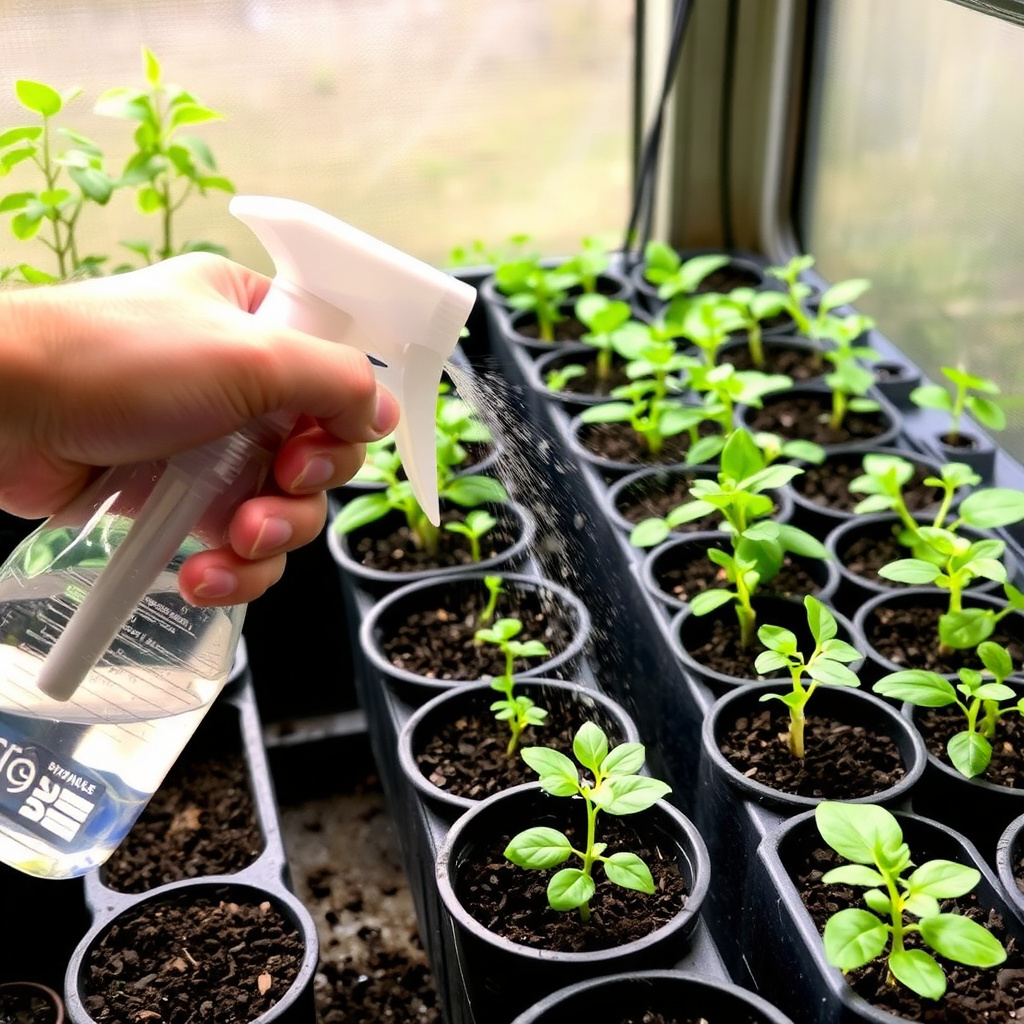
Misting with a spray bottle provides gentle moisture without saturating soil. Early morning watering helps soil dry during the day, reducing fungal growth chances.
- Bottom watering seedlings
- Use misting sprays for gentle moisture
- Water early in the day for drying time
Environmental Controls: Light, Temperature, and Airflow
Providing Adequate Light and Temperature
Damping off fungi thrive in cool, humid conditions. Seedlings grow best at moderate temperatures—typically between 65-75°F—to reduce fungal risk and strengthen growth.
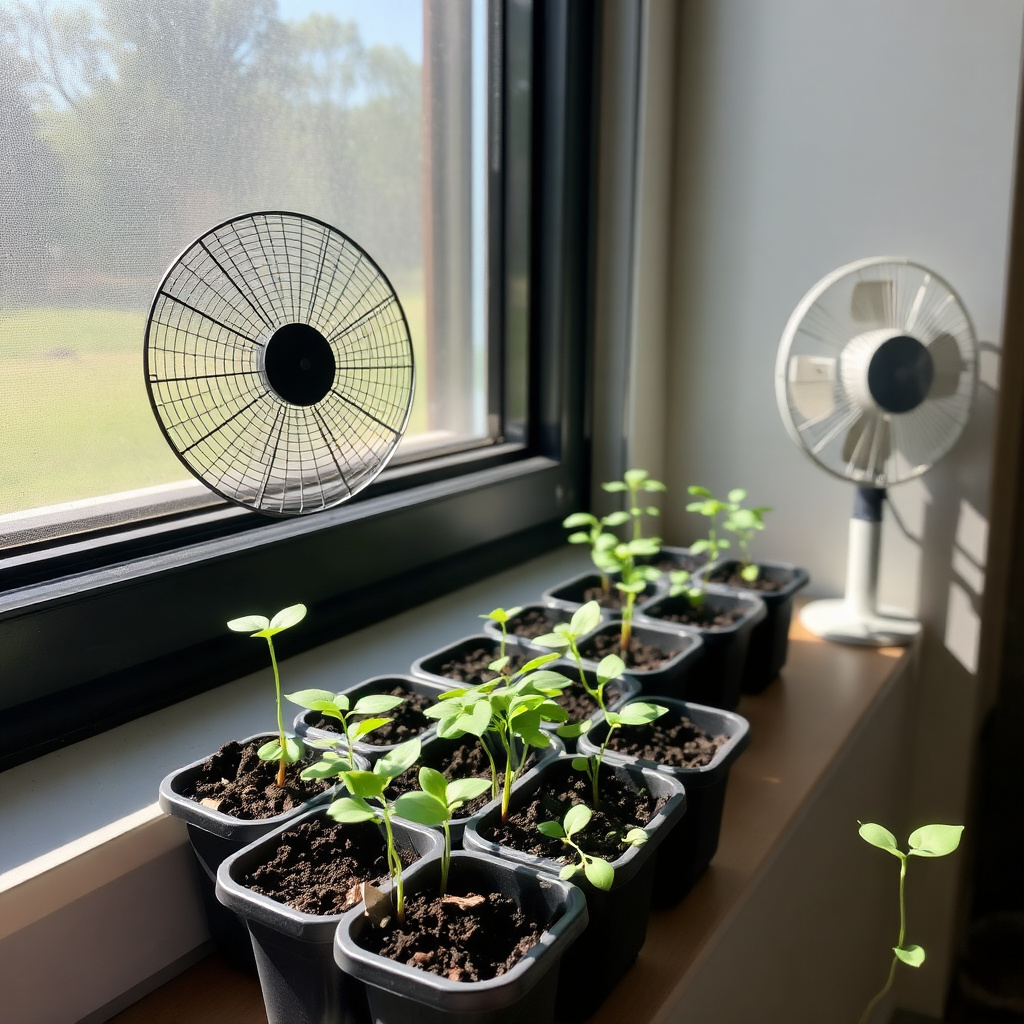
Grow lights or sunny windowsills offer stable light levels important for robust seedlings and faster drying of surface moisture.
- Maintain temperature between 65-75°F
- Use grow lights if natural light is insufficient
- Avoid cold drafts and damp locations
Improving Air Circulation
Good airflow helps dry soil surface and seedlings, limiting fungal spore germination. Use small fans on low speed to circulate air gently within seed trays.
Spacing seedlings with enough gap prevents humidity buildup and allows air movement around stems, reducing damping off risk.
- Place a fan for gentle airflow
- Space seedlings evenly
- Avoid overcrowding trays
Seed and Plant Selection for Disease Resistance
Choosing Resistant Seed Varieties
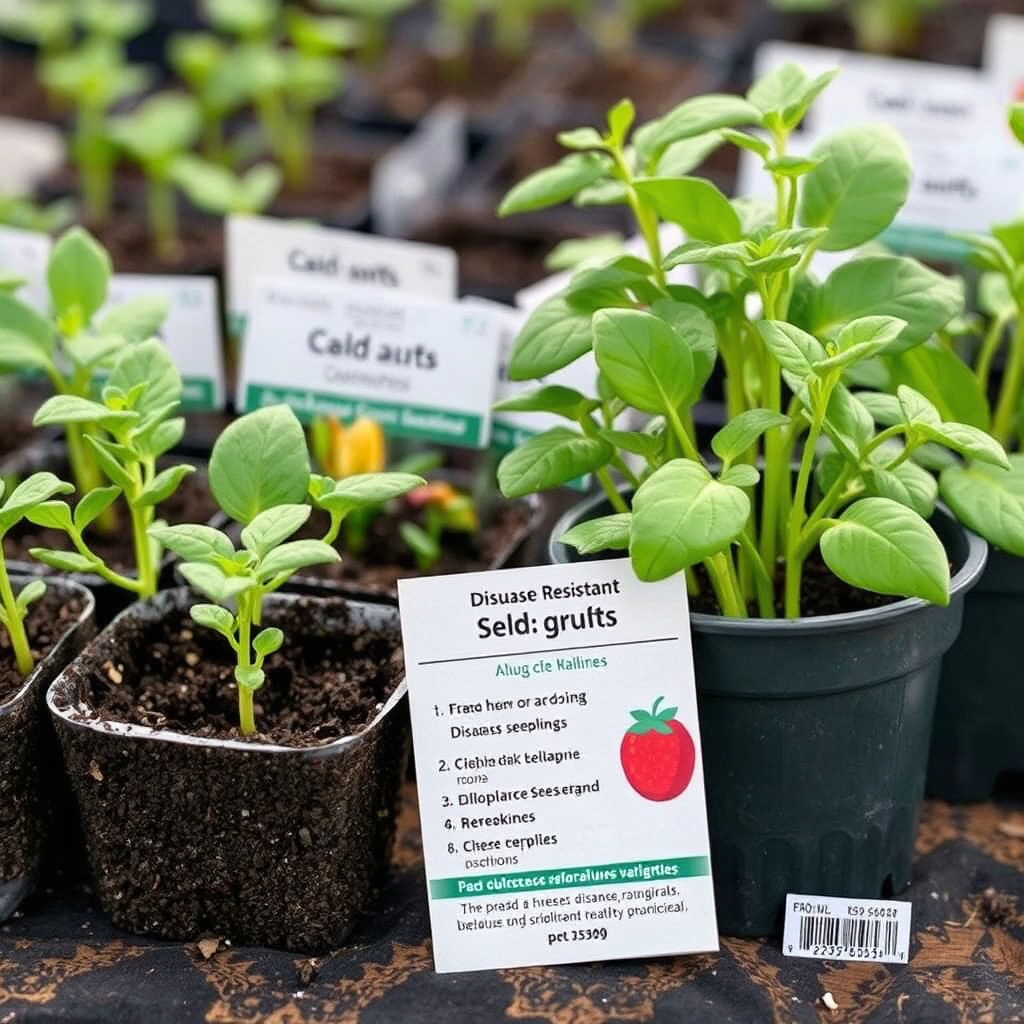
Some seed varieties are bred for resistance to damping off pathogens. Selecting these can lower disease risk especially in humid or challenging environments.
Check seed catalogs or supplier information for disease resistance notes to improve your chances of healthy germination.
- Look for damping off-resistant seeds
- Consult supplier descriptions
- Prefer varieties suited to your climate
For more on this, see our related guide: How to Compare Seed Varieties for Successful Gardening.
Using Treated or Coated Seeds
Some seeds come pre-treated with fungicides or beneficial microbes that protect young roots from infection. These coatings act as a first defense against soil fungi.
While not a replacement for good cultural practices, treated seeds offer extra protection during vulnerable germination stages.
- Consider fungicide-treated seeds
- Use microbial seed coatings
- Combine with sterile soil and watering practices
Additional Preventive Measures and Remedies
Organic and Chemical Fungicide Applications
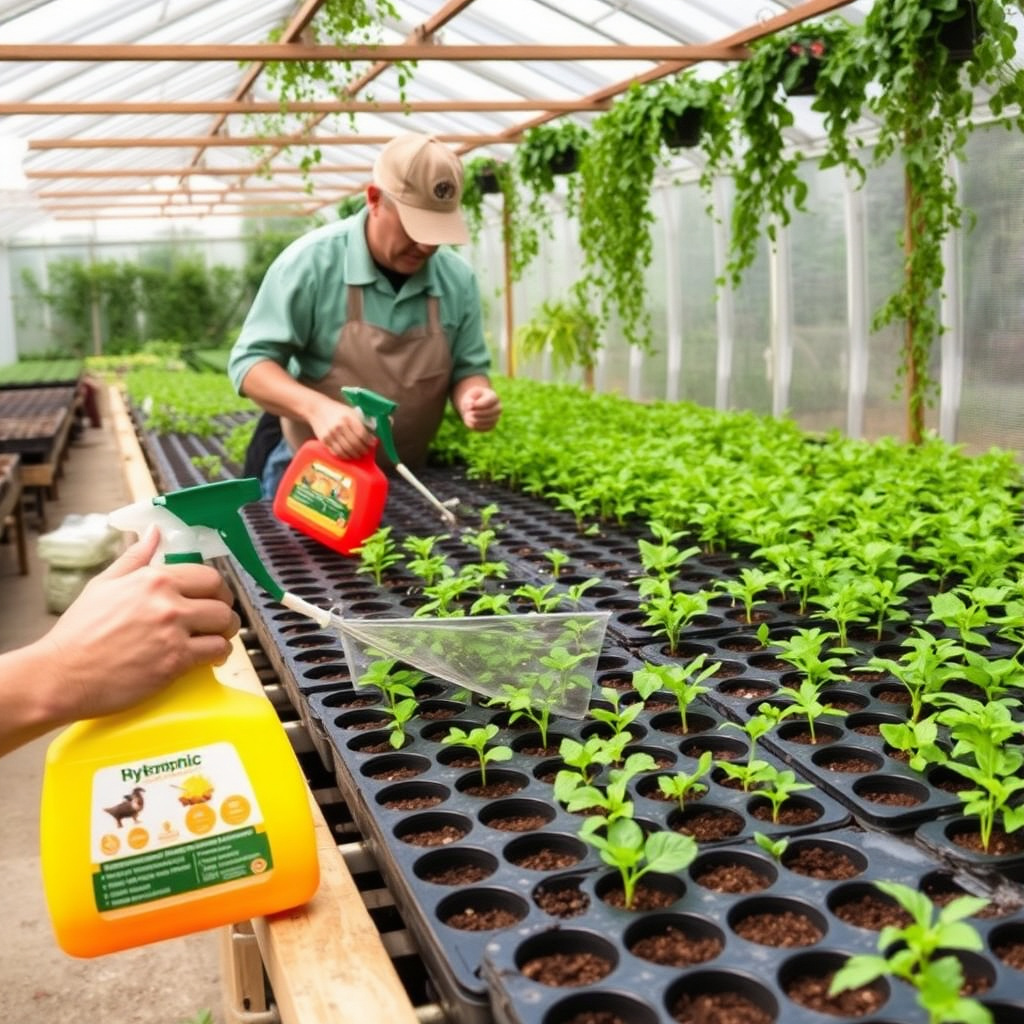
Applying non-toxic fungicides such as copper or sulfur-based sprays helps reduce fungal populations on seedlings. These should be used cautiously according to label instructions to avoid plant damage.
For organic gardening, biological controls like Trichoderma fungi can suppress damping off pathogens naturally, enhancing soil health.
- Use copper or sulfur fungicides as directed
- Apply biological controls like Trichoderma
- Repeat treatments during high-risk periods
For a detailed overview of damping off disease, its causes, and management, you can refer to this comprehensive resource. Damping off disease information.
Sanitation and Tray Hygiene
Cleaning and disinfecting seed trays between uses prevents pathogen build-up. Use a mild bleach solution or horticultural disinfectants to sanitize containers thoroughly.
Remove dead seedlings promptly to reduce fungal spread and avoid reusing contaminated soil or mats.
- Wash trays with bleach solution
- Remove and discard diseased seedlings
- Avoid reusing old potting mix
Comparison of Common Seedling Growing Mediums
Here’s a look at different soil mixes used for seed starting, examining their drainage, pathogen risk, and recommended use cases.
| Soil Type | Drainage | Pathogen Risk | Best For |
|---|---|---|---|
| Commercial Sterile Seed Starting Mix | Excellent | Low | Most seed starting scenarios |
| Garden Soil | Poor | High | Outdoor transplant beds only |
| Homemade Compost Mix | Variable | Moderate | Experienced gardeners with sterilization |
| Coconut Coir Mix | Good | Low | Organic seed starting with moisture retention |
| Peat-Based Mix with Perlite | Good | Low | General seed starting with balance of moisture |
Frequently Asked Questions
Can damping off affect mature plants?
Damping off primarily targets seedlings and very young plants. Mature plants have tougher stems and established roots, making them much less susceptible to this disease.
Is damping off contagious between seedlings?
Yes, the fungi causing damping off can quickly spread through contaminated soil and close contact, leading to widespread losses in seed trays without proper hygiene.
Can I use household disinfectants to clean seed trays?
A diluted bleach solution is effective for disinfecting seed trays and pots, provided they are rinsed thoroughly before reuse to avoid chemical damage to seedlings.
How long after planting should I watch for damping off symptoms?
Symptoms usually appear within the first one to two weeks after germination, when seedlings are most vulnerable to fungal infection.
Does soil temperature influence damping off incidence?
Yes, cooler, damp soil encourages fungal growth associated with damping off. Maintaining moderate and stable temperatures reduces disease risk.
Key Takeaways
- Use sterile, well-draining seed starting mix to reduce fungal pathogens.
- Water seedlings carefully to avoid excess moisture at soil surface.
- Ensure good light, warmth, and airflow for healthy seedling growth.
- Choose resistant seed varieties and maintain strict hygiene.
Conclusion
Preventing damping off involves an integrated approach focusing on clean soil, controlled moisture, proper environment, and seed selection. Identifying which fungi cause the problem helps guide cultural practices. Taking preventive steps early in the plant's lifecycle is the most reliable way to avoid losing seedlings suddenly.
For most gardeners, starting with a sterile seed starting mix—such as commercial peat-based or coconut coir blends—with good drainage offers a solid foundation. Combining this with moderate bottom watering and sufficient air circulation will keep fungal growth in check. For those in humid environments, resistant seed varieties paired with fungicide seed coatings further lower risks.
If damping off appears despite care, removal of infected seedlings and disinfection of containers is necessary to minimize spread. Continuously monitor moisture levels and environmental conditions. By applying thorough seedling disease prevention strategies, you can grow stronger seedlings that mature into healthy plants ready for successful transplanting.