Understanding What a Drip System Is and How It Works
A drip system is an irrigation setup designed to deliver water directly to the roots of plants through a network of tubes and emitters. Unlike traditional sprinklers, it releases water slowly and precisely, minimizing waste and ensuring better moisture absorption by the soil.
This method of watering crops, gardens, or landscapes can save significant amounts of water while promoting healthier plants. Its efficiency helps gardeners and farmers manage water use carefully, especially in regions prone to drought or where water conservation is necessary.
This article explores various aspects of a drip system, including how it works, components involved, installation tips, maintenance advice, and a comparison with other irrigation methods to guide readers in making informed watering decisions.
How a Drip System Functions
Basic Components of a Drip System
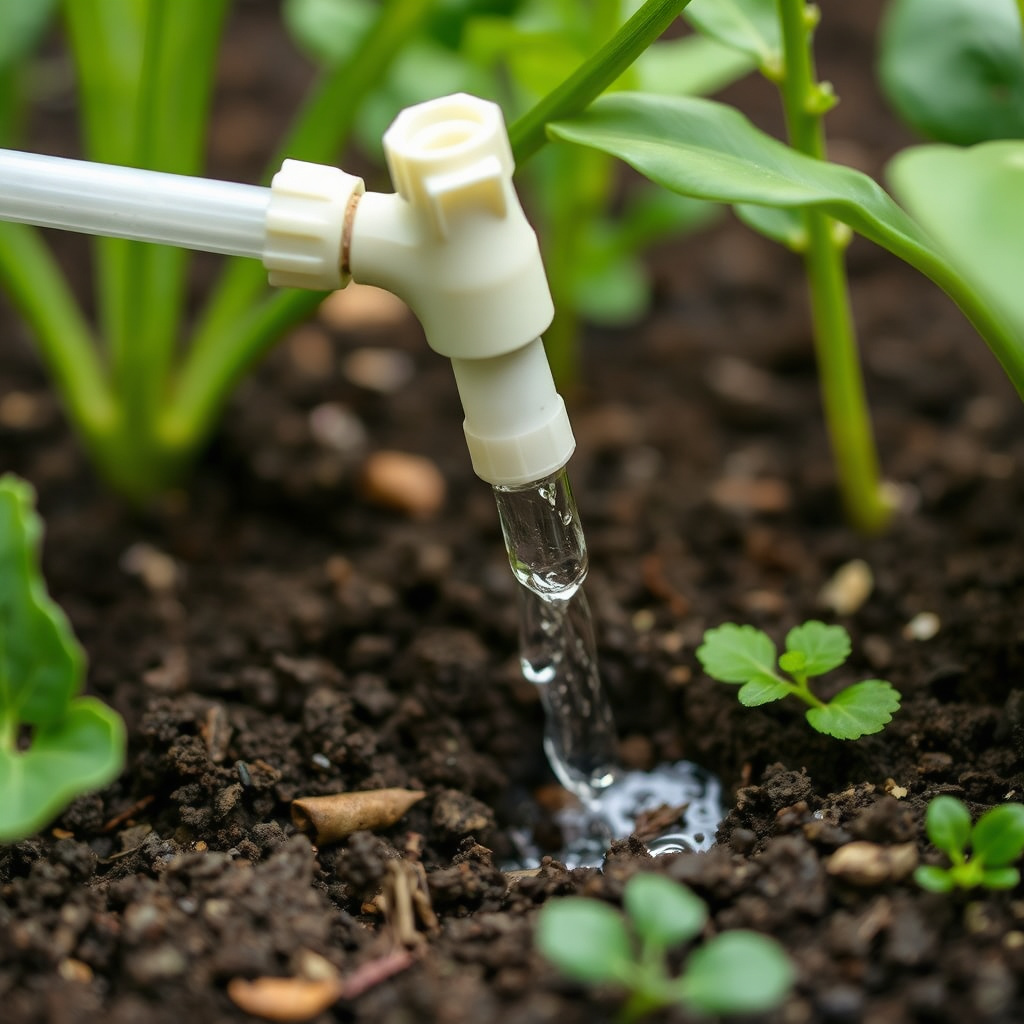
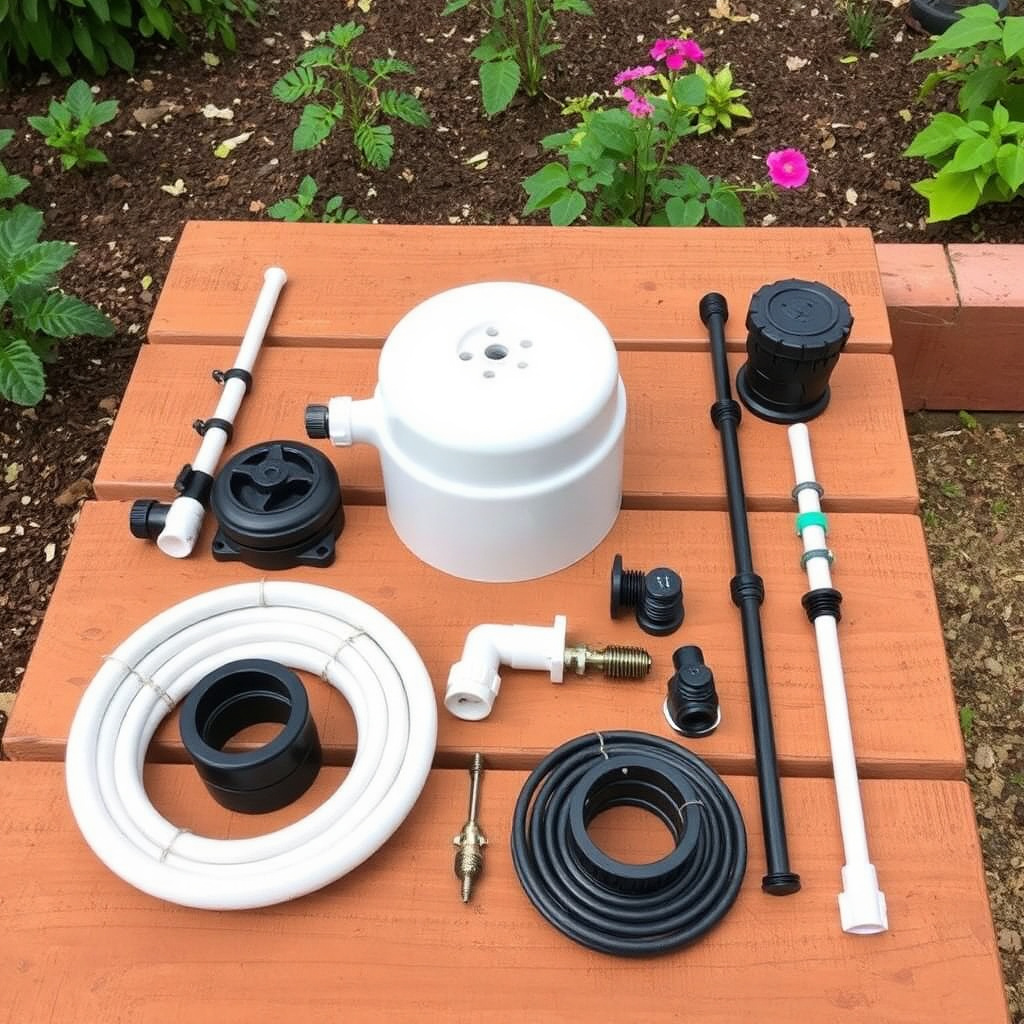
A drip system primarily consists of a main supply line, drip tubing or hoses, emitters or drippers, filters, and pressure regulators. The water flows from the source through the tubing and exits gently at the emitters right where plants need it.
Filters prevent debris from clogging the narrow emitter openings, and pressure regulators maintain consistent pressure so the water flow is steady and prevents damage to the system.
- Main supply line
- Drip tubing
- Emitters/drippers
- Filters
- Pressure regulators
Water Delivery Efficiency
Water is applied slowly and uniformly, greatly reducing evaporation and runoff compared to sprinklers. This efficient delivery ensures soil remains moist but not waterlogged, promoting optimal root growth conditions.
By targeting roots directly, drip systems help conserve water and nutrients, thus reducing the frequency of watering needed for plants to thrive.
Installation Considerations for a Drip System
Planning Your Layout
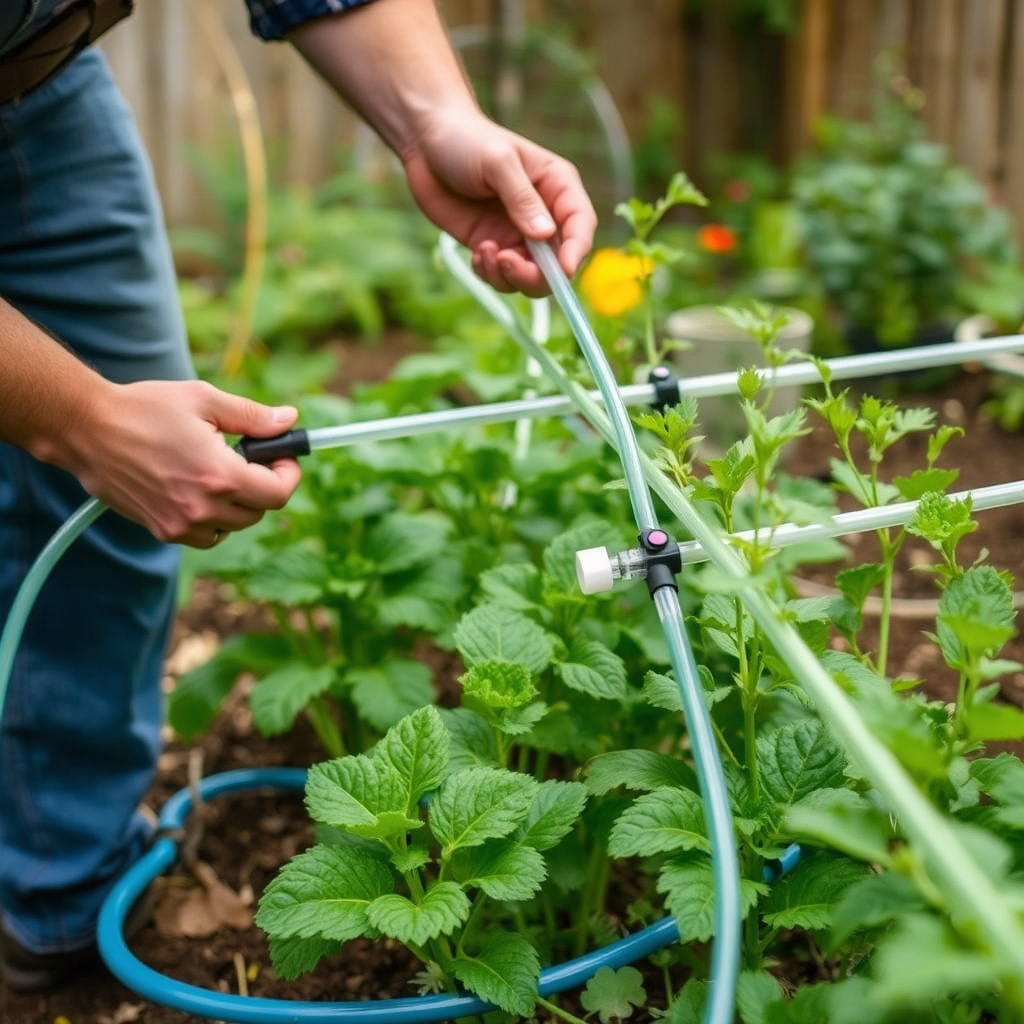
Mapping out the garden or landscape area is crucial. You must decide where to place the main line and branch tubes so that each plant or row receives adequate water from the emitters without excessive overlap or waste.
Taking measurements of plant spacing and grouping similar water needs together maximizes system effectiveness and conserves resources.
- Measure plant spacing
- Group plants by water needs
- Design tubing layout accordingly
DIY vs. Professional Installation
Many gardeners install drip systems themselves with kits that come with detailed instructions. These kits often include all necessary components and tools to set up a basic system.
For larger or more complex landscapes, consulting a professional can provide a tailored design and ensure the system is installed correctly from the start, saving time and preventing future issues.
Maintenance and Troubleshooting
Regular Cleaning and Inspection
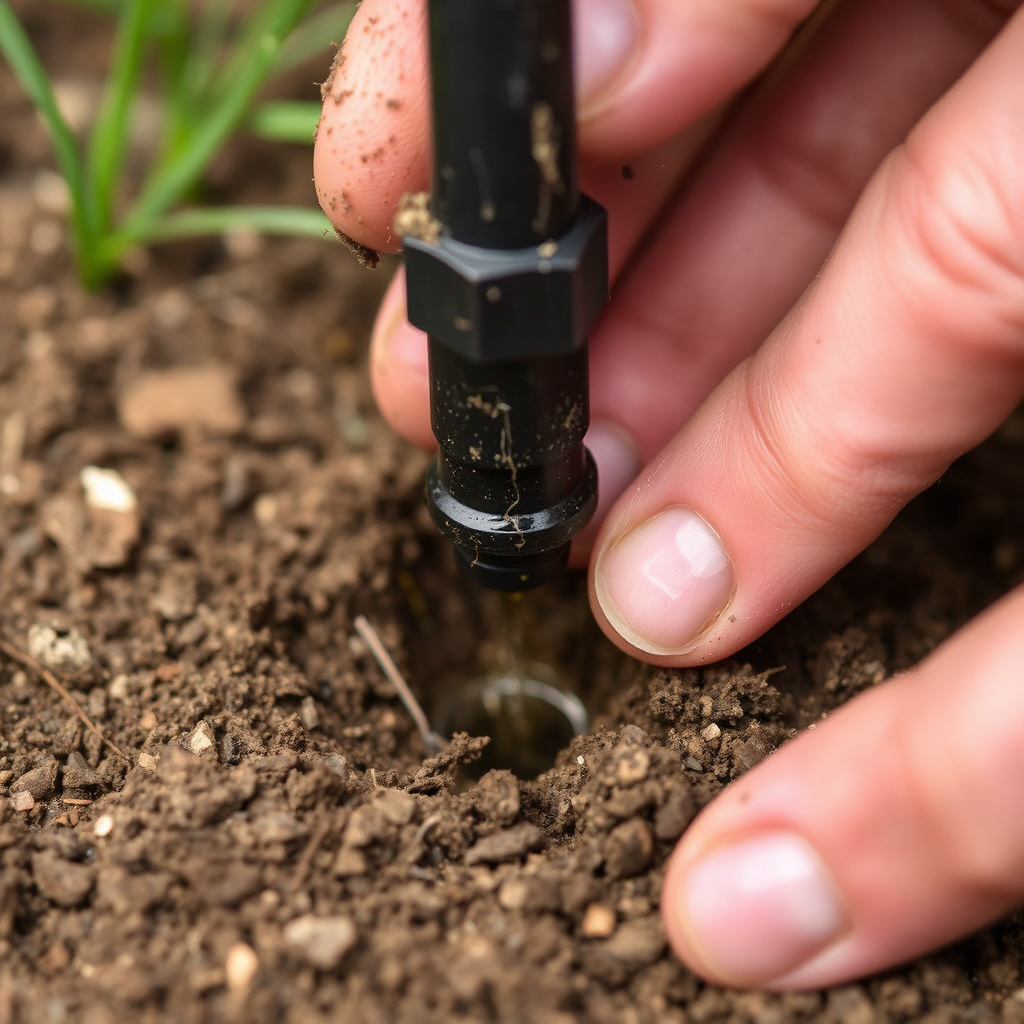
Removing debris and mineral buildup from emitters and filters keeps water flowing freely. Regularly inspect for cracked tubing or leaks that reduce efficiency.
Flushing the system at the beginning of the season helps clear accumulated dirt or algae inside the lines.
- Clean filters monthly
- Check for leaks and damage
- Flush lines seasonally
For more on this, see our related guide: How to Improve Plant Growth: Practical Tips for a Thriving Garden.
Common Problems and Solutions
Emitter clogging is the most frequent issue, often caused by debris or mineral deposits. Soaking emitters in vinegar or replacing them if severely blocked usually solves this.
Uneven water distribution can be corrected by adjusting pressure or repositioning emitters to better match plant placement.
Benefits of Using a Drip Irrigation System
Water Conservation Advantages
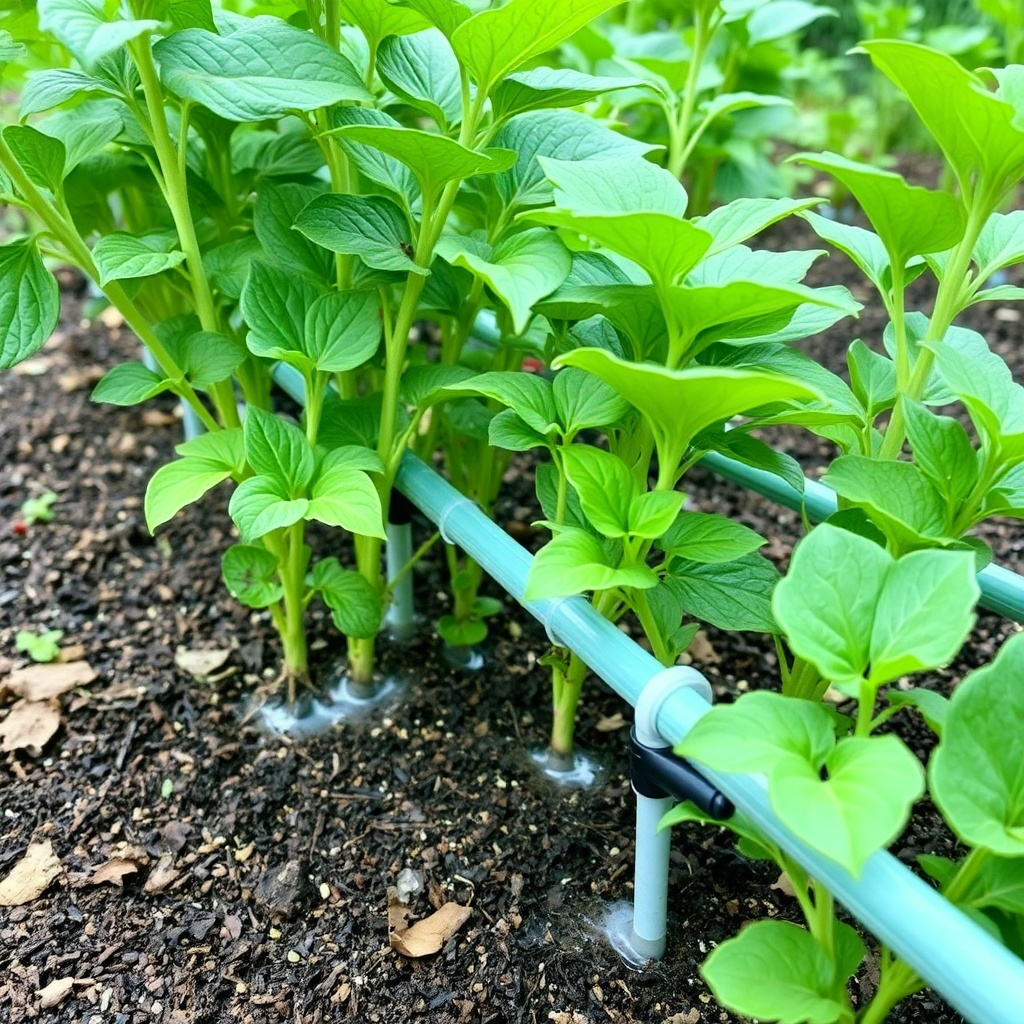
Drip systems typically use 30-50% less water than traditional sprinklers because water is applied directly where plants need it most. This precision decreases evaporation and runoff significantly.
In areas with water restrictions or drought conditions, such systems offer a sustainable way to maintain healthy gardens without waste.
- Reduces water waste
- Lowers evaporation losses
- Limits runoff and soil erosion
Improved Plant Health and Yield
Targeted soil moisture promotes stronger root systems, reducing plant stress and susceptibility to disease. It allows soil nutrients to remain balanced by avoiding overwatering.
Consistent moisture levels from drip irrigation often lead to higher yields and better crop quality in vegetable and flower gardens.
Comparing Drip Systems with Other Irrigation Methods
Drip vs. Sprinkler Irrigation
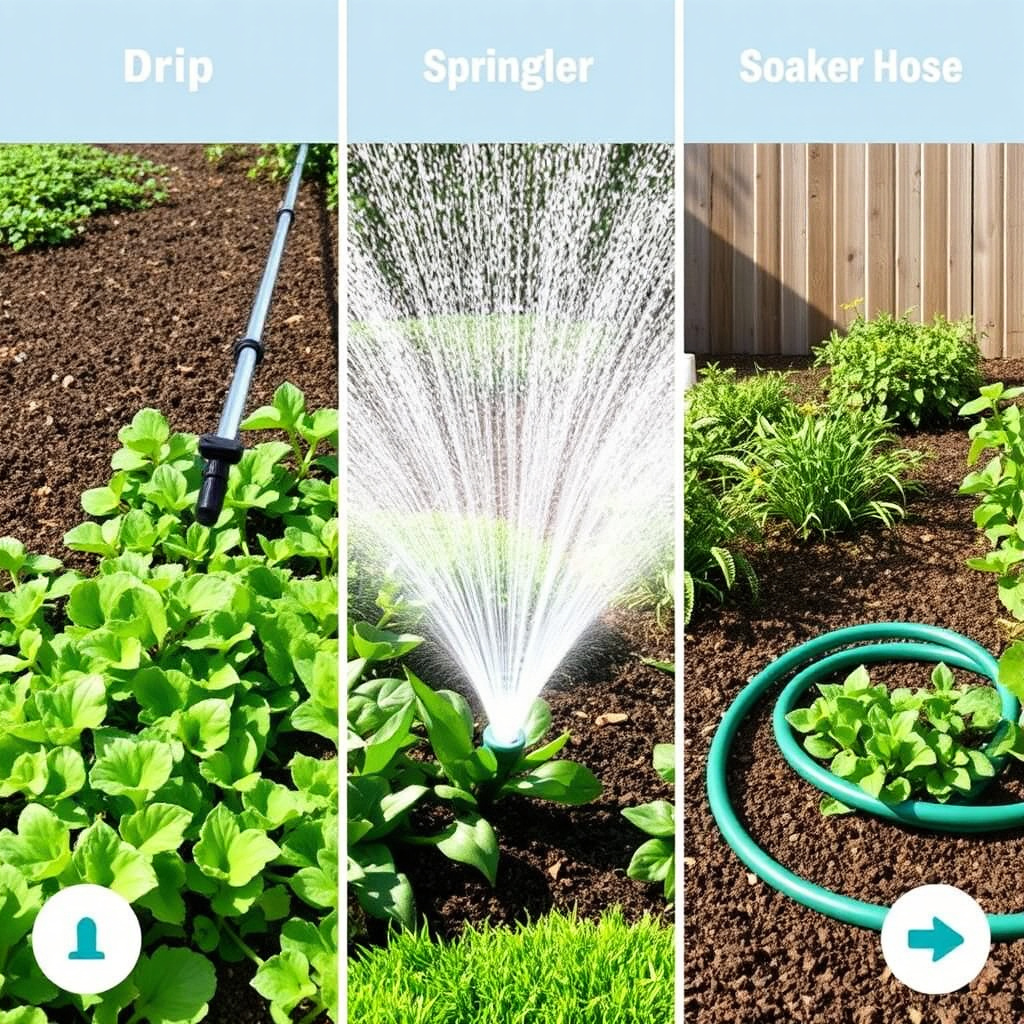
Sprinkler systems spray water over larger areas and can cover uneven terrain but often waste water through evaporation and runoff. Drip systems are more efficient at targeting specific plants.
While sprinklers suit lawns or broader coverage, drip irrigation offers superior nutrient delivery and water savings for gardens and row crops.
For more on this, see our related guide: How Often to Water Cannabis Plants: Timing and Techniques for Healthy Growth.
Drip vs. Soaker Hoses
Soaker hoses release water along their whole length and are easy to install but less precise than drip emitters and can waste water on non-target areas.
Drip emitters provide adjustable flow rates per plant and are less prone to clogging, making them better for plant-specific watering.
Choosing the Right Drip System for Your Needs
Considering Water Source and Pressure
The water pressure from your source affects which drip emitters and tubing you should use. Low-pressure systems require special components to maintain steady flow without leaks.
Assessing your water quality is also important since hard water may cause more frequent clogging in emitters.
- Measure water pressure
- Choose pressure-compatible emitters
- Consider water filtration needs
For a detailed background and variations on drip systems, you can visit the Drip irrigation Wikipedia page. Drip irrigation Wikipedia page.
System Scalability and Expansion
Start with a smaller system if you're new to drip irrigation, and expand as needed. Modular kits and DIY options make it easier to add lines and emitters without replacing entire setups.
For larger agricultural use, commercial-grade components provide durability and customizations suited to extensive irrigation needs.
Drip System vs Other Irrigation Methods Comparison
Here’s a side-by-side look at different irrigation categories to help you weigh their strengths and limitations for your garden or landscape.
| Irrigation Type | Water Efficiency | Installation Complexity | Maintenance Needs | Best Use Case |
|---|---|---|---|---|
| Drip System | High (30-50% water savings) | Moderate | Medium (filters and emitters) | Gardens, row crops, landscapes |
| Sprinkler | Medium | Moderate to High | High (clogging, wear) | Lawns and broad area coverage |
| Soaker Hose | Medium-High | Low | Low (occasional leaks) | Plants in rows, flower beds |
| Manual Watering | Low | Low | None | Small gardens or hard-to-reach areas |
Frequently Asked Questions
Can a drip system be used for all types of plants?
Drip systems work best for plants with similar watering needs grouped together. They are ideal for vegetables, flowers, shrubs, and trees but require careful placement and emitter choice for diverse plant types.
How often should I run my drip irrigation system?
Frequency depends on plant type, soil, and climate, but generally running the system for 30 to 60 minutes a few times a week is sufficient to maintain consistent moisture without overwatering.
What maintenance does a drip system require?
Regularly clean filters and inspect emitters for clogging or damage. Flushing lines periodically prevents debris buildup and ensures even water delivery throughout the system.
Is a drip system expensive to install?
Initial costs vary depending on system size and complexity, but many small DIY kits are affordable. Professional installation costs rise for large or complex systems but are often justified by water savings and improved plant health.
Can drip irrigation reduce plant diseases?
Yes, by delivering water directly to roots and keeping foliage dry, drip irrigation decreases the risk of fungal infections that commonly spread through wet leaves.
Key Takeaways
- Drip systems deliver water precisely to plant roots, reducing waste and promoting healthier growth.
- Components like filters and pressure regulators maintain system efficiency and durability.
- Compared to sprinklers and soaker hoses, drip irrigation offers superior water savings.
- Proper installation and regular maintenance extend system lifespan and performance.
Conclusion
Understanding what a drip system is entails knowing how its specific components and design function to supply water slowly and directly to plant roots, maximizing efficiency and soil moisture management. By focusing water delivery to the root zone, a drip system helps conserve water and encourages healthier plant development, which makes it an important tool for gardeners in water-conscious environments or those looking to optimize irrigation practices. Careful planning of system layout and component compatibility ensures successful operation tailored to a garden's unique needs.
Choosing a suitable drip irrigation system depends on a few key factors: the size and type of your garden, your water pressure, and plant water requirements. For small to medium gardens where conserving water is a priority, a DIY drip irrigation kit with adjustable emitters is often sufficient and cost-effective. In larger landscape or agricultural settings, professional design and installation of commercial-grade drip systems deliver robust and scalable irrigation solutions. These options highlight the flexibility of drip irrigation to serve diverse gardening and farming contexts effectively.
For anyone considering a drip system, the next step is to assess your garden’s layout and water source conditions, select components that suit your water pressure and plant types, and begin with manageable sections for installation and testing. Regular system maintenance should be scheduled to avoid clogging and maintain consistent watering. Through these steps, adopting a drip irrigation system can become a practical upgrade that saves water and promotes strong plants long-term.