How to Start Seeds Under Grow Lights for Successful Indoor Gardening
Starting seeds under grow lights involves providing your seedlings with the right light spectrum, duration, and distance to mimic natural sunlight indoors. This allows you to begin your plants earlier in controlled conditions, avoiding unpredictable outdoor weather and giving your garden a strong head start.
Using grow lights for seed starting offers a dependable method to produce healthier seedlings by controlling their environment, improving germination rates, and preventing problems like leggy growth. It’s especially helpful for gardeners in regions with short growing seasons or limited sunlight during early spring.
This article will walk you through selecting the correct grow lights, setting them up at the proper height and duration, managing soil and moisture, and caring for your seedlings until transplanting. By the end, you’ll have practical steps to confidently start seeds indoors using grow lights.
Choosing the Right Grow Lights for Starting Seeds
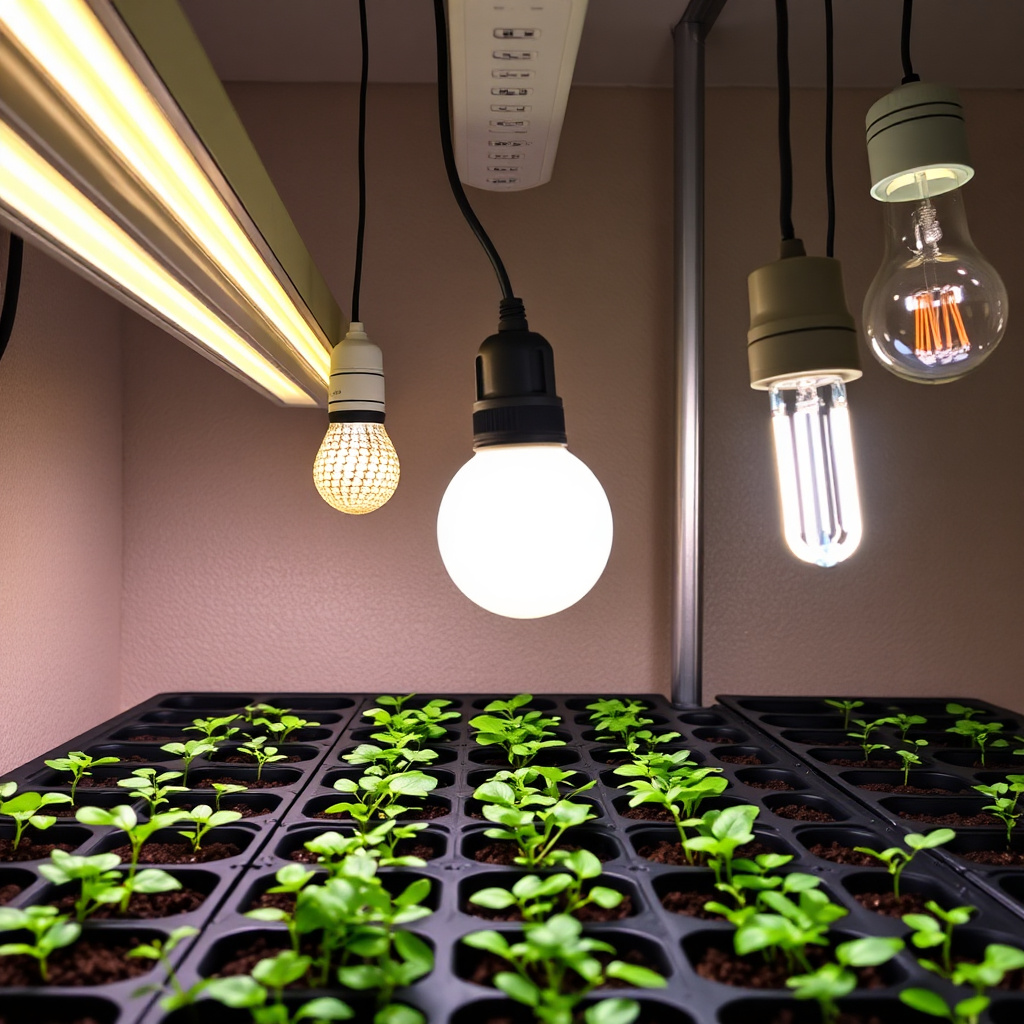
Types of Grow Lights and Their Benefits
Fluorescent and LED grow lights are the most commonly used for starting seeds because they offer suitable light spectra and energy efficiency for healthy seedling growth. Fluorescent lights are affordable and emit less heat, reducing the risk of drying out soil quickly.
LED grow lights are more energy-efficient, longer-lasting, and often have customizable light spectrums to better mimic natural sunlight. Incandescent bulbs generally produce too much heat and insufficient light quality, so they are not recommended for seedlings.
- Fluorescent lights: affordable, cooler operation
- LED lights: energy-efficient, customizable spectrum
- Avoid incandescent bulbs due to heat and spectrum issues
Selecting the Best Grow Lights for Seedlings
When choosing grow lights, consider spectrum, brightness (measured in lumens), and size to cover your seed trays evenly. Full-spectrum LED lights that include both blue and red wavelengths promote balanced seedling development and strong root growth.
Your choice should fit your growing space and budget, but avoid very high-wattage bulbs that generate excessive heat. A timer is valuable to automate necessary daily light cycles for consistency.
- Full spectrum (blue and red light) for balanced growth
- Brightness around 2000–3000 lumens per square foot
- Use a timer to automate lighting schedules
Setting Up Your Grow Lights for Seed Starting
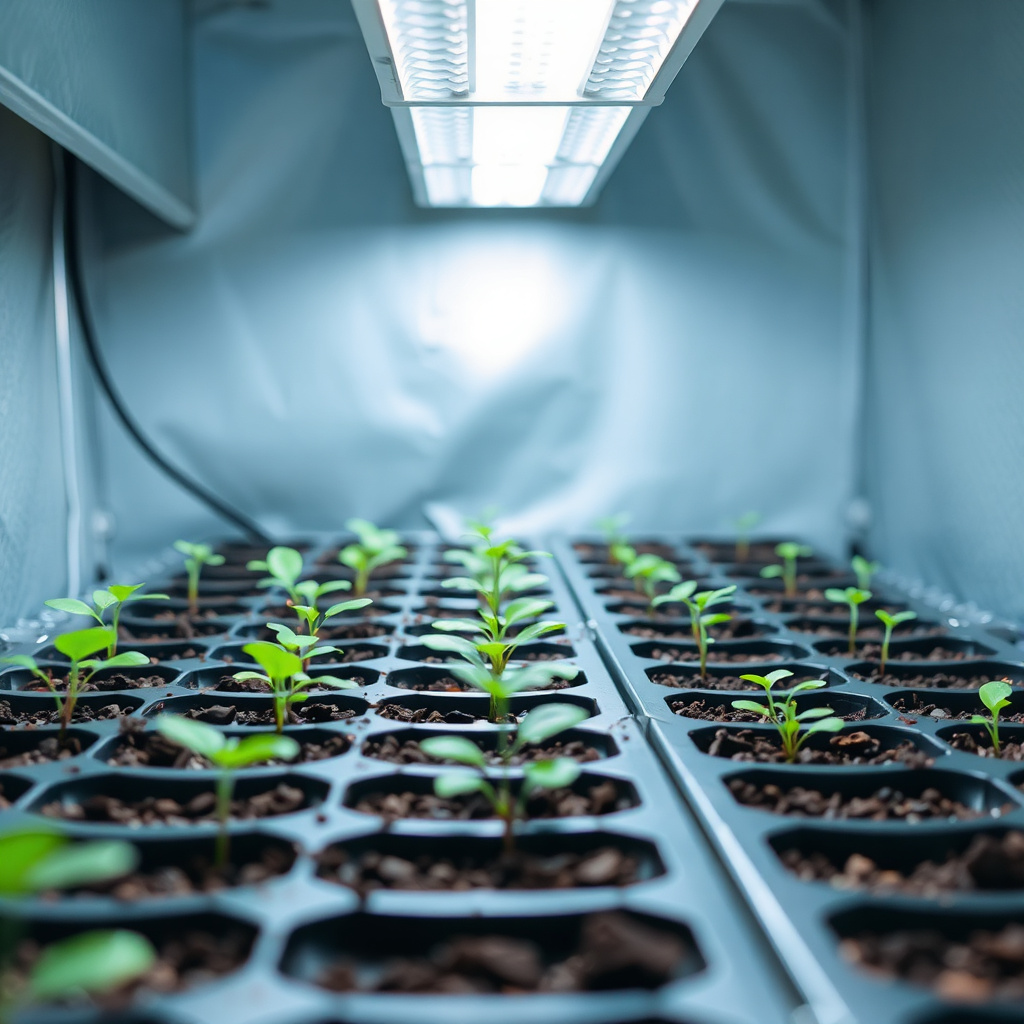
Proper Distance Between Grow Light and Seedlings
The distance between the seedlings and grow light is essential to prevent stretching or burning. Generally, fluorescent lights should be about 2-4 inches above seedlings, while LEDs can be positioned 12-18 inches above depending on their intensity.
Adjust lights as seedlings grow to maintain this distance, preventing them from becoming leggy due to insufficient light or suffering leaf damage from excessive heat.
- Fluorescent: 2-4 inches above seedlings
- LED: 12-18 inches above seedlings
- Raise lights as seedlings grow
For more on this, see our related guide: Plant Genetics Explained for Beginners: Understanding the Basics of Heredity in Plants.
Optimal Lighting Duration for Seedlings
Seedlings typically need between 12 and 16 hours of light per day to mimic natural sunlight exposure. Using timers helps maintain this consistent schedule, which is critical for healthy photosynthesis and steady growth.
Avoid overexposing seedlings to light, as continuous illumination can stress the plants. Providing a dark period also allows seedlings to rest and develop properly.
- 12-16 hours of light daily
- Use a timer for consistent schedules
- Provide darkness period for rest
Preparing Soil and Containers for Seed Starting
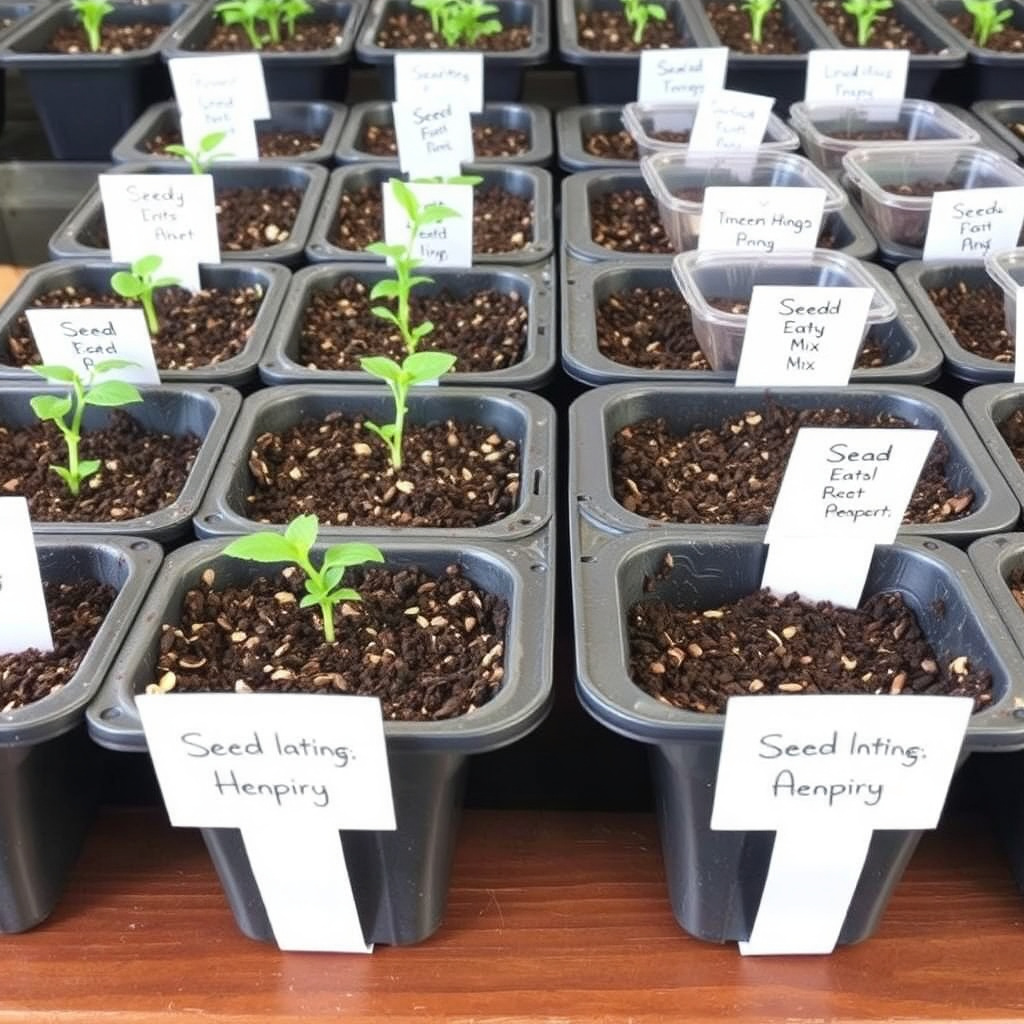
Choosing the Right Soil Mix
A light, well-draining seed starting mix is crucial to promote adequate moisture retention without waterlogging. These mixes often include peat moss, vermiculite, and perlite, providing a sterile environment that reduces disease risk.
Avoid regular garden soil, which can be too heavy and harbor pathogens. Sterility in the soil mix helps protect delicate seedlings during the vulnerable germination stage.
- Use peat moss, vermiculite, and perlite blends
- Avoid garden soil to reduce disease
- Ensure well-draining, light texture
Selecting Containers and Trays
Seed starting containers should have drainage holes to prevent water accumulation. Clear plastic domes or humidity trays help maintain moisture during germination but should be removed as soon as seedlings emerge.
Small cell trays or biodegradable pots offer individual space for roots, simplifying transplanting. Label containers with plant names and dates for organization.
- Ensure containers have drainage holes
- Use humidity domes during germination
- Label containers clearly
Watering and Temperature Management
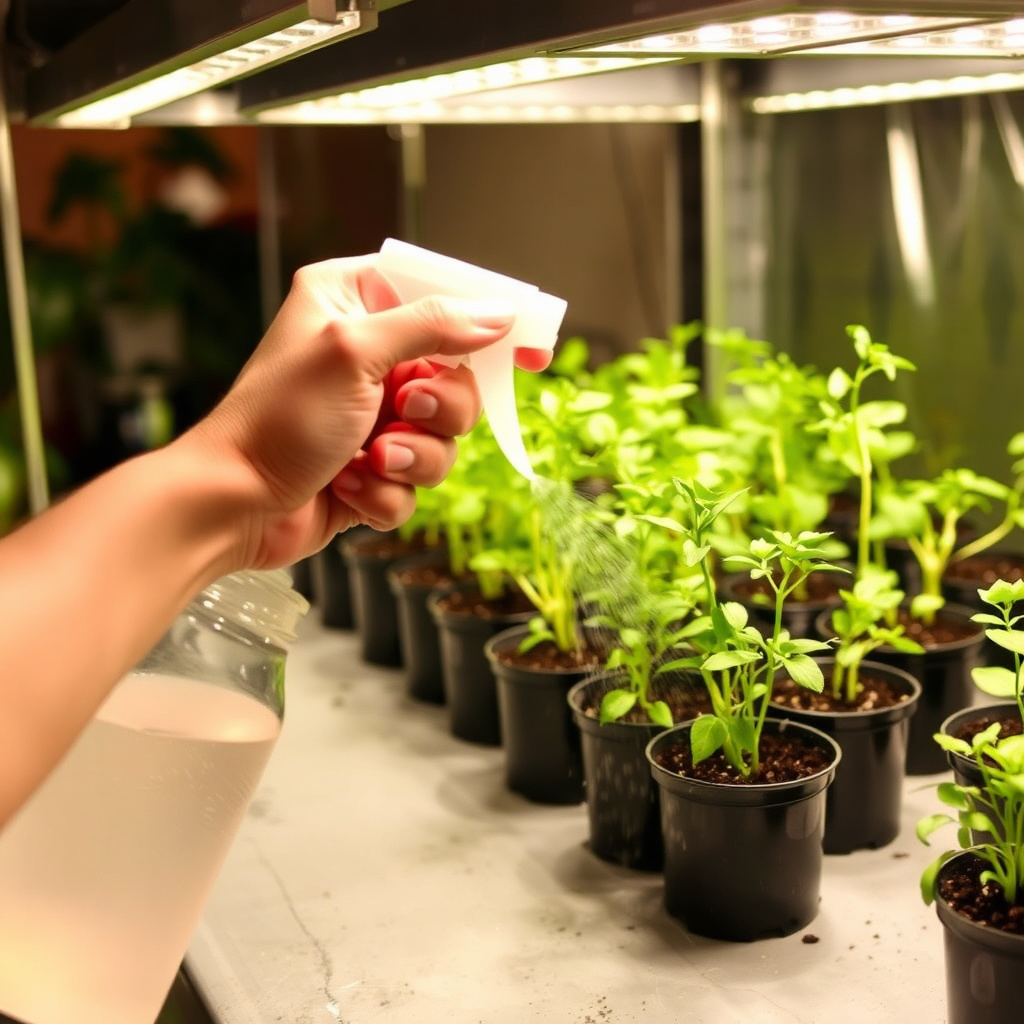
Proper Watering Techniques for Seedlings
Seedlings need consistent moisture without becoming waterlogged. Using a spray bottle or gentle watering helps prevent soil displacement and keeps the surface evenly moist. Overwatering can cause root rot and damping-off diseases.
It's best to water from the bottom by placing trays in shallow water to encourage strong root growth while keeping foliage dry.
- Keep soil evenly moist, not soggy
- Water from bottom to protect roots
- Use spray bottle for gentle watering
For more on this, see our related guide: What Affects Plant Growth: Key Factors Explained for Healthy Gardens.
Maintaining Ideal Temperature for Germination
Most seeds germinate best between 65°F and 75°F. Some fast growers benefit from bottom heat pads to stabilize soil temperature. Avoid cold drafts and overly warm environments that can stress or dry out seedlings.
Monitor room temperature regularly, especially if using grow lights that can add mild warmth. Balanced temperature helps seeds sprout uniformly.
- Keep temperature between 65°F-75°F
- Consider bottom heat pads for warmth
- Avoid drafts and overheating
Caring for Seedlings Under Grow Lights

Thinning Seedlings for Strong Growth
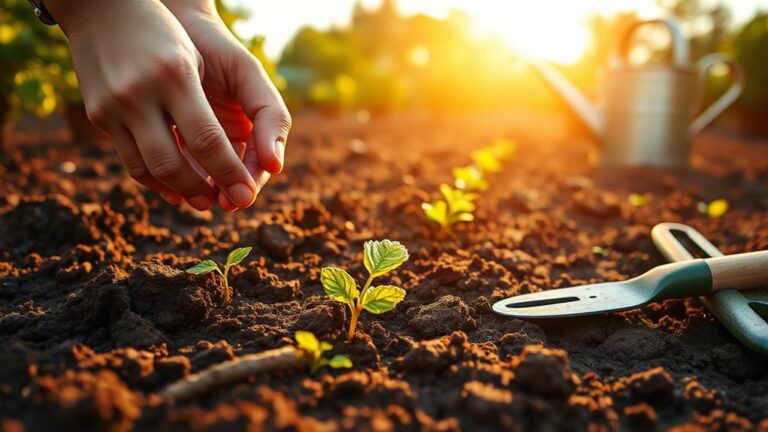
Once seedlings develop their first set of true leaves, thin them by snipping weaker or crowded individuals at soil level. Thinning reduces competition for light and nutrients, allowing remaining seedlings to develop fuller root systems and sturdier stems.
Proper thinning prevents diseases and improves air circulation around plants.
- Thin when true leaves appear
- Cut weak seedlings at soil line
- Reduce crowding and improve airflow
For an in-depth look at the biological process involved in seed germination, you can visit seed starting on Wikipedia. seed starting on Wikipedia.
Hardening Off Seedlings Before Transplanting
Gradually acclimate seedlings to outdoor conditions by exposing them to increasing sunlight and outdoor temperatures for several days. This process prevents shock by toughening plant tissues before transplanting into the garden.
Start with brief morning sun exposure, slowly increasing time and intensity over 7-10 days.
- Begin with limited morning sun
- Increase outdoor exposure gradually
- Harden off over 7-10 days
Comparison of Seed Starting Grow Light Types
This table compares different types of grow lights commonly used for seed starting based on energy use, cost, heat output, and light spectrum quality.
| Light Type | Energy Efficiency | Initial Cost | Heat Output | Spectrum Quality |
|---|---|---|---|---|
| Fluorescent | Moderate | Low | Low | Good (blue and white light) |
| LED | High | Moderate-High | Very Low | Excellent (customizable full spectrum) |
| Incandescent | Low | Low | High | Poor (mostly yellow-red spectrum) |
| CFL (Compact Fluorescent) | Moderate | Low | Low | Good (varied spectrum options) |
Frequently Asked Questions
How far should grow lights be from seedlings?
Fluorescent lights should be positioned 2-4 inches above seedlings, while LED grow lights are typically placed 12-18 inches above. Adjust as seedlings grow to prevent stretching or burning.
How long should seedlings be kept under grow lights each day?
Seedlings generally need 12 to 16 hours of light daily. Using a timer helps maintain a consistent schedule essential for proper growth and development.
Can I use regular soil to start seeds under grow lights?
Regular garden soil is not recommended because it is heavy and can contain pathogens. Use a light, sterile seed starting mix that retains moisture but drains well.
What is the best temperature for seed germination indoors?
Most seeds germinate best at temperatures between 65°F and 75°F. Providing consistent warmth helps improve germination rates.
When should I remove the humidity dome from my seedlings?
Remove the humidity dome once seedlings emerge above the soil surface to prevent mold and allow air circulation, keeping seedlings strong and healthy.
Key Takeaways
- Use full-spectrum LED or fluorescent grow lights for balanced seedling growth.
- Maintain grow light distance and duration to prevent leggy seedlings.
- Choose well-draining, sterile seed starting mix over regular soil.
- Consistent watering and temperature control improve germination success.
Conclusion
Starting seeds under grow lights offers considerable control over early plant development, reducing dependency on unpredictable outdoor conditions. Careful selection of light type, positioning, and timing plays a pivotal role in producing robust seedlings. Coupling this with suitable soil, proper watering, and temperature management sets a strong foundation for your garden’s future success. Thoughtful attention to these factors allows gardeners to grow healthy plants indoors efficiently.
For those beginning this process, LED grow lights stand out due to their energy efficiency and customizable spectrum, supporting balanced growth. If budget constraints exist, fluorescent lights provide a cost-effective alternative. Ensuring soil mixes are lightweight and sterile helps prevent damping-off disease. Managing light cycles between 12 to 16 hours daily benefits vigorous seedling growth. Consistent maintenance along with gradual hardening off prepares plants well for transplanting outdoors.
To get started, invest in a good quality full-spectrum grow light fitted with a timer, select appropriate seed-starting containers, and establish a routine watering and lighting schedule. Regularly monitor seedling distance from lights and environmental conditions. Taking these steps moves you beyond guesswork toward confident indoor seed starting that jumpstarts garden productivity year-round.