Understanding the Farm Bill Hemp Provisions: What You Need to Know
The Farm Bill hemp provisions refer to the sections of the Agricultural Improvement Act of 2018 that federally legalized hemp production in the United States. This legislation redefined hemp as cannabis with less than 0.3% THC, removing it from the Controlled Substances Act and allowing farmers to grow, process, and sell hemp under a regulated framework.
Before the Farm Bill, hemp cultivation faced significant legal challenges due to its association with marijuana. The clarity provided by the 2018 bill opened new economic opportunities and set standards for growing hemp, which is vital for producing CBD, fibers, and other products. Understanding these provisions helps both farmers and consumers navigate the evolving hemp industry.
This article will cover the key aspects of the Farm Bill hemp provisions, including regulatory requirements, licensing processes, THC testing norms, and market impacts. We'll also explore how hemp legalization and regulations continue to develop beyond the bill itself.
What the Farm Bill Hemp Provisions Include
Legal Definition and THC Limits
The Farm Bill legally distinguishes hemp from marijuana by setting a strict THC limit of 0.3% on a dry weight basis. This threshold ensures hemp plants have minimal psychoactive effects and are eligible for production under federal law. Any cannabis exceeding this THC level remains classified as marijuana and is still regulated as a controlled substance.
This definition provides a clear legal baseline for farmers, processors, and law enforcement to separate hemp crops from illicit cannabis. Consistent THC testing protocols are required to verify compliance.
- THC content must be ≤ 0.3% by dry weight
- Plants exceeding THC limits are classified as marijuana
- Testing must follow federally approved methods
Licensing and Regulatory Oversight
The Farm Bill authorizes states and tribal governments to create their own hemp production programs, subject to USDA approval. Farmers must obtain licenses for cultivation, which involves submitting detailed plans and agreeing to periodic inspections and testing.
Federal oversight ensures uniform standards, but individual state programs can impose additional requirements. This decentralized regulatory framework balances local control with federal compliance.
- State or tribal licensing is mandatory for hemp growers
- USDA approves and monitors state programs
- Inspections and THC testing are routine requirements
Impact on the Hemp Industry
Growth of CBD and Hemp Markets
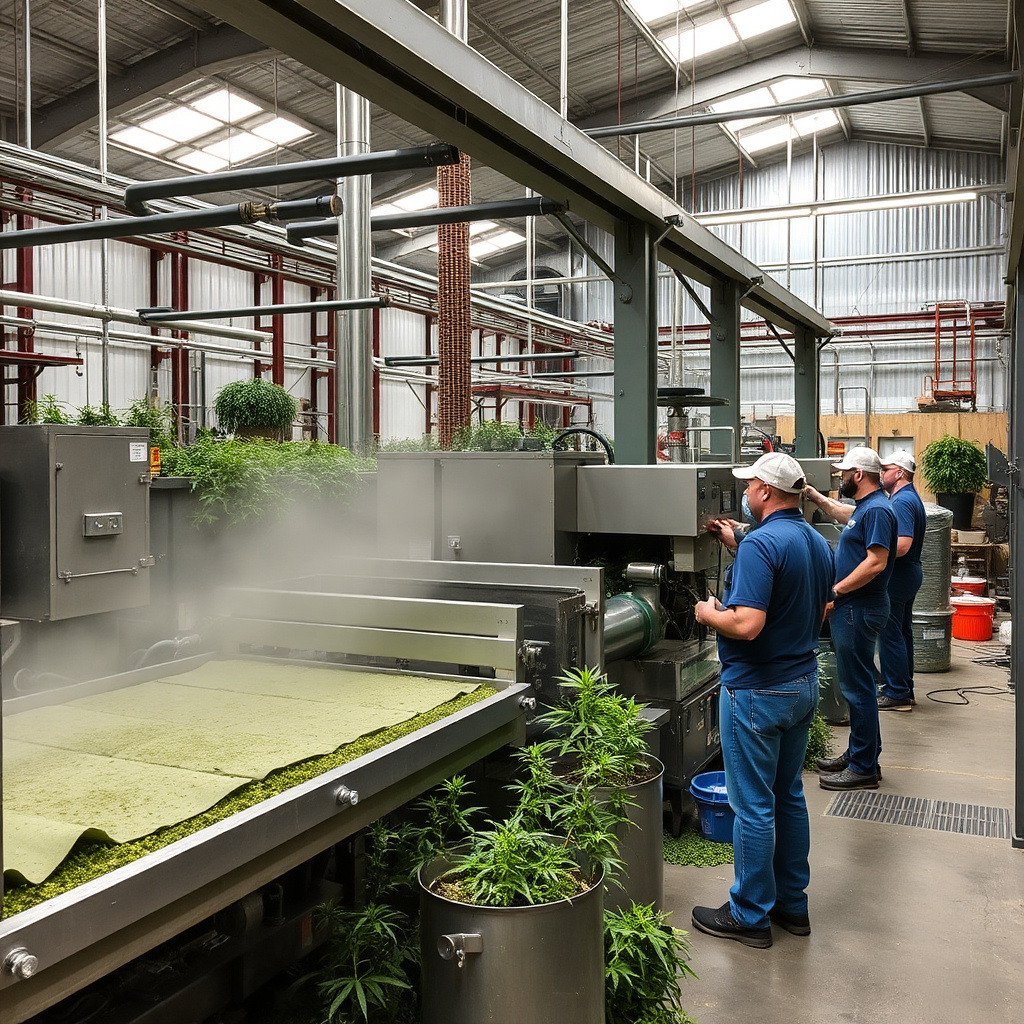
Since the 2018 Farm Bill, the hemp-derived CBD market has expanded rapidly due to legal certainty and broader consumer acceptance. Hemp fibers and seeds are also seeing renewed interest for textiles, food products, and bio-materials.
However, regulatory ambiguity around CBD in food and beverages and interstate commerce continues to challenge producers and retailers.
Challenges and Compliance Issues
Some farmers face the risk of crops testing above the 0.3% THC limit, resulting in crop destruction and financial loss. Variability in plant genetics and environmental factors complicate compliance.
Additionally, the patchwork of state regulations and ongoing FDA actions on hemp-derived products create a complex landscape for stakeholders.
Testing and Quality Control Standards

THC Testing Methods
The Farm Bill requires hemp samples to be tested using federally approved methods, typically gas or liquid chromatography. Testing must estimate total THC, including the acidic precursor THCA, which converts to THC when heated.
Samples must be taken within a set timeframe before harvest to accurately determine compliance and avoid unintentional violations.
- Sample collection typically occurs within 15 days pre-harvest
- Testing measures both THC and THCA levels
- Certified labs provide standardized test results
For more on this, see our related guide: Are Cannabis Seeds Legal in the USA? Understanding the Legal Landscape.
Sampling Procedures and Inspections
Licensed producers are subject to random or scheduled sampling and inspections by regulatory agencies. These measures ensure crop compliance and deter illegal marijuana cultivation under the guise of hemp.
Proper documentation and tracking of samples help maintain transparency through the supply chain.
- Random field inspections by authorities
- Mandatory recordkeeping for all samples
- Non-compliant crops may require destruction
State vs Federal Hemp Programs
State-Level Regulations
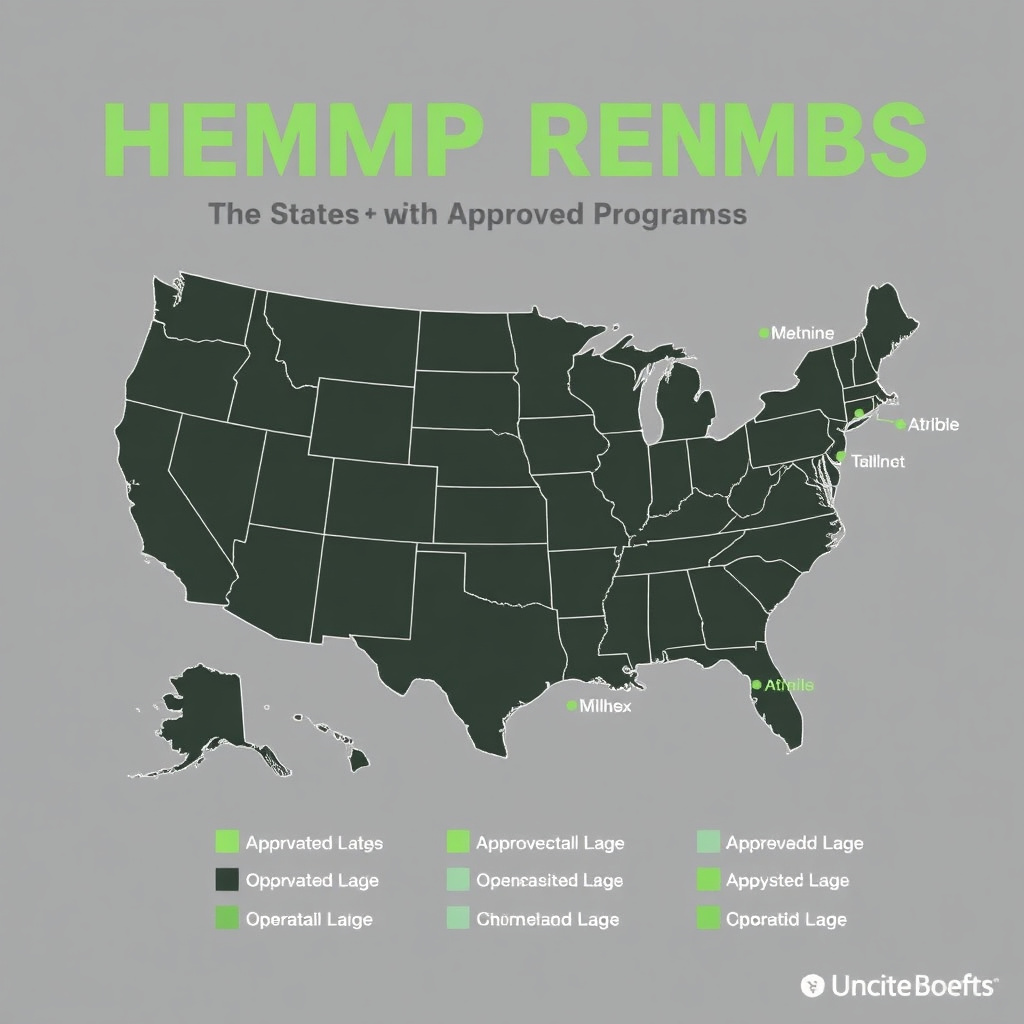
States can submit hemp plans to the USDA for approval or operate under the federal program if they lack an approved state plan. State programs may add stricter rules on licensing fees, testing schedules, or crop tracking.
This local variation affects how growers operate in different regions and requires them to stay updated on both state and federal laws.
- Some states require crop destruction policies for non-compliance
- Licensing fees vary widely by state
- States may require additional testing beyond federal baseline
The Federal Hemp Production Program
For states without approved plans, hemp producers participate in the USDA’s federal program, which enforces uniform regulations and testing requirements.
The federal program offers a consistent alternative but can feel less tailored to regional agricultural conditions.
- Federal licenses issued directly by USDA
- Uniform testing and sampling procedures
- National compliance standards for growers
Economic Opportunities and Market Trends
New Markets Opened by the Farm Bill
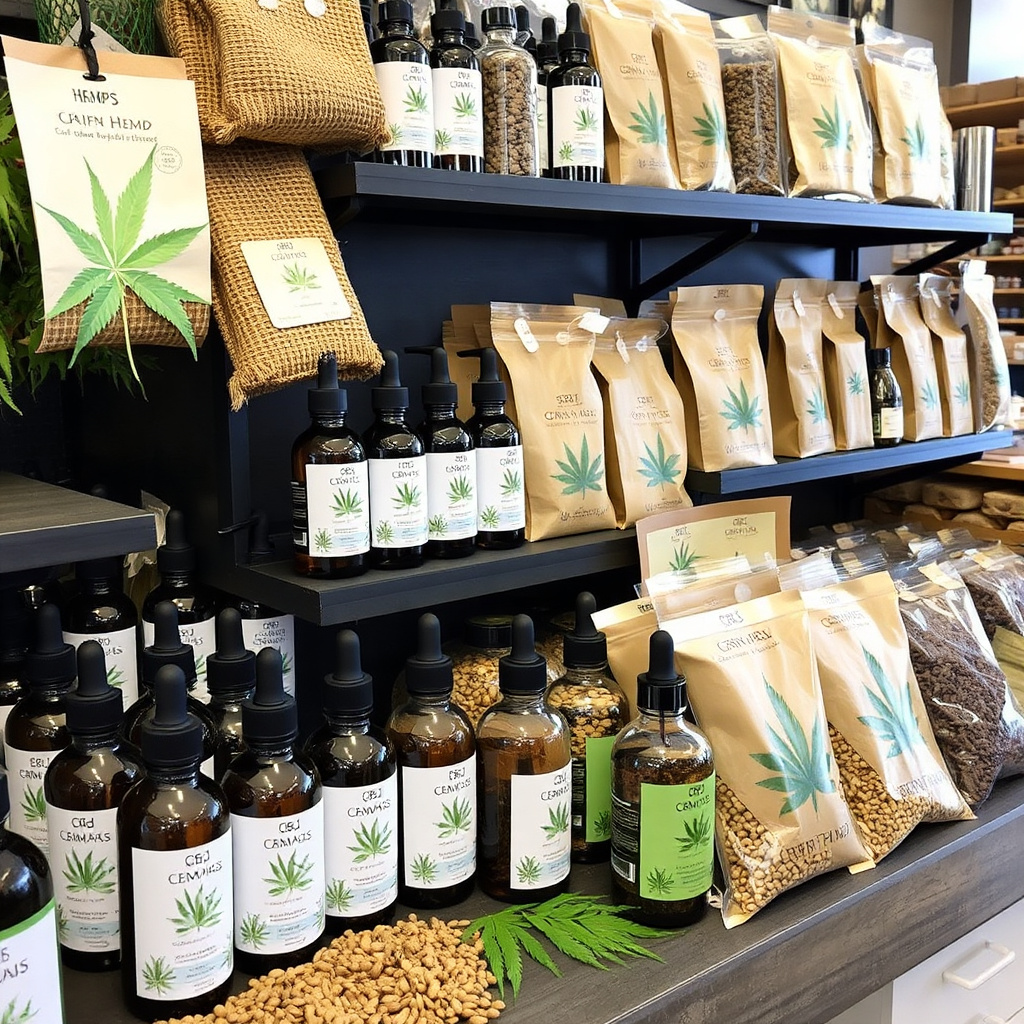
Legalizing hemp has spurred growth in sectors like natural health products, sustainable textiles, and functional foods. The rising demand for hemp-derived CBD has drawn investment and innovation.
Farmers are diversifying crops and exploring hemp’s industrial uses, including biodegradable plastics and construction materials.
- CBD-infused wellness products
- Eco-friendly hemp textiles and composites
- Nutrition products from hemp seeds
Current Market Challenges
Despite opportunities, the market faces hurdles including uncertain FDA regulations, interstate commerce restrictions, and crop overproduction leading to price volatility.
Stakeholders monitor evolving hemp legalization and regulations closely to adapt business strategies.
Legal and Social Implications

Law Enforcement and Hemp Identification
Differentiating hemp from marijuana remains a challenge for law enforcement despite THC threshold definitions. Misidentification can lead to legal complications for farmers and carriers.
Advances in testing technology and training programs aim to reduce wrongful seizures and arrests.
- Use of portable field testing kits
- Training sessions for officers in hemp identification
- Collaboration between farmers and law authorities
For detailed legislative text and background, the 2018 Farm Bill on hemp provides the foundational framework governing hemp legal status in the U.S. 2018 Farm Bill on hemp.
Public Perception and Industry Growth
Public acceptance of hemp has generally increased since legalization, but misunderstandings about its relation to marijuana persist. Education efforts help distinguish hemp’s uses and non-psychoactive nature.
Growing transparency in the hemp supply chain may boost consumer confidence further.
Farm Bill Hemp Programs Category Comparison
Here's a comparison of different hemp production program categories considering licensing, testing, and regulatory control.
| Category | Licensing Authority | THC Testing Frequency | Crop Compliance Actions | State Program Variations |
|---|---|---|---|---|
| USDA Federal Program | USDA | Pre-harvest sampling within 15 days | Destruction of non-compliant crops | Uniform regulations nationwide |
| State Approved Programs | State Agencies | Varies; often more frequent | May include crop destruction or remediation | Additional state-specific rules |
| Tribal Hemp Programs | Tribal Governments | Similar to USDA standards | Destruction or alternative measures | Tailored to tribal governance |
| Unregulated/Illegal Hemp | None | None | Legal penalties for non-compliance | Not applicable |
Frequently Asked Questions
What is the legal THC limit for hemp under the Farm Bill?
The Farm Bill sets the legal THC limit for hemp at 0.3% by dry weight. Cannabis plants with THC above this threshold are classified as marijuana and remain federally illegal.
Do all states have their own hemp programs?
Not all states have approved hemp programs; some growers participate in the USDA's federal hemp program. State programs must be approved by the USDA to take effect.
How often must hemp be tested for THC content?
Typically, hemp must be tested once within 15 days before harvest, but some states require additional testing or specific sampling procedures.
Can hemp crops be destroyed if they don't meet THC limits?
Yes, if a hemp crop tests above 0.3% THC, regulatory agencies generally require crop destruction to prevent illegal marijuana distribution.
Does the Farm Bill legalize all hemp-derived products?
While it legalizes hemp cultivation federally, some hemp-derived products like CBD in food and beverages face additional FDA regulations and are not universally legal.
Key Takeaways
- Farm Bill defines hemp as cannabis with less than 0.3% THC, legalizing its cultivation.
- State and federal programs regulate licensing, testing, and inspections for hemp growers.
- The bill has expanded the hemp market but ongoing regulations still pose challenges.
- Understanding hemp legalization and regulations is essential for industry participation.
Conclusion
Deciding to engage with the hemp industry post-Farm Bill means understanding a layered regulatory framework designed to enable legal hemp production while ensuring compliance with THC limits. This approach blends federal oversight with the flexibility of state and tribal programs, aiming to foster growth but requiring detailed attention to local rules and testing protocols. Stakeholders benefit from educating themselves on these provisions to avoid costly missteps and maximize opportunities.
For farmers, choosing the right program depends on their location and resources: state-approved programs may offer tailored support but also stricter rules, while the USDA federal program delivers nationwide standards suited for states without their own plans. Producers targeting CBD or industrial hemp markets must balance compliance risk, testing logistics, and market trends shaped by hemp legalization and regulations’ evolving landscape.
The next step for anyone interested in hemp is to consult local agricultural agencies for licensing requirements and study the Farm Bill hemp provisions thoroughly. Staying current with ongoing legal updates and working with certified labs can safeguard compliance. By moving carefully and informed, participants can contribute to the sector’s promising growth without legal setbacks.