What Is a Non GMO Seed? Understanding Its Meaning and Importance
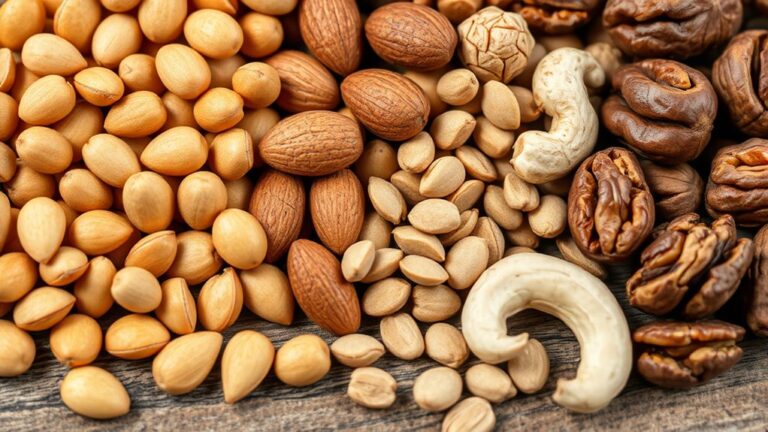
A non GMO seed is a seed that has not been genetically modified through biotechnology techniques. In other words, it has not been altered at the DNA level using modern genetic engineering methods. Instead, these seeds come from traditional breeding processes like cross-pollination or natural selection.
Choosing non GMO seeds matters because they help preserve natural genetic diversity, support certain agricultural practices, and appeal to consumers concerned about synthetic alterations. The distinction between non GMO and genetically modified seeds often influences farming methods and market choices worldwide.
This article will explore the definition of non GMO seeds, how they differ from GMO seeds, their benefits and drawbacks, factors to consider when selecting seeds, and comparisons of seed categories. It will also address common questions about non GMO seeds to guide growers and consumers.
Definition and Characteristics of Non GMO Seeds
What Does Non GMO Mean?
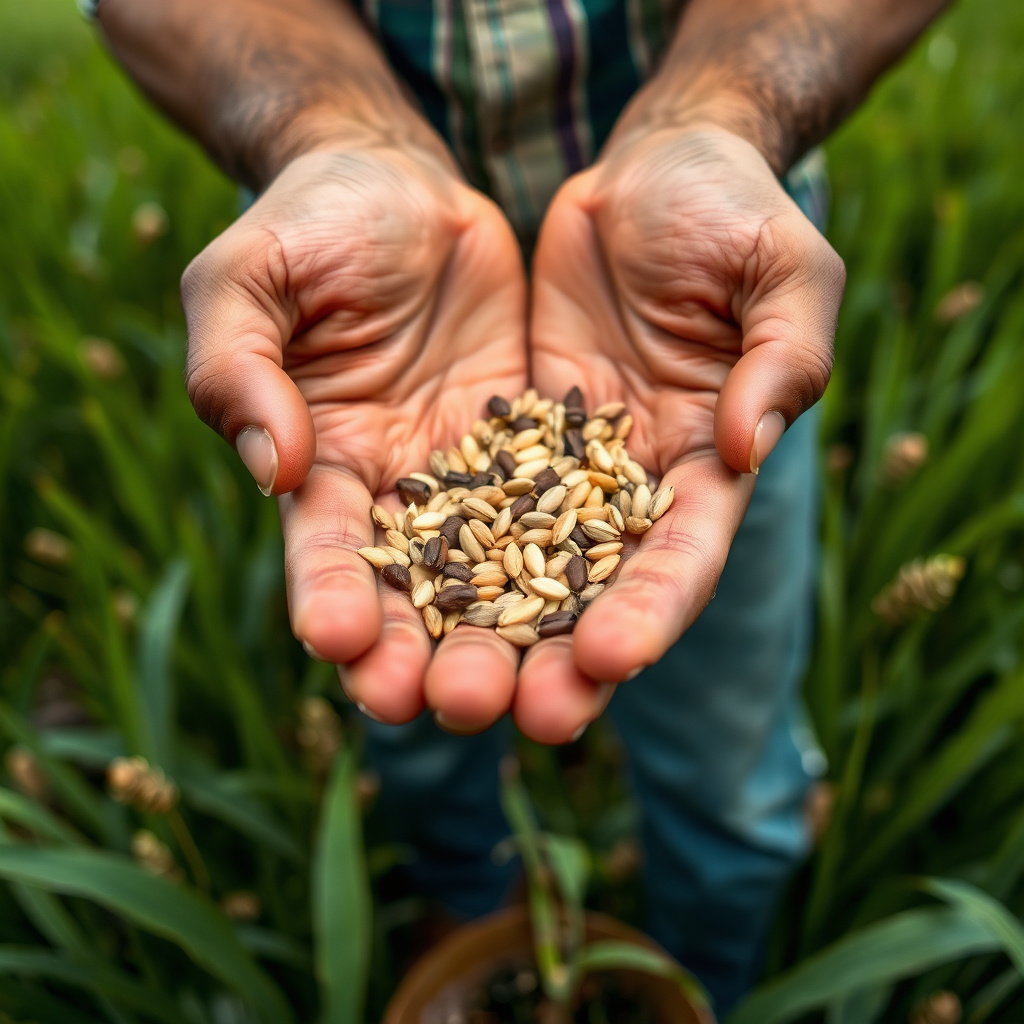
Non GMO stands for non-genetically modified organisms. Seeds labeled as non GMO come from plants that have not been altered using recombinant DNA technology or gene editing tools like CRISPR. These seeds rely on natural or conventional breeding methods that have been used for centuries.
Traditional breeding involves selecting parent plants with desired traits and cross-pollinating them to produce offspring with specific qualities. This approach maintains the seed's natural genetic structure, unlike GMO seeds which may carry inserted genes from other organisms.
How Non GMO Seeds Differ from GMO Seeds
GMO seeds contain genetic material that scientists have artificially introduced to enhance traits such as pest resistance, herbicide tolerance, or drought tolerance. Non GMO seeds lack such engineered traits and rely on inherent genetics.
Because of these differences, GMO seeds often require licenses and regulatory approval, while non GMO seeds are generally free from these legal constraints.
Benefits of Non GMO Seeds
Environmental Advantages
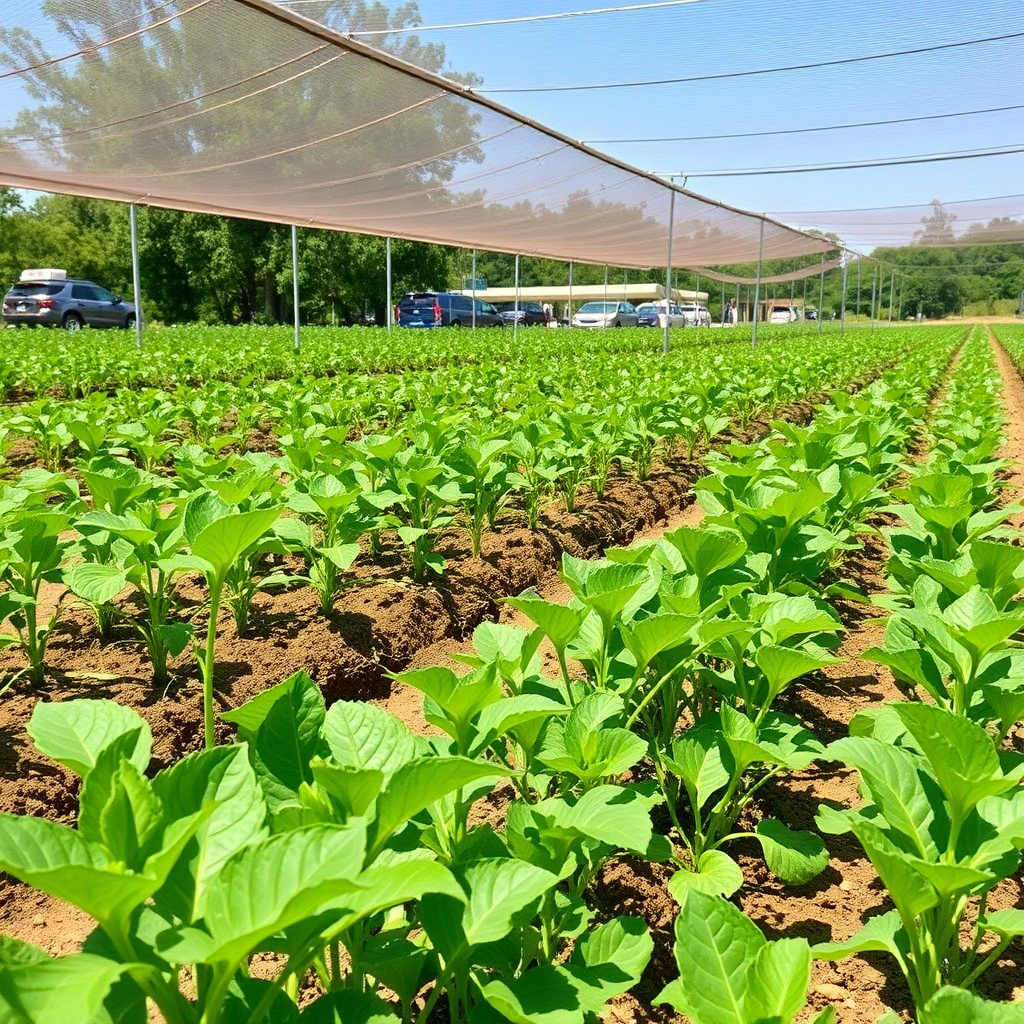
Non GMO seeds encourage biodiversity by supporting varieties adapted to local environments rather than uniform genetically engineered crops. This helps reduce risks associated with monocultures and balances ecosystems.
They can also contribute to sustainable agriculture by promoting soil health and reducing dependency on chemical inputs like herbicides and insecticides that genetically modified crops sometimes require.
Consumer and Market Preferences
Many consumers prefer foods derived from non GMO seeds due to health concerns or ethical reasons. This preference drives demand for non GMO products, creating market opportunities for farmers.
Certification programs exist to label products as non GMO, providing transparency and allowing buyers to choose based on seed origin.
Challenges and Considerations with Non GMO Seeds
Yield and Pest Resistance Factors
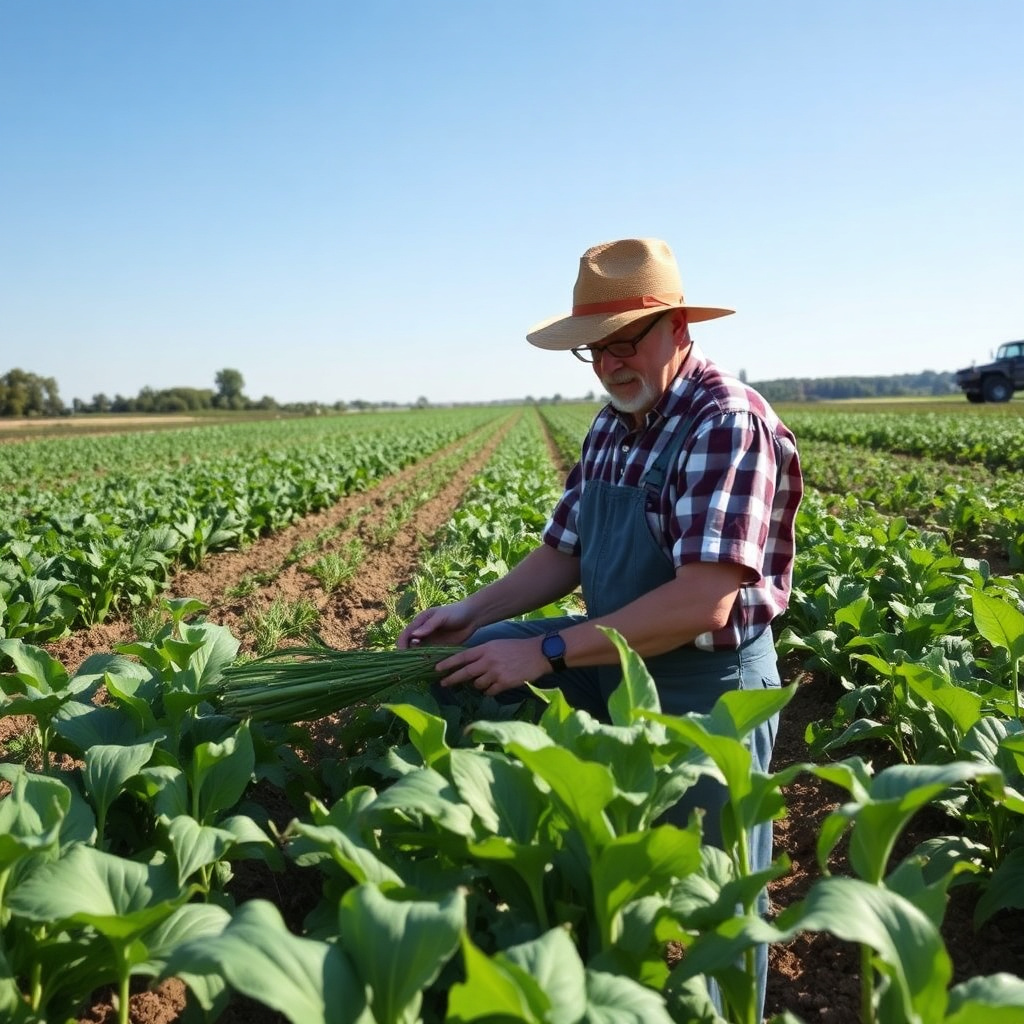
Non GMO seeds may sometimes produce lower yields compared to their genetically modified counterparts engineered for higher productivity or pest resistance. Crop losses can occur if natural resistance is insufficient against pests or diseases.
Farmers must often implement integrated pest management strategies and choose varieties suited to local conditions to mitigate these risks.
For more on this, see our related guide: How to Read a Seed Catalog: A Complete Guide for Gardeners.
Seed Availability and Cost
Non GMO seeds can be less commercially widespread than GMO seeds, affecting availability and price. This is especially true for hybrid or heirloom varieties.
Costs may vary depending on seed type, region, and certification status, so growers need to evaluate economic viability carefully.
How to Identify and Source Non GMO Seeds
Certification Labels and Verification
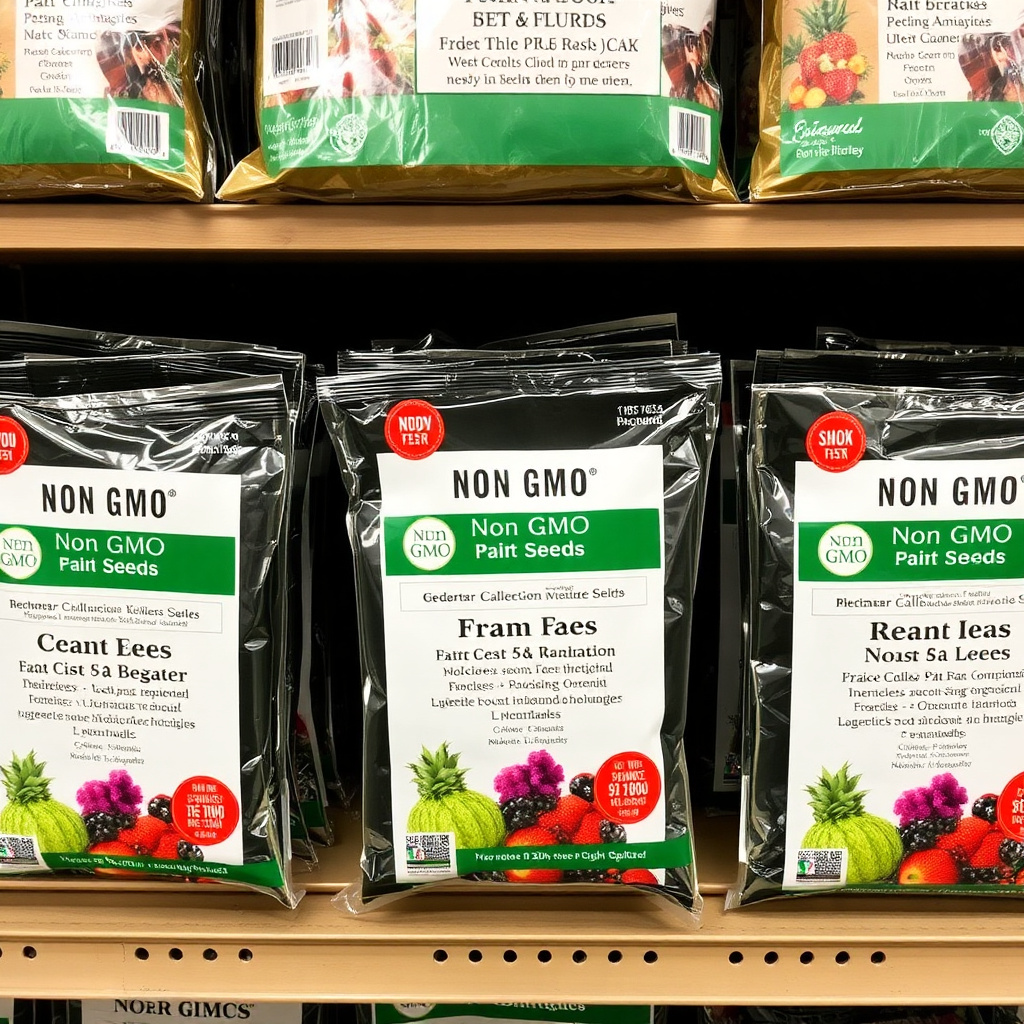
Look for trusted non GMO certification labels when choosing seeds. These certifications verify that seeds have not been genetically engineered and are free from GMO contamination.
Organizations like the Non-GMO Project provide verification processes and use recognizable seals that assure growers and consumers of the seed’s non GMO status.
Choosing Seed Suppliers
Select reputable seed suppliers who specialize in non GMO and heirloom varieties. Local seed banks and organic farms often offer quality non GMO seeds adapted to regional conditions.
Direct communication with suppliers about seed origin and practices can help confirm authenticity and help you access diverse seed options.
Applications and Uses of Non GMO Seeds

Home Gardening and Small-Scale Farming
Non GMO seeds are favored by many home gardeners who seek natural growth without genetic alterations. They allow gardeners to save seeds from year to year, preserving plant varieties.
Such seeds support organic gardening practices and help maintain genetic diversity in backyard agriculture.
For more on this, see our related guide: What Are Regular Seeds? Understanding Their Role in Gardening.
Commercial Agriculture and Crop Production
Some commercial farms use non GMO seeds to meet consumer demand for non GMO food products or to practice crop rotation with natural varieties.
These seeds can fit well into sustainable agriculture models focused on reducing chemical inputs and supporting ecosystem services.
Non GMO Seeds in the Context of Global Agriculture
Impact on Food Security
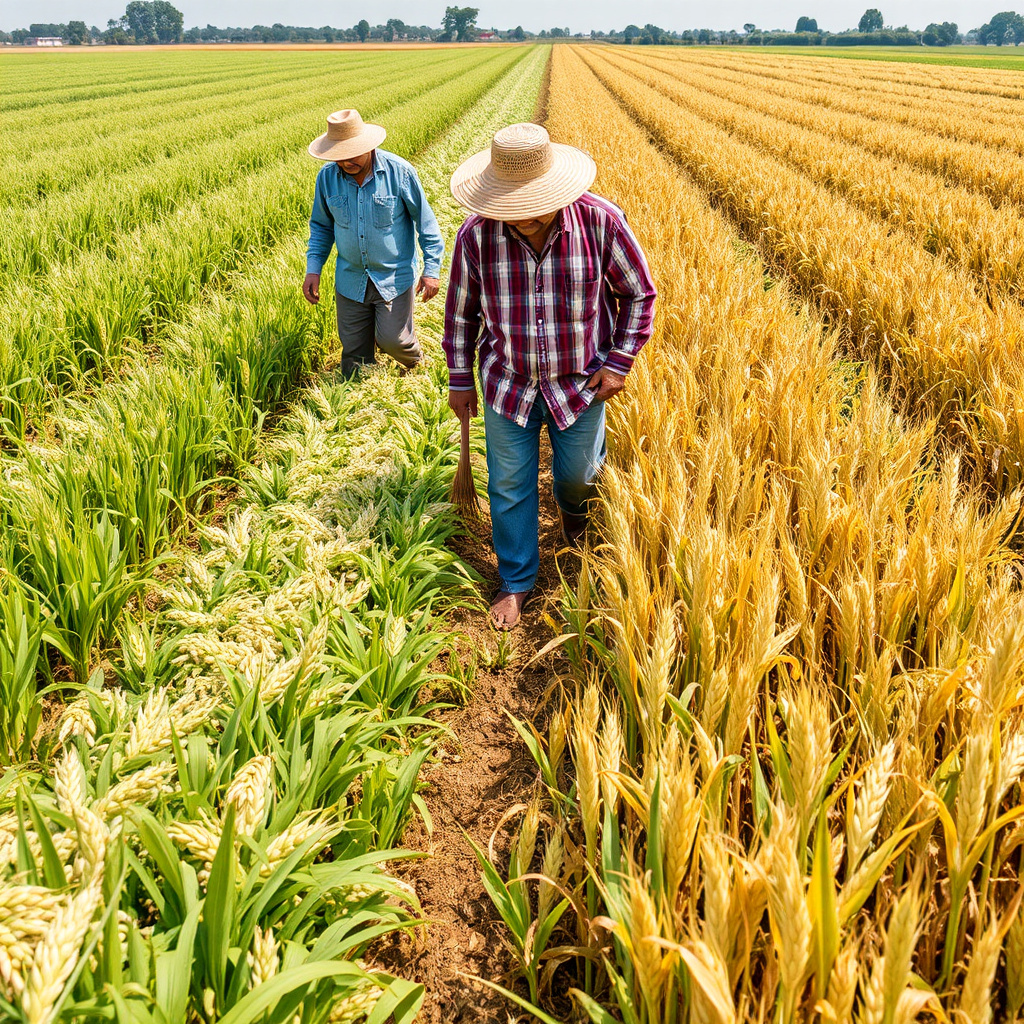
Non GMO seeds contribute to food security by preserving traditional crop varieties resilient to local stresses. Genetic diversity safeguards against crop failures and supports long-term agricultural stability.
However, limitations in yield and pest resistance can challenge meeting global food demands without integrating other agricultural innovations.
For more background on the differences between GMO and non GMO seeds, the Wikipedia article on genetically modified organisms offers a detailed overview. Wikipedia article on genetically modified organisms.
Regulatory and Trade Considerations
Different countries have varying regulations on GMO and non GMO seeds affecting trade and seed accessibility. Understanding local laws is essential for growers importing or exporting seeds.
Non GMO seeds often face fewer legal restrictions, but documentation and certification remain important for international markets.
Non GMO Seeds Category Comparison
This table compares common categories of non GMO seeds based on yield potential, cost, pest resistance, and typical uses to help growers make informed choices.
| Seed Category | Yield Potential | Cost | Pest Resistance | Typical Use |
|---|---|---|---|---|
| Heirloom Seeds | Moderate | Low to Moderate | Low | Home gardening, niche markets |
| Open-Pollinated Seeds | Moderate | Low | Moderate | Small-scale farming, saving seeds |
| Hybrid Non GMO Seeds | High | Moderate to High | Moderate to High | Commercial farming |
| Organic Certified Seeds | Variable | Moderate | Variable | Organic farming |
| Local Landrace Varieties | Variable | Low | High (adapted traits) | Preserving biodiversity, traditional agriculture |
Frequently Asked Questions
Are non GMO seeds safer to eat than GMO seeds?
Non GMO seeds themselves are not consumed directly; their safety relates more to resulting crops. Scientific consensus generally considers GMO crops as safe as non GMO ones, but some consumers prefer non GMO for natural origin.
Can I save non GMO seeds from my harvest?
Yes, non GMO seeds can often be saved and replanted, especially open-pollinated and heirloom varieties. This supports seed sovereignty and biodiversity.
Do non GMO seeds require more pesticides?
Sometimes yes, because they lack engineered pest resistance traits found in some GMO seeds. However, integrated pest management and resistant varieties can minimize pesticide use.
Are non GMO seeds more expensive than GMO seeds?
Costs vary widely. Some non GMO seeds like heirlooms can be less expensive, but specialty or certified non GMO seeds may cost more due to limited production.
How can I verify if seeds are truly non GMO?
Check for official certification labels from reputable organizations, ask suppliers about seed origin, and choose seeds from trusted sources to ensure non GMO status.
Key Takeaways
- Non GMO seeds are not genetically engineered and come from traditional breeding methods.
- Choosing non GMO seeds supports biodiversity and certain consumer preferences.
- They may require more careful pest and yield management compared to GMO seeds.
- Certification and supplier reputation help verify non GMO seed authenticity.
Conclusion
Deciding whether to use non GMO seeds depends on balancing goals like environmental sustainability, product marketing, and agricultural practicality. Understanding what non GMO seeds are and how they differ from genetically modified options helps growers make thoughtful choices tailored to their farming systems and market demands. Consider how seed characteristics align with local growing conditions and crop management approaches.
For gardeners and small-scale farmers seeking natural seed varieties, heirloom and open-pollinated non GMO seeds offer valuable benefits in biodiversity, seed saving, and organic compatibility. Commercial producers aiming for higher yields can explore hybrid non GMO seeds and organic certified options as alternatives to genetically engineered counterparts, particularly when serving non GMO markets.
The best next step is to research seed sources carefully, check for verified non GMO certifications, and evaluate the potential trade-offs based on your specific context. Engaging with local seed networks and agricultural advisors can also provide tailored support in choosing non GMO seeds that meet your needs effectively.