Nutrients That Make Chia Seeds Healthy
Many people struggle with finding easy, nutritious ways to boost their health daily. If you’re looking for a simple addition to your diet, chia seeds might be just what you need.
Chia seeds are packed with nutrients that boost your health, including fiber for digestion and satiety, omega-3 fatty acids to support your heart and reduce inflammation, and essential minerals like calcium and magnesium for strong bones.
They also provide about 4 grams of protein per ounce to help muscle repair, along with antioxidants and phytochemicals that strengthen your immune system.
To get the most benefits and avoid potential issues, keep exploring how to incorporate them wisely.
Key Takeaways
- Rich in dietary fiber that promotes digestion, satiety, and gut health.
- High in omega-3 fatty acids (ALA) that support brain and heart health.
- Loaded with antioxidants like quercetin and chlorogenic acid that fight oxidative stress.
- An excellent source of essential minerals such as calcium and magnesium for strong bones and muscles.
- Contains plant-based protein, which helps with muscle repair and overall nutrition.
What Makes Chia Seeds a Superfood?
Chia seeds are considered a superfood because they pack a powerful punch of nutrients in a tiny package. Their superfood status comes from the incredible chia benefits they offer, making them a popular addition to many diets.
These tiny seeds are rich in fiber, omega-3 fatty acids, protein, and antioxidants, all of which support your overall health. The high fiber content helps with digestion and keeps you feeling full longer, which can aid in weight management.
Omega-3s promote heart health, while antioxidants fight free radicals and reduce inflammation. Because they’re nutrient-dense yet low in calories, chia seeds give you a lot of nutritional value for a small serving.
Their versatility and impressive nutrient profile are what make them a superfood. Adding chia seeds to your meals can boost your energy, support your immune system, and improve your overall well-being.
It’s no wonder they’re celebrated as a true superfood.
The Key Nutrients Found in Chia Seeds
Chia seeds are full of important nutrients that can really boost your health. They’re especially rich in Omega-3 fatty acids, which are great for your brain and heart. Plus, they’re high in dietary fiber, helping you stay full and support healthy digestion. And let’s not forget, they’re loaded with antioxidants that help protect your body from free radicals. All these key nutrients make chia seeds a fantastic and powerful addition to your diet.
Rich in Omega-3s
Despite their small size, chia seeds are a powerful source of omega-3 fatty acids, essential fats that your body can’t produce on its own. These healthy fats support brain health, reduce inflammation, and promote heart health.
Chia oil benefits are notable because they contain a high concentration of alpha-linolenic acid (ALA), a type of omega-3. As one of the best omega-3 sources, chia seeds offer a plant-based way to boost your intake.
Including chia seeds in your diet can help improve overall well-being and reduce the risk of chronic diseases. Their versatility makes it easy to add omega-3s to smoothies, yogurt, or oatmeal.
High in Dietary Fiber
High in dietary fiber, chia seeds are a powerful tool for supporting digestion and maintaining a healthy gut. The fiber benefits in chia seeds help regulate bowel movements, prevent constipation, and promote overall digestive health.
When you include chia seeds in your diet, you add a soluble fiber that absorbs water and forms a gel-like substance, easing the passage of food through your digestive system. This not only improves nutrient absorption but also keeps your digestive tract functioning smoothly.
The high fiber content also helps you feel full longer, which can aid in weight management. Incorporating chia seeds into your meals is an easy way to boost your fiber intake, ensuring your digestive health stays strong and balanced for the long term.
Packed With Antioxidants
Because they are rich in antioxidants, chia seeds help protect your body from free radical damage, which can contribute to aging and chronic diseases. They’re packed with antioxidant sources like flavonoids, chlorogenic acids, and caffeic acid, all of which provide significant antioxidant benefits.
These compounds neutralize harmful free radicals, reducing oxidative stress in your cells. Eating chia seeds regularly can boost your body’s natural defenses and promote overall health.
The antioxidants in chia seeds may also improve skin health and support your immune system. By adding chia seeds to your diet, you’re getting a powerful source of antioxidants that help with long-term wellness and fighting the effects of aging.
How Omega-3 Fatty Acids in Chia Seeds Support Heart Health
Omega-3 fatty acids in chia seeds play an essential role in supporting your heart health by reducing inflammation and lowering the risk of cardiovascular disease. These healthy fats are a key omega source, helping to regulate blood pressure and improve overall heart function.
When you include chia seeds in your diet, you’re providing your body with alpha-linolenic acid (ALA), a plant-based omega-3. This is linked to decreased levels of bad cholesterol (LDL) and increased good cholesterol (HDL).
This balance helps prevent plaque buildup in your arteries, reducing the chances of heart disease. Unlike some omega sources from fish, chia seeds are a plant-based option suitable for vegetarians and vegans.
Regularly eating chia seeds can support your heart by promoting healthy blood flow and keeping your arteries flexible. Incorporating these tiny seeds into your meals is a simple, effective way to boost your heart health naturally.
Why Fiber in Chia Seeds Is Great for Digestion
The fiber in chia seeds is pretty amazing for your digestion. It helps keep things moving smoothly and regularly, which is always a good thing. Plus, it promotes the growth of good bacteria in your gut, supporting overall gut health. So, adding chia seeds to your diet can really make a positive difference in how comfortable your digestion feels.
Enhances Digestive Regularity
Chia seeds are known for their high fiber content, which helps keep your digestion regular. The fiber adds bulk to your stool, making it easier for it to pass through your digestive system.
They also support probiotic health by creating a good environment for beneficial gut bacteria, helping your digestion even more. The soluble fiber in chia forms a gel-like substance that slows down digestion.
This gives your digestive enzymes more time to break down food efficiently. As a result, it helps prevent constipation and keeps your bowel movements regular.
Adding chia seeds to your diet is a natural way to improve digestive regularity. They help your gut function smoothly and reduce discomfort.
Their unique combo of fiber and supportive properties makes chia seeds a powerful tool for maintaining steady digestion.
Promotes Gut Health
Because of their high soluble fiber content, chia seeds create a nurturing environment for beneficial gut bacteria. This is essential for overall digestive health. The fiber acts as a prebiotic, offering probiotic benefits that support the growth of healthy gut flora.
As these friendly bacteria thrive, they help break down food more efficiently and improve nutrient absorption. Chia seeds also contain digestive enzymes that assist in breaking down complex carbs and proteins, making digestion easier.
This combo of soluble fiber and digestive enzymes promotes regularity and reduces bloating. Maintaining a healthy balance of gut bacteria with chia seeds can boost your immune system and overall well-being.
Adding them to your diet is a natural way to give your gut health a big boost.
Minerals in Chia Seeds: Calcium and Magnesium Benefits
Minerals like calcium and magnesium are essential for your overall health, and chia seeds are a fantastic source of both. Calcium is key for strong bones and teeth, and eating chia seeds can help your body absorb calcium better, supporting your skeletal health.
Magnesium helps regulate muscle and nerve function, blood sugar, and blood pressure. Since magnesium comes from various foods, chia seeds are an easy way to naturally boost your intake.
Adding chia seeds to your diet can increase your mineral intake without much effort. These tiny seeds are packed with nutrients that promote overall well-being, especially for healthy bones and muscles.
Including chia seeds regularly in your meals ensures you get essential minerals that support many bodily functions. They’re a smart choice for maintaining a balanced diet and overall health.
Antioxidants in Chia Seeds and How They Fight Oxidative Stress
The antioxidants in chia seeds help protect your body from oxidative stress, which can damage cells and lead to aging and chronic diseases. By neutralizing free radicals, these antioxidants support your cellular health and overall well-being. Including chia seeds in your diet boosts your body’s ability to fight oxidative stress effectively.
Here are three main antioxidants in chia seeds:
- Quercetin reduces inflammation and oxidative damage.
- Chlorogenic acid supports immune function and helps with cellular repair.
- Caffeic acid fights free radicals and protects tissues.
Together, these compounds help keep your cells healthy, reduce the risk of age-related decline, and promote long-term health. Eating chia seeds is a natural way to strengthen your body’s defenses against oxidative stress, keeping your cells healthier and more resilient.
Protein in Chia Seeds: Supporting Muscle Growth and Repair
Protein in chia seeds plays an essential role in supporting muscle growth and repair, making them a valuable addition to your diet. They’re a convenient plant-based protein source that helps with muscle recovery after workouts. Chia seeds contain about 4 grams of protein per ounce, making it easy to boost your daily intake.
Unlike some other protein sources, they’re also rich in fiber, omega-3s, and antioxidants, which support overall health. Including chia seeds in your meals can help with muscle repair without relying only on animal products. You can add them to smoothies, yogurt, or oatmeal for a quick protein boost.
Here’s a quick overview of chia seeds as a protein source:
| Feature | Benefits | How to Use |
|---|---|---|
| Protein Content | Supports muscle growth | Mix into smoothies |
| Muscle Recovery | Aids repair process | Sprinkle on salads |
| Plant-Based Source | Suitable for vegans/vegetarians | Add to oatmeal |
| Fiber & Omega-3s | Improves overall health | Incorporate into snacks |
| Easy to Digest | Gentle on your stomach | Use in baking |
Phytochemicals in Chia Seeds That Boost Your Immunity
Chia seeds are packed with phytochemicals that can give your immune system a nice boost. They help fight off free radicals and cut down on oxidative stress, which is pretty important for keeping your cells healthy. Basically, these compounds act as antioxidants, protecting your cells from damage and helping your body stay strong.
Adding chia seeds to your diet is a simple way to get more immune-boosting nutrients. Plus, they support your overall health, so it’s a win-win!
Antioxidant Properties Enhance Immunity
Since chia seeds are packed with powerful phytochemicals, they can play a big role in boosting your immune system. Their antioxidant properties help your immune response by neutralizing harmful free radicals and reducing oxidative stress.
This antioxidant synergy makes your body better at defending against infections. To get the most out of these benefits, try to:
- Eat chia seeds regularly to keep your antioxidant intake steady.
- Mix chia seeds with other antioxidant-rich foods for even better immune support.
- Remember, these phytochemicals work together to strengthen your body’s defenses, not just on their own.
Phytochemicals Fight Free Radicals
The phytochemicals in chia seeds actively fight free radicals that can damage your cells and weaken your immune system. These compounds, like flavonoids and phenolic acids, help by neutralizing harmful molecules.
The antioxidant synergy from these phytochemicals boosts your body’s ability to fight oxidative stress, lowering the risk of chronic diseases. Unlike isolated antioxidants, the natural mix in chia seeds offers a broader, more effective defense.
Eating chia seeds regularly lets you tap into these protective phytochemicals, naturally strengthening your immune response. Their unique blend supports overall health and helps maintain cellular integrity, keeping you healthier longer.
Immune-Boosting Nutrients in Chia
Among the many nutrients in chia seeds, certain phytochemicals stand out for their immune-boosting properties. These compounds work together with nutrients to strengthen your body’s defenses.
Chia seeds contain flavonoids, phenolic acids, and lignans, each playing a crucial role. Flavonoids help reduce inflammation and improve immune responses.
Phenolic acids fight oxidative stress, which helps protect your immune cells. Lignans support hormone balance and also have antimicrobial effects.
How to Incorporate Chia Seeds for Maximum Nutrient Absorption
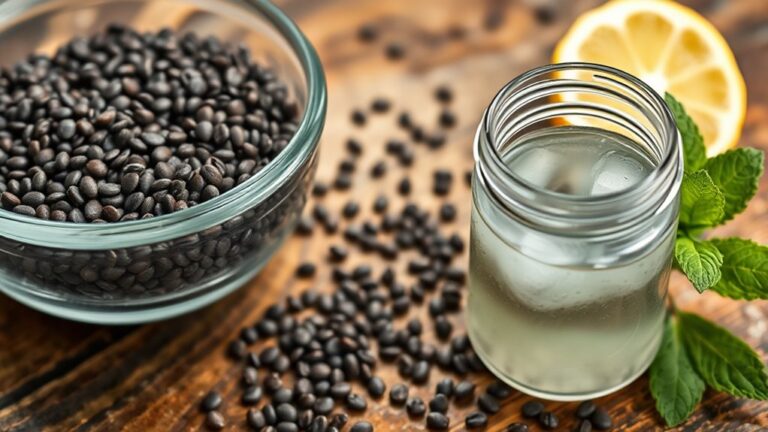
To get the most nutrients from chia seeds, it’s important to prepare and eat them the right way. Soaking chia seeds in water or milk before eating helps activate enzymes that make them easier to digest and unlock their nutrients.
You can easily add soaked chia seeds to smoothies, which boosts their nutritional value and improves texture. Mixing them into smoothies helps your body absorb omega-3s, fiber, and protein more efficiently.
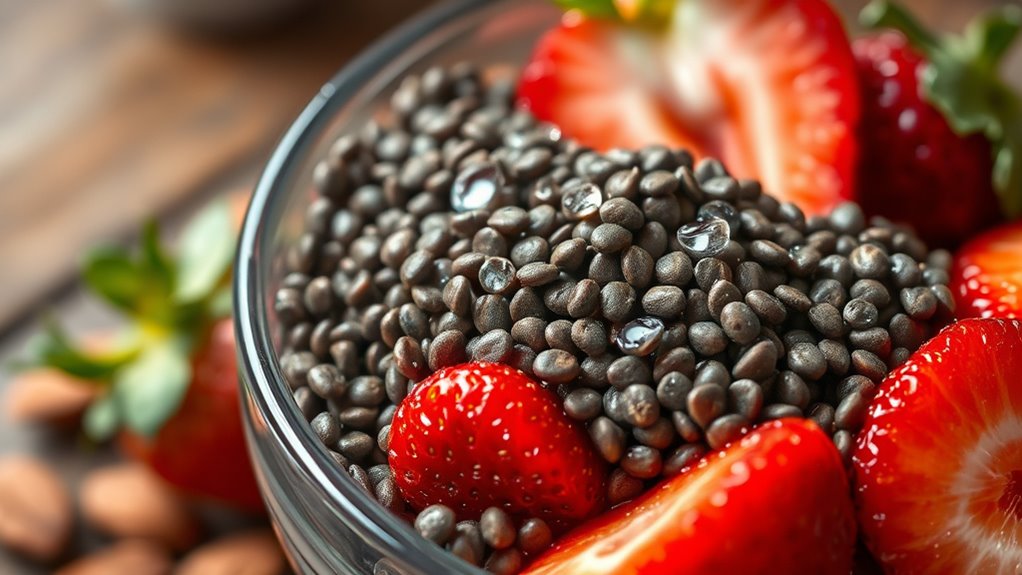
Another great option is making chia pudding by soaking the seeds overnight. This softens the seeds and makes nutrients more bioavailable. Be sure to stir well so the seeds don’t clump and nutrients are evenly absorbed.
Adding a splash of lemon juice or a little honey can make the flavor better and aid digestion. Remember, eating chia seeds with healthy fats like nuts or avocado can further improve nutrient absorption.
Proper preparation really helps you enjoy all the health benefits chia seeds have to offer. They’re a versatile and nutritious addition to your diet.
Are There Any Nutritional Limits or Considerations When Eating Chia Seeds?
Is there a limit to how much chia seeds you should eat? Yes, while they’re nutritious, moderation is important. Eating too many can throw off your nutrient balance.
The general recommendation is to stick to about 1-2 tablespoons daily. Here are some things to keep in mind:
- Digestive issues: Too much chia can cause bloating or constipation because of its high fiber content.
- Calorie intake: Eating large amounts adds extra calories, which might affect your weight goals.
- Potential nutrient interactions: Excessive seeds could interfere with the absorption of minerals like calcium and iron.
Frequently Asked Questions
Can Chia Seeds Help With Weight Loss Efforts?
Yes, chia seeds can support your weight loss efforts. Their benefits include high fiber content, which helps you feel full longer and reduces overeating.
The combination of healthy fats and protein boosts metabolism and stabilizes blood sugar levels.
You can easily add chia seeds to smoothies, yogurt, or oatmeal. This simple step can help curb hunger, promote satiety, and improve your overall weight management journey.
Are There Any Allergies Associated With Chia Seed Consumption?
Chia seed allergies are rare but possible. If you’re allergic, you might experience symptoms like itching, swelling, or difficulty breathing after eating chia seeds.
It’s important to watch for these signs, especially if you’re trying them for the first time. If you notice any allergy symptoms, stop consuming chia seeds right away and see a healthcare professional.
Always introduce new foods gradually so you can see how your body reacts.
How Do Chia Seeds Compare to Other Superfoods Nutritionally?
Imagine you’re comparing chia seeds to acai berries; both are popular superfoods, but their nutrients differ. Chia seeds are rich in fiber, omega-3s, and protein, making them a versatile addition to your diet.
In a superfood comparison, chia’s high fiber helps with digestion, while acai provides antioxidants. Overall, chia seeds offer a balanced nutrient profile, making them a valuable, nutrient-dense choice compared to many other superfoods.
What Is the Best Way to Store Chia Seeds to Maintain Their Nutrients?
To keep your chia seeds fresh and nutrient-rich, store them in airtight containers in a cool, dark spot.
Avoid exposure to sunlight, heat, and humidity since these can break down their nutrients.
Using opaque containers helps keep their quality intact longer.
Are Chia Seeds Suitable for People on Specific Dietary Restrictions?
Chia seeds are a versatile addition for many dietary restrictions, making them a good fit for various diets. They offer benefits like fiber, omega-3s, and protein, supporting your health goals.
Whether you’re vegetarian, vegan, gluten-free, or following a low-carb plan, you can include chia seeds without worry. They’re a small but mighty food that can help bridge dietary gaps and promote inclusivity.
Proving that good things come in small packages, chia seeds can easily fit into a wide range of eating styles.
Conclusion
By adding chia seeds to your diet, you unlock a treasure trove of nutrients that power your body like a true champion. These tiny seeds are packed with omega-3s, fiber, minerals, and protein, making a big difference in your health.
Just a sprinkle can turn a simple meal into a nutritious feast. They’re easy to add to smoothies, yogurt, or salads—whatever you enjoy most.
Welcome chia seeds and watch your wellness soar. Incorporating them into your routine is a simple step toward better health, and your body will thank you more than words can say!