How to Water Plants from the Bottom: A Practical Guide
To water plants from the bottom, place the pot in a shallow tray filled with water and allow the plant to absorb moisture through its drainage holes over 15 to 30 minutes. This method naturally encourages roots to grow downward and helps avoid overwatering by letting the soil soak up only what it needs.
Many gardeners prefer bottom watering because it targets the plant’s root system directly while reducing surface moisture that can cause fungal problems or attract pests. It’s especially useful for plants that don't like wet leaves or inconsistent watering, such as African violets or orchids.
This article will cover the step-by-step process of bottom watering plants, outline the necessary tools, discuss ideal plant types for this method, explain common mistakes to avoid, and offer tips for integrating bottom watering into your routine effectively.
Understanding Bottom Watering: Why It Works
How Bottom Watering Benefits Plant Health
Watering from the bottom helps encourage strong root growth by attracting roots downward toward moisture. It also decreases the chance of watering-related diseases since the soil surface remains dry and discourages fungus or mold.
This technique prevents overwatering by delivering water gradually, allowing soil to absorb only the amount it can hold. This reduces root rot risk and maintains better oxygen levels around roots.
- Promotes deep root development
- Prevents soil surface fungal growth
- Limits overwatering and root rot
How Roots Absorb Water During Bottom Watering
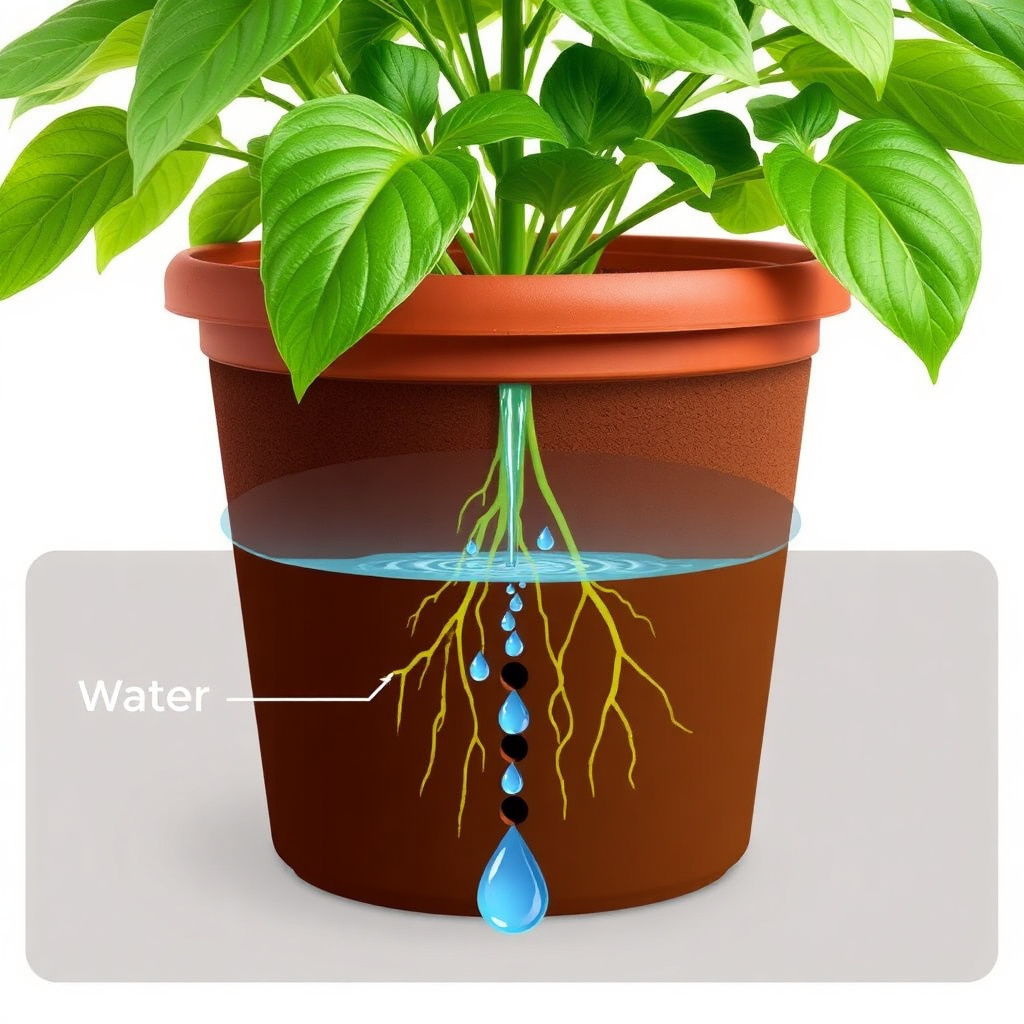
Roots take in water through capillary action when moist soil holds water tightly around the particles. By placing a plant’s pot in water, the moisture travels upward through the drainage holes to the drying soil surface.
This slow absorption mimics natural soaking from rain or dew and helps maintain more consistent soil moisture, which is crucial for plant stability and nutrient uptake.
Necessary Equipment and Setup for Bottom Watering
Choosing the Right Containers and Trays
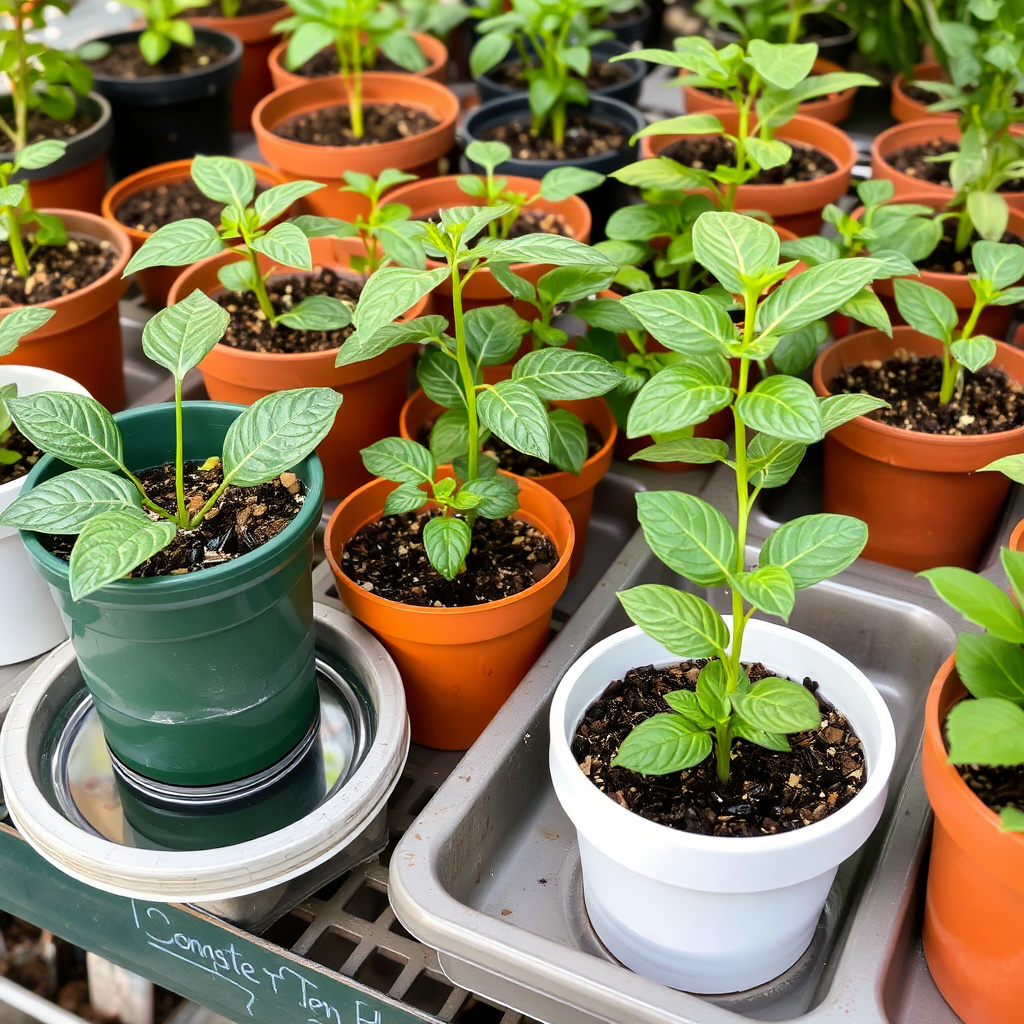
Use pots with drainage holes to allow water to reach the roots when placed in water. Avoid solid-bottomed pots, as water will pool and create root rot risk.
Shallow trays or saucers just wide enough to hold the base of the pot work best. They should hold water between 1 to 2 inches high, depending on the pot size, for proper absorption.
- Pots with adequate drainage
- Shallow trays or saucers
- Water-resistant materials preferred
Additional Tools to Monitor Moisture
A moisture meter can help verify when soil has taken up enough water during bottom watering, preventing over-saturation.
Timer switches or reminders help maintain a consistent watering schedule, especially when adopting new techniques.
- Moisture meter for accurate reading
- Timers or smartphone reminders
Step-by-Step Guide to Bottom Watering Plants
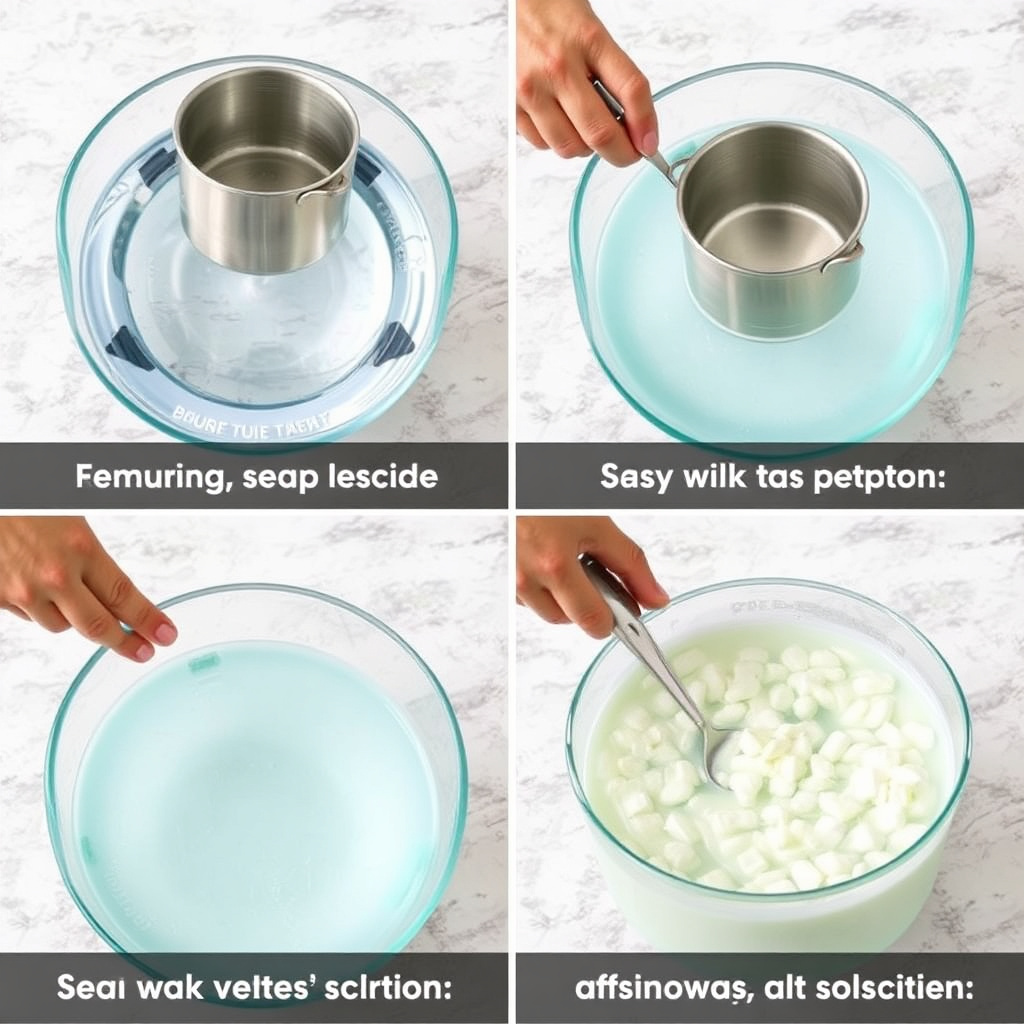
Preparing to Water Your Plants
Start by filling your shallow tray or saucer with room temperature water. Avoid extremely cold or hot water, which can shock roots.
Place the plant pot gently into the water, ensuring that the drainage holes are submerged but the soil surface remains above water level.
- Fill tray with lukewarm water
- Submerge pot drainage holes only
For more on this, see our related guide: How to Prevent Root Rot in Plants: Effective Strategies for Healthy Growth.
Soaking and Monitoring Soil Moisture
Allow the pot to sit in the water for 15 to 30 minutes, depending on the pot size and soil dryness. Monitor moisture with a meter or touch the soil surface.
Once the soil feels evenly moist but not soggy, lift the pot out and let excess water drain away. Avoid leaving pots in standing water long-term to prevent root damage.
- Soak for 15-30 minutes
- Remove and drain excess water
Choosing Plants That Thrive with Bottom Watering
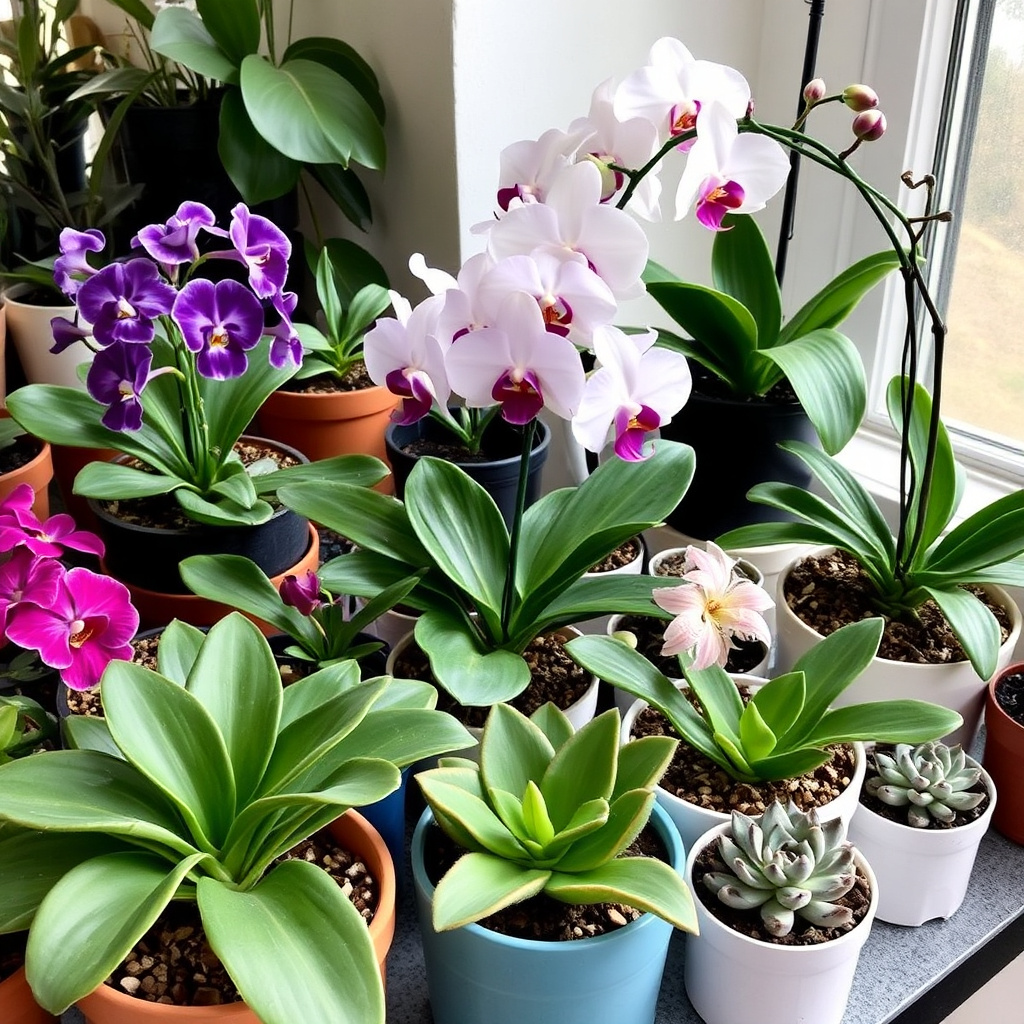
Ideal Plant Types for Bottom Watering
Plants sensitive to leaf wetness, like African violets, benefit from bottom watering since their leaves remain dry. Orchids and ferns also respond well to this method because it replicates natural watering conditions.
Succulents generally don't require frequent bottom watering but can benefit if done sparingly to prevent overwatering from the top.
- African violets and orchids
- Ferns and moisture-sensitive plants
- Succulents with careful timing
Plants Less Suitable for Bottom Watering
Large plants with dense, heavy soil often require top watering for thorough hydration, as water may not reach all root areas through the drainage holes alone.
Plants without drainage holes or in decorative pots that do not allow water to exit may suffer root rot and should be watered from the top.
- Large plants with compact soil
- Pots lacking drainage holes
Common Bottom Watering Mistakes and How to Avoid Them
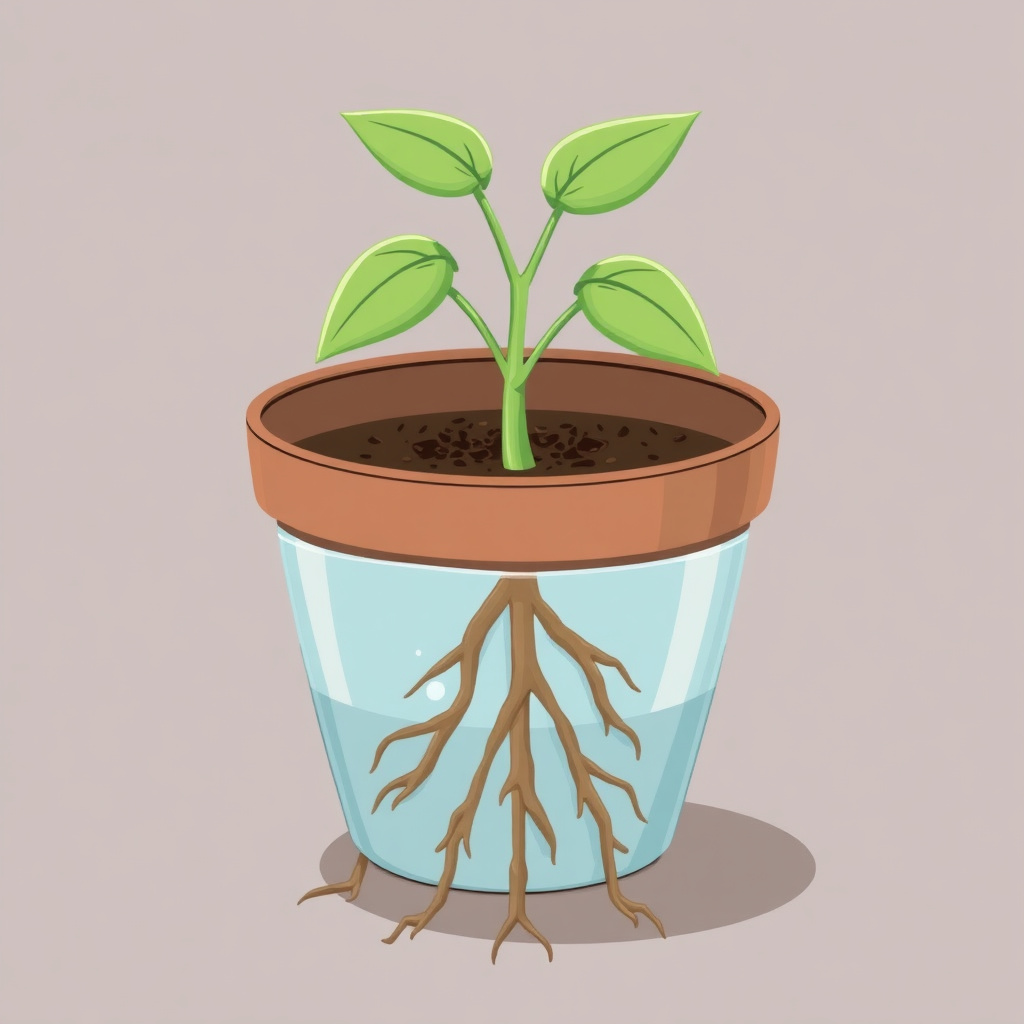
Over-Soaking and Root Rot Risks
Leaving pots sitting in water for hours encourages roots to become waterlogged and suffocate. Always limit soaking time and allow soil to dry partially between waterings.
Avoid stagnant water buildup in trays by emptying excess after watering and regularly cleaning containers to reduce bacterial growth.
- Limit soaking to 30 minutes max
- Empty trays after watering
- Clean trays regularly
For more on this, see our related guide: How Much Water Do Seeds Need to Germinate: A Practical Guide.
Ignoring Moisture Levels and Signs
Not checking soil moisture can lead to either underwatering or overwatering. Use a moisture meter or finger test routinely.
Watch for yellow leaves or wilting as signs you need to adjust your watering schedule.
- Use moisture meters
- Monitor plant health indicators
Integrating Bottom Watering into Your Plant Care Routine

Scheduling and Frequency Tips
Frequency depends on plant type, pot size, and environment. Generally, bottom watering once a week works well for many houseplants, but adjust based on dryness of the soil.
Consistent schedules help maintain healthy roots and plant vigor, so set reminders or calendars.
- Water weekly or as needed
- Adjust based on soil dryness
For a detailed overview of watering methods and plant-soil interactions, visit this page on the bottom watering technique explained. bottom watering technique explained.
Combining Bottom Watering with Other Techniques
Occasionally topping up moisture from above can help flush salts from fertilizers. Bottom watering pairs well with misting or humidity trays for tropical plants.
Rotate watering methods seasonally, as some plants need different approaches during growth or dormancy phases.
- Use occasional top watering
- Pair with humidity management
Bottom Watering Methods Category Comparison
Here's a comparison of popular bottom watering methods to help you choose the best approach for your plants and setup.
| Method | Tool Required | Watering Time | Best For | Ease of Use |
|---|---|---|---|---|
| Tray Soaking | Shallow tray/saucer | 15-30 minutes | Small-medium potted plants | Easy |
| Wicking Systems | Wick material and reservoir | Continuous moisture supply | Orchids, African violets | Moderate |
| Self-Watering Pots | Built-in reservoir | Automatic watering | Busy gardeners, tropical plants | Very Easy |
| Capillary Matting | Absorbent mat and tray | Continuous moisture | Multiple small pots | Moderate |
Frequently Asked Questions
Can all plants be watered from the bottom?
Not all plants suit bottom watering; plants without drainage holes or those needing thorough soil saturation may prefer top watering instead.
How often should I bottom water my indoor plants?
Most indoor plants benefit from bottom watering once a week, but check soil moisture and plant type to adjust frequency.
Does bottom watering reduce the risk of fungal diseases?
Yes, bottom watering keeps soil surfaces dry, reducing fungal growth risks related to wet leaves and surface moisture.
What should I do if my pot doesn't have drainage holes?
If your pot lacks drainage holes, avoid bottom watering to prevent root rot; consider repotting into a container with proper drainage.
Can bottom watering cause overwatering?
Overwatering can occur if pots sit too long in water; always limit soaking times and let excess water drain fully.
Key Takeaways
- Bottom watering encourages healthy root growth and reduces surface diseases.
- Use pots with drainage holes and shallow trays to apply water effectively.
- Limit soaking time to avoid root rot and monitor soil moisture regularly.
- Best suited for plants that dislike wet leaves like African violets and orchids.
Conclusion
Deciding to water plants from the bottom revolves around understanding your plant’s needs and your watering environment. This method focuses moisture uptake through roots while preventing common issues like surface mold or leaf diseases. Timing and careful observation of soil moisture levels make all the difference in utilizing this technique successfully.
Plants such as African violets and orchids benefit greatly from bottom watering, as do those sensitive to leaf wetness. Tools like shallow trays and moisture meters enhance the process, making it simple to fit into weekly plant care routines. Conversely, large plants or those lacking drainage holes may require alternate methods like top watering for complete hydration.
To start bottom watering, prepare a shallow tray with lukewarm water, submerge your pot briefly, and monitor moisture levels. Combine this with occasional top watering if needed and adjust frequency depending on plant response. This practical approach optimizes hydration, root development, and overall plant health in indoor gardening.