How to Plant Seeds in Pots for a Thriving Indoor Garden
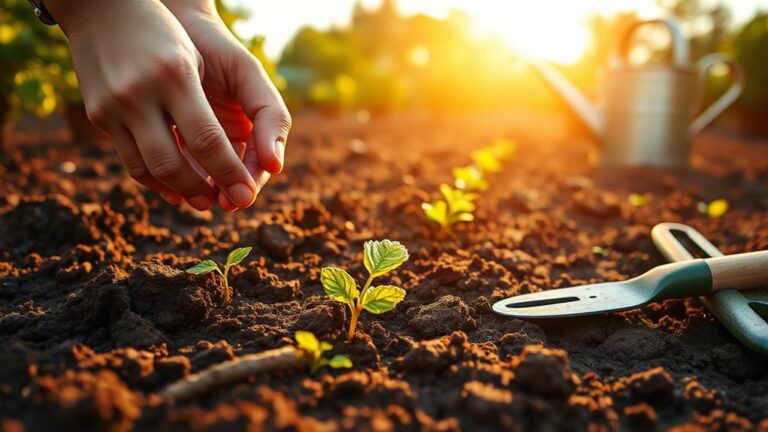
Planting seeds in pots is a straightforward way to grow plants indoors or in small outdoor spaces. To start, select a suitable pot with drainage holes, fill it with quality potting mix, sow your seeds according to their depth requirements, water gently, and keep the container in a warm spot with sufficient light. This method allows precise control over growing conditions, leading to better germination and seedling health.
Understanding how to plant seeds in pots matters because it gives you the flexibility to grow herbs, vegetables, flowers, or houseplants year-round, even without a traditional garden bed. It also lets gardeners manage soil quality, moisture, and temperature more accurately, reducing risks like overwatering or pest exposure common in open soil planting.
This article will explore choosing the right pots and soil, the process of seed sowing, watering and lighting needs, common challenges and troubleshooting, as well as tips to transition seedlings from pots to larger containers or outdoor garden beds.
Selecting the Right Pots and Soil for Seed Planting

Choosing Pots with Proper Drainage
It is key to use pots that have drainage holes to prevent water from accumulating around the seeds. Excess water can cause seed rot or fungal problems. Materials like plastic, terra cotta, or biodegradable peat pots each have pros and cons regarding moisture retention and breathability.
Smaller pots, such as 3-4 inch diameter containers, are ideal for starting most seeds. They provide enough room for roots without overwhelming the seed with soil volume, which could retain too much moisture.
- Look for drainage holes on the bottom
- Consider pot material based on moisture needs
- Avoid overly large pots at seed stage
Selecting Quality Potting Soil
Use a light, well-draining potting mix specially designed for seed starting. These mixes are often sterile and finer-textured to allow easy root penetration and reduce disease risk. Avoid garden soil as it is usually too dense and can harbor pathogens.
You can also add amendments like perlite or vermiculite to improve aeration and drainage. A balanced mix keeps moisture consistent but prevents sogginess that harms seeds.
- Prefer seed starting potting mix over garden soil
- Incorporate perlite or vermiculite if needed
- Avoid heavy or clay-based soils
Sowing Seeds: Techniques to Ensure Germination

Proper Seed Depth and Spacing
Follow the seed packet instructions for planting depth; as a general rule, plant seeds about twice as deep as their size. Planting too deep can prevent emergence, while too shallow might dry out seeds quickly.
Spacing is important to allow sufficient airflow and root growth once seedlings sprout. Crowding seeds can lead to weaker seedlings and increase disease risk.
- Plant seeds at twice their diameter depth
- Leave enough space between seeds for airflow
- Thin seedlings if they become overcrowded
Gently Covering and Watering Seeds
Lightly cover seeds with soil and firm it gently without compacting to maintain air pockets. Use a fine mist spray or watering can with a delicate spout to moisten soil evenly without washing away seeds.
Keep the soil consistently moist but not waterlogged during germination. Daily checks help maintain ideal moisture, which is critical for seedling success.
- Use gentle watering methods to avoid disturbing seeds
- Maintain consistent moisture without saturation
- Avoid letting seedbed dry out
Watering and Lighting Requirements for Seedlings

Maintaining Moisture Levels After Germination
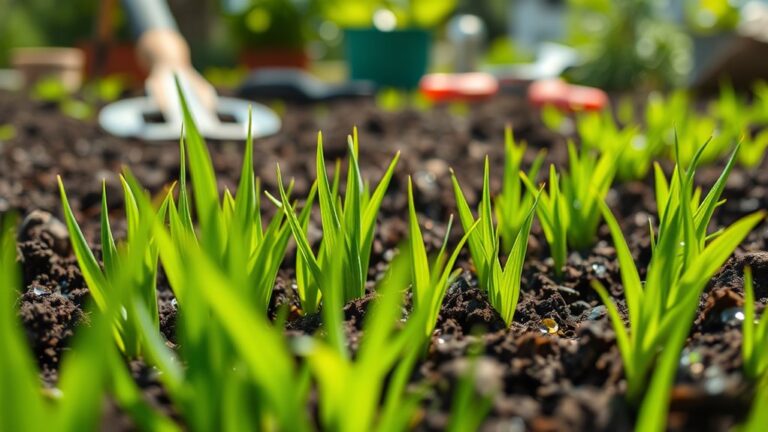
Once seeds sprout, their water needs remain high but avoid keeping leaves wet to prevent fungal diseases. Water seedlings when the top inch of soil feels dry. Overwatering can cause root rot and stunt growth.
Using trays with drainage can help in efficient watering and prevent sitting water. Some gardeners cover pots with plastic lids to retain humidity until germination, removing covers once seedlings appear.
- Water when soil surface is dry to touch
- Avoid wetting seedling leaves
- Use drainage trays to manage excess water
For more on this, see our related guide: How to Tell When a Plant Is Ready to Harvest for Perfect Timing.
Providing Adequate Light for Healthy Growth
Seedlings require bright light to develop strong stems and healthy leaves. A south-facing window often works well indoors, or use grow lights positioned a few inches above plants for 12-16 hours a day.
Insufficient light can cause seedlings to become leggy as they stretch toward light sources. Proper lighting ensures compact, sturdy growth ready for transplanting.
- Use natural sunlight or grow lights for 12-16 hours daily
- Position light source close but avoid overheating seedlings
- Rotate pots regularly for even light exposure
Common Challenges When Planting Seeds in Pots
Preventing Damping-Off and Other Diseases
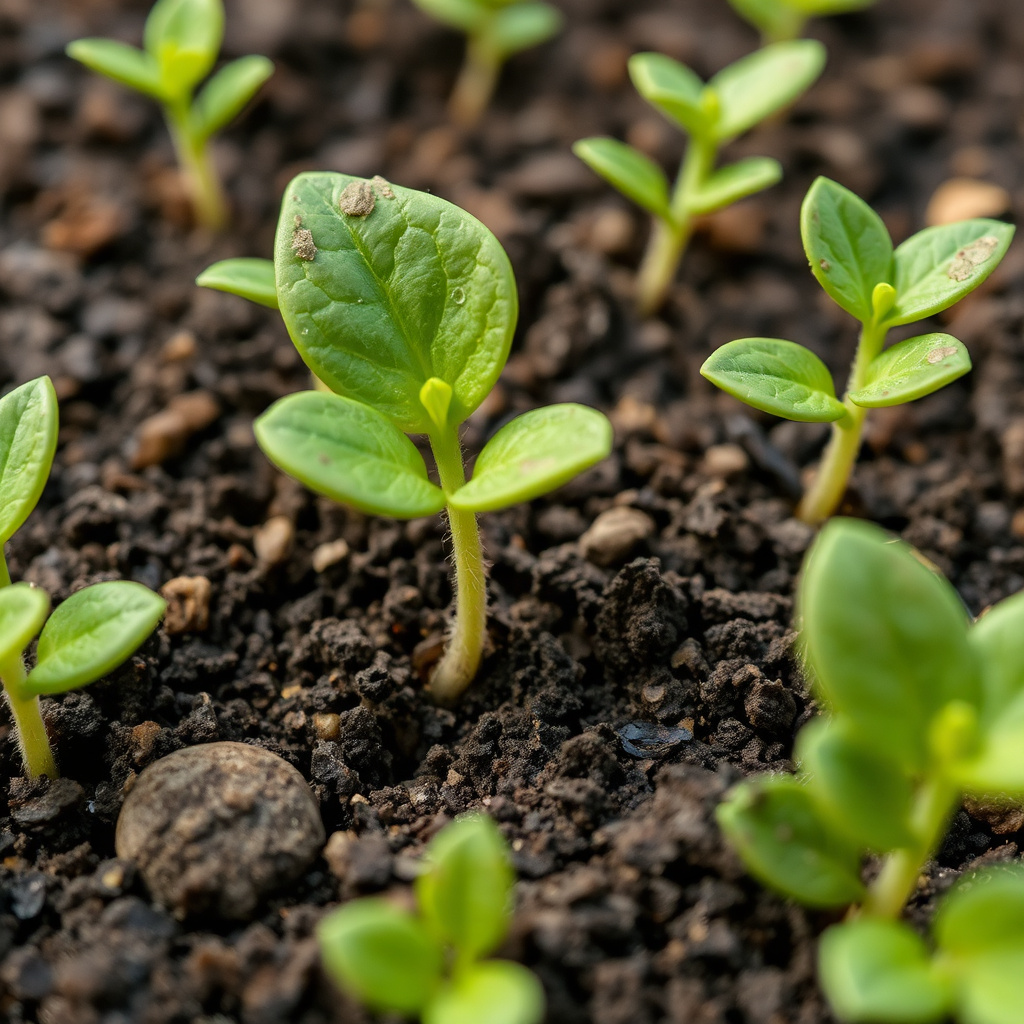
Damping-off is a fungal disease that kills seedlings prematurely. Using sterile soil, clean pots, and proper watering technique helps reduce risk. Avoid overcrowding to improve airflow and remove any infected seedlings immediately.
Good hygiene and well-drained soil also deter pests and diseases that can damage delicate seedlings during early growth.
- Use sterile seed-starting mix and clean containers
- Do not overwater or overcrowd seedlings
- Provide good air circulation around pots
Troubleshooting Poor Germination
If seeds fail to sprout, check factors like seed age, soil temperature, moisture, and planting depth. Older seeds often have reduced viability and may require longer soaking or scarification.
Maintaining warmth and moisture close to recommended levels increases chances of success. Some seeds also need light to germinate, so clarity on the seed type and its requirements is crucial.
- Use fresh seeds and verify planting conditions
- Adjust soil moisture and temperature carefully
- Follow specific seed germination instructions
Transplanting and Next Steps for Seedlings

When to Transplant Seedlings from Pots
Seedlings are ready for transplant once they develop two to four true leaves and roots begin showing through drainage holes. This stage signals sufficient strength for a larger growing space.
Handle seedlings gently by the leaves—not stems—to avoid damage. Harden off plants by gradually exposing them to outdoor conditions before planting outside.
- Wait for 2-4 true leaves before transplanting
- Be gentle with seedlings during handling
- Harden off before moving outdoors
For more on this, see our related guide: How to Transplant Seedlings Without Stressing Your Plants.
Choosing the Right Containers for Seedling Growth
After initial pot seed-starting, seedlings may need larger pots or progression into garden beds. Select containers with good drainage and ample room for root expansion.
Some gardeners transplant into biodegradable pots that can go directly into soil to reduce root disturbance. Container material and size will depend on the eventually intended growing environment.
- Select pots with sufficient drainage and volume
- Consider biodegradable options to reduce transplant shock
- Match container size with plant growth needs
Seed Starting Tips for Containers to Boost Success

Labeling and Organizing Seed Containers
Label each pot or container clearly with seed variety and sowing date to track progress easily. This helps with scheduling watering and monitoring germination times for different plants.
Organizing same-species pots together facilitates consistent care and simplifies thinning or transplanting later on.
- Use waterproof labels or tags on each pot
- Group similar plants for tailored care
- Note sowing date for reference
For more details on various methods of seed propagation, consult this resource on seed propagation techniques. seed propagation techniques.
Maintaining Ideal Temperature for Germination
Most seeds germinate best at soil temperatures between 65°F to 75°F (18°C to 24°C). Use heating mats if indoor temperatures are cool. Keep pots away from drafts or cold windows.
Temperature consistency reduces failed germination and speeds sprouting, increasing overall success with seed starting tips for containers.
- Maintain 65-75°F soil temperature
- Use heating mats when necessary
- Avoid cold drafts or rapid temperature changes
Pot Types for Seed Planting: A Comparison
Different pot materials offer unique benefits and drawbacks when planting seeds. This comparison will help choose the right option based on moisture control, cost, and environmental impact.
| Pot Type | Drainage Quality | Moisture Retention | Cost | Environmental Impact |
|---|---|---|---|---|
| Plastic Pots | Good with holes | Moderate | Low | Low – non-biodegradable |
| Terra Cotta Pots | Excellent | Low (breathable) | Moderate | Medium – natural material |
| Peat Pots | Good | Good | Moderate | High – biodegradable |
| Biodegradable Fiber Pots | Good | Good | Moderate to High | High – compostable |
| Ceramic Pots | Varies (often none) | Low | High | Low – durable but not biodegradable |
Frequently Asked Questions
Can I use regular garden soil for planting seeds in pots?
Regular garden soil is usually too dense and can contain pathogens that harm seeds. It is best to use a sterile, light potting mix designed specifically for seed starting to promote better germination.
How often should I water seeds planted in pots?
Seeds planted in pots need consistently moist soil but not waterlogged conditions. Water gently whenever the soil surface starts to feel dry to the touch, usually daily or every other day depending on conditions.
What is the ideal temperature for seed germination in pots?
Most seeds germinate well between 65°F and 75°F. If indoor temperatures are cooler, using a seedling heat mat can help maintain proper warmth and improve germination rates.
How do I know when to transplant seedlings from pots?
Seedlings should be transplanted once they have at least two to four true leaves and their roots start showing through drainage holes. This indicates they are mature enough for a larger growing space.
Is it necessary to cover seed pots with plastic while waiting for germination?
Covering pots with plastic or a humidity dome can help maintain moisture and warmth during germination. However, remove covers as soon as seedlings emerge to prevent fungal diseases from high humidity.
Key Takeaways
- Use pots with drainage holes and quality seed-starting potting mix
- Plant seeds at proper depth and keep soil consistently moist
- Provide ample light and maintain warm soil temperatures for germination
- Transplant seedlings when they have true leaves and strong roots
Conclusion
When deciding how to plant seeds in pots, the main considerations revolve around controlling moisture, temperature, and light to create an ideal microenvironment for seedlings. Selecting the right pot and soil sets a foundation that promotes healthy germination without disease. Careful watering prevents common pitfalls like damping-off, while proper light keeps seedlings sturdy and ready for further growth. Taking these factors into account simplifies the process and increases the chance of success for indoor and container gardening.
For beginners, starting with smaller plastic or peat pots filled with pre-formulated seed starting mix works well due to affordability and convenience. Those interested in sustainable options may prefer biodegradable fiber pots that reduce transplant shock. Using supplemental lighting during lower light months and a heating mat when indoor temperatures dip are practical ways to boost germination. Following seed spacing and planting depth recommendations from seed packets aligns with good seed starting tips for containers, making sure seedlings develop uniformly.
The next step is to begin by preparing your seed pots with the recommended soil and create a schedule for watering and lighting. Monitor seedlings closely for early signs of stress or overcrowding and prepare to transplant once they show strong true leaves. With practice, planting seeds in pots can become an enjoyable and rewarding part of growing your own plants year-round, whether herbs on a windowsill or vegetables on a balcony.