How Do Chia Seeds Go Bad?
Trying to keep chia seeds fresh can feel like a constant battle. Many people struggle with figuring out how to store them properly and avoid spoilage. It’s frustrating to buy a big bag, only to find them clumped or smelling off when you’re ready to use them.
Chia seeds go bad when exposed to moisture, heat, light, or air, causing them to lose freshness and develop off odors or mold. You might notice changes like dullness, clumping, discoloration, or a musty smell.
Ground chia seeds spoil faster than whole ones because of increased surface area.
To keep them fresh, store chia seeds in airtight containers in a cool, dark place. Keep going to learn more about spotting spoilage and how to store them properly.
Key Takeaways
- Chia seeds go bad when they develop off odors, like musty or sour smells, which mean they’ve spoiled.
- Changes in appearance, such as dullness, clumping, or discoloration, also signal they’re no longer fresh.
- Mold, visible moisture, or slimy textures in ground seeds are clear signs of spoilage.
- An off or bitter taste suggests the nutrients have degraded and the seeds might be spoiled.
- If you spot insects or foreign particles in the seeds, that’s a sign of contamination and spoilage.
How Long Do Chia Seeds Last?
Chia seeds can last quite a while if stored properly, typically maintaining their quality for about 2 to 4 years. Their long shelf life is mainly thanks to their low moisture content and natural antioxidants, which help keep their nutrients intact.
The benefits of chia seeds include high levels of fiber, omega-3 fatty acids, protein, and essential minerals, making them a popular superfood. When stored in a cool, dark, airtight container, they’re less likely to go rancid or lose their nutrients.
Proper storage not only keeps them fresh longer but also preserves their crunch and flavor. Keep them away from heat, humidity, and direct sunlight to maximize their lifespan. Over time, they might lose some nutrients, but they’re generally safe to eat well beyond the initial storage period if kept in good conditions.
Do Chia Seeds Go Bad? Signs to Watch For
Wondering if your chia seeds have gone bad? The first sign is an off smell. If they smell musty or sour, it’s time to toss them.
An off smell, like musty or sour, indicates your chia seeds have spoiled and should be discarded.
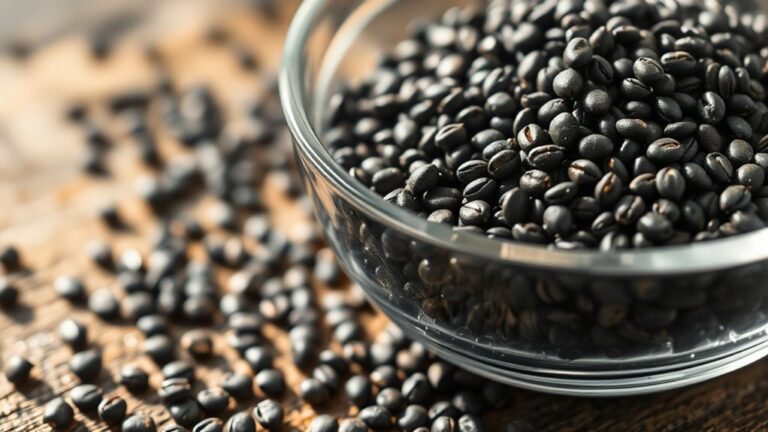
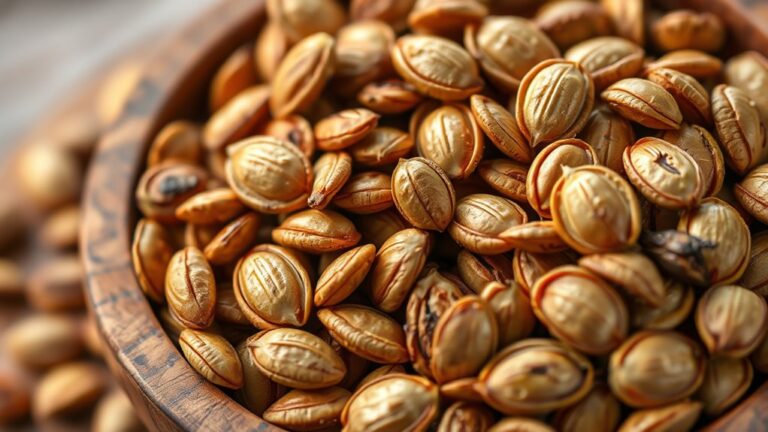
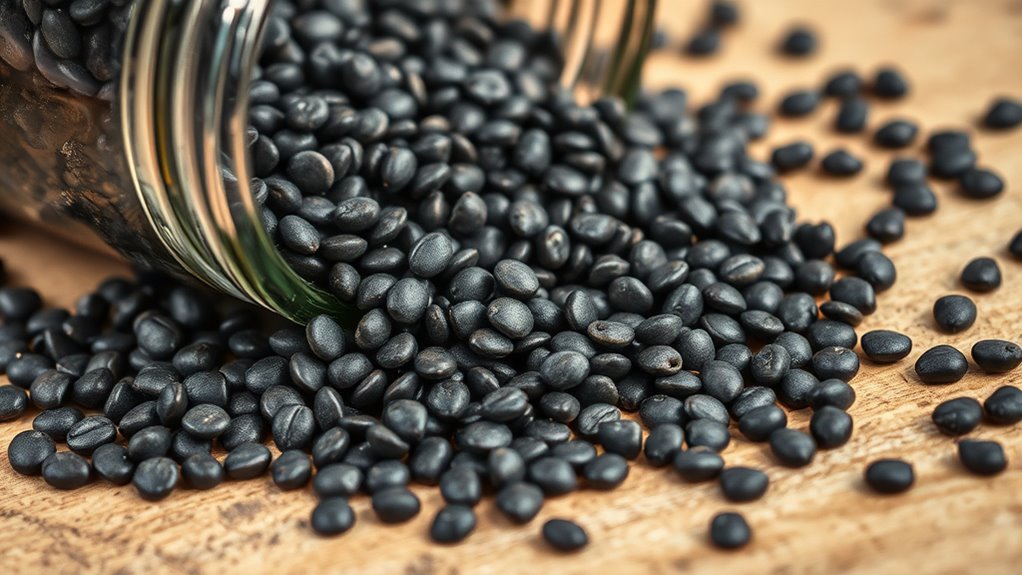
Also, check the appearance. Fresh chia seeds are shiny and uniform, but spoiled ones may look dull, clumpy, or discolored.
Even if they seem fine visually, a bitter or strange taste means they’ve lost their nutritional benefits and aren’t good for your recipes anymore.
Stale seeds won’t give you the health benefits like omega-3 fatty acids or the flavor and texture you expect.
Keep an eye out for mold or visible moisture, which signals spoilage.
When in doubt, trust your senses—if something feels or smells off, it’s best to discard the seeds.
Proper storage can help them last longer, but these signs will tell you when they’ve passed their prime.
This way, you can enjoy their maximum nutritional benefits safely.
How Storage Conditions Affect Chia Seed Freshness
Storing your chia seeds the right way is super important if you want them to stay fresh longer. It’s best to keep them in a cool, dark spot, away from sunlight. That way, they’re less likely to spoil or lose their nutrients.
Also, make sure you use an airtight container. This helps keep out moisture and air, which can cause the seeds to go bad faster. When you store them properly, you’re not only preserving their flavor and texture but also extending their shelf life.
Ideal Storage Temperature
Maintaining the right storage temperature is essential for keeping chia seeds fresh and preventing spoilage. Ideally, store them in a cool, dry place between 60°F and 70°F (15°C to 21°C).
Temperatures above this range can speed up spoilage, while colder temps might cause moisture to build up. Keep the environment at the right humidity level to avoid mold or clumping.
Using proper containers like airtight or sealed glass jars helps keep temperature and humidity consistent. Avoid storing chia seeds near heat sources, direct sunlight, or in areas with temperature swings.
Airtight Container Importance
Using an airtight container is key to keeping chia seeds fresh because it blocks out moisture, air, and contaminants that can spoil them.
The best containers are usually glass jars or BPA-free plastic ones, as they help preserve quality and protect against environmental factors.
Make sure the lid fits tightly and seals completely—this keeps air out and maintains freshness.
Avoid containers with cracks or worn seals, since they can let air in and reduce shelf life.
When stored properly, chia seeds stay dry and fresh longer, lowering the chances of rancidity or mold.
Keep your container in a cool, dark place to get the most out of their shelf life.
Investing in good-quality, airtight containers with reliable seals really makes a difference in keeping chia seeds potent and fresh over time.
Can You Eat Chia Seeds After Their Expiration Date?
You might be wondering if it’s okay to eat chia seeds after their expiration date. Well, it really depends. Sometimes, if they’ve been stored properly, they can still be good to eat even after that date.
But it’s super important to give them a good look and smell first. Check for any weird odors, mold, or changes in color or texture. If anything seems off, it’s best to play it safe and toss them out.
Signs of Spoilage
Chia seeds don’t necessarily become unsafe immediately after their expiration date, but there are signs that can tell you they’ve gone bad. To keep them fresh and prevent spoilage, it’s good to know what to look for.
If your seeds develop a rancid smell, that’s a clear sign they’ve spoiled. The same goes for a sour or off-putting taste—if that happens, it’s best to discard them.
Look out for visible changes like mold, discoloration, or clumping caused by moisture absorption. A slimy or sticky texture also indicates spoilage.
Storage Conditions Impact
While the expiration date gives a general idea of freshness, proper storage is crucial for keeping chia seeds safe and nutritious after that date. Temperature changes can lead to moisture buildup or spoilage, so store your seeds in a cool, steady environment.
Avoid placing them near heat sources or areas with frequent temperature shifts. Humidity is just as important; high humidity can cause mold or clumping. Use an airtight container to shield your seeds from moisture and air.
Keep your chia seeds in a dark, dry spot like a pantry or cupboard to maintain their freshness. Good storage not only extends their shelf life but also helps preserve their nutritional value, even beyond the expiration date.
Safety Precautions
Even though chia seeds often stay safe to eat past their expiration date if stored properly, it’s important to be cautious. They can still provide health benefits and keep their nutrients, but always check for signs of spoilage before eating.
Look out for off smells, mold, or a rancid taste—these mean the seeds have gone bad. Eating spoiled chia seeds can cause digestive issues or food poisoning.
To keep them fresh and safe, store chia seeds in an airtight container in a cool, dark place. If you’re unsure about their freshness, it’s better to discard them than risk your health.
Trust your senses and be cautious to enjoy the health benefits safely.
Best Ways to Store Chia Seeds to Keep Them Fresh
To keep chia seeds fresh for as long as possible, store them in an airtight container in a cool, dark place. This creates the ideal storage environment, helping maintain their quality and extending chia seed longevity. Keep them away from direct sunlight, heat, and humidity, which can speed up spoilage.
A pantry or cupboard away from appliances that generate heat works well. Using a sealed container prevents exposure to air, which can cause the oils in chia seeds to go rancid. Consider choosing opaque containers to block light and keep them fresh longer.
Avoid storing chia seeds near strong odors, as they can absorb flavors. Proper storage not only preserves their nutritional value but also prevents clumping and spoilage. Regularly check your seeds for any signs of spoilage.
If needed, transfer remaining seeds to a new container to ensure they stay fresh. Following these tips will help your chia seeds stay fresh and retain their beneficial properties for longer.
Signs of Contamination or Spoilage in Chia Seeds
Knowing how to store chia seeds helps keep them fresh longer, but it’s just as important to recognize when they’ve gone bad. Contamination or spoilage can sneak in, making your seeds unsafe to eat. Look out for these signs:
- A rancid, sour smell that signals oxidation or spoilage.
- Discoloration or dark spots indicating mold or bacterial growth.
- Unusual textures like clumping or sliminess, which suggest moisture intrusion.
- A bitter or off flavor, revealing spoilage or contamination.
- Presence of insects or foreign particles in the seeds.
These signs highlight the importance of spoilage prevention. If you notice any of these, discard the seeds immediately. Proper storage in airtight, cool, and dark conditions helps avoid contamination sources and keeps your chia seeds safe and fresh longer.
Trust your senses—your health depends on it.
How Moisture Can Spoil Your Chia Seeds Quickly
Moisture is one of the quickest ways to spoil your chia seeds, as it creates the perfect environment for mold, bacteria, and spoilage to develop. To prevent this, practicing moisture control is essential.
Always keep your chia seeds in airtight containers to block out humidity and air exposure. Avoid storing them in humid areas like the bathroom or near the stove, where moisture levels are higher.
Keep chia seeds in airtight containers and avoid humid areas like bathrooms and kitchens.
If you notice any dampness or clumping, it’s a sign that moisture has entered, and the seeds could spoil faster. Proper spoilage prevention also involves keeping your seeds dry and using dry utensils when scooping.
Consider adding silica gel packets or rice in the storage container to absorb excess moisture. By maintaining a consistently dry environment, you greatly extend the shelf life of your chia seeds and keep them fresh and safe for longer.
Differences Between Whole and Ground Chia Seeds When Spoiling
Whole chia seeds tend to stay good for a longer time compared to ground chia seeds because their tough outer shell acts like a barrier, keeping the inner parts fresh. So, if you’re storing them properly, they can last quite a while.
On the other hand, once the seeds are ground up, their protective shell is broken, which means they’re more exposed to air and moisture. That’s why ground chia seeds can spoil more quickly—they might start to smell or taste rancid sooner than whole seeds. Knowing these differences can help you recognize when your chia seeds have gone bad and when it’s time to toss them out.
Shelf Life Variations
Ground chia seeds tend to spoil faster than their whole counterparts because their increased surface area exposes more of the seed’s interior to air and moisture. This speeds up the deterioration process and affects shelf stability and chia longevity.
Whole seeds can last up to 2-3 years when stored properly, while ground chia often stays fresh for just a few months. Storage conditions and packaging play a big role in how long they last.
Be aware of these risks: you might unknowingly eat spoiled seeds, which could be bad for your health. Your favorite recipes might turn bitter or develop off-flavors.
You could also waste money on seeds that spoil too soon or end up with mold or pests in your pantry. Plus, the nutritional benefits may diminish faster than you think.
Knowing these shelf life differences helps you make smarter choices and keep your chia seeds fresh longer.
Spoilage Indicators in Seeds
When chia seeds start to spoil, their appearance and smell give you important clues. These signs are different for whole and ground seeds.
Whole chia seeds might look dull, clump together, or have a musty smell, showing that their preservation has been compromised. You might also notice a change in texture or a slightly sour smell, which means microbial growth.
Ground chia seeds spoil faster because their larger surface area exposes more of the seed’s interior to moisture and air. This speeds up spoilage, so they can develop an off smell, discoloration, or a slimy texture more quickly.
Recognizing these signs helps you avoid eating bad seeds and keeps your chia seeds fresh longer. Staying alert to these indicators is key to proper seed preservation and safety.
Safe Ways to Discard Old or Spoiled Chia Seeds
If your chia seeds have gone bad, it’s important to dispose of them properly to avoid health risks or contamination. Proper disposal helps protect your environment and keeps your home safe.
Disposing of spoiled chia seeds properly helps protect your health and the environment.
You can choose eco-friendly options like compost disposal, where organic waste breaks down naturally. Recycling options, such as compost bins, are a responsible way to handle spoiled seeds.
Here are safe ways to discard old or spoiled chia seeds:
- Add them to your compost pile to enrich your garden soil.
- Dispose of them in the organic waste bin for city collection.
- Use biodegradable bags to contain the seeds before discarding.
- Avoid pouring them down the drain to prevent clogs.
- Check local recycling guidelines for compost or organic waste programs.
Tips to Maximize the Freshness and Nutritional Value of Chia Seeds
To keep your chia seeds fresh and maximize their nutritional benefits, store them in an airtight container in a cool, dark place. This helps prevent exposure to light and moisture, which can reduce their nutritional value.
For longer shelf life, consider refrigerating or freezing your seeds, especially if you buy in bulk. Proper storage keeps them flavorful and nutritious for a longer time.
When stored correctly, chia seeds are perfect for smoothies, oatmeal, or baking. They stay fresh and retain their health benefits, so you can enjoy them in many ways.
| Tip | Benefit |
|---|---|
| Use airtight containers | Prevents moisture and air exposure |
| Keep in a cool, dark place | Protects against light and heat |
Frequently Asked Questions
Can Chia Seeds Develop Mold Over Time?
Yes, chia seeds can develop mold over time, especially if they’re not stored properly.
To avoid this, keep them in an airtight container in a cool, dry place away from sunlight. Moisture and warmth are the main culprits that promote mold growth.
Try to steer clear of humid areas when storing your chia seeds.
Make sure to check them regularly for any changes in appearance or smell.
If you notice mold or a rancid odor, it’s best to discard them.
Are There Health Risks From Consuming Spoiled Chia Seeds?
Surprisingly, eating spoiled chia seeds isn’t just unappetizing; it can pose health risks like stomach upset or food poisoning. Even though they’re rich in health benefits, poor storage tips like leaving them in a humid, warm place can cause spoilage.
To stay safe, store your seeds in an airtight container in a cool, dry spot. If they smell off or have mold, it’s best to toss them.
How Does Exposure to Sunlight Affect Chia Seed Shelf Life?
Sunlight exposure can significantly shorten the shelf life of chia seeds by breaking down their nutrients and leading to spoilage.
When you store seeds in direct sunlight, the heat and light speed up oxidation, causing them to go rancid more quickly.
To keep your chia seeds fresh for longer, store them in an airtight container in a cool, dark place away from sunlight.
Proper storage is key to maintaining their quality and nutritional benefits over time.
Do Flavored or Pre-Packaged Chia Seeds Last Longer?
Flavored or pre-packaged chia seeds can last surprisingly long, but they don’t stay fresh forever.
Generally, pre-packaged chia seeds have a longer shelf life because they’re sealed tightly, locking in freshness. Flavored chia might spoil faster due to added ingredients.
Keep them in a cool, dark place, and check for off smells or mold. Proper storage can keep your chia seeds fresh for up to two years, enough to outlast even the most persistent food myths!
Can Contaminated Chia Seeds Cause Food Poisoning?
Yes, contaminated chia seeds can cause food poisoning if you consume them.
Contamination sources include dirty storage containers, unclean handling, or exposure to moisture and pests.
To prevent this, store your chia seeds in an airtight container in a cool, dry place, away from sunlight and pests.
Always check for any signs of spoilage or unusual smell before using, and wash your hands and utensils thoroughly.
Conclusion
To keep your chia seeds fresh and nutritious, always store them in a cool, dry place. Check for signs of spoilage like off smells or mold before using.
Remember, even with modern science, old seeds can go bad faster if exposed to moisture or heat. So, handle your chia seeds carefully to maintain their quality.
Treat your chia seeds like a treasured relic from the Renaissance—handle with care, and they’ll serve you well for many moons to come. Proper storage helps prevent them from going bad and keeps them at their best.