Is Hemp Legal in All 50 States? Understanding U.S. Hemp Laws
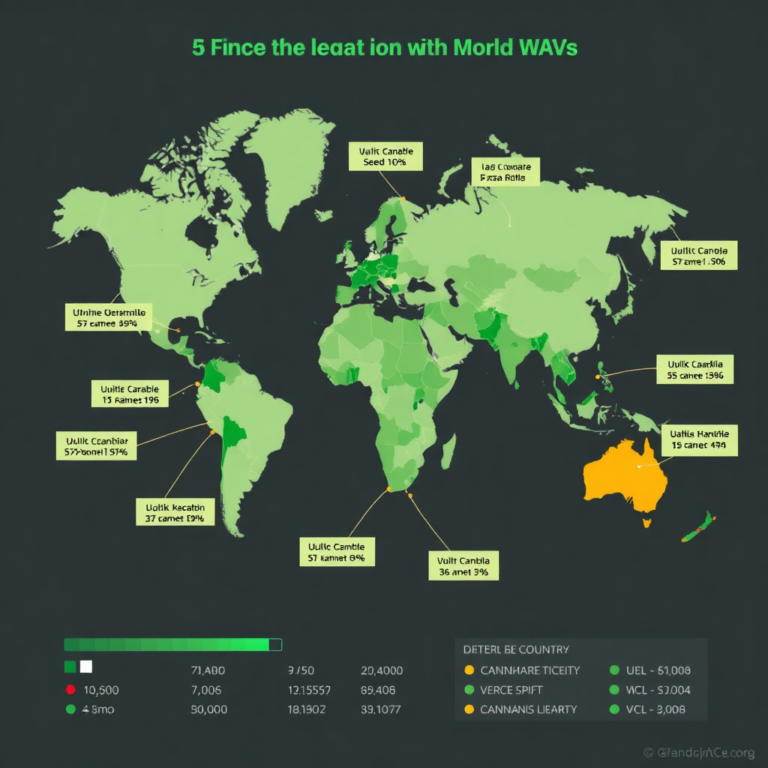
Hemp is legal in all 50 states, but the rules governing its cultivation, processing, and sale vary widely from state to state. The 2018 Farm Bill federally legalized hemp with less than 0.3% THC, removing it from the list of controlled substances. This means hemp can be grown and sold across the country, though state-specific regulations still apply.
The varied legal landscape affects farmers, manufacturers, and consumers differently, with some states requiring licenses or permits for hemp growers, and others having restrictions on where hemp products can be sold. Because hemp contains minimal THC, it’s distinguished legally from marijuana, but states sometimes have different approaches to regulating these crops.
This article will explain the current federal and state laws about hemp, highlight differences in state policies, and describe how these legal frameworks impact hemp production and commerce across the U.S. You’ll also find comparisons of hemp legality by state and answers to common questions about its legal status.
Federal Hemp Legislation: The 2018 Farm Bill
Key Provisions of the 2018 Farm Bill
The 2018 Farm Bill officially legalized hemp as an agricultural commodity, defining hemp as cannabis with less than 0.3% THC by dry weight. This bill removed hemp from the Controlled Substances Act, distinguishing it from marijuana.
This law allows for interstate commerce of hemp and hemp products, gives states the ability to regulate hemp farming programs, and authorizes the USDA to oversee hemp-related activities nationwide.
Regulatory Role of the USDA
The United States Department of Agriculture (USDA) administers hemp farming through a licensing system that states can implement or opt out of with their own hemp programs. This federal oversight helps standardize regulations and testing requirements for THC levels.
States must submit their hemp plans for USDA approval to ensure compliance with federal THC limits and reporting, or default to USDA's federal plan. The USDA also monitors seed certification and crop inspections.
State-Level Hemp Laws Vary Widely
States with Comprehensive Hemp Programs
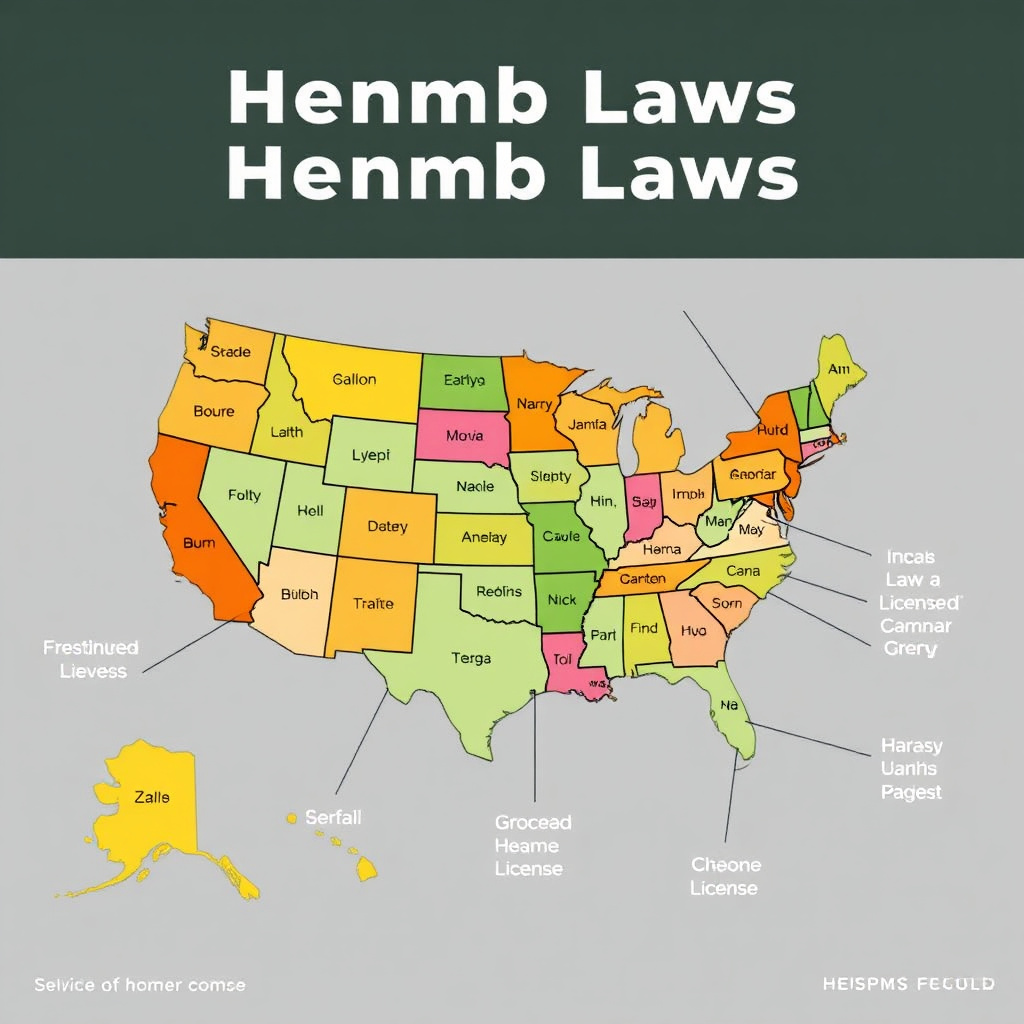
Many states have established robust hemp programs that align with USDA federal guidelines. These states require growers to obtain licenses, submit to testing, and report crop information. They often provide support through research and market development.
Examples include Kentucky, Colorado, and Oregon, where hemp farming has become an important agricultural sector with clear legal frameworks and extensive cultivation.
- Mandatory grower licensing
- THC testing requirements
- Defined harvest and disposal rules
States with More Restrictive or Unique Hemp Laws
Some states restrict hemp growing even after the 2018 Farm Bill, either by requiring additional state permits or limiting the types of hemp products allowed. A few states had restrictive laws historically but have gradually loosened them.
Certain states separate hemp from marijuana laws differently or impose bans on smokable hemp flower products, which creates patchy legal conditions affecting growers and consumers.
- Limited licenses and high fees
- Restricted product types
- Bans on smokable hemp flower
Industrial Hemp versus Marijuana: Legal Differences
THC Thresholds and Legal Classification
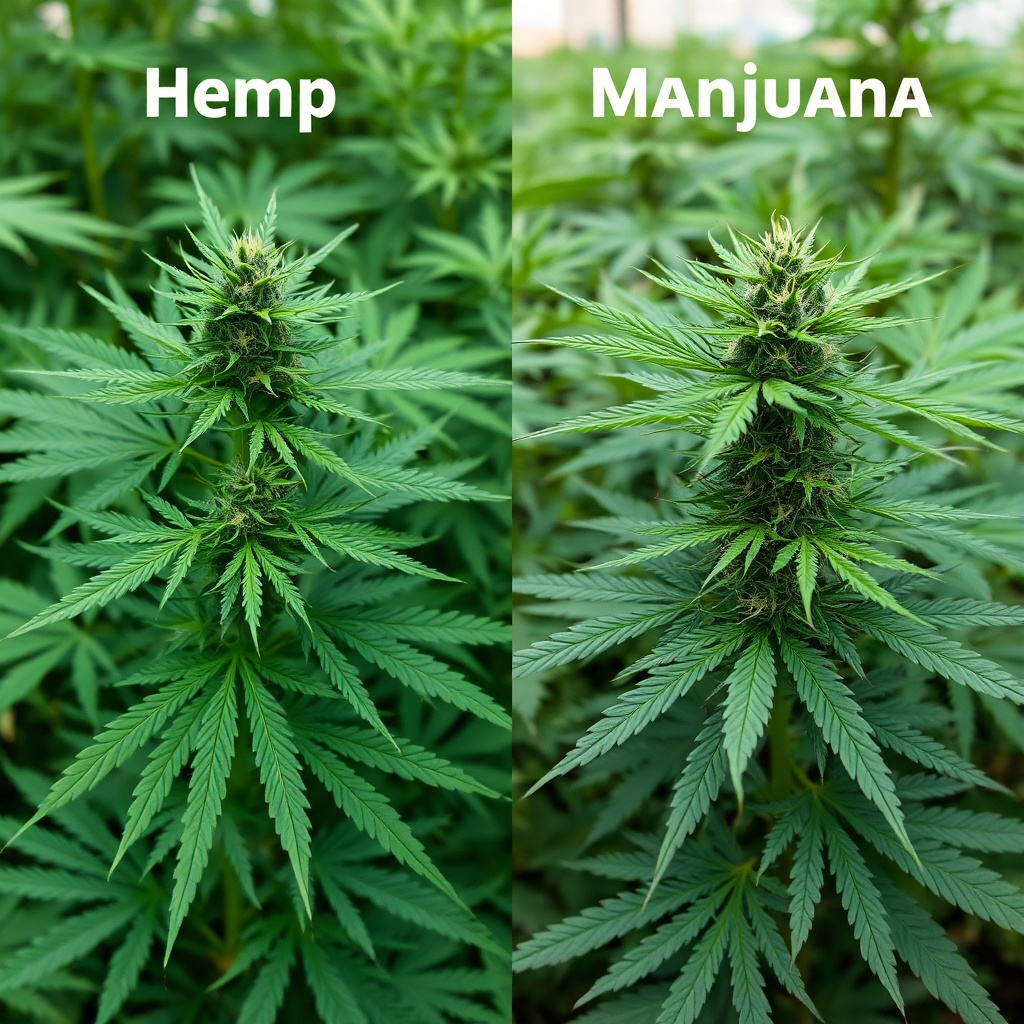
Industrial hemp is defined by containing no more than 0.3% THC, the psychoactive component. Marijuana exceeds this threshold and remains a controlled substance federally.
This low THC limit is the clearest legal demarcation between federally legal hemp and federally illegal marijuana, influencing licensing and cultivation permissions.
Uses and Market Implications
Hemp is utilized for fiber, seed oil, CBD extracts (if compliant), and other industrial products. Marijuana is primarily for medicinal and recreational use due to its higher THC content.
Because hemp is not psychoactive, it is subject to different regulations enabling broader commercial opportunities, albeit still controlled under agricultural law frameworks.
Navigating Hemp Legality for Farmers and Producers
Obtaining Licenses and Permits
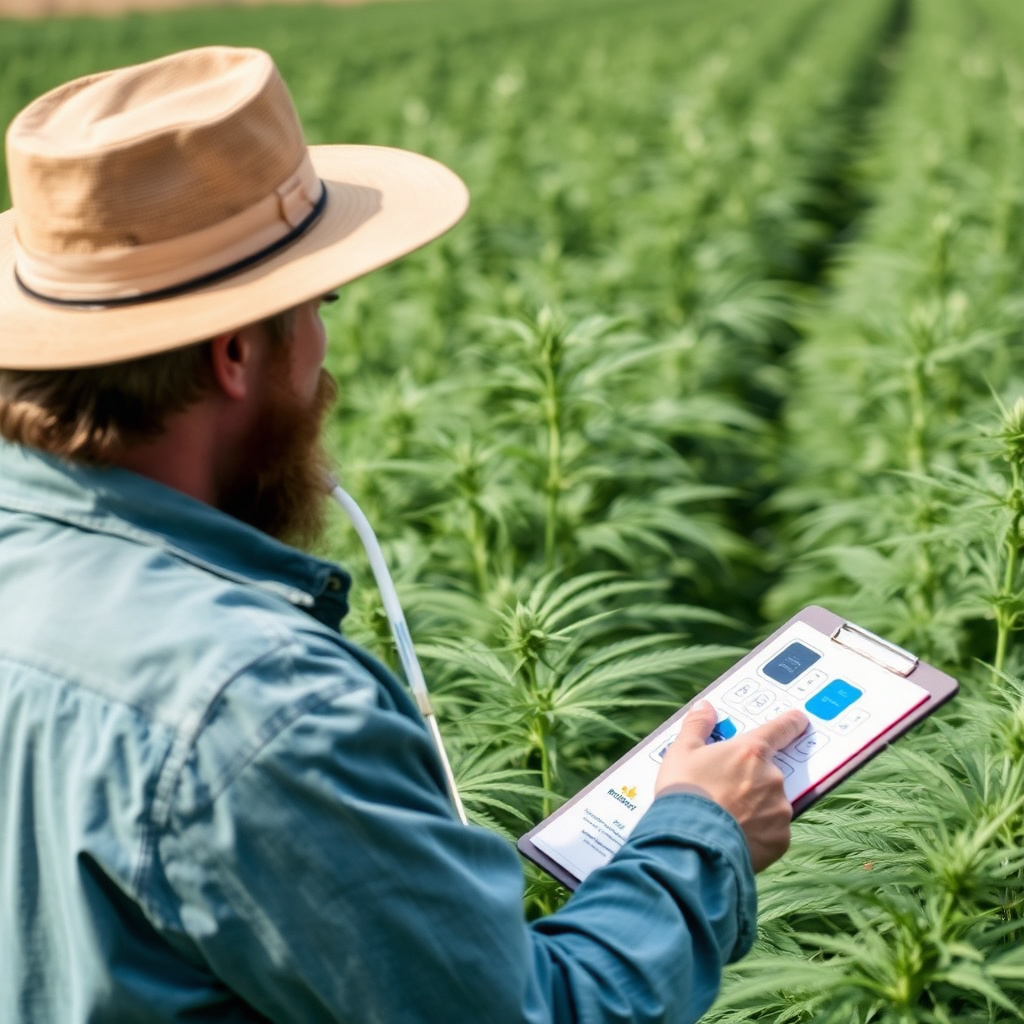
Potential hemp farmers must understand their state's licensing process. Many require detailed applications, fees, and approval before planting hemp seeds legally.
Licenses often need annual renewal, and failure to comply with THC limits or reporting can result in crop destruction or fines.
- Submit state-specific applications
- Pay licensing fees
- Comply with testing and reporting
Compliance with Testing and THC Limits
States typically mandate testing samples during the growing season and at harvest to verify THC levels don't exceed 0.3%.
Tests are conducted by certified labs, and exceeding THC is grounds for crop destruction, making testing compliance essential for legal operation.
- Sample collection protocols
- Certified laboratory testing
- Consequences of non-compliance
Hemp Product Regulations and Consumer Access
Legal Status of CBD and Other Hemp Products
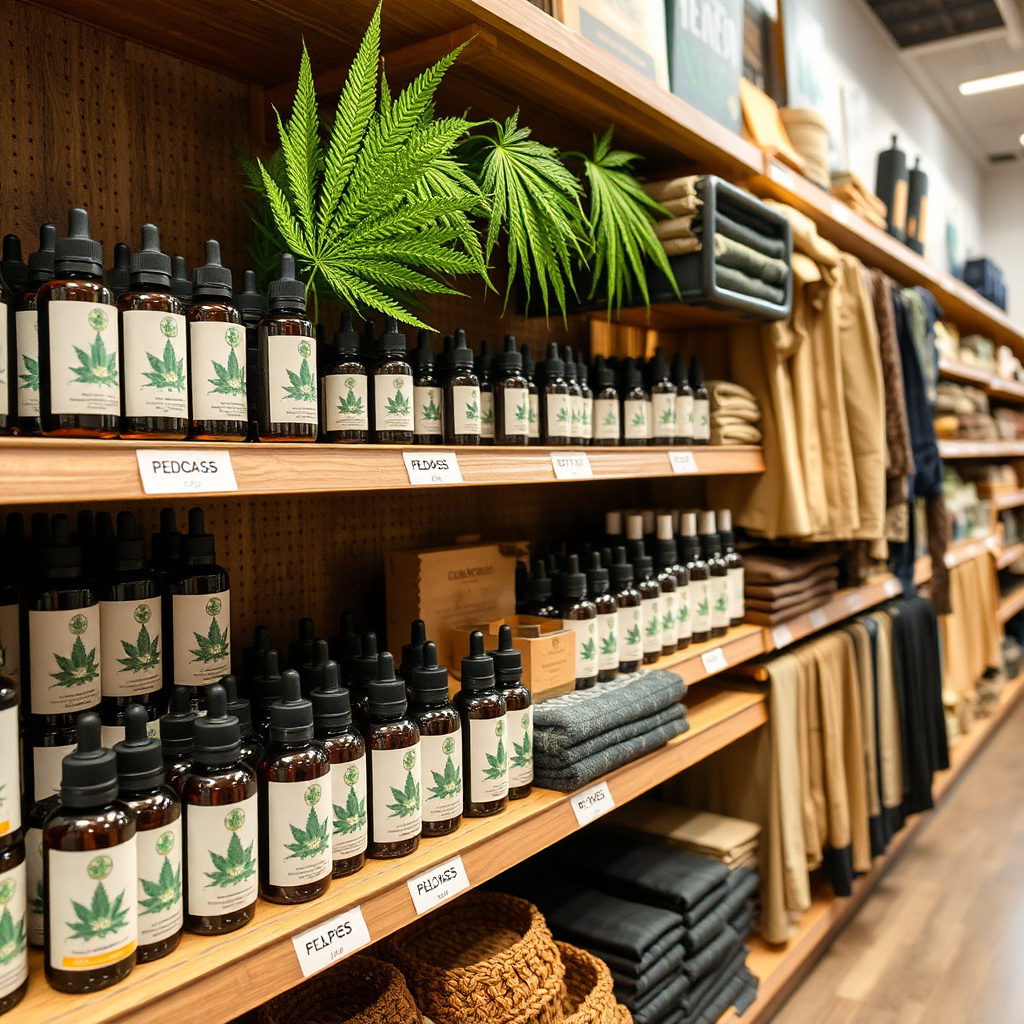
CBD derived from hemp with under 0.3% THC is federally legal but faces varying state restrictions. Some states limit sales to certain product types or require additional testing.
Consumers should check local regulations as state laws can govern retail access, advertising, and health claims for hemp-derived products.
- FDA regulations and disclaimers
- State-level sales restrictions
- Labeling and testing requirements
States Banning or Restricting Specific Products
A few states ban smokable hemp or CBD-infused foods, citing health or safety concerns. These restrictions affect consumer availability and market growth.
Regulatory uncertainties also mean some products hover in legal gray areas, demanding careful navigation by producers and retailers.
- Prohibitions on smokable flower
- Restrictions on ingestibles
- Impact on consumer choice
Economic Impact and Future Trends in Hemp Legality
Growth of the Hemp Industry Post-Legalization
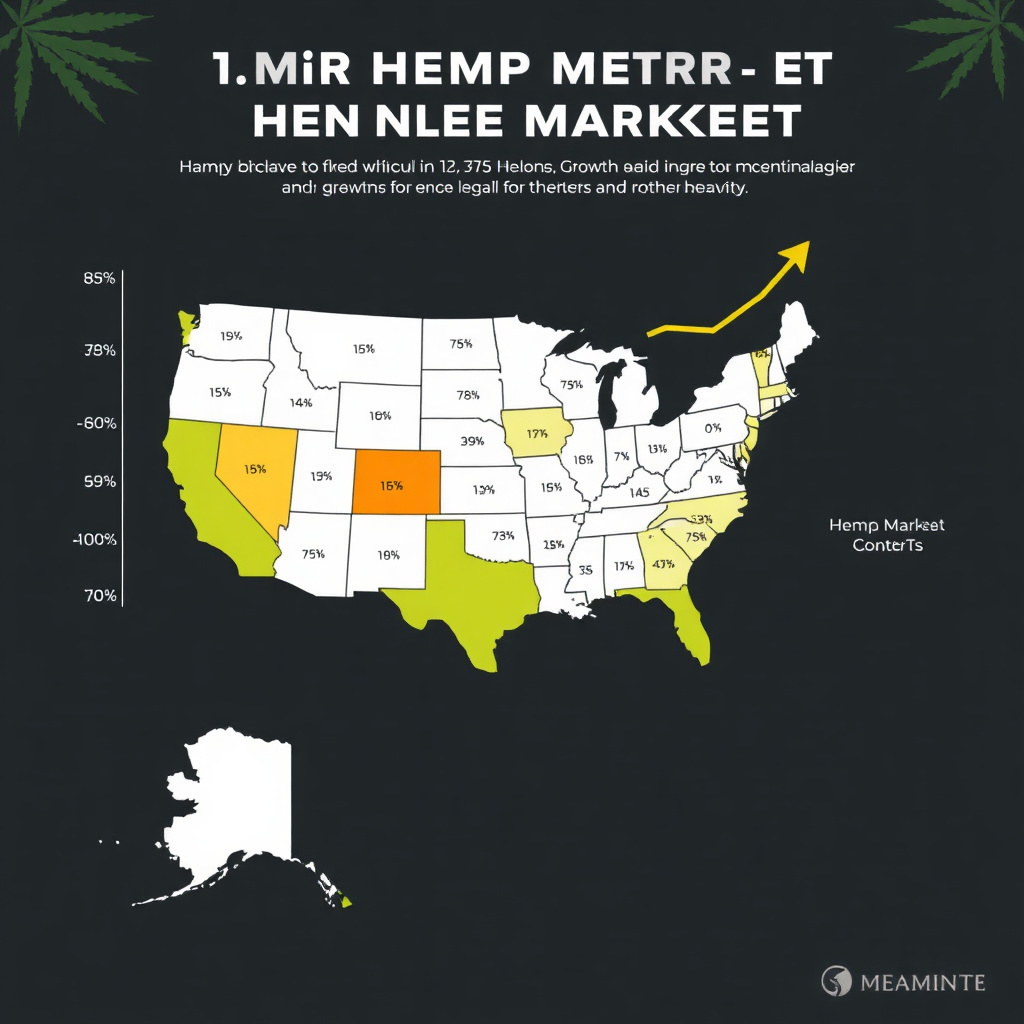
Since hemp legalization, U.S. production has surged, supporting farmers, processors, and related industries. Hemp-derived CBD products are a major driver of market expansion.
Legal clarity combined with consumer demand is fueling investments and research into hemp’s diverse applications beyond CBD.
For a broader historical and legal overview, Hemp in the United States offers comprehensive information on the topic. Hemp in the United States.
Expected Changes in Legal Frameworks
Regulatory agencies and legislators continue adjusting hemp laws to address issues like THC testing accuracy, interstate commerce, and product safety.
States may update their laws to accommodate industry growth or align closer with federal standards, creating more uniformity over time.
Comparison of Hemp Legality by State
The following table summarizes key differences in hemp legalization and regulation across various states.
| State | Hemp Farming License Required | Allows Hemp-Derived CBD Sales | Additional Restrictions |
|---|---|---|---|
| Kentucky | Yes | Yes | Strict THC testing, no smokable hemp ban |
| Texas | Yes | Yes | Bans smokable hemp flower |
| California | Yes | Yes | Regulates products thoroughly, licenses required |
| Idaho | No | No | Hemp cultivation and CBD sales prohibited |
| Oregon | Yes | Yes | Supports hemp research and commercial farming |
| New York | Yes | Yes | Licensing and product testing mandated |
Frequently Asked Questions
Is hemp cultivation legal without a license in any state?
Most states require a license or permit to cultivate hemp legally. Exceptions are rare, and unauthorized growing may lead to legal penalties.
Can consumers buy hemp-derived CBD products anywhere in the U.S.?
Hemp-derived CBD is federally legal but subject to varying restrictions by state. Some states limit sales or types of products allowed.
What happens if hemp THC levels go above 0.3%?
If THC levels exceed 0.3%, the crop is classified as marijuana and may be destroyed per state and federal laws to avoid illegal cultivation.
Are smokable hemp products legal nationwide?
No, some states ban the sale or possession of smokable hemp flower, even if hemp cultivation is legal in those states.
How do states differ in hemp law enforcement?
States vary in enforcement rigour, with some conducting strict crop tests and others having more lenient or developing programs.
Key Takeaways
- Hemp is federally legal in all 50 states under the 2018 Farm Bill.
- State laws on hemp farming licenses and product sales vary widely.
- Hemp contains less than 0.3% THC, separating it legally from marijuana.
- Consumers should verify local hemp product regulations before purchasing.
Conclusion
Navigating hemp legality requires understanding both federal guidelines established by the 2018 Farm Bill and individual state regulations that impact growing, processing, and sales. While hemp is legal nationwide at the federal level, state laws create a patchwork of rules that differ on licensing, THC limits, and which products are allowed. Prospective farmers and producers need to research their specific state policies carefully to remain compliant. Meanwhile, consumers benefit from hemp’s legal status but should stay informed about product restrictions in their area.
For those committed to hemp farming, states like Kentucky, Oregon, and California offer clear licensing pathways and supportive agricultural programs. Conversely, states such as Idaho maintain prohibitive policies that prevent legal hemp cultivation and sales. Retailers and consumers should pay attention to bans on smokable hemp or certain CBD products that exist in some states. These nuances shape the growing U.S. hemp industry and its future development.
Before entering hemp cultivation or purchasing hemp-derived products, check your state’s latest regulations along with USDA requirements. Connecting with local agricultural authorities and accessing state hemp plans will provide accurate guidance. Understanding the evolving legal framework ensures safe, lawful participation in this rapidly expanding sector.