What Is Seed Saving? A Complete Guide to Preserving Garden Seeds
Seed saving is the practice of collecting seeds from mature plants to use for growing future crops. This age-old method allows gardeners and farmers to conserve plant varieties, control seed quality, and promote biodiversity. Simply put, seed saving lets you maintain and propagate plants you love without buying new seeds every season.
This technique matters because it preserves heirloom varieties that are often unavailable commercially, supports sustainable gardening by reducing reliance on seed companies, and empowers gardeners to adapt crops to local growing conditions over time. Seed saving connects gardeners with nature and heritage through hands-on stewardship of plant genetics.
In this article, we’ll explore the fundamentals of seed saving, including the types of seeds suited for saving, how to collect and store seeds properly, common challenges like cross-pollination, and recommended tools and packaging. By the end, you’ll be ready to start saving vegetable seeds and other plant seeds confidently.
Understanding Seed Saving Basics
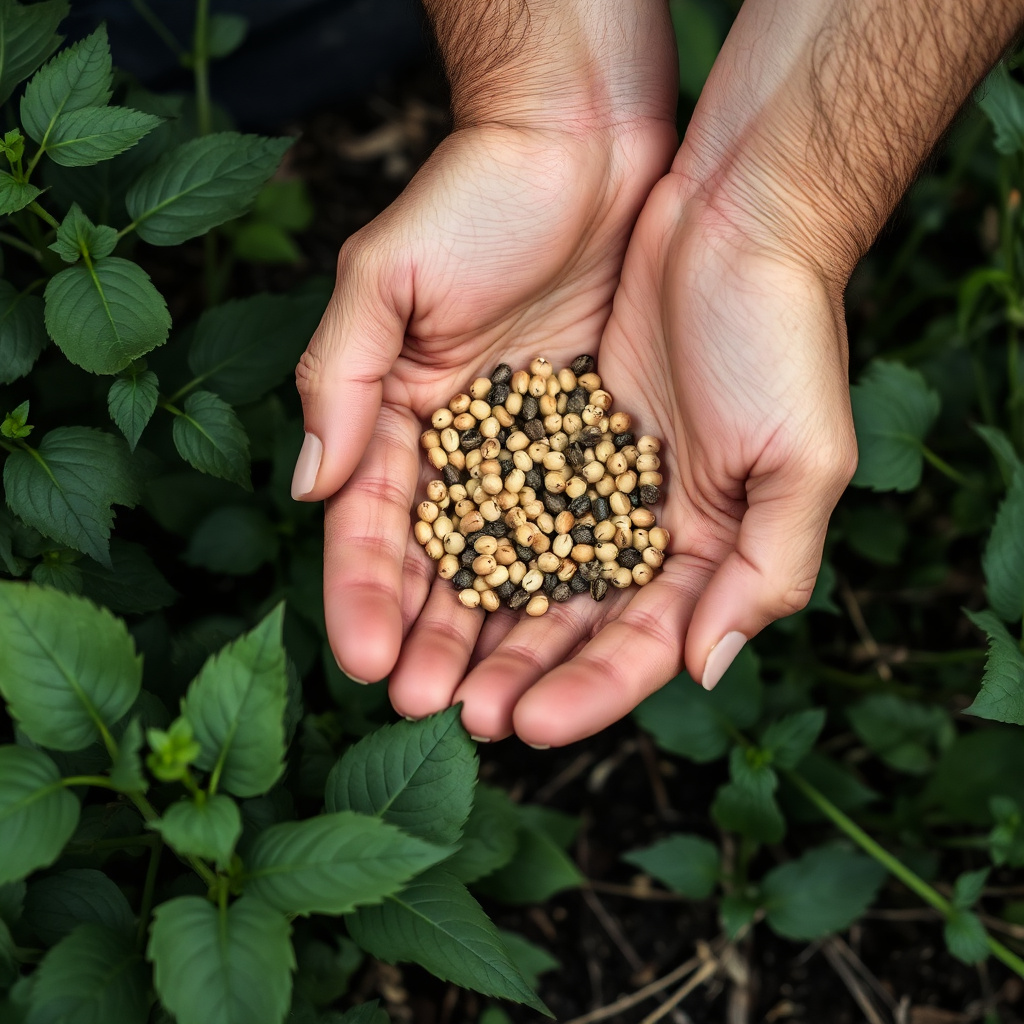
What Seed Saving Really Means
Seed saving involves harvesting seeds from plants once they have matured and dried. These seeds can then be cleaned, dried, and stored to germinate later. The goal is to reliably produce the same plant variety in subsequent seasons, preserving traits a gardener values.
It contrasts with purchasing commercial seeds, which may be hybrid or treated to prevent saving. Seed saving preserves open-pollinated varieties, allowing gardeners to maintain genetic diversity and true-to-type plants.
Common Types of Seeds for Saving
Not all seeds are equally easy to save. Seeds from open-pollinated plants like beans, peas, tomatoes, and peppers generally reproduce true to their parents, making them ideal for seed saving.
Some seeds, such as those from hybrids or cross-pollinating plants like corn and squash, may produce varied offspring if saved, requiring careful isolation to maintain desired traits.
- Open-pollinated seeds
- Heirloom varieties
- Hybrid seeds (not recommended)
Collecting and Preparing Seeds
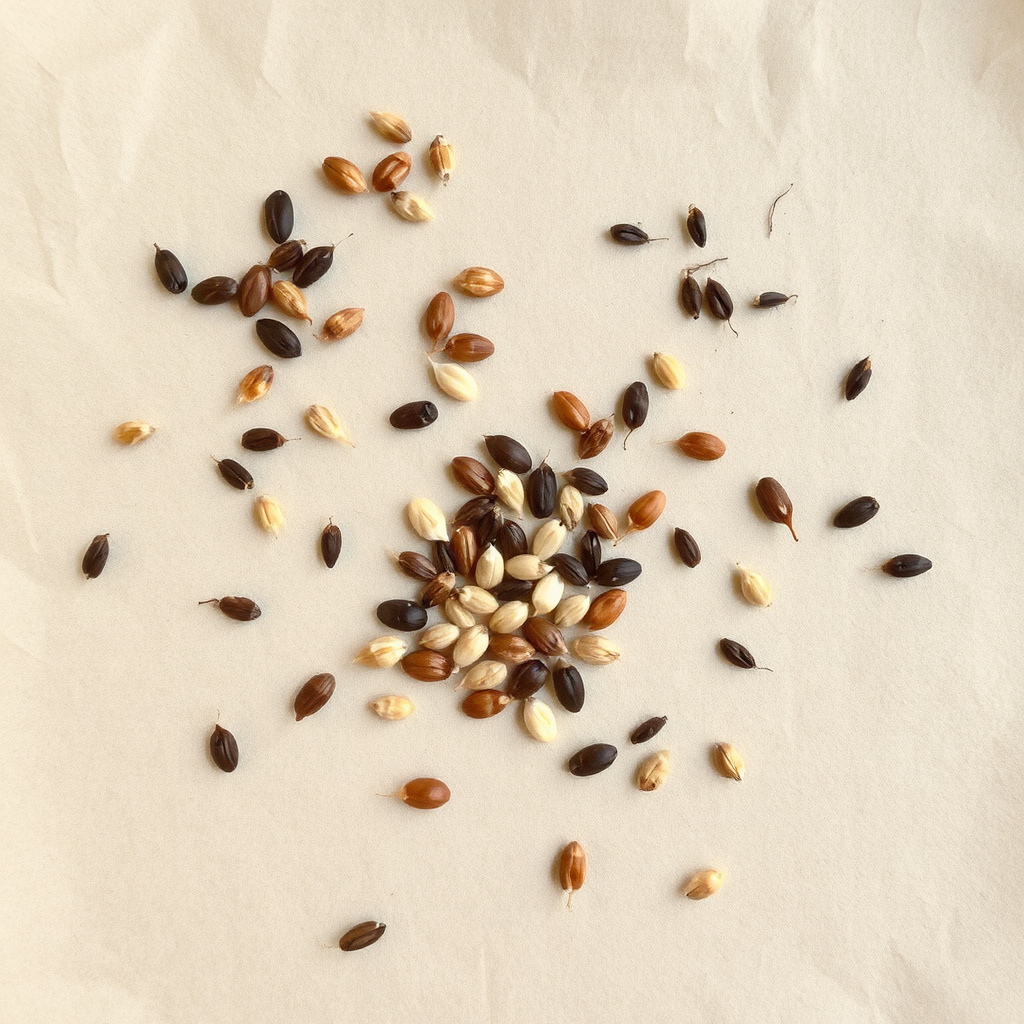
When and How to Collect Seeds
Seeds should be collected when fruits or seed heads are fully mature but before natural dispersal. Timing varies by plant, so it’s important to monitor seed pods, tomatoes, or flower heads closely.
Collect seeds in dry weather and avoid damaged or diseased plants. Use scissors or hands to carefully harvest seed pods, letting them continue drying indoors if needed.
- Wait for seed pods to turn brown
- Avoid damp conditions
- Harvest on dry days
Cleaning and Drying Seeds
After collection, remove pulp or chaff from seeds by rubbing gently or rinsing. Seeds must be completely dry before storage to prevent mold or rot.
Spread seeds out in a single layer on paper or mesh trays in a cool, airy spot for at least one to two weeks. Dry seeds properly extend their viability.
- Remove seed pulp
- Dry for 1-2 weeks
- Store in a cool, dry place
Storing Seeds for Best Longevity
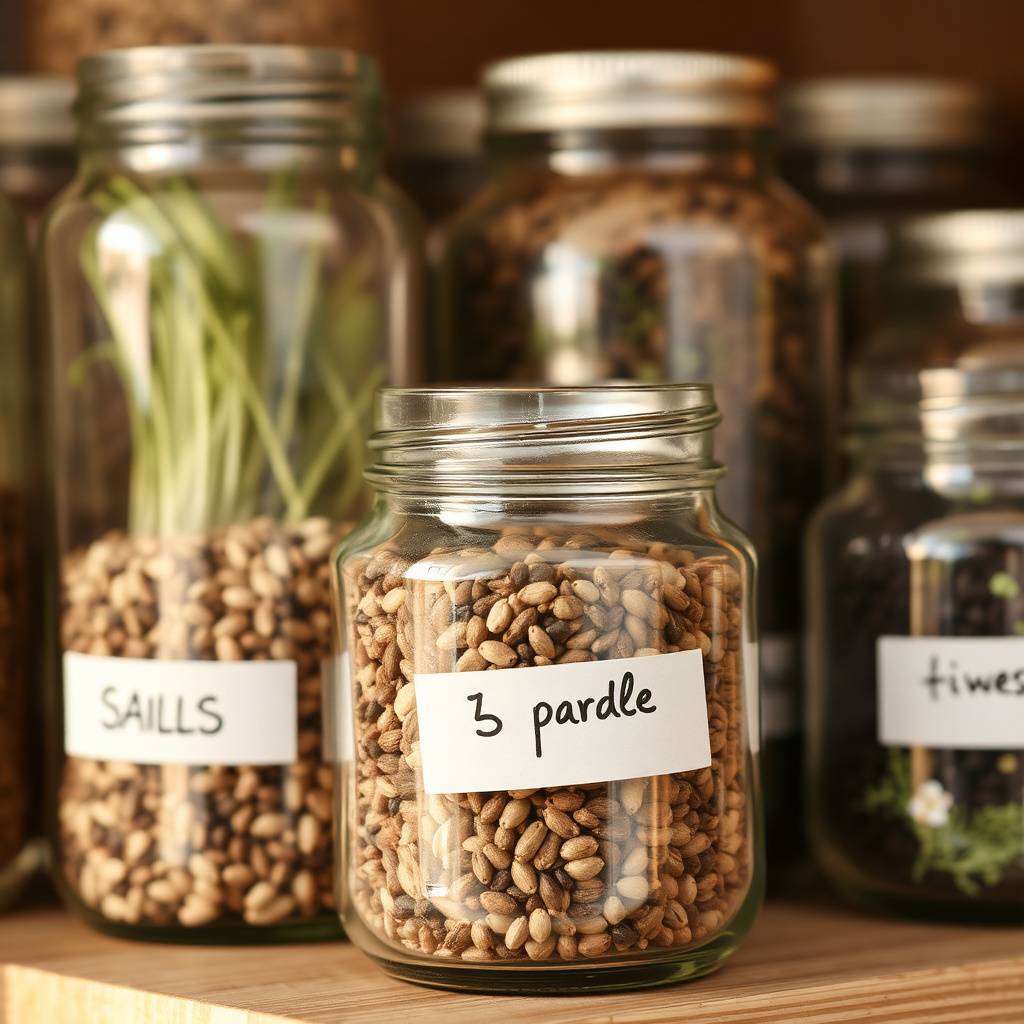
Ideal Storage Conditions
Seeds last longest when stored in a cool, dark, and dry environment. Low humidity and temperatures below 50°F (10°C) help maintain seed viability for months or years.
Containers such as airtight glass jars, sealed plastic bags with desiccants, or paper envelopes stored in a refrigerator are all viable options depending on your space.
- Cool temperature
- Low humidity
- Dark storage location
For more on this, see our related guide: How to Compare Seed Varieties for Successful Gardening.
Labeling and Organizing Seeds
Clear labeling with seed type, variety, and harvest date helps avoid confusion and maintain seed inventory. Organize seeds by category, planting season, or expected longevity for easy access.
Proper records support crop planning and tracking seed performance over time.
- Use permanent markers
- Note harvest year
- Group seeds logically
Avoiding Cross-Pollination
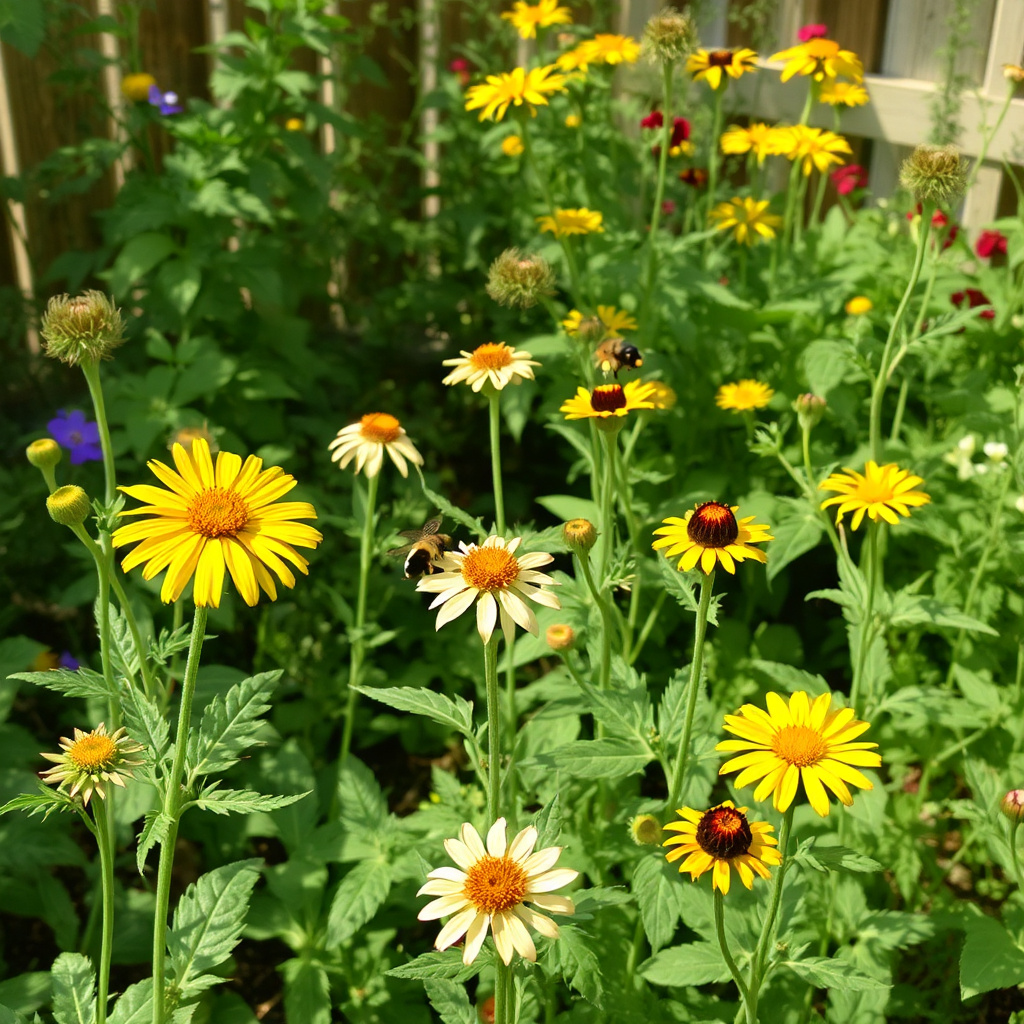
Why Cross-Pollination Matters
Cross-pollination occurs when pollen from one plant fertilizes another’s flowers, which can alter seed traits if saving seeds for the same variety.
Maintaining genetic purity is key for saving vegetable seeds that will reproduce reliably, especially for crops prone to outcrossing like cucumbers and pumpkins.
Techniques to Prevent Cross-Pollination
You can prevent cross-pollination by spacing varieties far apart, planting at different times, using physical barriers, or hand-pollinating flowers before covering them.
Isolation distances vary widely depending on the crop and local pollinators, so planning your seed saving garden layout carefully is important.
- Physical isolation
- Timing separation
- Hand pollination
- Use of pollinator exclusion bags
Tools and Materials for Effective Seed Saving
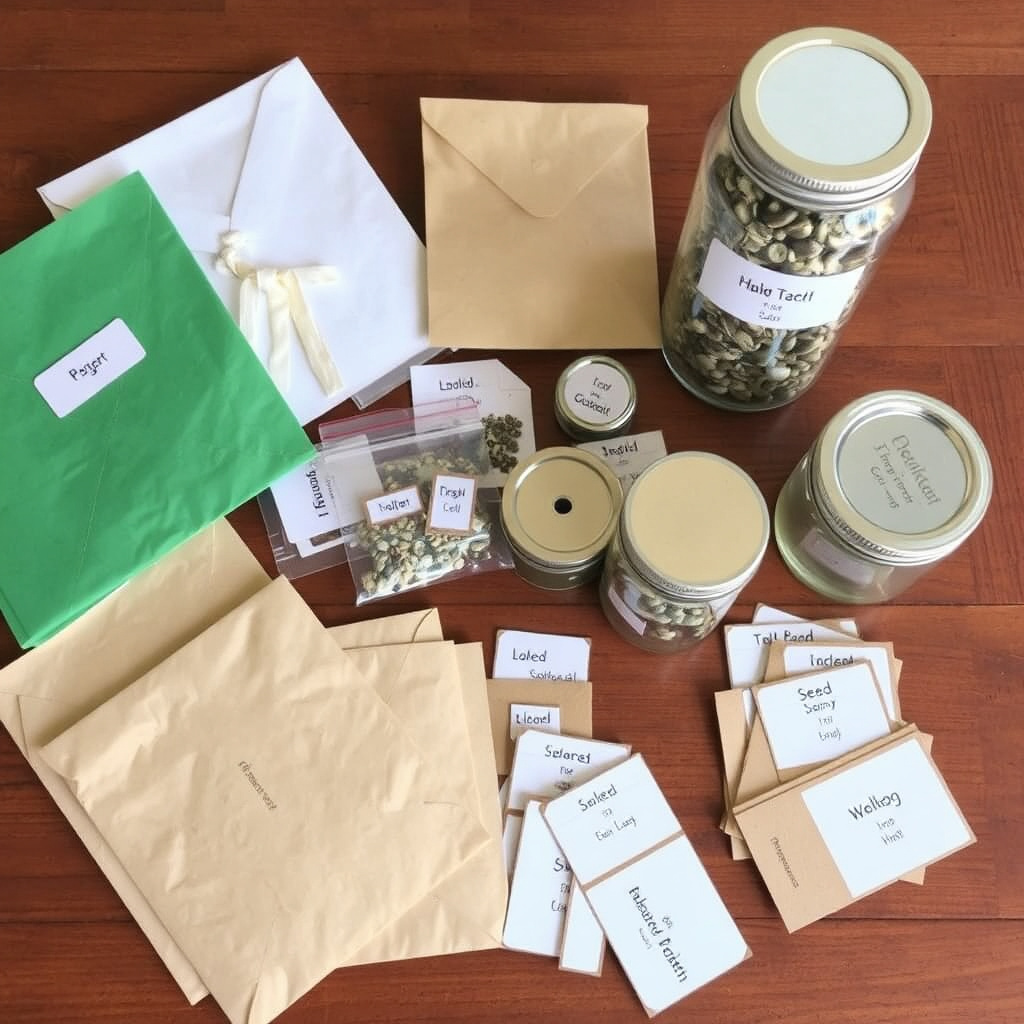
Essential Seed Saving Tools
Basic tools include scissors or pruners for harvesting, mesh bags or screens for drying, airtight containers for storage, and labels or notebooks for record keeping.
Having a clean, dry workspace reduces contamination risk during seed handling.
- Scissors or pruners
- Mesh drying racks
- Glass jars and envelopes
- Permanent markers and labels
For more on this, see our related guide: How to Read a Seed Catalog: A Complete Guide for Gardeners.
Advanced Tools for Seed Processing
For larger seed saving projects, sieves, seed cleaning machines, or moisture meters can improve seed quality and efficiency.
Seed banks or community seed saving groups often share these more specialized tools for gardeners looking to scale up.
- Seed cleaning sieves
- Moisture meters
- Seed saving kits
Benefits and Challenges of Seed Saving
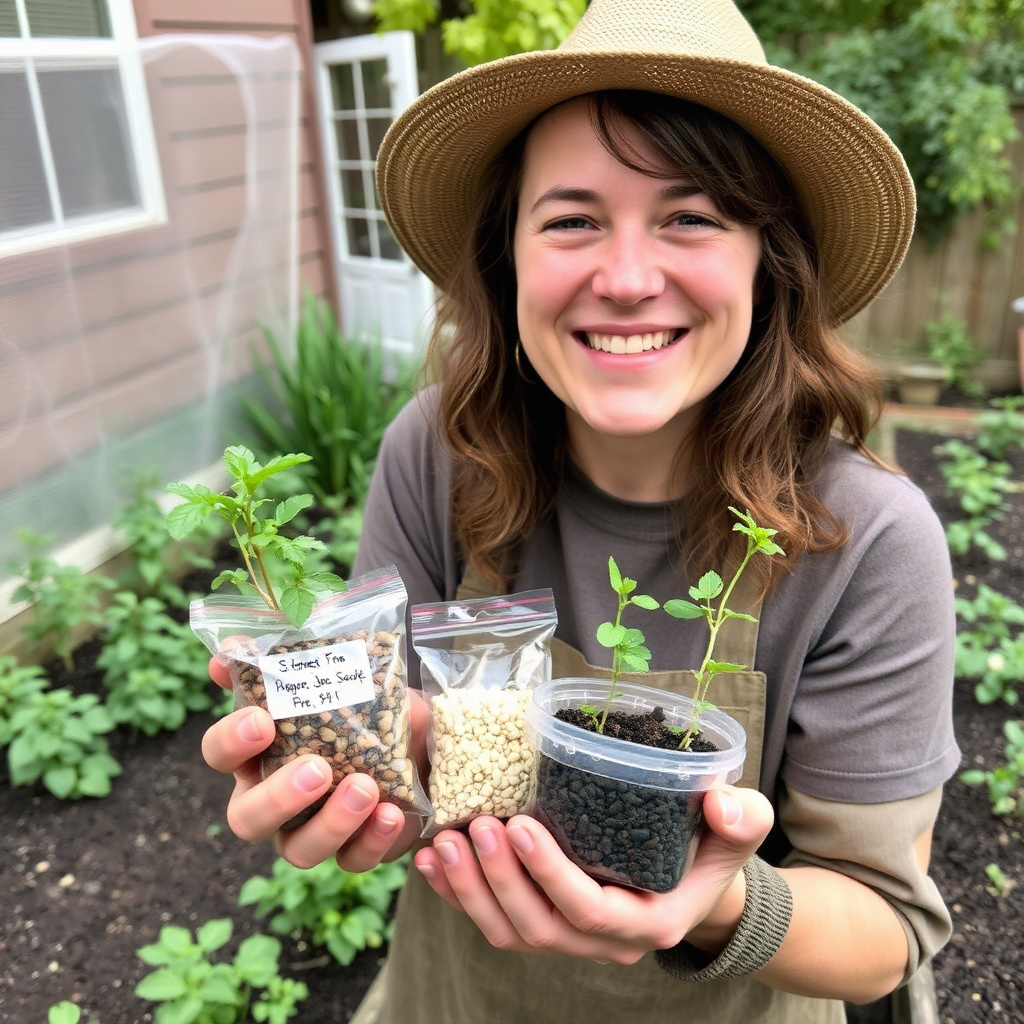
Advantages of Saving Your Own Seeds
Saving seeds reduces costs, preserves rare or heirloom varieties, promotes biodiversity, and gives gardeners self-reliance over their crops.
You gain control over seed quality and adaptability, often growing plants better suited to your local conditions.
- Cost savings
- Genetic preservation
- Sustainability
- Customization
For additional comprehensive information, consult the detailed overview of seed saving on Wikipedia. Seed saving on Wikipedia.
Potential Difficulties in Seed Saving
Challenges include labor involved, risk of cross-pollination, seed viability loss over time, and knowledge required to maintain pure strains.
Some plants require more skill to save seeds successfully, which might dissuade beginners without guidance.
- Cross-pollination risks
- Seed storage demands
- Time and effort required
Seed Saving Methods Category Comparison
This table compares common seed saving methods by key factors such as cost, complexity, and storage duration.
| Method | Cost | Ease of Use | Storage Duration | Best For |
|---|---|---|---|---|
| Basic Drying and Storage | Low | Easy | 1-3 years | Beginners, common vegetables |
| Fermentation Method (e.g., tomatoes) | Low | Moderate | 2-5 years | Fleshy fruits needing pulp removal |
| Hand-Pollination and Isolation | Moderate | Challenging | 3-5 years | Maintaining pure heirloom varieties |
| Community Seed Banks | Variable | Varies | Several years with controlled conditions | Large scale or rare seeds |
| Freezing Seeds | High | Moderate | 5-10 years | Long-term storage of rare seeds |
Frequently Asked Questions
Can I save seeds from hybrid plants?
Seeds from hybrid plants often do not produce true-to-type offspring, resulting in varied plant characteristics. They are generally not recommended for saving if you want consistent results.
How long do saved seeds remain viable?
Seed viability depends on the plant species and storage conditions. Most seeds last 1-5 years when stored properly in cool, dry environments.
Is special equipment necessary to save seeds?
Basic seed saving requires minimal equipment like scissors, drying space, and containers. Advanced tools can help but aren’t essential for beginners.
Can seed saving improve plant adaptation?
Yes, saving seeds from your local environment encourages plants better adapted to your climate and soil, improving resilience over time.
What common mistakes should I avoid when saving seeds?
Avoid collecting immature or diseased seeds, mixing varieties without labeling, and storing seeds in humid or warm spaces to prevent mold and loss of viability.
Key Takeaways
- Seed saving preserves plant varieties and enhances gardening sustainability.
- Open-pollinated and heirloom seeds are best suited for saving.
- Proper drying, cleaning, and storage are critical for seed longevity.
- Preventing cross-pollination safeguards seed purity.
Conclusion
Understanding the basics of seed saving equips gardeners to manage their own seed resources effectively. By collecting mature seeds from selected plants, cleaning them thoroughly, and storing under cool dry conditions, one can maintain valuable plant varieties across seasons. The practice supports biodiversity and offers emotional satisfaction through continuity and stewardship of garden genetics. Throughout this process, awareness of potential pitfalls like cross-pollination and seed viability loss is vital for successful outcomes.
Gardeners looking to preserve heirloom vegetables or adapt plants to local climates will benefit most from saving vegetable seeds and open-pollinated varieties. Simple methods, like drying and cold storage, work well for common crops, while more advanced techniques suit those invested in maintaining genetic purity or larger collections. Incorporating tools like mesh drying racks and seed envelopes can simplify operations, and exploring community seed banks can also expand access and knowledge.
Starting seed saving is rewarding with some patience and attention to detail. Begin by choosing familiar plants with stable open-pollinated seeds, experiment with collection timing and storage methods, and keep organized records. This hands-on practice strengthens gardening skills and contributes positively to sustainable food systems. Take the first step this season to conserve seeds from your favorite plants and enjoy the long-term benefits of this timeless garden tradition.