What Is a Humidity Dome and How It Benefits Plant Growth
A humidity dome is a clear plastic or glass cover placed over seedlings or plants to trap moisture and create a humid microenvironment. It helps maintain consistent humidity levels, which is essential for seed germination and healthy early growth stages. By preventing excess water loss, a humidity dome keeps the air around the plants moist, reducing transplant shock and allowing roots and leaves to develop properly.
Managing humidity is critical in the early life of many plants because dry air can stress tender seedlings and slow down germination. Humidity domes are simple tools that create a controlled environment to simulate rainforest-like conditions without needing a separate humidifier or enclosed greenhouse. This controlled moisture environment not only encourages faster sprouting but also reduces the risk of diseases caused by uneven watering or drying out.
This article will explore the primary functions of a humidity dome, its different types, how to use one effectively, common mistakes to avoid, and alternative solutions for maintaining seedling humidity. Whether you're an indoor gardener or use hydroponics, understanding humidity domes can improve your plant-starting success.
How a Humidity Dome Works to Support Plant Growth
Creating a Moisture-Retentive Environment
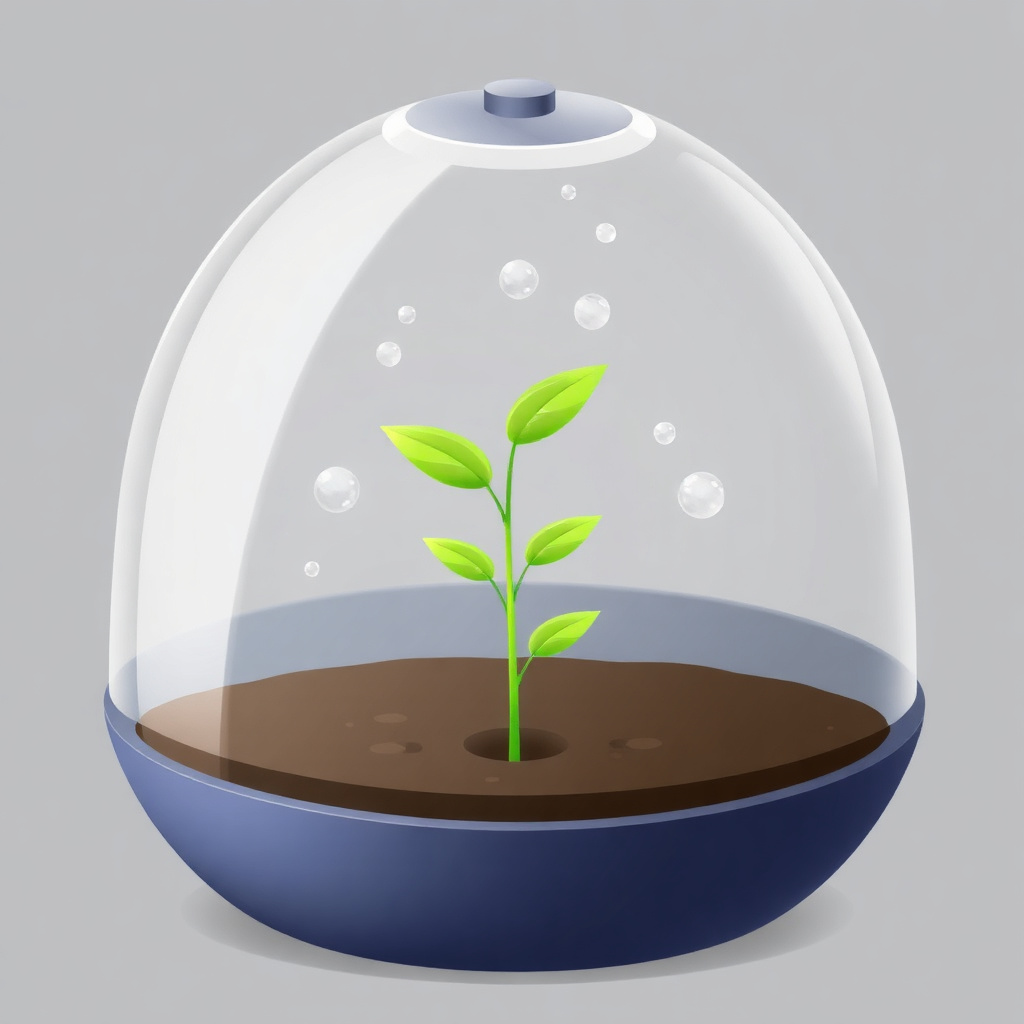
A humidity dome traps water vapor released by the soil and the plants themselves, increasing the relative humidity inside the enclosed space. This helps reduce evaporation rates and keeps the seedlings from drying out, mimicking natural conditions in rainforests or moist environments where young plants thrive.
By consistently maintaining high humidity levels, the dome supports delicate stems and foliage, which can otherwise wilt under dry air conditions. The enclosed moisture helps minimize water stress that would inhibit cell expansion and slow early growth.
Regulating Air Circulation and Temperature
Most humidity domes come with adjustable vents that allow growers to fine-tune airflow. Proper ventilation prevents mold growth while retaining enough humidity for seedlings. Controlled air movement also regulates temperature inside the dome, preventing overheating that can damage young plants.
The ability to modulate humidity and temperature makes domes versatile for various seed types with different moisture requirements, allowing gardeners to simulate optimal conditions for each species.
- Adjustable vents for ventilation
- Temperature moderation
- Prevention of fungal diseases
Types of Humidity Domes Available for Gardeners
Plastic Dome Trays and Kits
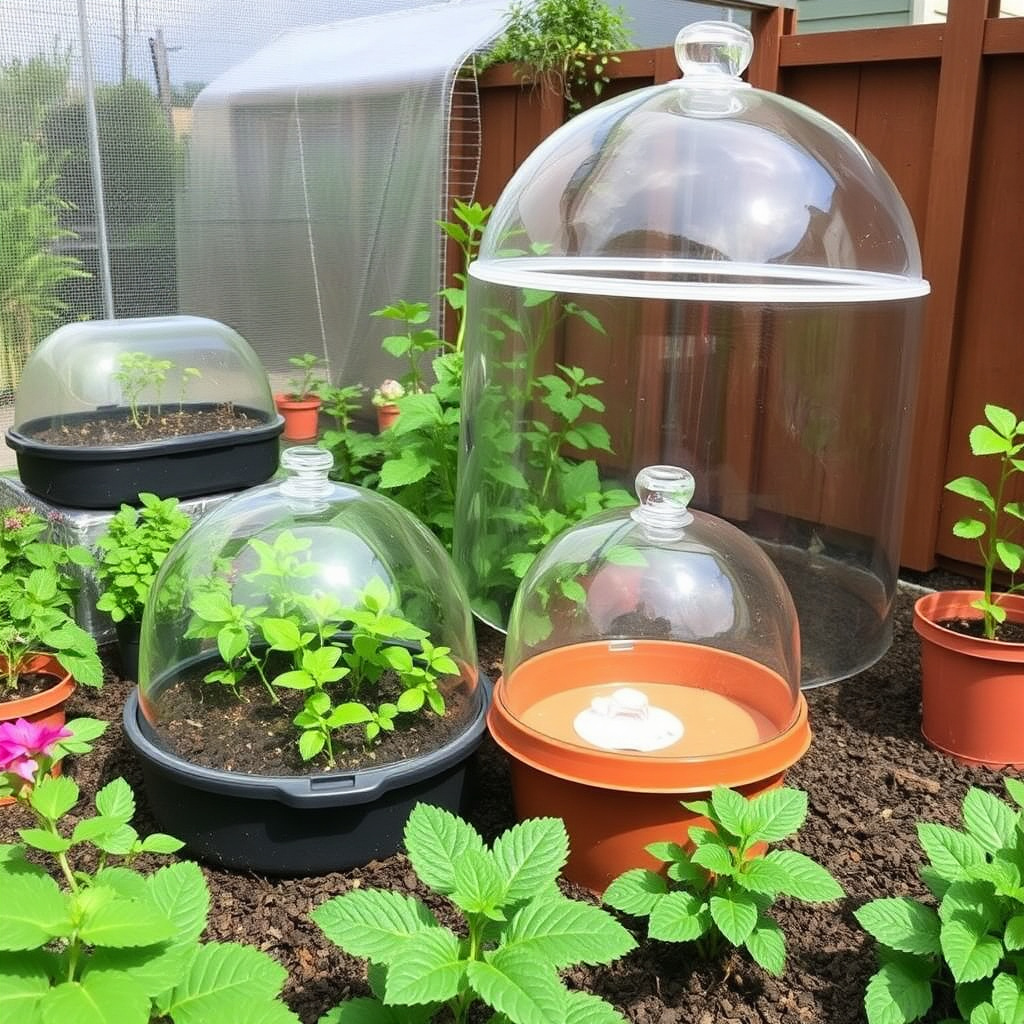
Plastic humidity domes are lightweight, affordable, and commonly sold with seed-starting trays. They often come with snap-on lids and adjustable ventilation slots, making them user-friendly for beginners. These domes are designed for mass seed starting and fit standard propagation trays.
Their durability and ease of cleaning make plastic domes a popular choice. However, they can sometimes trap too much heat if ventilation is inadequate, so careful monitoring is advised.
- Lightweight and portable
- Often sold in kits with trays
- Easy to clean and reuse
For more on this, see our related guide: How to Care for Seedlings: Essential Tips for Healthy Plant Growth.
Glass and DIY Humidity Domes
Some gardeners prefer glass domes for their clarity, durability, and aesthetic appeal. Glass domes provide excellent visibility but are heavier and more fragile. DIY options using clear plastic containers or repurposed jars offer inexpensive solutions but may lack adjustable vents.
Homemade domes can be customized to fit unique container sizes and allow gardeners to get creative, though they require extra attention to airflow to prevent mold or overheating.
- Clear visibility
- Customizable sizes
- Needs manual ventilation adjustments
Using a Humidity Dome Effectively for Seedling Success
When and How to Use the Dome
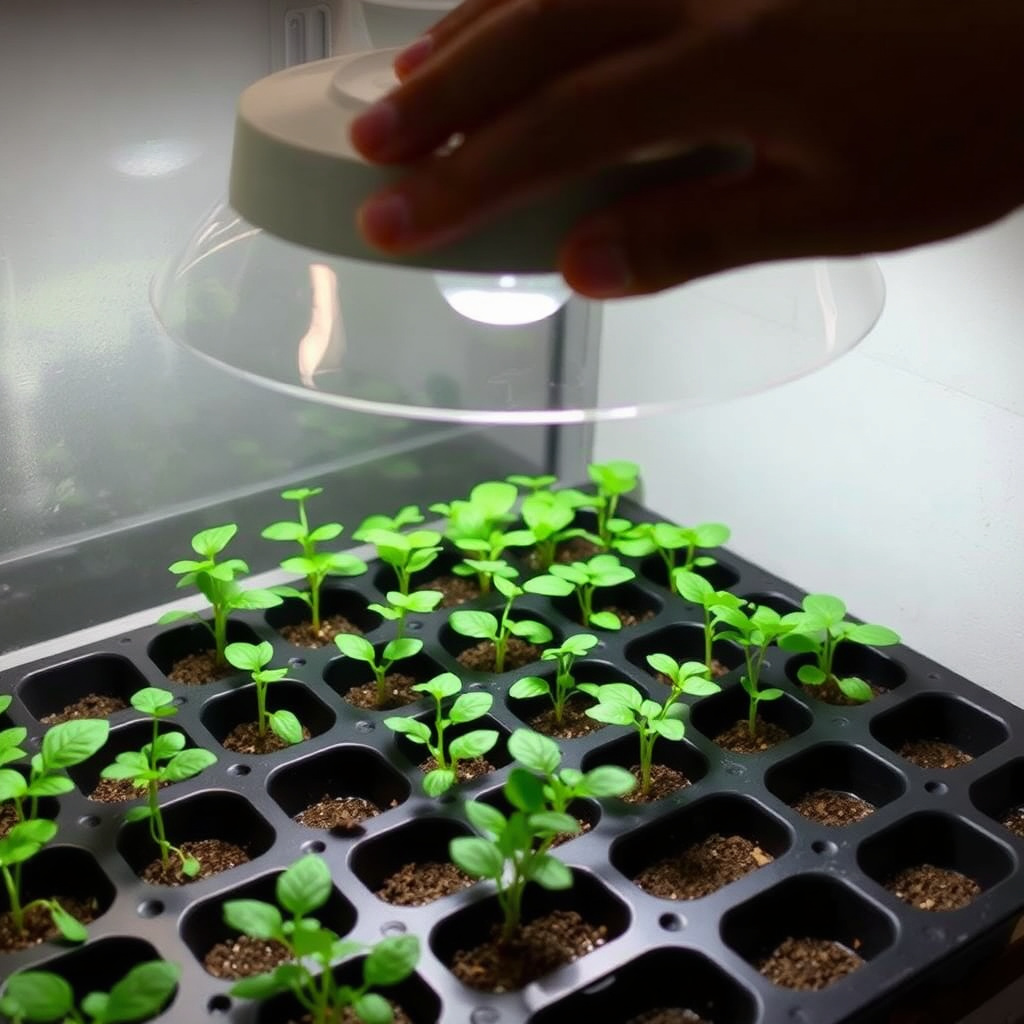
Place the dome immediately after sowing seeds to retain moisture vital for germination. Keep the dome on until seedlings develop their first set of true leaves, then gradually remove or open vents to acclimate plants to lower humidity.
Water the soil before covering to avoid dry conditions. Monitor daily for condensation and excess moisture buildup, which should be cleared by opening vents or briefly removing the dome to maintain healthy airflow.
- Start with vents closed
- Open vents as seedlings grow
- Remove dome gradually to harden off plants
Common Mistakes to Avoid
Leaving the humidity dome sealed for too long can cause fungal diseases due to stagnant air and excessive moisture. Not adjusting vents in response to plant growth or room temperature may result in overheating or mold.
Another error is neglecting to water the soil before placing the dome, which defeats the purpose as plants may wilt inside a dry environment. Regular monitoring helps prevent these issues.
- Avoid sealed domes for extended periods
- Adjust ventilation regularly
- Ensure soil is moist before covering
Alternatives to Humidity Domes for Seedling Humidity Control
Using Grow Tents and Misting Systems
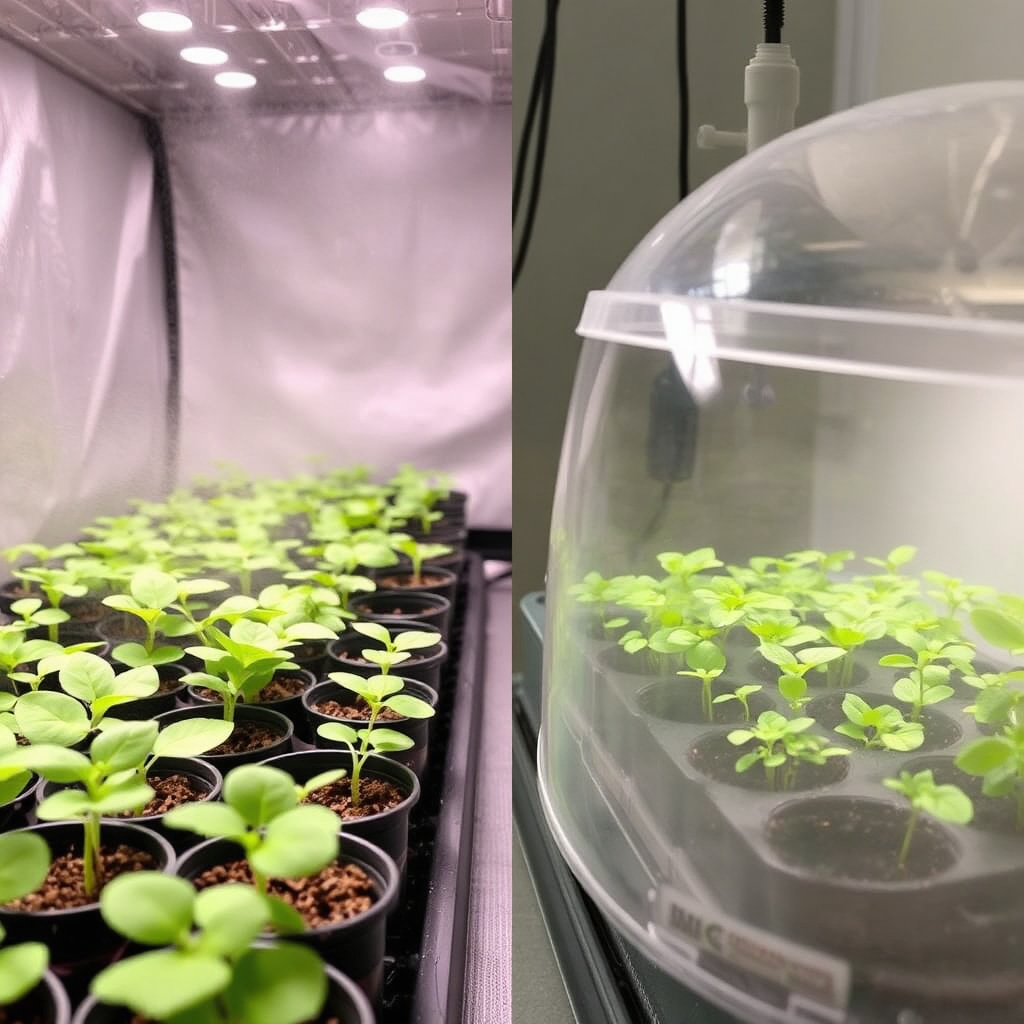
Grow tents equipped with misting or fogging systems offer a larger scale solution for humidity control. These setups create consistent moisture and temperature conditions over many plants but require more investment and space.
Misting regularly provides humidity without enclosing plants in a dome but requires active management and the risk of uneven moisture distribution.
- Covers larger growing areas
- Automated misting provides consistent humidity
- Requires more equipment and space
For more on this, see our related guide: How to Transplant Cannabis Seedlings: Step-by-Step Guide for Healthy Growth.
DIY Alternatives for Larger Areas
Placing clear plastic sheets over trays or containers can imitate a humidity dome effect when domes are unavailable. Using trays with lids that seal well also allows maintaining moisture around seedlings.
These options may lack precise ventilation control, so frequent checking and adjustment are necessary to avoid problems like overheating or fungal growth.
- Plastic sheeting as a cover
- Sealed trays for moisture retention
- Needs manual monitoring
Maintaining Healthy Seedling Humidity Throughout Growth
Monitoring Moisture Levels Regularly
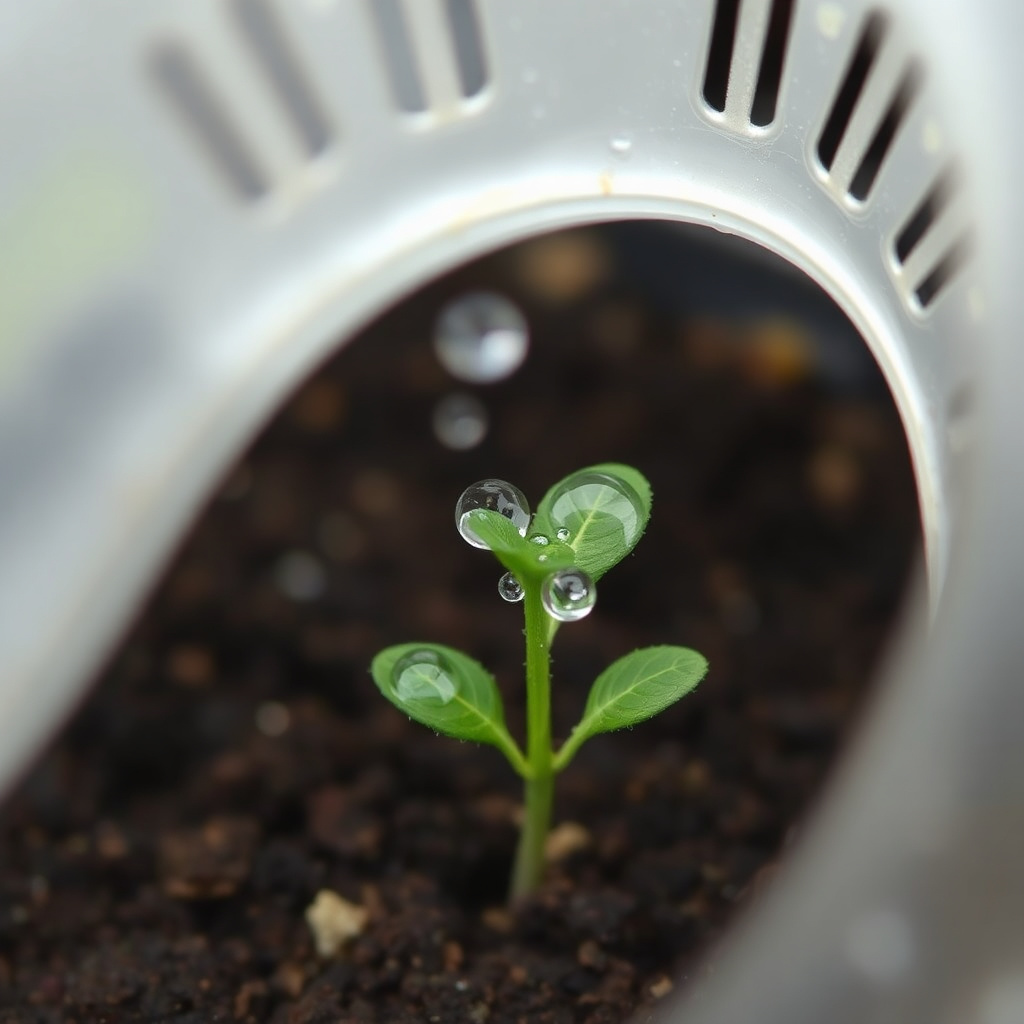
Consistent monitoring helps balance moisture retention and air exchange to prevent seedling stress. Condensation buildup signals high humidity but may also indicate poor air circulation. Adjust vents and remove domes as necessary to improve airflow.
Daily checks of soil moisture inside the dome can help avoid drying out or waterlogging, both of which impede healthy root development.
For more detailed technical background on humidity and plant growth, see this authoritative article on humidity control in horticulture. Humidity control in horticulture.
Gradual Dome Removal and Plant Hardening
As seedlings mature, progressively increasing ventilation and removing the dome acclimates plants to ambient air conditions, reducing shock from humidity changes. This process, known as hardening off, strengthens plant resilience.
Removing the dome too quickly or leaving it on too long can delay growth or cause stress. A gradual approach over several days provides the best outcome.
- Increase vent opening daily
- Remove dome incrementally over 3-7 days
- Expose plants to outdoor conditions slowly
Humidity Dome Types Comparison
Here’s a comparison of common humidity dome options to help you decide which fits your gardening needs best.
| Type | Material | Ventilation Options | Durability | Suitability |
|---|---|---|---|---|
| Plastic Dome Trays | Polycarbonate or PVC | Adjustable slots | Moderate | Beginner gardeners, seed-start kits |
| Glass Domes | Glass | Manual venting needed | High but fragile | Aesthetic setups, small batches |
| DIY Plastic Containers | Various plastics | Usually none | Variable | Budget-friendly, custom sizes |
| Grow Tent + Misting | Fabric with plastic lining | Automatic misting | High | Large scale or hydroponic setups |
Frequently Asked Questions
How long should I keep a humidity dome on my seedlings?
Typically, keep the dome on until seedlings develop their first true leaves, usually 7 to 14 days, then gradually open vents and remove it to prevent mold and harden seedlings.
Can I reuse a humidity dome for multiple planting cycles?
Yes, most humidity domes made of plastic or glass can be cleaned and reused multiple times, but it’s important to sanitize them between uses to avoid disease transfer.
What if condensation forms inside the humidity dome?
Condensation is normal but excessive moisture can encourage mold; adjust vents or briefly remove the dome to improve airflow and reduce moisture buildup.
Are humidity domes suitable for all types of seeds?
Humidity domes benefit many seeds, especially those that require consistent moisture, though some seeds that prefer drier conditions might not need domes and may risk fungal issues if covered.
Can I make my own humidity dome at home?
Yes, clear plastic containers, fish bowls, or repurposed jars can serve as DIY humidity domes, but ensure some airflow to prevent mold and overheating.
Key Takeaways
- A humidity dome creates a moist environment that benefits seed germination and seedling growth.
- Adjustable ventilation helps control airflow and prevent fungal growth under the dome.
- Different dome types suit various scales and budgets, from plastic trays to glass or DIY options.
- Gradually removing the dome hardens off seedlings and promotes healthy plant acclimation.
Conclusion
Understanding what a humidity dome is and how it functions can greatly improve your success when starting seeds indoors. The dome's primary role is to maintain a steady, high humidity environment that prevents water stress and encourages healthy, rapid germination. Choosing the right type and managing ventilation vigilantly are key to avoiding mold and overheating. Thoughtful use of this tool bridges the early difficult days from sowing to the seedling stage, ensuring young plants get the moisture stability they need without risking disease.
For amateur gardeners or those using small-scale seed trays, plastic dome kits offer an accessible and budget-friendly option with easy maintenance. More experienced gardeners or those who prefer aesthetically pleasing setups might opt for glass domes, though these demand careful ventilation management. Large-scale growers and hydroponic enthusiasts may turn to grow tents with misting systems to achieve uniform humidity without domes. Whichever option you choose, remember that the secondary keyword seedling humidity control is critical for robust and healthy growth, and humidity domes or their alternatives play a vital role in achieving it.
If you’re starting seeds for the first time or struggling with dampening off and slow germination, investing in a humidity dome or an alternative seedling humidity control method is a practical next step. Begin with monitoring moisture and ventilation closely and gradually train your seedlings to grow in ambient air by carefully removing the dome. With attention and consistent care, humidity domes are an effective, simple solution to give your young plants the best start possible.