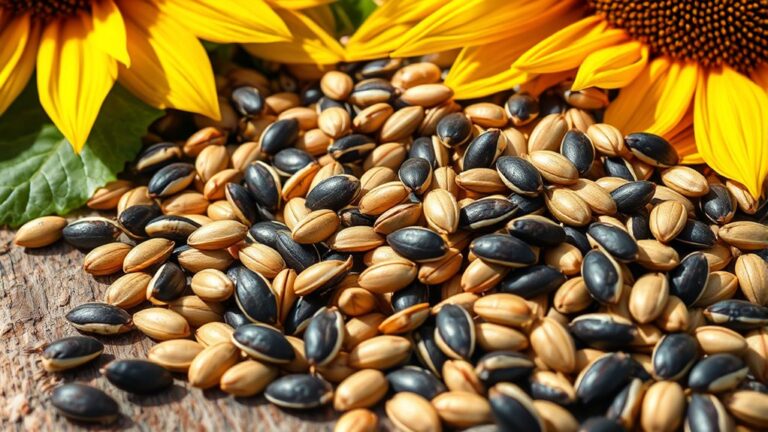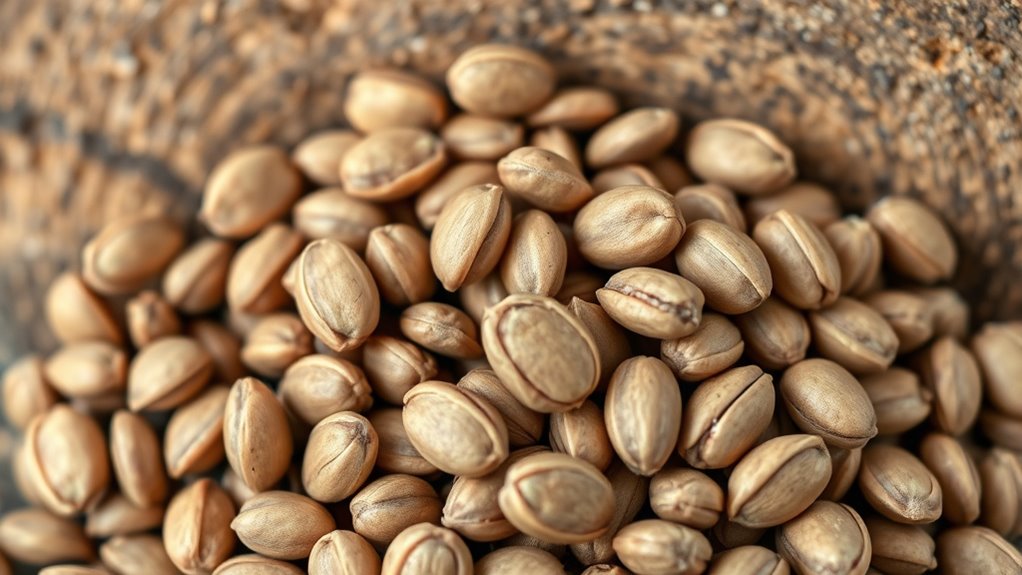
What Are Hemp Seeds?
Many people struggle to find nutrient-rich foods that are both good for their health and environmentally friendly. If you’re looking to boost your nutrition without complicating your diet, hemp seeds might be just what you need.
Hemp seeds are small, nutrient-dense kernels from the hemp plant, known for their complete protein and healthy fats. You can add them to salads, smoothies, or baked goods for extra nutrition. They are rich in omega-3 and omega-6 fatty acids, vitamins, and minerals, making them a superfood.
Cultivated mainly by China, Canada, and Europe, hemp seeds support sustainable farming practices.
Keep exploring to uncover how these tiny seeds can boost your health and environmental impact.
Key Takeaways
Hemp seeds are small, nutrient-rich seeds from the Cannabis sativa plant. They’re used for food, oil, and industrial purposes.
They offer complete plant-based protein, containing all nine essential amino acids. Plus, they’re high in omega-3 and omega-6 fatty acids, fiber, vitamins, and minerals.
You can enjoy hemp seeds in different forms, like whole, hulled, or as hemp seed oil. And the best part? Growing hemp is sustainable, needing less water and helping improve soil health.
What Are Hemp Seeds and Where Do They Come From?
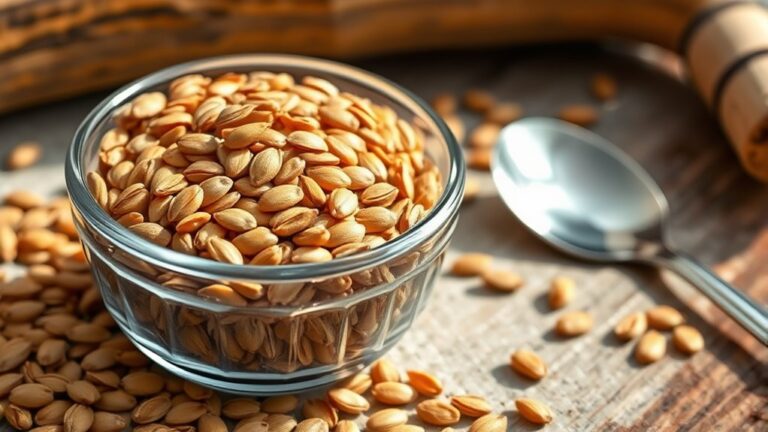
Hemp seeds are small, brown or grayish seeds that come from the hemp plant, a variety of the Cannabis sativa species. Their origins go back thousands of years to ancient Asian civilizations, where they were grown for food, fiber, and oil.
Hemp seeds, tiny and versatile, have a rich history dating back thousands of years in ancient Asian cultures.
Today, hemp seed origins are global, with countries like China, Canada, and European nations leading production. There are different hemp seed varieties, each suited for specific uses like nutritional supplements or industrial purposes.
Some varieties are bred to have higher oil content, while others focus on seed size or flavor. Despite their close relation to marijuana, hemp seeds contain very little THC, making them safe and legal to eat in many regions.
Knowing about hemp seed origins and the different types helps you understand their versatility and long history as a healthy, sustainable crop.
How Are Hemp Seeds Cultivated and Harvested?
If you’re looking to grow healthy hemp seeds, the first thing to consider is choosing the right time and method for planting. Typically, it’s best to plant in early spring or late summer when the conditions are just right. Hemp really loves well-drained soil and lots of sunshine, so make sure your planting spot checks those boxes for the best growth.
When it’s finally time to harvest, you’ll want to use some specialized techniques to gather the seeds efficiently. The goal is to do this carefully so you don’t damage the plants or the seeds. With the right approach, you’ll be able to collect high-quality hemp seeds for whatever purpose you have in mind.
Planting Methods and Timing
Planting hemp seeds needs careful timing and proper methods to ensure healthy growth. You should plant seeds when soil temperatures reach around 50-60°F and avoid overly wet conditions.
Proper seed spacing is important so each plant gets enough nutrients. Space the seeds about 3-4 inches apart in rows for good airflow and growth.
The planting depth matters too; aim for 1-2 inches deep. This helps protect the seeds and encourages germination.
Use this table for guidance:
| Step | Details | Tips |
|---|---|---|
| Seed Spacing | 3-4 inches between seeds | Keep even spacing for airflow |
| Planting Depth | 1-2 inches deep | Avoid planting too shallow or deep |
| Timing | When soil temp hits 50-60°F | Plant in spring after the last frost |
Growth Conditions Required
Growing healthy hemp requires specific environmental conditions, including adequate sunlight, well-drained soil, and the right temperature range.
Your soil should meet certain requirements—loamy, nutrient-rich, and with good drainage—to support strong growth. Hemp prefers a warm climate with consistent light exposure, typically between 16 and 20 hours of sunlight during the growth cycle.
Choosing the right seed varieties suited to your climate and soil helps optimize yield. During growth, pest management is essential to prevent damage, so regular monitoring and natural controls are recommended.
Hemp’s nutrient needs include nitrogen, phosphorus, and potassium, which you should supply through proper fertilization. Understanding these climate preferences and soil requirements guarantees healthy development and a successful harvest.
Harvesting Techniques Used
Harvesting hemp seeds involves carefully timing the process to ensure maximum yield and seed quality. Once the seeds are mature, specialized machinery is used to collect them efficiently.
Timing is key—harvest too early and the seeds might still be immature. Wait too long, and they could shatter or degrade, reducing your overall quality.
After harvesting, the next steps are drying, cleaning, and sorting to keep the seeds in top condition. These processes help maintain seed quality and uniformity.
Here’s a quick overview of the main techniques involved:
| Step | Equipment Used | Purpose |
|---|---|---|
| Maturity assessment | Visual inspection | Determine the best time to harvest |
| Harvesting | Combine harvesters | Collect the seeds efficiently |
| Drying | Air drying or dryers | Lower moisture content |
| Cleaning | Seed cleaners | Remove debris and chaff |
| Sorting | Gravity or optical sorters | Ensure seed uniformity |
What Makes Hemp Seeds a Superfood? Nutritional Benefits Explained
Hemp seeds are considered a superfood because they pack a powerful nutrient punch in each serving. Their nutrient profile includes high-quality plant protein, healthy omega-3 and omega-6 fatty acids, fiber, vitamins, and minerals.
This combination supports heart health, boosts immunity, and promotes overall well-being. The superfood claims come from their dense nutritional content and versatility.
Unlike many other seeds, hemp seeds contain all nine essential amino acids, making them a complete protein source perfect for plant-based diets. They’re also rich in antioxidants, which help protect your cells from damage.
The healthy fats in hemp seeds contribute to improved cholesterol levels and brain health. Plus, their high fiber content aids digestion and keeps you full longer.
Because of these benefits, hemp seeds have gained recognition as a superfood, offering a simple yet effective way to improve your diet with essential nutrients.
How Do Hemp Seeds Compare to Other Similar Seeds?
When comparing hemp seeds to other similar seeds like chia, flax, and pumpkin seeds, you’ll notice each has its own unique benefits. Hemp seed nutrition really stands out because it provides a complete plant-based protein with all nine essential amino acids.
Unlike flax and chia seeds, which are high in omega-3 fatty acids, hemp seeds also offer a balanced ratio of omega-6 to omega-3 fats, supporting overall health. Hemp seed varieties come in different forms—hulled, cold-pressed oil, or whole seeds—giving you plenty of options to use.
Chia and flax seeds are typically rich in fiber and antioxidants, but hemp seeds bring additional perks with their high-quality protein and healthy fats. While pumpkin seeds excel in minerals like magnesium and zinc, hemp seeds offer a broader nutrient profile that complements or even surpasses other seed types.
What Are the Health Benefits of Eating Hemp Seeds?
Eating hemp seeds offers numerous health benefits that can improve your overall well-being. These tiny seeds have an impressive nutritional profile, packed with high-quality protein, healthy fats, fiber, vitamins, and minerals.
They are especially rich in omega-3 and omega-6 fatty acids, which support heart health and help reduce inflammation. Hemp seeds also contain all nine essential amino acids, making them a complete protein source perfect for vegetarians and vegans.
Regular consumption can boost your energy levels, support digestion, and promote healthy skin. However, it’s important to be aware of potential health risks. While hemp seeds are generally safe, eating them in excess may cause digestive discomfort or allergic reactions in some people.
As with any supplement, moderation is key. Incorporating hemp seeds into your diet can be a nutritious choice that offers many health benefits. Always consider your individual health needs and consult a healthcare professional if necessary.
How Can You Incorporate Hemp Seeds Into Your Diet?
Incorporating hemp seeds into your diet is simple and versatile. You can sprinkle them on salads for added crunch or blend them into smoothies for a nutritious boost.
Hemp seeds are easy to add to salads or smoothies for a nutritious, crunchy boost.
Adding hemp seed granola to your breakfast gives you extra fiber and protein, making your meal more filling. Hemp seed dressings are another easy way to enhance salads, drizzling over greens for a nutty flavor.
For snacks, try hemp seed energy bars or mix them into yogurt or trail mixes to stay energized throughout the day. These tiny seeds also work well as toppings for oatmeal, cottage cheese, or baked goods.
Their mild, nutty flavor complements many dishes, making it easy to include them in your daily routine. With so many options, hemp seeds can become a staple ingredient to enjoy their health benefits effortlessly.
Are Hemp Seeds Safe? What You Need to Know
Are hemp seeds safe to include in your diet? Generally, yes. Hemp seed safety has been well established, and they’re considered a nutritious addition.
However, it’s important to be aware of potential nutritional concerns. Hemp seeds contain healthy fats, protein, and essential minerals, making them a beneficial supplement.
Still, some people might experience digestive issues if they consume large quantities, so moderation is key. Furthermore, because hemp seeds come from the Cannabis sativa plant, there’s often concern about THC content.
But reputable sources guarantee their seeds have negligible THC levels, making them safe for most people. If you’re pregnant, nursing, or on medication, it’s wise to consult your healthcare provider before adding hemp seeds to your diet.
Cooking and Baking With Hemp Seeds: Tips and Easy Recipes
Hemp seeds are super versatile and easy to add to all kinds of recipes, boosting flavor and nutrition. They’re packed with healthy fats, protein, and minerals, making them a great upgrade for your meals.
When cooking or baking, try sprinkling hemp seeds on salads, yogurt, or smoothies for a quick flavor boost. They taste great with chocolate, berries, or citrus, enhancing the overall flavor.
Use different techniques like roasting or blending to create tasty toppings or add hemp seeds to baked goodies like muffins, energy bars, or bread. It’s a simple way to vary recipes.
To keep hemp seeds fresh, store them in an airtight container in a cool, dark place. Incorporating them into your cooking is easy and adds both flavor and health benefits with minimal effort.
What Is the Environmental Impact of Growing Hemp for Seeds?
Growing hemp for seeds can actually be pretty sustainable. It doesn’t need as much water as some other crops, which is a big plus for conserving resources. Plus, it helps improve soil health by reducing erosion and boosting nutrient levels, so it’s good for the land.
And here’s another cool thing — hemp can absorb carbon dioxide from the atmosphere, which means it helps reduce greenhouse gases. All in all, it’s a pretty eco-friendly crop!
Water Usage Efficiency
Although hemp seeds need a moderate amount of water compared to some crops, their overall water use remains pretty efficient. This makes them a sustainable option for farmers who care about the environment.
To get the most water efficiency, you can try simple water-saving strategies and modern irrigation methods. For example:
- Use drip irrigation to deliver water right to the plant roots and cut down on waste.
- Keep soil moisture sensors to check and fine-tune watering schedules.
- Practice mulching to hold in soil moisture and reduce evaporation.
These techniques help save water, cut costs, and support sustainable farming. Hemp’s flexible growth and the ability to use efficient irrigation make it an eco-friendly crop that promotes water conservation.
Soil Health Benefits
When grown responsibly, hemp for seeds can really boost soil health by improving its structure and nutrients. Its deep roots help stop soil erosion, keeping the land stable during heavy rains.
Hemp’s quick growth boosts nutrient retention, which means less need for chemical fertilizers. As it decomposes, it adds organic matter and enriches the soil over time.
This crop also helps break up compacted soil, improving aeration and water absorption. All of this supports healthier plants and better overall soil quality.
The table below highlights key benefits:
| Soil Erosion | Nutrient Retention | Organic Matter |
|---|---|---|
| Roots stabilize soil | Keeps nutrients in soil | Decomposes, enriching soil |
| Prevents runoff | Reduces fertilizer needs | Boosts soil fertility |
| Protects land | Supports plant growth | Improves structure |
Carbon Sequestration Potential
Hemp for seeds has a remarkable ability to absorb and store atmospheric carbon dioxide, making it a valuable tool in fighting climate change. Its fast growth and deep roots help with carbon capture, boosting soil carbon levels and supporting sustainable farming.
Growing hemp also improves climate resilience by enhancing soil health and reducing dependence on less eco-friendly practices. To get the most environmental benefits, consider these key points:
- Practice eco-friendly methods like crop rotation and minimal tillage.
- Use hemp to sequester carbon in the soil and increase soil carbon storage.
- Promote hemp cultivation as part of climate-resilient farming systems.
The Future of Hemp Seeds in Food and Sustainable Farming
As interest in sustainable agriculture keeps growing, hemp seeds are becoming a versatile and eco-friendly crop with big potential for the future of food.
Their quick growth, low water needs, and ability to improve soil make them perfect for sustainable farming practices.
Innovations are expanding, especially in creating eco-friendly packaging materials that replace plastics, thanks to hemp’s strong fibers and biodegradability.
This shift helps reduce environmental impact and encourages eco-conscious consumption.
You’ll see more hemp-based foods, like protein powders and oils, gaining popularity for their nutritional benefits.
Farmers are also adopting hemp to diversify crops and improve soil quality, supporting long-term sustainability.
As research advances, new uses in food and packaging will keep emerging, making hemp an essential part of future farming and greener solutions.
You’re at the forefront of this exciting move toward more sustainable and eco-friendly food systems.
Frequently Asked Questions
Are Hemp Seeds Suitable for People With Nut Allergies?
Hemp seeds are generally suitable for people with nut allergies, but it’s important to consider allergy risks first. While they aren’t nuts, cross-contamination can happen during processing, so always check labels carefully.
Hemp seed benefits include being rich in protein, healthy fats, and essential nutrients. If you’re worried about allergies, it’s best to talk with your healthcare provider first.
Many people find hemp seeds a safe and nutritious addition to their diet, but it’s good to be cautious if you have nut allergies.
What Is the Best Way to Store Hemp Seeds to Maintain Freshness?
To keep hemp seeds fresh, store them in an airtight container in a cool, dark place. Your fridge or freezer are great options since they can last up to a year when refrigerated.
Storing them this way helps preserve their nutritional profile and prevents oxidation, which can cause rancidity. Always keep them away from light, heat, and humidity.
After each use, make sure to reseal the container tightly to maintain freshness.
Can Hemp Seeds Be Used in Vegan or Gluten-Free Recipes?
Yes, you can definitely use hemp seeds in vegan or gluten-free recipes. They offer great nutritional benefits like healthy fats, protein, and omega-3s, making them a fantastic addition.
You might add them to smoothies, salads, or energy bars for extra texture and nutrition. Hemp seeds are really versatile, so trying them in vegan muffins or gluten-free granola can boost both flavor and health benefits with ease.
How Do Hemp Seeds Affect Hormone Levels in Humans?
Like a gentle tide, hemp seeds influence your hormone balance by supplying omega-3s and plant compounds that support endocrine health. You may notice improved regulation and stability in hormones thanks to their seed benefits.
These tiny powerhouses don’t disrupt your system; instead, they help maintain harmony. That makes them an excellent addition to your diet if you’re looking for natural ways to support hormonal well-being.
Are There Any Known Drug Interactions With Hemp Seed Consumption?
Hemp seed benefits include nutritious omega-3s and protein, and they generally pose minimal risk for drug interactions. This makes hemp seed safety quite high.
However, if you’re on blood thinners or other medications, it’s a good idea to check with your healthcare provider before adding large amounts of hemp seeds to your diet. They may slightly affect blood clotting.
Conclusion
So, now that you know hemp seeds are basically nature’s tiny powerhouses, it’s clear they’re here to stay. From their nutritious punch to their eco-friendly charm, they’re like the overachievers of the seed world.
So go ahead, sprinkle some on your salad or bake them into your bread. Because if saving the planet and boosting your health isn’t enough, at least you’ll enjoy the crunch! Who knew tiny seeds could be so mighty?