How to Eat Alsi Seeds for Beginners
Are you interested in boosting your health but feeling overwhelmed by new superfoods? You’re not alone—many people struggle with how to start incorporating nutritious seeds like Alsi into their diet. It’s natural to feel unsure about where to begin.
To start eating Alsi seeds, begin by consuming small amounts like one teaspoon daily, preferably ground for better absorption. You can add them to smoothies, sprinkle on yogurt or oatmeal, or use a flaxseed egg in baking.
Make sure to store seeds properly, stay hydrated, and gradually increase your intake to avoid bloating.
Incorporating flaxseeds into your meals is easy and healthy—continue exploring ways to make them part of your daily routine for maximum benefits.
Key Takeaways
- Start with small portions, like one teaspoon daily, and gradually increase as your body adjusts.
- Prefer ground flaxseeds over whole for better digestion and nutrient absorption.
- Mix flaxseeds into breakfast foods like smoothies, oatmeal, or yogurt for an easy way to enjoy them.
- Use ground flaxseed as an egg substitute in baking by combining 1 tablespoon with 3 tablespoons of water.
- Store flaxseeds in an airtight container in a cool, dark place to keep them fresh and retain nutrients.
What Are Alsi Seeds (Flaxseeds) and Why Are They Good for You?
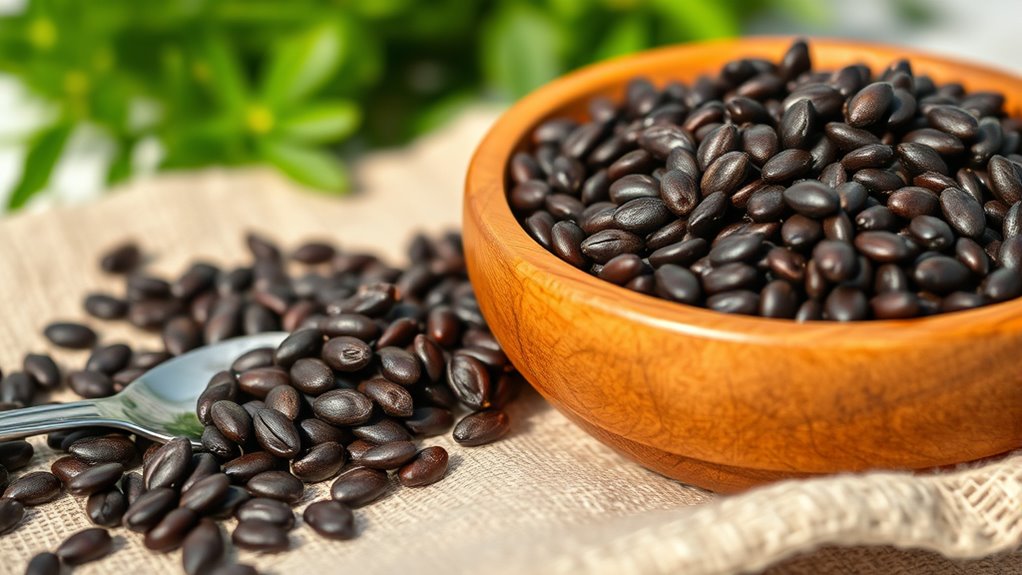
Alsi seeds, commonly known as flaxseeds, are small, nutrient-dense seeds packed with health benefits. They have a rich nutrient profile that includes omega-3s, fiber, and antioxidants.
These seeds are great for your heart because they can help lower cholesterol and reduce inflammation. Their high fiber content also supports healthy digestion, preventing constipation and helping your gut work better.
Flaxseeds can even help with weight management by making you feel full longer thanks to their healthy fats and fiber. Plus, their antioxidants fight oxidative stress, protecting your cells from damage.
Adding flaxseeds to your diet is a simple way to boost your overall wellness. Whether in smoothies, cereals, or baked goods, they’re an easy, nutritious addition for long-term health.
Preparing Alsi Seeds: Grinding, Toasting, and More
Once you’ve decided to include flaxseeds in your diet, preparing them properly can maximize their health benefits. Grinding the seeds is essential because it reveals their full nutritional profile, allowing your body to absorb omega-3 fatty acids, fiber, and lignans more effectively.
Grinding flaxseeds unlocks their full nutritional benefits for better absorption and health.
To improve flavor and make them more appealing, light toasting is a good idea. Just toast them in a dry skillet over medium heat for a few minutes, stirring constantly. Be careful not to overdo it to prevent nutrient loss.
Another option is soaking the flaxseeds, which makes them easier to digest. Keep in mind that whole flaxseeds might pass through your system undigested, reducing their benefits.
Proper preparation not only preserves the nutritional profile but also boosts digestibility. Whether you grind, toast, or soak, these techniques help you get the most nutrients from your flaxseeds and make them a healthy addition to your meals.
How to Start Eating Alsi Seeds Without Digestive Discomfort
Starting to eat flaxseeds can sometimes cause digestive discomfort if your body isn’t used to them, but easing into their consumption can help prevent any issues. To enjoy the flaxseed benefits and support your digestive health, start with small portions—about a teaspoon daily.
Gradually increase the amount as your body adjusts. It’s best to consume ground flaxseeds rather than whole because they’re easier to digest and help your body absorb nutrients more effectively. Drinking plenty of water throughout the day also helps fiber do its job smoothly.
If you experience bloating or discomfort, reduce your intake temporarily and then slowly build up again. Keep in mind that flaxseeds are rich in omega-3 fatty acids and fiber, which promote digestive health.
Patience and moderation are key to integrating flaxseeds into your diet comfortably, allowing you to enjoy their full benefits without upsetting your stomach.
Easy Breakfast Ideas Using Flaxseeds
Incorporating flaxseeds into your breakfast is an easy way to boost your morning nutrition. You can add ground flaxseeds to many dishes for a subtle nutty flavor and extra health benefits.
Try blending flaxseeds into smoothies for a creamy, nutritious drink. Top your breakfast bowls with a sprinkle of ground flaxseeds for more fiber.
Mix flaxseeds into oatmeal or yogurt to add texture and health perks. You can also incorporate flaxseed meal into pancake or waffle batter for a wholesome twist.
Stir flaxseeds into your favorite fruit compote or jam for a nutrient boost. These ideas are quick, easy, and adaptable, helping you include flaxseeds naturally in your morning routine.
Creative Ways to Add Flaxseeds to Your Snacks and Smoothies
Adding flaxseeds creatively to your snacks and smoothies can boost their nutrition and flavor easily.
For snacks, sprinkle ground flaxseeds over yogurt, oatmeal, or salads to add fiber and omega-3s. You can also mix flaxseeds into energy balls or homemade granola bars for extra crunch and health benefits.
In smoothies, blend a tablespoon of ground flaxseeds into your favorite fruit or veggie blends. It thickens the texture and adds a nutty flavor that pairs well with berries, bananas, or spinach.
If you want a smoother consistency, pre-soak or grind the seeds first. You can also add flaxseed to pancake or muffin batter for a nutritious twist.
These simple ideas make it easy to include flaxseeds in your daily diet without much fuss.
Experiment with different snack and smoothie recipes to discover your favorite way to enjoy the health benefits of flaxseeds.
Should You Eat Flaxseeds Raw, Ground, or Toasted?
You might be wondering whether it’s better to eat flaxseeds raw, ground, or toasted. Honestly, each way can change how your body absorbs the nutrients and how easy it is to digest the seeds. It’s pretty interesting how the preparation method can make a difference.
For example, ground flaxseeds are often considered the best because they’re easier for your body to absorb. When you grind them up, you get to access all those healthy omega-3s, fiber, and lignans more effectively. Eating them raw can be fine, but sometimes your body might not digest whole seeds as well, so you might miss out on some benefits. Toasting flaxseeds can add a nice flavor, but be careful not to overheat them, as high heat can destroy some of the nutrients.
Nutritional Impact of Preparation
Eating flaxseeds raw, ground, or toasted can really change their nutritional benefits. How you prepare them impacts how well your body can absorb and use their nutrients.
Ground flaxseeds are easier to digest and help you absorb more omega-3s and lignans. Toasting can boost flavor, but if you heat them too much, some delicate nutrients might break down.
Raw flaxseeds keep most of their nutrients intact, but they can be harder to digest. Pairing flaxseeds with foods like yogurt or smoothies can also help your body get the most out of them.
Ease of Digestion
Because digestion can vary depending on how flaxseeds are prepared, choosing the right form can make a big difference. Raw flaxseeds may be harder to digest and can pass through your system intact, which can limit their benefits.
Grinding the seeds breaks down the fiber, making nutrients more accessible and easing digestion. This form is often recommended for better absorption of omega-3s and lignans.
Toasting flaxseeds can improve flavor but might slightly reduce their fiber content and digestive benefits. Overall, ground flaxseeds offer the best balance for easier digestion and maximum nutritional value.
If you’re new to flaxseeds, starting with ground flax may help you enjoy their benefits without upsetting your stomach.
Incorporating Flaxseeds Into Baking Recipes
You know, adding ground flaxseeds to your baking recipes is such an easy way to boost their nutritional value. It’s like giving your baked goods a little extra health kick without much hassle.
And if you’re looking for a vegan-friendly option, you can replace eggs with flaxseed gel. It works really well in muffins and pancakes. Just mix a tablespoon of ground flaxseed with three tablespoons of water, let it sit for a few minutes until it thickens, and voilà—you’ve got yourself a handy egg substitute!
Ground Flaxseeds for Baking
Adding ground flaxseeds to your baking recipes is an easy way to boost nutrition and add a subtle nutty flavor. They blend well into many baked goods, improving both texture and health benefits.
When using ground flaxseeds, consider these tips for the best results:
- Mix them with flour to help retain moisture.
- Use in muffins, pancakes, or bread for extra fiber.
- Pair with spices like cinnamon for more flavor.
- Add to smoothies or energy balls as a healthy boost.
- Try recipes like banana bread or oatmeal cookies.
Ground flaxseeds are great for increasing omega-3s and fiber, making your baked treats healthier. Incorporating them into your recipes is simple, and these tips will help you create delicious, nutritious baked goods.
Replacing Eggs With Flax
Replacing eggs with flaxseeds is a simple and effective way to make your baking vegan-friendly or add extra nutrition. Flaxseed egg substitutes work well in many vegan recipes, providing a reliable binding agent.
To prepare, mix 1 tablespoon of ground flaxseeds with 3 tablespoons of water, then let it sit until it thickens. This creates a gel-like consistency perfect for baking alternatives.
Flaxseeds offer nutritional benefits, including omega-3 fatty acids, fiber, and protein, boosting your meal prep. Use flax eggs to subtly enhance flavor while keeping moisture and structure intact.
Keep in mind, this substitution is especially good for muffins, pancakes, and cookies. Incorporate these tips to ensure your baked goods turn out delicious and nutritious every time.
Adding Flaxseeds to Salads, Soups, and Savory Dishes
Adding flaxseeds to salads, soups, and savory dishes is an easy way to boost their nutritional value. You can sprinkle ground flaxseeds directly onto salads for added fiber and omega-3s. Mix them into homemade salad dressings for a nutty flavor that improves taste and nutrition.
Use flaxseeds as savory toppings on roasted vegetables, grains, or soups to add crunch and health benefits. Incorporate them into dips or hummus for extra texture and nutrients. When adding flaxseeds, consider these tips:
- Use ground flaxseeds for better absorption and flavor
- Sprinkle on salads just before serving
- Mix into warm soups for a subtle nutty taste
- Incorporate into savory toppings like roasted vegetables
- Stir into dressings for added richness
These simple steps make it easy to enjoy flaxseeds in everyday dishes, enriching your meals with essential nutrients without noticeably changing the flavor.
Avoid These Common Mistakes When Eating Alsi Seeds
To get the most benefit from alsi seeds, you need to avoid some common mistakes that can reduce their effectiveness or cause digestive discomfort.
First, improper flaxseed storage can lead to rancidity. Keep your seeds in an airtight container in a cool, dark place. Avoid exposure to heat and sunlight, which can degrade nutrients.
Second, watch your portion control. Eating too many seeds at once can cause bloating or stomach upset. A typical serving is about one to two tablespoons daily.
Also, avoid consuming raw, unground flaxseeds in large quantities. They are difficult to digest and may pass through your system undigested. Instead, grind them before eating to maximize nutrient absorption.
Finally, don’t forget to drink plenty of water, especially when increasing fiber intake. These simple precautions will help you enjoy the health benefits of alsi seeds safely and effectively.
Tips to Maximize the Health Benefits of Flaxseeds
If you want to get the most health benefits from flaxseeds, it’s a good idea to prepare them the right way. Grinding or soaking them can really help your body absorb all those good nutrients. Simply eating whole flaxseeds might mean you’re not getting all the benefits because they can pass through your digestive system without being fully digested.
Also, timing matters! Trying to include flaxseeds in your diet in the morning or just before meals can make a difference. It’s a simple trick that can help your body make the most of their nutrients. Keep these tips in mind, and you’ll be maximizing the potential of flaxseeds in your daily routine.
Proper Preparation Techniques
Start by choosing whole flaxseeds over pre-ground versions whenever possible, as they retain their nutrients longer. To get the most benefits, try soaking methods like overnight soaking or simmering to soften the seeds and make them easier to digest.
Proper storage is key—keep flaxseeds in an airtight container in a cool, dark place to prevent them from going rancid. When preparing, you can grind the seeds fresh using a spice grinder or mortar and pestle, which helps preserve their nutrients.
Avoid exposing flaxseeds to heat for long periods since it can break down their healthy fats. Soaking and storing them correctly helps increase nutrient absorption and extends their shelf life.
Optimal Consumption Timing
For maximum health benefits, it’s best to consume flaxseeds at specific times during the day. Proper meal timing can improve nutrient absorption and boost your daily routines.
Try adding ground flaxseeds to breakfast, like in yogurt or oatmeal, to start your day with a nutrient boost. Incorporate them into snacks or smoothies mid-morning or afternoon for sustained energy.
Avoid eating flaxseeds close to bedtime, as their fiber content may interfere with sleep or digestion. Consistency matters—try to include flaxseeds at the same times daily to get the most benefits.
Frequently Asked Questions
Can I Eat Alsi Seeds Every Day Safely?
Yes, you can eat alsi seeds daily safely, but moderation is key. Their nutritional benefits include omega-3 fatty acids, fiber, and antioxidants.
To enjoy them safely, try preparation methods like soaking, roasting, or grinding. This can help improve digestion and nutrient absorption.
Start with small amounts to see how your body reacts. If you have any health concerns, it’s a good idea to consult a healthcare professional.
Regular consumption can support your overall health when eaten responsibly.
Are There Any Side Effects of Eating Flaxseeds?
Eating flaxseeds is generally safe, but some side effects can happen. You might notice digestive issues like bloating or constipation because of their high fiber content.
Flaxseed is rich in omega-3 fatty acids and lignans, which are good for you. But eating too much could interfere with how your medications are absorbed.
To avoid these problems, start adding flaxseeds gradually to your diet through recipes. And make sure to drink plenty of water along the way.
How Much Alsi Seeds Should I Consume Daily?
You should aim for about one to two tablespoons of flaxseeds daily, balancing their nutritional benefits with moderation. While adding flaxseed to your diet, explore recipes like smoothies or oatmeal to get the most out of them.
Be careful not to consume too much, as it can cause digestive issues. Start with a small amount and see how your body reacts.
This small daily dose provides essential omega-3s, fiber, and lignans. It’s a simple way to boost your overall health without overdoing it.
Can Alsi Seeds Help With Weight Loss?
Yes, alsi seeds can support weight management because they’re high in fiber, which helps you feel full and eat less. Flaxseed benefits include aiding digestion and keeping blood sugar levels stable, both of which help with weight loss.
You can add ground flaxseed to smoothies, yogurt, or oatmeal to include them in your diet easily. Regular use, along with a balanced diet and exercise, can naturally boost your weight loss efforts.
Are There Any Allergens Associated With Flaxseeds?
Yes, flaxseeds can cause allergic reactions in some people, especially those with nut or seed allergies.
While flaxseed benefits include high omega-3 fatty acids and fiber, you should be cautious if you experience symptoms like itching or swelling.
Flaxseed nutrition offers many health benefits, but knowing potential allergens helps you make safe choices.
Always start with small amounts and talk to a healthcare professional if you’re unsure about allergies.
Conclusion
Start incorporating flaxseeds into your diet today, and you’ll soon see how easy it is to boost your nutrition. Don’t worry about the taste—they blend seamlessly into smoothies, yogurt, or baked goods.
Imagine waking up to a warm muffin or a revitalizing smoothie, both packed with flaxseeds, fueling your day with wholesome goodness. With a little creativity, eating alsi seeds becomes simple and enjoyable.
Making alsi seeds a regular part of your meals can be both tasty and sustainable. Once you get the hang of it, you’ll wonder how you ever went without this nutritious addition.