What Is a HPS Grow Light? A Clear Guide to High-Pressure Sodium Lighting
A HPS grow light, or high-pressure sodium grow light, is a type of artificial lighting specifically designed to promote plant growth indoors. It emits a broad spectrum rich in red and orange wavelengths, which are particularly effective in encouraging flowering and fruiting stages in plants. These lights are commonly used by indoor gardeners and commercial growers because of their efficiency and proven track record in boosting plant health.
HPS grow lights matter because they provide a strong light source that mimics the sun’s natural rays, focusing on the light spectrum plants utilize most during their reproductive phase. Their high luminous efficacy means they produce more light per watt compared to many other light types, making them a cost-efficient option for long-term indoor cultivation. Understanding what a HPS grow light is and how it functions can help gardeners pick the right lighting solutions for their grow setups.
This article covers the fundamentals of HPS grow lights, including how they work, their advantages and downsides, setup tips, alternatives, and how they compare to other grow lights. You'll also find practical advice for using HPS lights to optimize your indoor garden's productivity.
How HPS Grow Lights Work
The Science Behind HPS Lighting
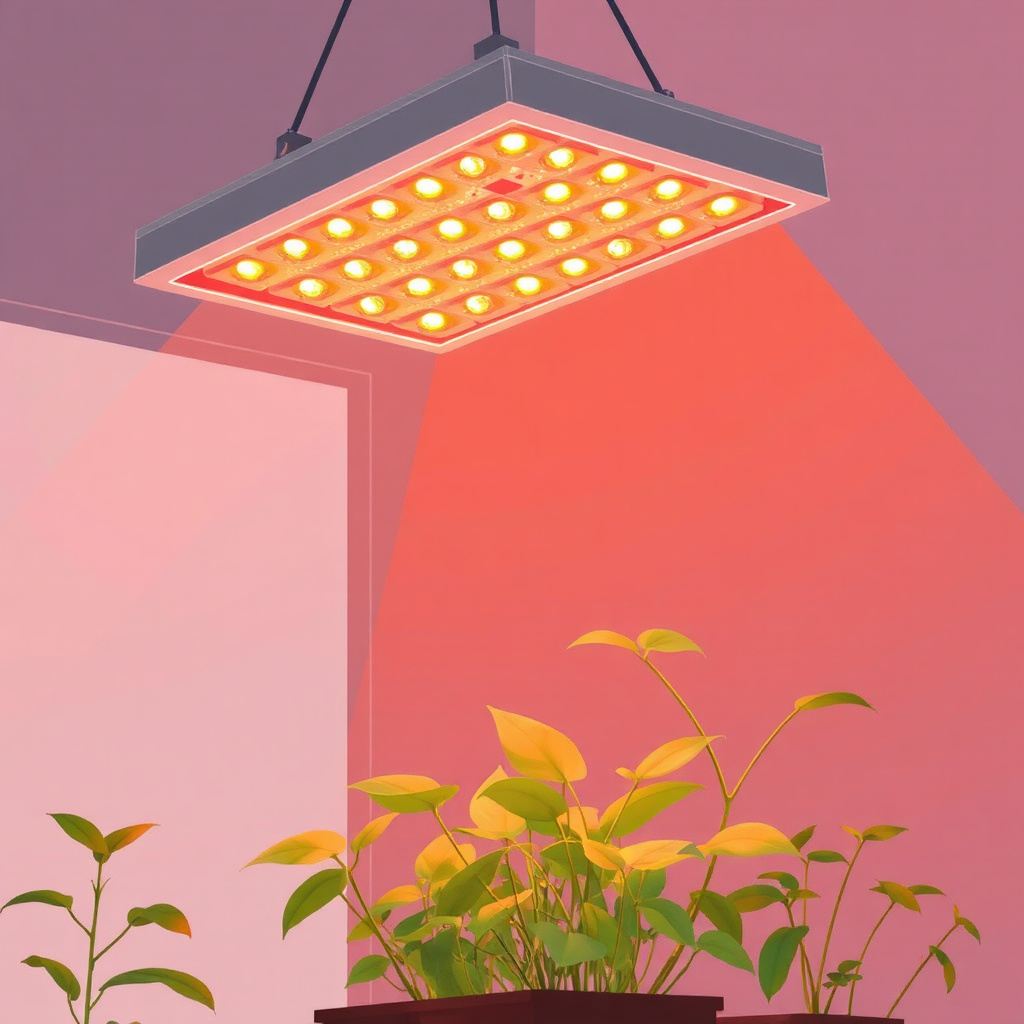
HPS grow lights operate by passing an electric current through sodium vapor under high pressure inside a bulb. This process excites the sodium atoms, causing them to emit light in a specific wavelength, primarily yellow, orange, and red hues. These wavelengths align well with the light spectrum that plants use during flowering, promoting robust blooms and fruit production.
The high intensity and spectrum of HPS lamps make them suitable for deep canopy penetration, meaning the light can reach lower leaves, supporting comprehensive plant development. This technology has been refined over decades to deliver consistent, reliable output for plant growth.
Components of an HPS Grow Light Setup
A typical HPS grow light setup includes the HPS lamp itself, a ballast to regulate the electrical current, and often reflectors to focus and direct light onto plants. The ballast can be magnetic or digital, with digital ballasts offering greater energy efficiency and less heat generation.
Reflectors are shaped to maximize light coverage while minimizing wasted light energy and heat buildup. Proper assembly and placement of these components ensure the light is efficient and creates an ideal environment for indoor plants.
- HPS bulb
- Ballast (magnetic or digital)
- Reflector
- Wiring and mounting hardware
Benefits of Using HPS Grow Lights
High Efficiency and Light Output
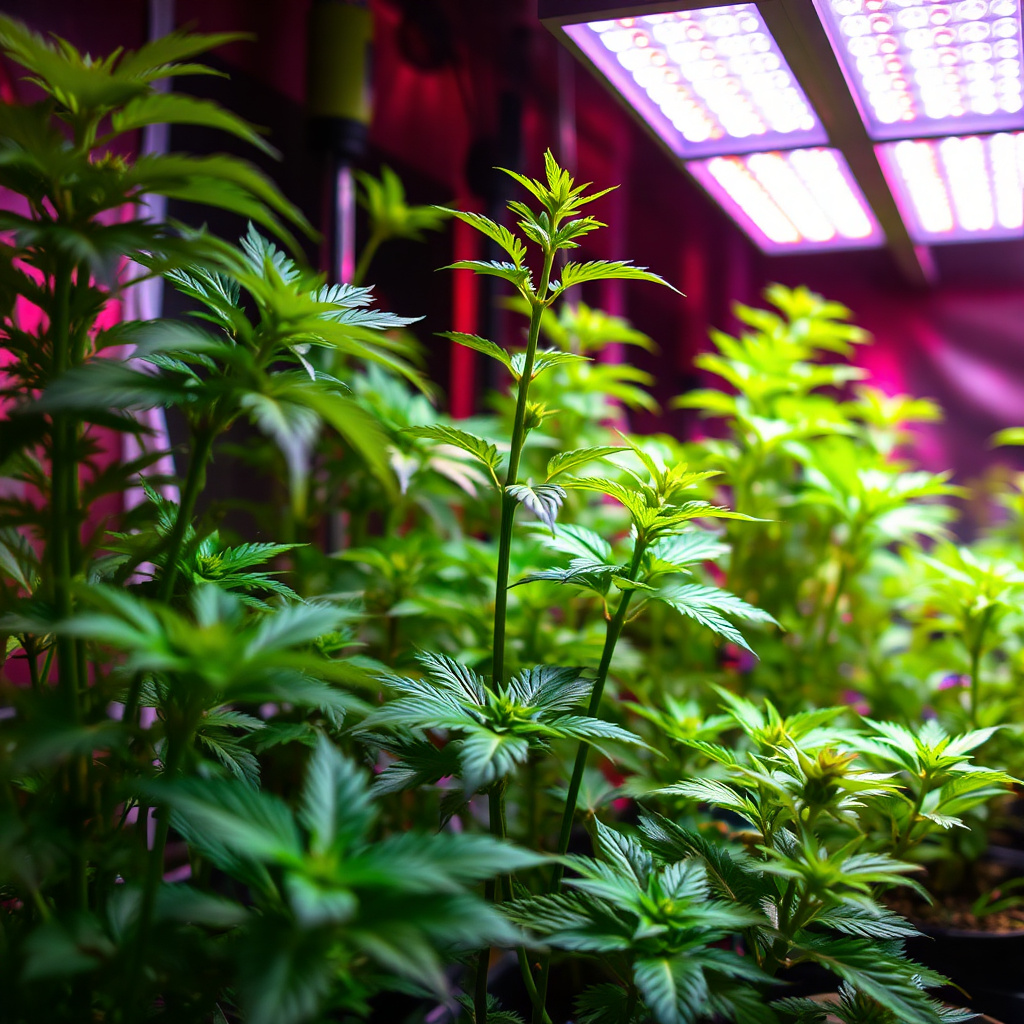
One key advantage of HPS grow lights is their high luminous efficacy, often producing 100-150 lumens per watt. This means they deliver a large amount of usable light relative to their power consumption, making them economical for extensive grow operations.
The intense light output supports stages of plant growth where sunlight’s red spectrum is most needed, especially flowering and fruiting, ultimately boosting yields compared to standard fluorescent or incandescent bulbs.
Proven Reliability and Availability
HPS grow lights have been a staple in horticulture for decades, which means they are widely available and supported by mature technology. They have a long average lifespan of around 24,000 hours and proven track records in various indoor growing applications.
Because of their widespread use, growers have extensive knowledge and experience optimizing these lights for a wide variety of plant types and growing conditions.
Limitations and Challenges of HPS Grow Lights

Heat Generation and Cooling Needs
HPS grow lights generate significant heat during operation, which can raise the temperature in enclosed grow rooms. This heat can stress plants and damage sensitive foliage if not properly managed.
To counterbalance this, growers often require robust ventilation or air conditioning systems, adding to overall setup complexity and energy costs.
- High heat output
- Additional cooling equipment required
- Potential for plant heat stress
For more on this, see our related guide: Common Cannabis Growing Mistakes and How to Avoid Them.
Light Spectrum Limitations
Although HPS lights excel in the red spectrum, they provide limited blue light, which is essential during vegetative growth. This means they may not be the best standalone solution for young plants needing strong foliage development.
Many growers pair HPS lights with other types, such as metal halide or LED grow lights, to create a balanced spectrum throughout all growth phases.
Setting Up an HPS Grow Light System
Choosing the Right Wattage
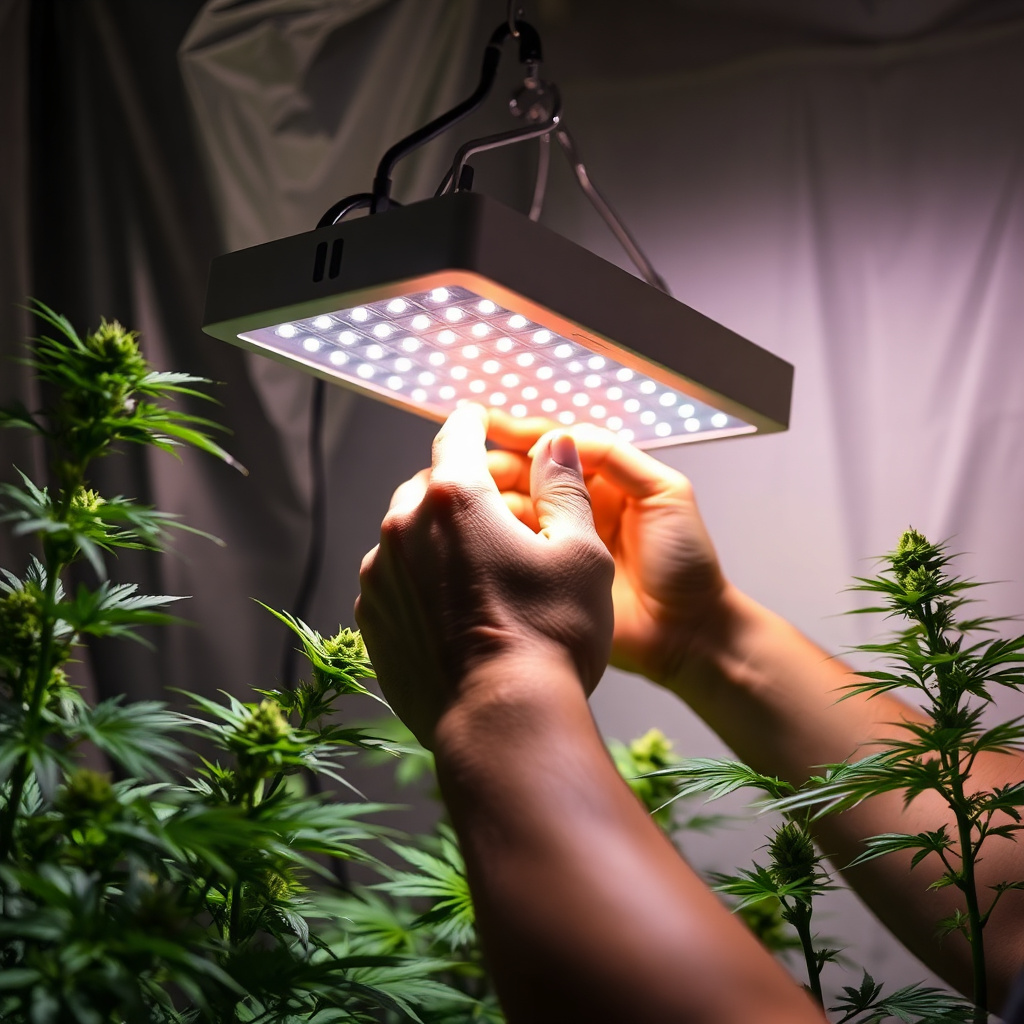
Selecting the correct wattage depends on the size of your grow space and the light needs of your plants. Common wattages range from 250W to 1000W, with higher wattage lights covering larger areas and delivering more intense illumination.
It's important to match wattage to your specific space to avoid energy waste or insufficient light, keeping plants healthy and productive.
- 250W for small closets or tents
- 400W for modest grow rooms
- 600-1000W for large spaces
Positioning and Timing the Lights
For best results, place HPS lights 12 to 24 inches above plant canopies to ensure even light distribution and prevent leaf burn. Additionally, controlling the light schedule with timers to mimic natural day/night cycles is essential for triggering flowering in photoperiod-sensitive plants.
Typically, HPS lights are used during flowering with 12 hours on and 12 hours off, but schedules may vary depending on the species.
Alternatives to HPS Grow Lights

LED Grow Lights
LED grow lights have gained popularity for their energy efficiency, lower heat production, and customizable full-spectrum light output. They can be tuned to provide blue, red, and other wavelengths that cover all plant growth stages, making them versatile but often more expensive upfront than HPS lights.
They offer longer lifespans and reduced electricity bills but require careful selection to match plant needs.
For more on this, see our related guide: Cannabis Plant Light Requirements: How to Choose the Best Lighting for Growth.
Fluorescent Grow Lights
Fluorescent lights like T5 tubes are affordable and generate less heat but provide lower intensity light. They’re best suited for seed starting, clones, and low-light plants rather than flowering or fruiting stages due to limited penetration and spectrum.
These lights are accessible for beginners but might necessitate supplementing with other light sources.
Maintaining and Troubleshooting HPS Grow Lights
Routine Maintenance Tips
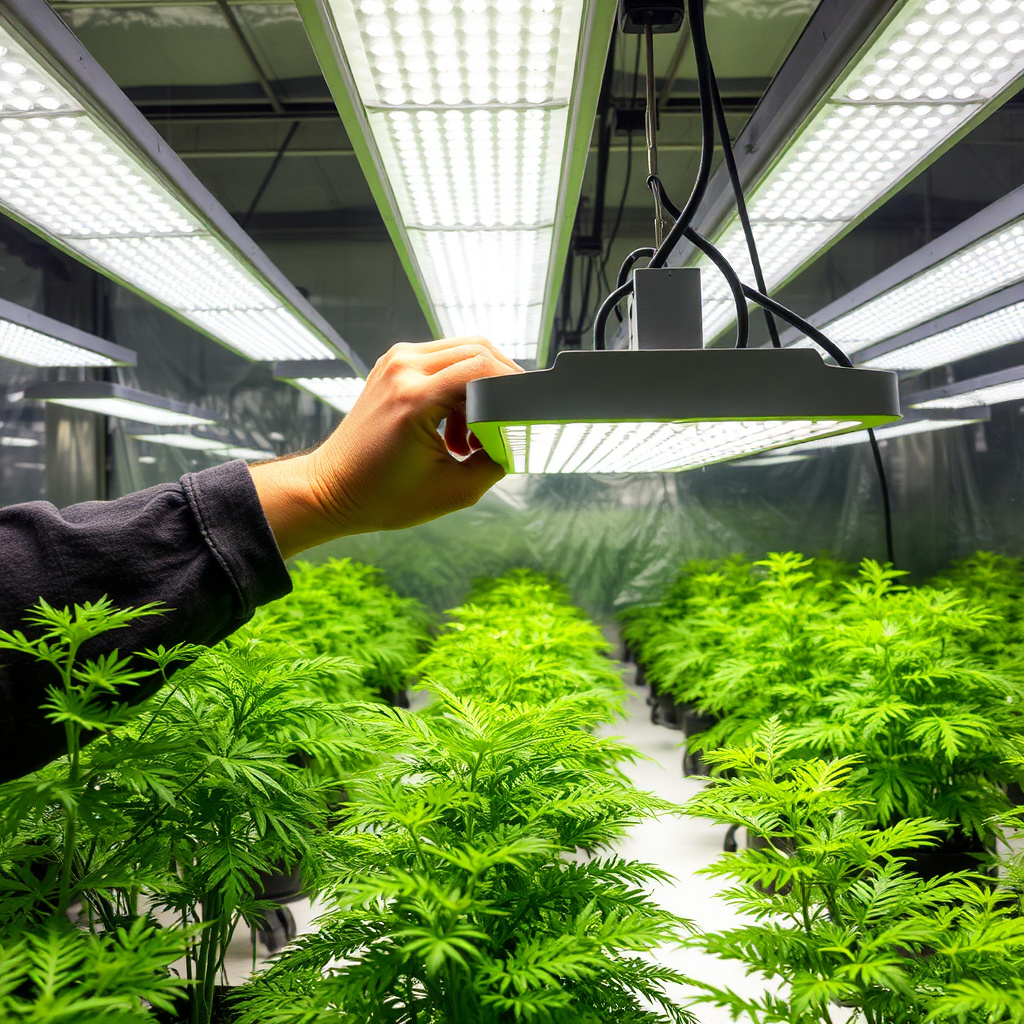
Regular cleaning of HPS bulbs and reflectors prevents dust buildup that can reduce light output. Replace lamps annually or after 24,000 hours to maintain spectral quality, as older bulbs shift color and dim over time.
Inspect ballasts for signs of wear and ensure proper ventilation around fixtures to prolong equipment life and maintain stable performance.
- Clean bulbs and reflectors every few weeks
- Replace bulbs yearly
- Check ballast condition regularly
- Maintain airflow around lights
For more technical details on the operation and history of HPS technology, refer to the High-Pressure Sodium Lamps Wikipedia page. High-Pressure Sodium Lamps Wikipedia.
Common Issues and Solutions
Yellowing leaves or slow growth can indicate insufficient light intensity or heat stress from HPS lights. Adjusting fixture height or adding ventilation can remedy these problems. Flickering lights or failure to start often relate to ballast issues that may require repair or replacement.
Proper monitoring of environmental conditions prevents many problems tied to HPS grow light setups.
Comparison of Common Grow Light Types
Here’s a breakdown of different grow light categories to help you see how HPS grow lights stack up against other options.
| Category | Light Spectrum | Heat Output | Energy Efficiency | Best Use Case |
|---|---|---|---|---|
| HPS Grow Lights | Strong red-orange spectrum | High | Moderate | Flowering and fruiting stages |
| LED Grow Lights | Full spectrum, customizable | Low | High | All growth stages, energy-efficient setups |
| Metal Halide | Blue spectrum heavy | High | Moderate | Vegetative growth phase |
| Fluorescent (T5) | Blue to white spectrum | Low | Low | Seedlings, clones, and low-light plants |
| CFL (Compact Fluorescent) | Broad spectrum | Low | Low | Small grow spaces and herbs |
Frequently Asked Questions
How long should I run a HPS grow light each day?
Typically, HPS lights run 12-18 hours daily depending on the plant growth stage, with 12 hours on and off commonly used to simulate flowering cycles.
Can I use an HPS grow light for seedlings?
HPS lights are generally too intense and red-spectrum heavy for seedlings, which require more blue light. Fluorescent or LED lights are better suited for early growth.
Do HPS grow lights consume a lot of electricity?
HPS lights are moderately energy-efficient but can consume more power and generate heat compared to LEDs, leading to higher electricity and cooling costs.
Why does my HPS grow light need a ballast?
The ballast regulates voltage and current to the HPS lamp, ensuring stable operation without damaging the bulb or causing flickering.
How often should I replace my HPS bulb?
It's best to replace HPS bulbs after about 24,000 hours of use, roughly every 1-2 years depending on operation time, to maintain optimal light quality.
Key Takeaways
- HPS grow lights emit red-orange light ideal for flowering plants.
- They offer high light intensity but produce significant heat.
- Setup requires appropriate wattage, reflectors, and ventilation.
- Combining HPS with other light types can improve plant growth balance.
Conclusion
Understanding what a HPS grow light is and how it operates is essential for gardeners aiming to support robust flowering and fruiting in indoor plants. This lighting technology focuses on the red spectrum favored by plants in those stages, making it a preferred choice where crop yield is a priority. However, its heat output and blue light deficiency mean growers need to plan carefully to balance environmental factors and supplement lighting where necessary.
For those cultivating flowering plants or fruit-bearing species indoors, HPS grow lights remain a dependable and cost-effective solution, especially in larger grow rooms or commercial settings. Pairing HPS lamps with LED or metal halide lights provides a fuller light spectrum to cover all growth phases, supporting seedlings through mature plants alike. Selecting the right wattage and maintaining proper spacing prevent common issues like leaf burn and overheating, protecting plant health.
If you're starting or expanding an indoor garden focused on yield and flowering, experimenting with HPS grow lights can lead to rewarding results. Begin with a modest setup matched to your space, monitor heat levels carefully, and consider integrating other light sources for seedling or vegetative stages. This hands-on approach, guided by the knowledge of what a HPS grow light is capable of, will help you create a thriving indoor environment for your plants.