How to Know if You Are Overwatering Plants: Signs and Solutions
Overwatering plants is a common mistake that can cause root rot, yellowing leaves, and stunted growth. You can know if you are overwatering plants by checking for soggy soil, wilting despite moist earth, and the presence of mold or fungus on the surface. These signs indicate the plant's roots are suffocating and unable to absorb oxygen properly.
Understanding whether you are giving your plants too much water matters because excess moisture disrupts their natural growth cycle and invites pests and diseases. Since every plant species has different water needs, identifying overwatering symptoms early helps prevent irreversible damage and promotes a balanced watering routine.
This article explains the key indicators of overwatering plants, factors that influence watering frequency, watering best practices, and recovery strategies if you suspect your plants have been overwatered.
Identifying Overwatering Symptoms
Visual Signs on Plant Leaves
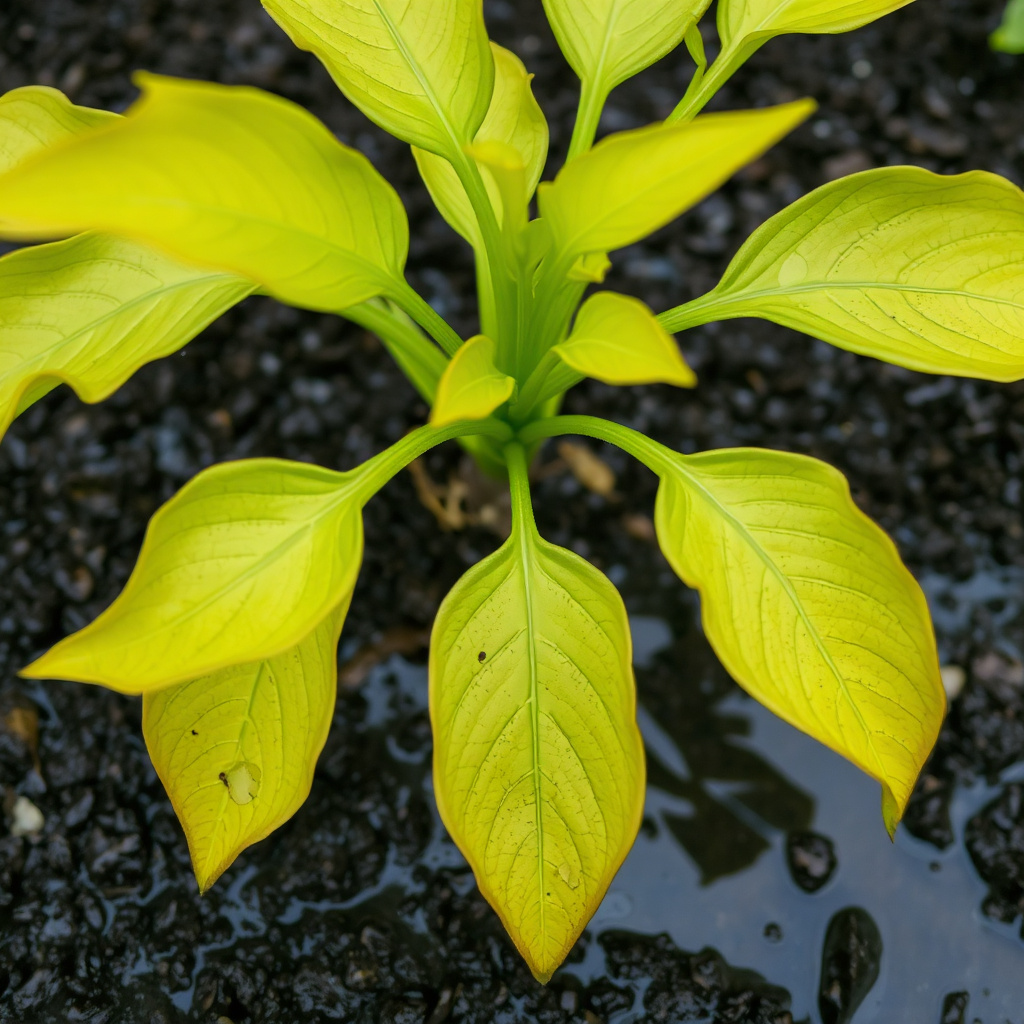
Leaves that turn yellow or develop brown spots are classic indicators of overwatering. When roots sit in saturated soil, they struggle to absorb nutrients, leading to leaf discoloration and drop. Some plants show leaves that appear swollen or blistered due to excess moisture retention.
Wilting leaves despite moist soil is another common symptom. This happens because waterlogged roots cannot function properly, which creates stress on the plant. Observing these leaf changes can help quickly identify overwatering before severe root damage occurs.
Soil and Root Conditions
If your soil remains soggy for days after watering and smells musty or sour, it signals overwatering. Healthy soil should dry out between watering sessions to allow roots to access oxygen. Persistently wet soil fosters fungal growth and root rot.
Gently inspecting roots can provide clues; brown, mushy roots indicate rot, whereas healthy roots are typically white or light tan and firm. Understanding soil and root health gives better insight into watering needs and plant recovery steps.
Factors Influencing Watering Needs
Plant Species and Size
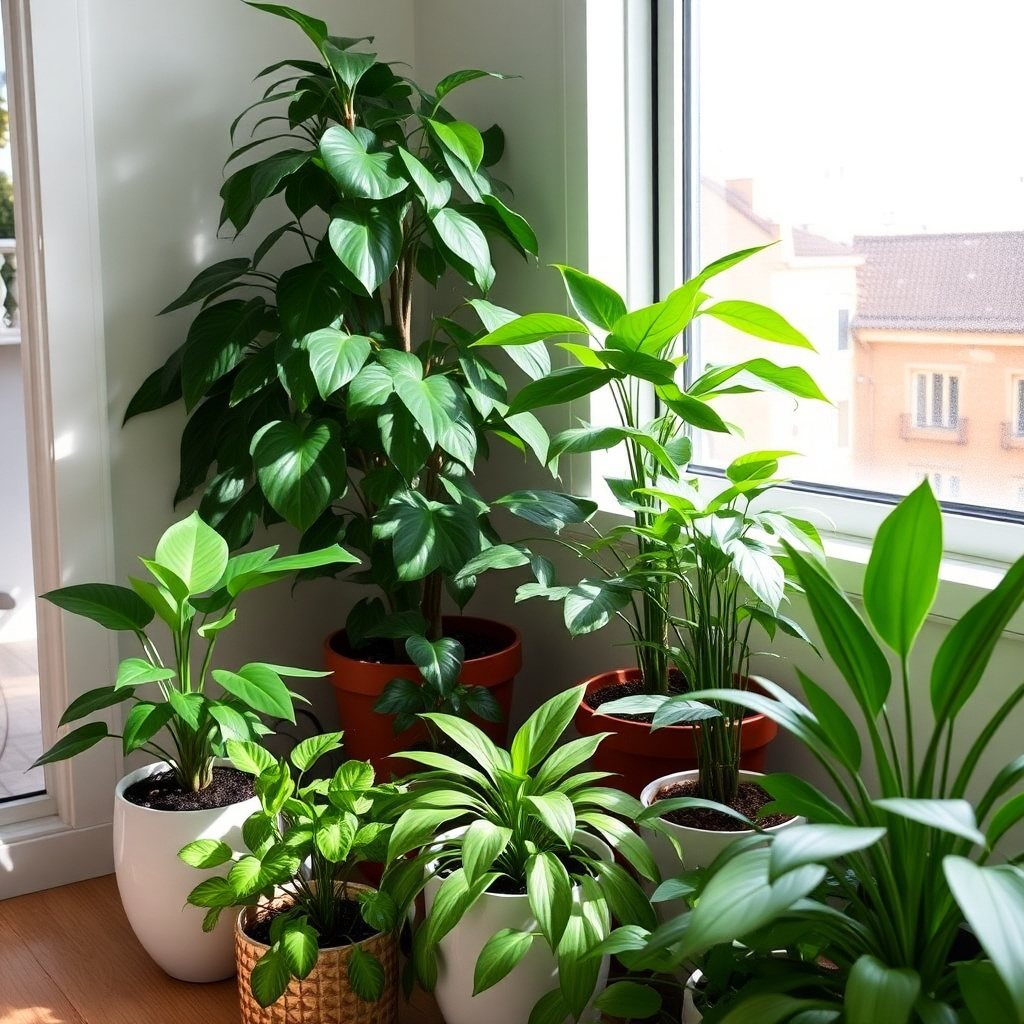
Different plants have unique water requirements; succulents like cacti need infrequent watering, while tropical plants such as ferns require consistently moist soil. Larger plants generally absorb more water but also need soil that dries out between waterings.
Knowing your plant species' water tolerance helps prevent overwatering. Growers should reference species-specific care guides and adjust watering schedules accordingly to match natural habitats and growth habits.
For more on this, see our related guide: Cannabis Seed FAQ: Answers to Your Most Common Questions.
Environmental Factors
Temperature, humidity, and light intensity greatly affect how quickly soil dries out. Warmer and sunnier indoor locations speed up evaporation and water uptake, requiring more frequent watering compared to shaded, cooler areas.
Seasonal changes also matter; plants usually need less water during dormancy periods in winter. Monitoring environmental conditions alongside your plant’s response contributes to smarter watering routines and prevents excessive moisture.
Proper Watering Techniques to Avoid Overwatering Plants
Watering Amount and Frequency
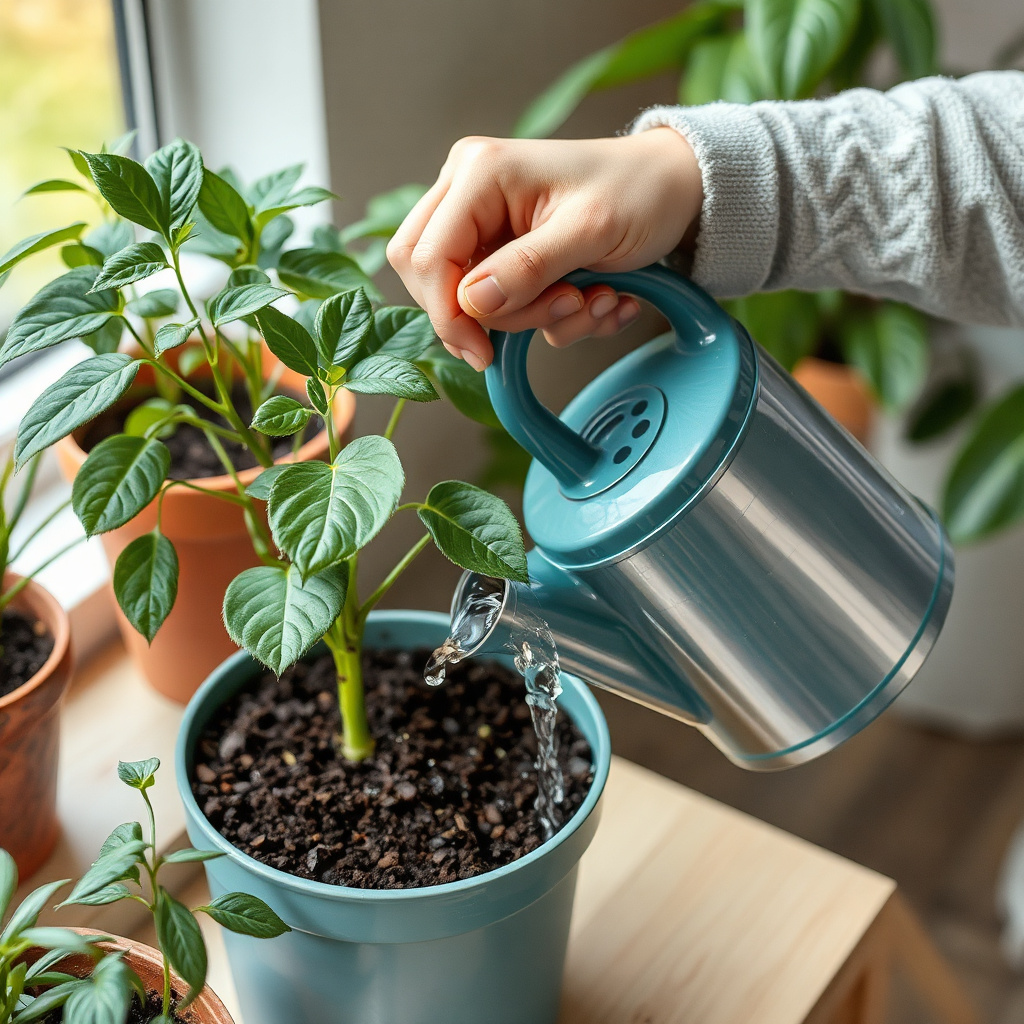
Rather than following a strict schedule, water plants only when the top inch of soil feels dry to the touch. This approach respects natural drying cycles and avoids saturating the root zone unnecessarily.
Applying water slowly and evenly ensures the soil absorbs moisture thoroughly without leaving puddles. Overwatering often occurs when excess water pools at the pot’s base or runs off the surface without penetrating.
- Check soil moisture regularly
- Water until runoff appears from drainage holes
- Avoid watering if soil is still moist beneath the surface
Choosing the Right Pot and Soil
Using pots with adequate drainage holes prevents water accumulation and encourages air exchange in the root zone. Avoid pots without drainage, as they increase the chance of root rot from trapped water.
Selecting a well-draining soil mix suited for your plant type is critical. For example, cacti mixes include sand and perlite, while tropical plants prefer richer, moisture-retentive soil with organic matter balanced with drainage components.
- Ensure pot drainage holes are clear
- Use soil blends tailored to plant needs
- Consider layering gravel at the pot bottom to enhance drainage
Recovering from Overwatering
Immediate Corrections
If you suspect overwatering, stop watering and allow the soil to dry thoroughly before resuming. Remove dead or mushy leaves to prevent spread of disease and improve airflow around the plant.
Check for proper drainage and relocate plants to a brighter spot with better air circulation to speed up the drying process. Avoid fertilizing until the plant shows signs of recovery.
For more on this, see our related guide: How to Fix Overwatered Cannabis Plants: Effective Recovery Tips.
Repotting and Root Pruning
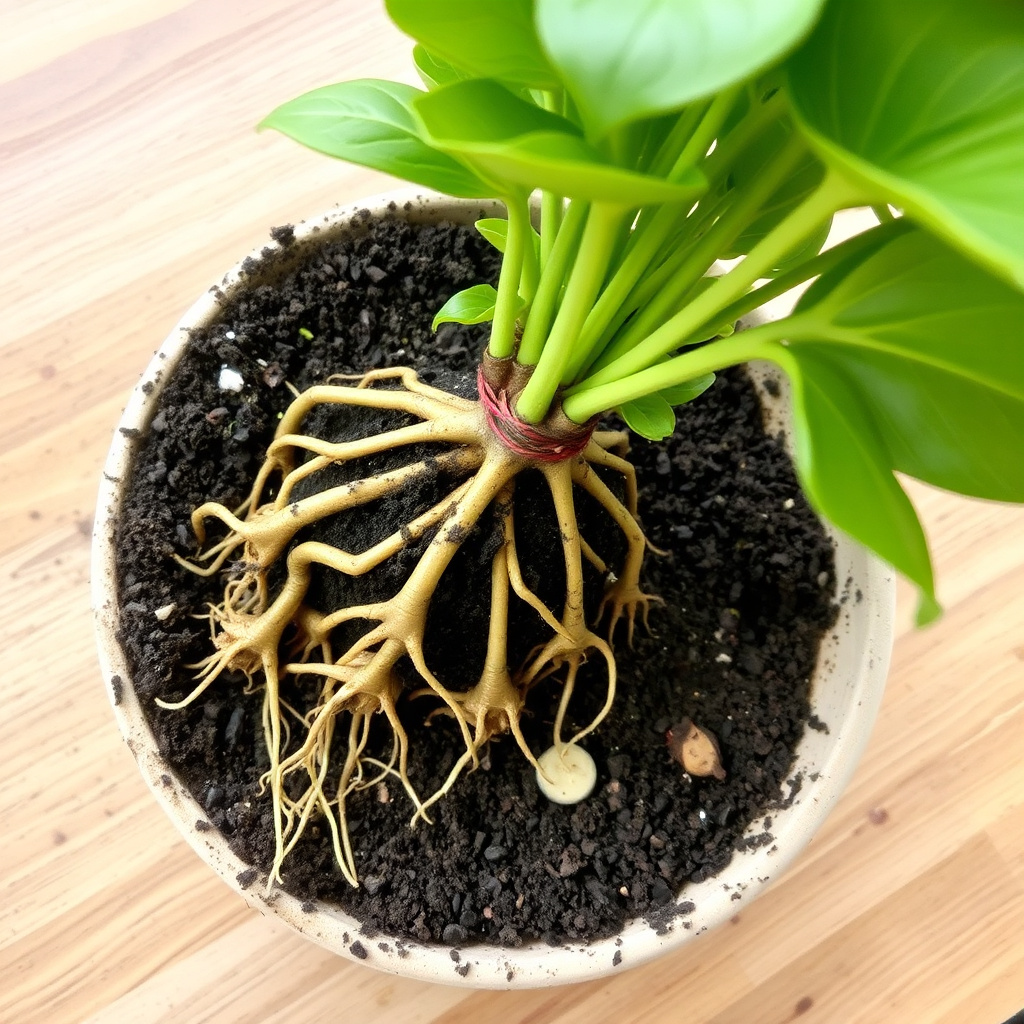
In severe cases, repotting may be necessary. Remove the plant gently and inspect roots: trim any rotten portions using sterilized scissors. Use fresh, appropriate soil and a clean pot with drainage.
Repotting reduces fungal infections and provides a fresh start that supports new root growth. Follow this by watering cautiously, allowing drying between watering sessions to promote recovery.
Using Technology and Tools for Monitoring
Soil Moisture Meters and Sensors
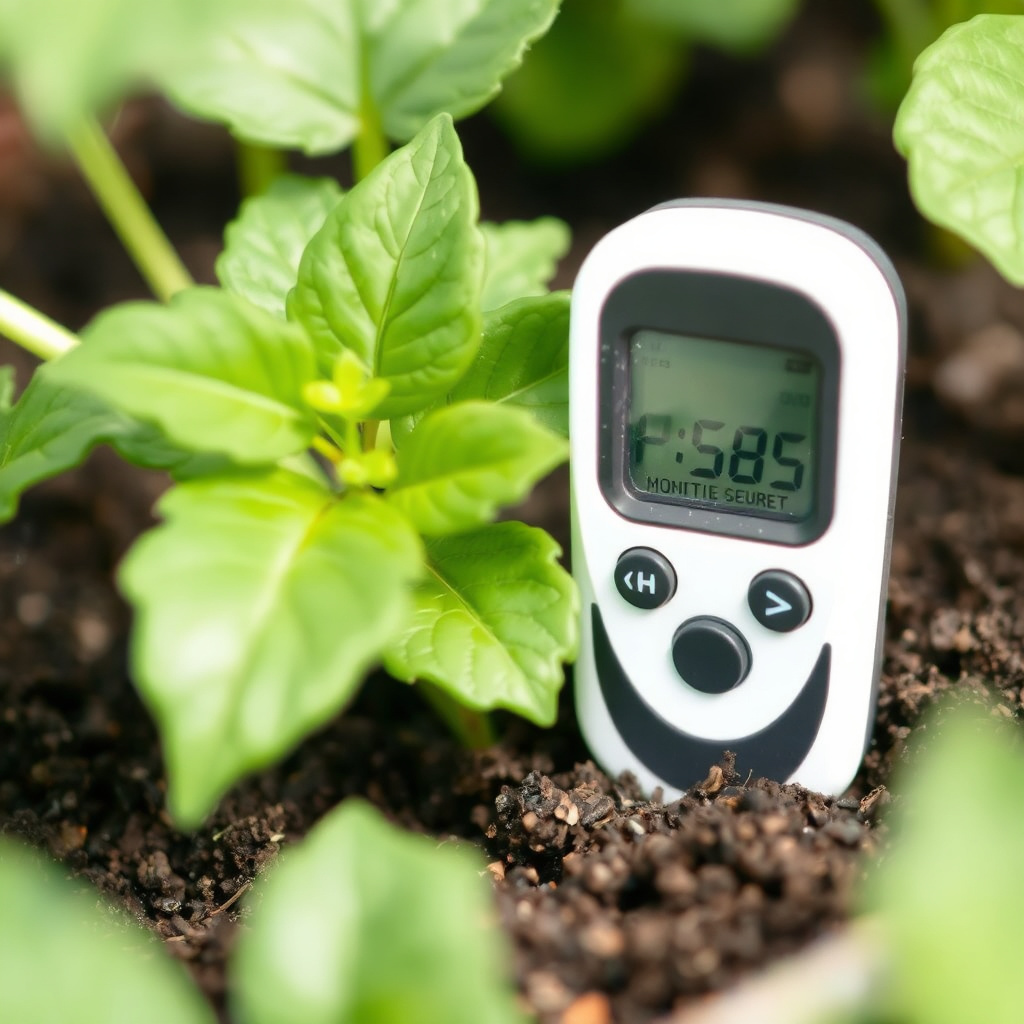
Soil moisture meters offer an objective way to measure water content in soil and prevent overwatering. These devices display moisture levels, helping determine when plants actually need hydration rather than relying on guesswork.
Modern smart sensors connect to smartphones for continuous monitoring and watering recommendations. For curious plant owners, this technology ensures watering decisions align with real-time soil conditions.
For further reading on the effects of overwatering plants, this informative Wikipedia page provides additional detailed insights. overwatering plants information.
Visual and Tactile Checks
If technology isn’t available, simple visual and tactile checks of soil remain effective. Stick your finger an inch deep to feel dryness, or tilt the pot to gauge its weight which changes depending on moisture content.
Regularly inspecting plants visually for early symptoms of overwatering and soil texture helps maintain proper plant watering habits alongside occasional meter readings.
Common Plant Types and Their Watering Needs
The table below compares watering frequency and soil moisture preferences for popular indoor plant categories to help you avoid overwatering plants.
| Plant Category | Typical Watering Frequency | Preferred Soil Condition | Sensitivity to Overwatering |
|---|---|---|---|
| Succulents and Cacti | Every 2-3 weeks | Very well-draining, sandy | High sensitivity, prone to root rot |
| Tropical Houseplants | Once a week | Moist but well-draining | Moderate, prefers consistent moisture |
| Ferns and Mosses | Every 3-4 days | Moist, rich organic matter | Low to moderate, sensitive to dryness |
| Orchids | Once every 7-10 days | Loose bark mix with good aeration | High, overwatering easily causes root rot |
| Herbs | Every 3-5 days | Well-drained, fertile soil | Moderate, varies by species |
Frequently Asked Questions
Can overwatering kill plants quickly?
Yes, persistent overwatering suffocates roots by depriving them of oxygen, which can cause rapid root rot and eventually kill the plant if not corrected.
How can I test if my plant needs water without overwatering?
Stick your finger about an inch into the soil; if it feels dry, it’s safe to water. Alternatively, use a soil moisture meter for precise readings.
Is it better to underwater or overwater plants?
Underwatering is often less harmful because plants can recover from drought stress more easily than from root rot caused by overwatering.
What are the best pots to prevent overwatering?
Pots with drainage holes and breathable materials like terracotta reduce overwatering risk by allowing excess water to escape and soil to dry out efficiently.
Can overwatering encourage pests and diseases?
Yes, waterlogged soil creates an environment conducive to fungal infections and attracts pests such as fungus gnats that thrive in moist conditions.
Key Takeaways
- Observe leaf discoloration and soggy soil as main overwatering signs.
- Adjust watering frequency based on plant type and environment.
- Use well-draining pots and soil to avoid water accumulation.
- Implement soil moisture checks to guide watering decisions.
Conclusion
Recognizing overwatering plants requires careful observation of visual symptoms, soil saturation, and root health. Since overwatering impairs oxygen supply to roots and promotes fungal diseases, resetting your watering approach becomes vital for plant vitality. Testing soil moisture before watering and choosing proper containers are key steps in creating a balanced watering regimen that promotes strong root systems and healthy growth.
Your watering needs will vary depending on plant species, size, and environment. Succulents demand less frequent watering with very well-draining soil, while tropical plants prefer regular hydration with moist soil. Using tools like soil moisture meters can provide objective data, especially when combined with tactile and visual soil checks. If you notice persistent leaf yellowing or wilting in moist conditions, reduce watering and consider repotting to refresh soil and roots. Adapting to each plant’s unique requirements helps avoid the risks of overwatering plants permanently.
The best practical advice is to move away from rigid watering schedules and instead respond to your plants’ cues, environmental factors, and soil moisture levels. Gradually become familiar with your plants’ habits and microclimate differences. This hands-on approach, combined with careful observation, will keep your green friends thriving with less risk of water stress. Taking these steps minimizes the chance of overwatering and encourages flourishing indoor and garden plants.