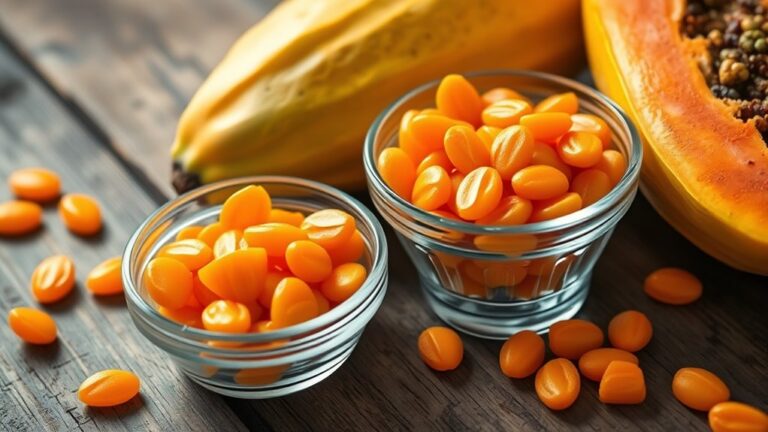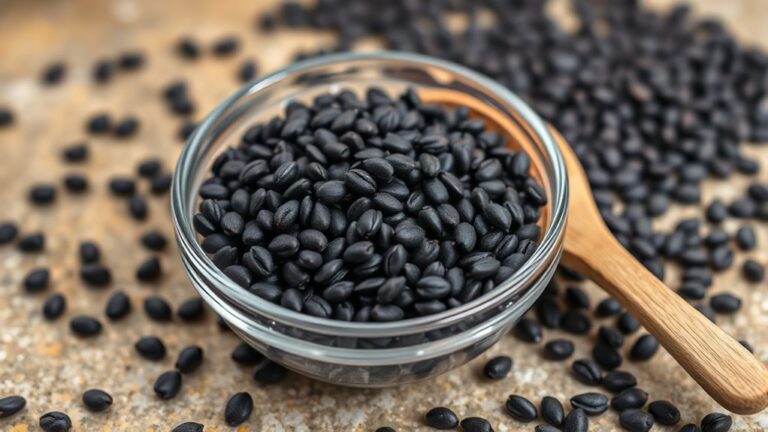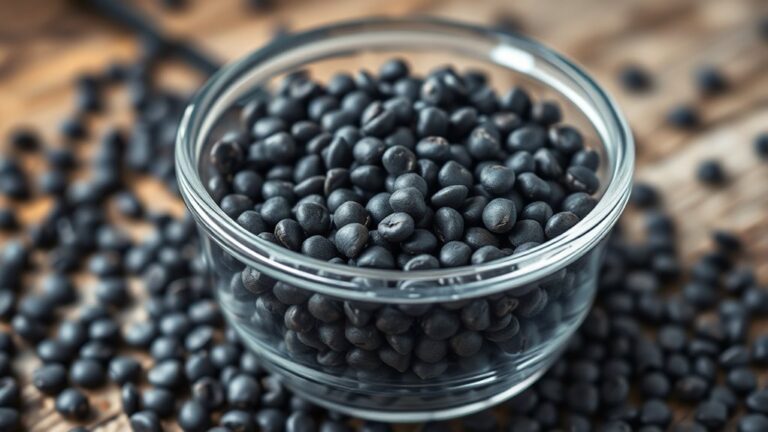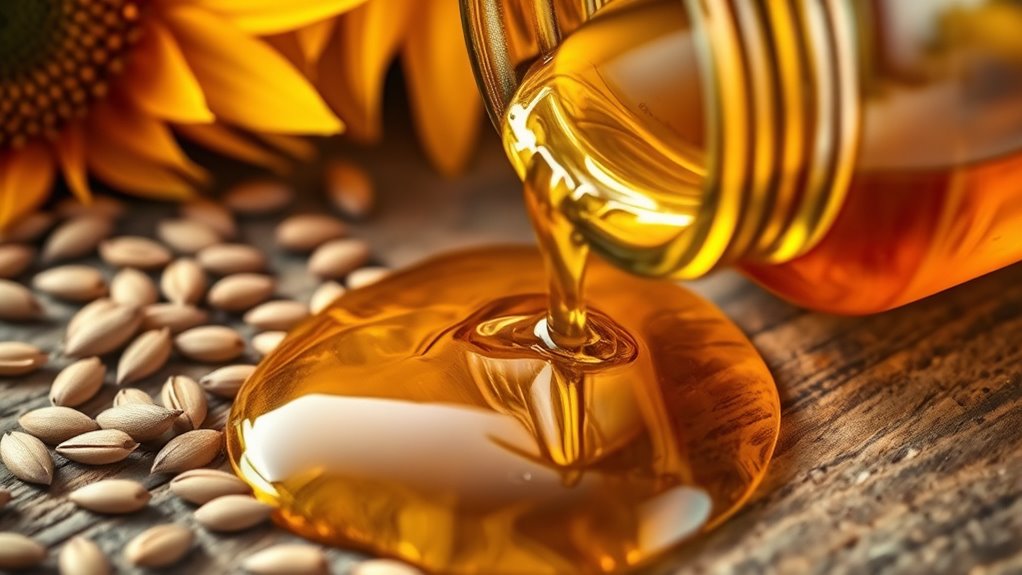
What Are Seed Oils?
Many people struggle with choosing the right oils for their cooking, feeling overwhelmed by the options and health concerns. You’re not alone—navigating the world of oils can be confusing and even frustrating.
Seed oils are plant-based oils extracted from seeds of crops like soybeans, sunflower, canola, and corn. They are widely used in cooking for frying, dressings, and baking because of their neutral flavor and high smoke points.
These oils go through various extraction and refining processes that impact their nutrients and health effects.
If you keep exploring, you’ll uncover how these oils fit into your diet and how to choose the best ones for your kitchen.
Key Takeaways
- Seed oils are plant-based oils extracted from seeds like soybeans, sunflower, canola, and corn.
- They’re commonly used in cooking because they have a neutral flavor and high smoke points.
- Extraction methods include cold pressing, heat extraction, and solvent extraction, which can affect the oil’s quality and nutrients.
- Nutritionally, seed oils provide vitamin E and omega-3 fatty acids but can be high in omega-6, which may influence inflammation.
- How healthy they are depends on how much you consume, the processing methods used, and balancing them with other healthy fats.
What Are Seed Oils and Why Are They So Popular?
Seed oils are plant-based oils extracted from the seeds of various crops like soybeans, canola, sunflower, and corn. Their popularity comes from their versatility in cooking, offering neutral flavors that work well in many dishes.
Historically, seed oils became important during industrialization and are now kitchen staples worldwide. However, some health misconceptions about their processing methods or fat content can affect their reputation.
Despite that, consumer perceptions are shifting as more people look for plant-based, sustainable options that are better for the environment. You’ll see seed oils used in everything from frying to salad dressings because they can handle high cooking temperatures.
Their widespread appeal also comes from being affordable and easy to find, making them a kitchen essential. As their role in cooking evolves, understanding their uses and environmental impact helps you make smarter choices about including seed oils in your diet.
How Are Seed Oils Extracted and Refined?
Seed oils are usually extracted using methods like cold pressing or chemical solvents. Cold pressing involves squeezing the seeds to get the oil out without using heat, which helps keep the flavor and nutrients intact. On the other hand, chemical solvents like hexane are often used to extract more oil from the seeds, but this process can influence the purity and taste of the oil.
Once the oil is extracted, it often goes through refining processes like bleaching and deodorizing. These steps help remove impurities, but they can also impact the overall quality of the oil. For example, bleaching whitens the oil, and deodorizing eliminates any strong odors, making the oil more neutral and appealing.
Understanding these steps can give you a better idea of how the processing methods might affect the health and nutritional value of the oils you use in your cooking.
Extraction Methods Used
There are several methods used to extract seed oils, each with its own advantages and impact on the final product. Cold pressing involves mechanical pressure without heat, which helps preserve oil purity, flavor, and nutritional content. However, it usually yields less oil.
Heat extraction uses moderate heat to increase the yield and efficiency. It slightly affects nutritional quality but can improve flavor. Solvent extraction uses chemicals like hexane to maximize extraction, producing high-purity oils but raising environmental concerns.
Processing techniques impact the oil’s quality and flavor. Cold pressing is often preferred for minimal processing. Each method balances factors like environmental impact, oil purity, and flavor, so your choice depends on what matters most—health, taste, or sustainability.
Refining Processes Involved
Once the oil is extracted from seeds, it usually goes through refining to make it purer, more stable, and better for eating. Refining removes impurities, free fatty acids, and unwanted compounds to boost oil quality.
The process involves several steps like degumming, neutralization, bleaching, and deodorization. These steps help get rid of contaminants and extend shelf life.
Here’s a quick comparison:
| Step | Purpose |
|---|---|
| Degumming | Remove phospholipids |
| Neutralization | Reduce free acids |
| Bleaching | Eliminate pigments and impurities |
| Deodorization | Remove odors and volatile compounds |
| Winterization | Prevent cloudiness at low temperatures |
Impact on Oil Quality
The way seed oils are extracted and refined really impacts their quality and health benefits. Extraction methods like cold pressing versus chemical solvent extraction change the oil’s composition, either keeping nutrients intact or removing beneficial compounds.
Refining processes such as bleaching and deodorizing can change flavors and reduce antioxidants, which affects both taste and health. These differences influence how you use oils in cooking—unrefined oils tend to have richer flavors, while refined ones are more neutral and better for high-heat cooking.
Proper storage, like keeping oils in cool, dark places, helps maintain their quality over time. The environmental impact of extraction methods varies, shaping consumer views and trends toward organic or minimally processed oils.
What Are the Main Types of Seed Oils and Their Nutritional Benefits?
You’ll notice there are quite a few seed oils out there, and each one has its own set of nutritional perks. Getting to know these different types can really help you make smarter choices when you’re planning your meals. So, let’s take a closer look at how their nutrients can give your overall health a boost.
Common Seed Oil Varieties
Among the many seed oils available, some are more popular because of their widespread use and nutritional benefits. You might recognize these varieties:
- Sunflower oil is rich in vitamin E and good for heart health.
- Flaxseed oil is high in omega-3 fatty acids, supporting brain and joint health.
- Canola oil is versatile and low in saturated fat.
- Pumpkin seed oil is packed with magnesium and antioxidants.
Other notable options include sesame oil, hemp oil, chia seed, and grapeseed oil, each offering unique nutrients. Sesame oil adds flavor and antioxidants. Hemp oil provides plant-based omega-3s. Chia seed oil is a concentrated source of nutrients. Grape seed oil is known for its high polyunsaturated fat content.
These seed oils vary in flavor, nutritional profile, and culinary uses, making them an important part of many diets.
Nutritional Advantages Explored
Different seed oils offer unique nutritional benefits that can boost your diet in various ways. Their nutrient content varies, especially in their fatty acid profiles.
For example, flaxseed oil is high in omega-3 fatty acids, which support heart health and help reduce inflammation. Sunflower oil contains plenty of vitamin E, an antioxidant that helps protect your cells.
Canola oil provides a good balance of omega-3 and omega-6 fatty acids, supporting overall well-being. Sesame oil offers antioxidants and healthy fats that may strengthen your immune system.
Knowing these differences helps you pick seed oils that match your health goals. Incorporating a variety of them can help you get enough essential fatty acids and other beneficial nutrients.
Are Seed Oils Healthy? Benefits and Risks Explained
Are seed oils truly healthy, or do they pose hidden risks? The answer depends on how you look at their health implications and culinary uses. Seed oils have high levels of omega-6 fatty acids, which can promote inflammation if you eat too much.
Here’s what you should consider:
- Balance is key. Too much omega-6 may lead to health problems, so moderation is important.
- Processing matters. Many seed oils are highly refined, removing nutrients and adding chemicals.
- Cooking stability. Some seed oils hold up well at high heat, while others can oxidize and form harmful compounds.
- Nutritional value. Not all seed oils are the same—some have antioxidants, others lack essential nutrients.
Seed oils can be useful in the kitchen, but understanding their health effects helps you make smarter choices. Used wisely, they can fit into a balanced diet.
How Do Seed Oils Impact Heart Health and Cholesterol?
Seed oils can have different effects on your cholesterol levels and heart health, depending on which ones you choose. Some types might raise your bad cholesterol and increase the risk of heart problems, while others could actually support better heart function. It’s important to understand how these oils impact your body so you can make smarter choices for your cardiovascular health.
Effects on Cholesterol Levels
While seed oils are often promoted as healthy fats, their impact on cholesterol levels can vary depending on the type and amount you consume. They can influence your cholesterol management and overall heart health.
For example, some seed oils like soybean or corn oil are high in omega-6 fatty acids, which might promote inflammation if eaten excessively. Replacing saturated fats with seed oils can help lower LDL (“bad”) cholesterol.
However, overdoing it on seed oils might increase your total cholesterol if they replace healthier fats in your diet. Balancing seed oils with omega-3 sources can support better heart health by keeping cholesterol levels in check.
In the end, moderation and choosing the right seed oils are key to positively impacting your cholesterol and heart health.
Heart Disease Risk Factors
Since diet plays an essential role in heart health, understanding how seed oils impact your risk factors is crucial. Consuming certain dietary fats found in seed oils can influence your inflammation response and affect heart disease risk.
High omega-6 levels, common in many seed oils, can disrupt omega balance and promote inflammation that harms blood vessels. Cooking temperature matters; overheating seed oils can create harmful compounds that negatively impact heart health.
Your lifestyle choices, like balanced nutrient absorption and avoiding excessive processed foods, also play a role. Incorporating heart-healthy habits, such as choosing oils low in omega-6 and maintaining a balanced diet, can reduce risk factors.
Being mindful of seed oil intake helps support your overall heart health and long-term wellness.
Are Seed Oils Safe to Use? What You Need to Know
Are seed oils truly safe for daily consumption? It depends on various factors. Many people have health concerns about seed oils because they contain high levels of omega-6 fatty acids, which might promote inflammation if overused.
Seed oils may pose health risks due to omega-6 fatty acids; moderation and informed choices are key.
Environmental impact also matters, as large-scale production can strain resources and harm ecosystems. When used in cooking, seed oils are popular because they have neutral flavors and are affordable. They fit well with current dietary trends favoring plant-based fats.
Historically, seed oils became popular for their stability and long shelf life, shaping what consumers see as convenient. To decide if seed oils are right for you, consider these points:
- Health concerns: Eating too much may lead to inflammation and chronic health issues.
- Environmental impact: Some production methods are more eco-friendly than others.
- Culinary uses: They work great for frying and baking because of their high smoke points.
- Consumer perceptions: Many think seed oils are healthy and versatile, but opinions are changing as new research comes out.
Staying informed helps you decide if seed oils fit your lifestyle.
How Do Seed Oils Compare to Other Cooking Fats?
When comparing seed oils to other cooking fats, it’s important to look at their nutritional profiles, cooking performance, and health impacts. Seed oils usually have neutral flavors, making them versatile for many dishes, unlike butter or animal fats that add distinct tastes.
Their smoke points tend to be high, so you can cook at higher temperatures without burning. This makes them great for frying and sautéing. Compared to olive or coconut oil, seed oils are more refined, which means fewer antioxidants and nutrients.
However, seed oils are generally more affordable and stable at high heat. They’re practical for many cooking methods, but there’s debate about their health effects because of their high omega-6 fatty acid content.
How to Choose High-Quality Seed Oils for Your Kitchen
Choosing high-quality seed oils starts with understanding where they come from and how they’re processed. To pick the best, pay attention to flavor profiles and what you’ll use them for in the kitchen.
First, look for cold-pressed or expeller-pressed oils. These methods keep more nutrients and give a cleaner, fresher flavor. Next, check the color and clarity—good oils are usually golden and clear without any cloudiness.
Opt for cold-pressed or expeller-pressed oils for maximum nutrients and fresh flavor.
Read labels carefully and avoid oils with added chemicals or preservatives. Consider the flavor too—some seed oils have mild, nutty, or grassy tastes that match different dishes.
For cooking, choose oils with higher smoke points like sunflower or safflower for frying. Milder oils like hemp or flax are great for dressings. High-quality seed oils can really boost your dishes with better flavor and nutrition, making your cooking healthier and tastier.
Tips for Using Seed Oils Effectively in Cooking
To get the most out of seed oils in your cooking, it’s important to match each oil’s unique properties with the right culinary uses. Think about their smoke points and flavors when choosing oils for different techniques—high smoke point oils like sunflower or grapeseed are perfect for frying or sautéing. Milder oils like flaxseed work well in dressings.
Pay attention to health aspects too. Some seed oils are rich in omega-3s, which are good for you, but others have higher levels of omega-6 fatty acids. Proper storage is key—keep oils in cool, dark places to stay fresh and prevent rancidity.
Use pairing ideas to boost your dishes, like walnut oil in salads or sesame oil in stir-fries. When substituting seed oils for butter or other fats, think about their flavor and how they’ll fit into your recipe so you don’t overpower other ingredients.
Mastering these tips will help you use seed oils effectively and healthfully in your kitchen, making your cooking both tasty and nutritious.
What’s Next for Seed Oils? Emerging Research and Trends
As research into seed oils keeps growing, new insights are shaping how you understand their health effects, nutritional value, and environmental impact.
Emerging trends suggest that future studies will likely focus on:
- Long-term health effects — figuring out how seed oils influence chronic diseases over time.
- Refinement processes — looking into how processing methods affect nutrients and safety.
- Environmental sustainability — assessing the ecological impact of large-scale seed oil production.
- Alternative sources — exploring less common seeds and new extraction techniques.
These areas will help clarify the role seed oils play in your diet and the environment. Expect upcoming research to challenge current beliefs and maybe even introduce new guidelines.
Staying informed about these trends will help you make smarter choices and better understand the evolving landscape of seed oils’ health and ecological impacts. Future studies will refine your knowledge and promote healthier, more sustainable practices.
Frequently Asked Questions
Are There Any Environmental Concerns Related to Seed Oil Production?
Yes, seed oil production raises environmental concerns. You should consider sustainability practices because intensive farming can lead to soil degradation, water pollution, and habitat loss.
The agricultural impact of large-scale seed oil cultivation often involves monoculture, which reduces biodiversity and harms ecosystems. Supporting sustainable farming methods can help minimize these issues.
Can Seed Oils Cause Allergic Reactions?
Seed oils can cause allergic reactions if you’re sensitive or have seed oil allergies. You might experience symptoms like hives, swelling, or difficulty breathing after consuming or coming into contact with certain seed oils.
It’s important to read labels carefully and consult a doctor if you notice any allergic reactions. While rare, seed oil allergies are possible, so staying aware helps you avoid potential triggers and stay safe.
How Should Seed Oils Be Stored to Maintain Freshness?
It’s a coincidence you’re asking about storing seed oils—proper storage keeps them fresh and extends their shelf life.
You should keep seed oils in airtight, dark glass or metal containers, away from direct sunlight and heat.
Store them in a cool, dark place like a pantry or cupboard. Avoid the fridge, which can cause cloudiness.
Doing this helps prevent oxidation and keeps their quality better for longer.
Are There Alternative Methods to Extract Seed Oils Without Chemicals?
Yes, you can extract seed oils using alternative methods like cold pressing and traditional techniques.
Cold pressing involves mechanically pressing seeds at low temperatures, which helps preserve nutrients and avoids the use of chemicals. Traditional methods, such as stone grinding or manual extraction, also don’t require chemical solvents.
These approaches give you healthier, more natural seed oils, ensuring you get pure extracts without any harmful additives.
Do Seed Oils Have Any Impact on Hormone Levels?
Seed oils can tip the scales of your hormone balance, acting like a double-edged sword. They contain omega-6 fatty acids, which, in excess, might promote inflammation and disrupt your hormonal harmony.
The effects of seed oils on your body depend on your diet and how much you consume. Moderation is key; keeping your intake balanced can help maintain healthy hormone levels and support overall well-being.
Conclusion
So, now that you know what seed oils are, how they’re made, and their potential benefits and risks, are you ready to make smarter choices in your kitchen?
By understanding their effects on your health and selecting high-quality options, you can enjoy cooking with seed oils confidently.
Isn’t it worth considering how these oils fit into your overall wellness journey?
Making informed decisions about seed oils can help you take control of what you put into your body—your health depends on it.