How to Read a Terpene Profile: A Practical Guide for Cannabis Enthusiasts
Reading a terpene profile involves understanding the individual aromatic compounds present in cannabis and their specific concentrations, which affect the smell, flavor, and potential effects of the strain. Terpenes are organic compounds responsible for the distinct scents of plants, and in cannabis, they contribute significantly to the user experience. To read a terpene profile, you should focus on identifying key terpenes like myrcene, limonene, pinene, and others, examining their percentages, and understanding their common effects and aromas.
This skill matters because terpene profiles provide insight beyond THC or CBD content alone; they help predict how a strain might smell, taste, or make you feel. Whether you are a medical user looking for specific therapeutic benefits or a recreational consumer seeking certain flavors, terpene profiles offer valuable clues. Each terpene interacts with cannabinoids in unique ways, influencing the overall experience through what is known as the entourage effect.
In this article, you will learn what terpenes are, how to interpret their names and concentrations in a profile, and which terpenes are commonly found in cannabis. We will also explore practical tips on using terpene profiles to choose products and what to watch out for when reading lab reports. By the end, you should feel confident decoding terpene data to enhance your cannabis experience.
Understanding Terpenes and Their Role in Cannabis
What Are Terpenes?
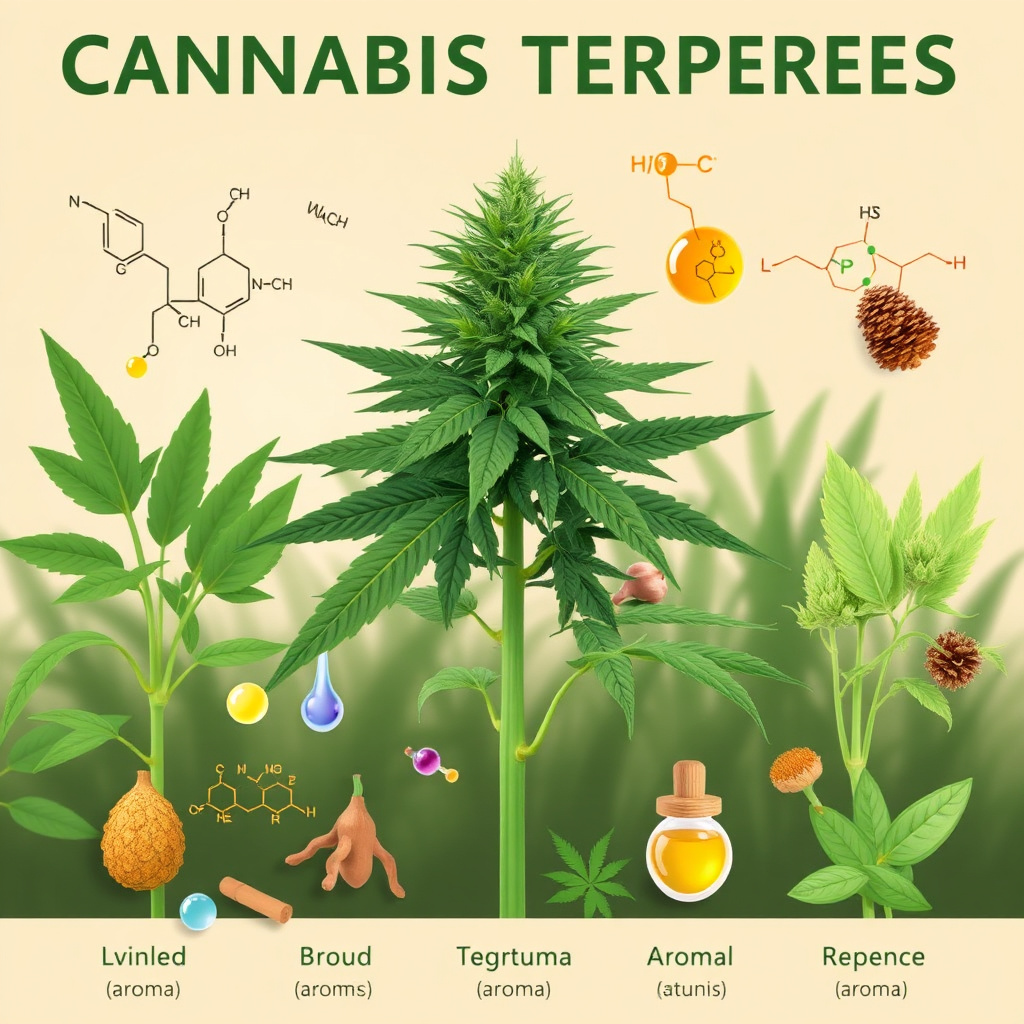
Terpenes are naturally occurring volatile organic compounds found in many plants, including cannabis. They serve as a protective mechanism in plants and create distinctive aromas and flavors. Over 100 terpenes have been identified in cannabis, each contributing to different sensory and possibly therapeutic qualities.
In cannabis, terpenes don't just influence aroma; they may also modulate the effects of cannabinoids like THC and CBD. This interplay is part of the entourage effect, which means the presence of specific terpenes might enhance or shift the psychoactive or medicinal experience.
Common Terpenes in Cannabis
Some terpenes are especially prevalent and well-studied in cannabis, such as myrcene, limonene, pinene, linalool, and caryophyllene. Myrcene often provides earthy, musky aromas and is associated with relaxation. Limonene has a citrus scent and uplifting properties, while pinene gives fresh pine notes and may aid alertness.
Knowing these common terpenes helps you interpret profiles more easily, as most strain reports highlight these compounds alongside their concentrations. Each terpene’s smell and effects are distinct, helping consumers select strains that match their preferences or needs.
How to Read a Terpene Profile on Lab Reports
Interpreting Terpene Names and Abbreviations
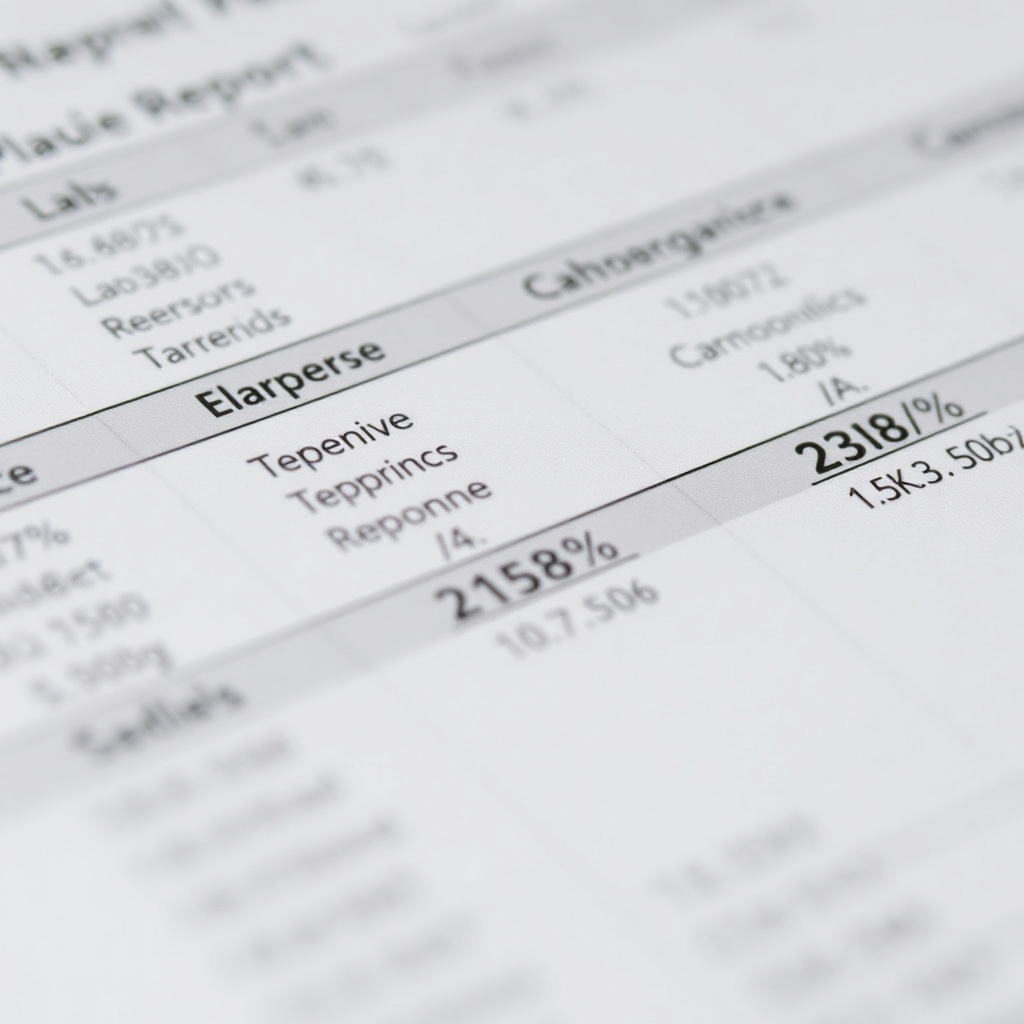
Lab reports list terpenes often by their scientific names or common abbreviations, requiring some familiarity. For instance, myrcene may appear simply as 'Myrc,' limonene as 'Limon,' and beta-caryophyllene as 'Caryophyllene' or 'β-Caryophyllene.' Each terpene is usually accompanied by a percentage that quantifies its presence relative to the flower’s dry weight.
Understanding the terminology means you can instantly identify which terpenes dominate the profile and better predict aroma and effects. Some labs also classify terpenes broadly into categories such as monoterpenes and sesquiterpenes, which relate to their molecular structure.
Reading Concentration Values
The percentages next to each terpene indicate its relative concentration, usually in percent or milligrams per gram. Higher percentages mean that terpene significantly influences the overall aroma and possibly effects. For example, a profile showing 1.5% myrcene suggests a strong musky and sedative effect potential.
It's typical for most terpenes to be found in trace amounts under 1%, but even small amounts can be noticeable due to their high volatility. Profiles usually sum up to about 1-3% total terpene content, depending on the strain and lab methods.
Using Terpene Profiles to Predict Effects and Flavors
Relating Terpenes to Aroma and Flavor
Each terpene contributes characteristic aromas which combine to form the unique scent and taste of a strain. For instance, limonene brings citrus and sweet notes, while caryophyllene adds spicy, peppery hints. Combining these creates complex bouquets that appeal differently to users.
By identifying dominant terpenes in a profile, you can anticipate the flavor experience before even trying a strain. This is valuable because terpene content can vary between harvests, even within the same strain name.
For more on this, see our related guide: How to Read Cannabis Strain Descriptions to Find Your Perfect Match.
Predicting Effects from Terpene Data
Though individual responses vary, certain terpenes have been linked with specific effects based on pharmacological studies. Myrcene is generally relaxing or sedating, pinene may improve focus and memory, and linalool tends to have calming and anti-anxiety effects.
A balanced terpene profile combining energizing and calming compounds can produce nuanced experiences. Using terpene profiles alongside cannabinoid data offers a fuller picture for medical or recreational users seeking targeted results.
Common Mistakes When Reading Terpene Profiles

Ignoring Terpene Interactions
One frequent error is to evaluate terpenes in isolation. Terpenes interact not only with cannabinoids but also with one another, creating complex synergy that affects outcomes. A terpene’s effect can be shaped or muted depending on other compounds present.
Therefore, focusing on a single terpene without considering the whole profile or cannabinoid content can lead to misleading conclusions about a strain’s characteristics.
Misinterpreting Percentages and Labels
Another mistake is misreading percentages as total potency or assuming higher is always better. Terpene percentages are relative and reflect volatile oils; more does not necessarily mean stronger effects, but usually stronger aroma and flavor influence.
Also, variations in lab testing methods and standards mean terpene profiles from different sources might not be strictly comparable. Take profiles as approximations rather than absolute measures.
Applying Cannabis Terpene Analysis in Your Cannabis Selection

Choosing Strains Based on Terpene Profiles
If you enjoy citrusy, uplifting flavors, profiles rich in limonene or pinene are good choices. For relaxing or sedative effects, strains high in myrcene and linalool could be preferred. Identifying these terpene signatures aligns products with your desired effects or flavor preferences.
Keep a terpene journal to note how different profiles influence your experience over time, and use this data to fine-tune future purchases.
For more on this, see our related guide: How Long Does Cannabis Curing Take: A Complete Timeline for Best Results.
Working with Dispensary Terpene Information
Many dispensaries now provide terpene information on packaging or websites, simplifying your selection process. Asking budtenders about terpene profiles can clarify product choices when you want something specific, like energy-boosting or calming properties.
When terpene data isn’t available, you can still ask about strain aromas or reported effects, but knowing the terpene content offers a more scientific approach to understanding products.
Future of Terpene Profiling and Consumer Trends
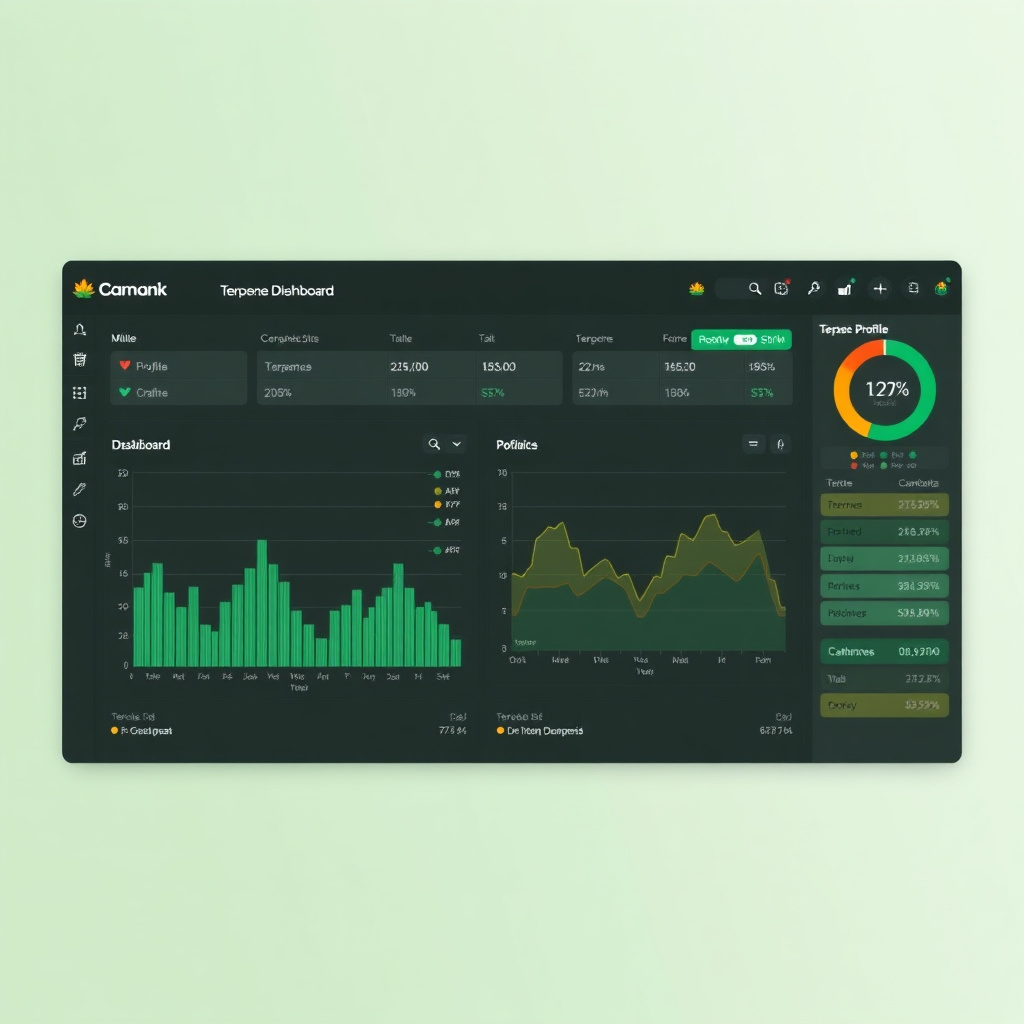
Advances in Terpene Testing Technology
Terpene analysis is becoming more precise and accessible with advances in gas chromatography and mass spectrometry techniques. These improvements help labs quantify an expanding range of terpenes, increasing profile detail.
Better testing will enable clearer consumer labeling and potential personalization of cannabis products based on terpene content, aiding both recreational and medicinal use cases.
To learn more about terpenes and their chemical nature, visit this detailed overview of terpene compounds. Terpenes and Cannabis Chemistry.
Consumer Interest in Terpene Profiles
As awareness of terpene influence grows, more consumers request detailed terpene profiles to guide their purchases. This trend pressures producers to standardize lab reporting and consider terpene breeding and preservation in cultivation.
Ultimately, terpene profiling may become a standard part of cannabis consumer education and product marketing, offering a richer understanding of strains beyond cannabinoids alone.
Terpene Profile Categories Comparison
Here is a comparison of common terpene-rich cannabis categories highlighting their dominant terpenes, typical aromas, and general effects.
| Category | Dominant Terpenes | Aroma Profile | Common Effects |
|---|---|---|---|
| Citrus/Uplifting | Limonene, Pinene | Citrusy, pine, fresh | Energizing, mood boosting |
| Earthy/Relaxing | Myrcene, Caryophyllene | Earthy, musky, spicy | Relaxing, sedative |
| Floral/Soothing | Linalool, Terpinolene | Floral, sweet, herbal | Calming, anti-anxiety |
| Spicy/Peppery | Caryophyllene, Humulene | Spicy, woody, peppery | Anti-inflammatory, uplifting |
| Fruity/Sweet | Ocimene, Terpinolene | Sweet, fruity, herbal | Mood enhancing, relaxing |
Frequently Asked Questions
What is a terpene profile in cannabis?
A terpene profile lists the types and amounts of terpenes present in a cannabis sample, which influence the plant's aroma, flavor, and potential effects.
How do terpenes affect the cannabis experience?
Terpenes contribute to aroma and flavor while also interacting with cannabinoids to modify effects, potentially enhancing relaxation, energy, or focus.
Can I trust the terpene profile on my product's label?
Profiles are generally reliable but can vary due to testing methods and plant variability; use them as general guides rather than absolute guarantees.
Are terpene percentages related to potency?
Terpene percentages relate to aroma and flavor strength, not THC or CBD potency. They indicate how much of a particular terpene is present.
Why are some terpene percentages so low in profiles?
Even small amounts of terpenes can strongly affect aroma and effects because terpenes are highly volatile and potent compounds.
Key Takeaways
- Terpene profiles reveal the aromatic and potential effect properties of cannabis beyond cannabinoids.
- Understanding terpene names and concentrations helps predict flavor and user experience.
- Reading terpene data requires context, including cannabinoid interplay and testing variability.
- Using terpene profiles supports more informed cannabis selection tailored to personal preferences.
Conclusion
Determining which cannabis product suits your needs involves more than THC or CBD levels; reading a terpene profile introduces a deeper layer of insight into potential aromas, flavors, and effects. Interpreting terpene names and their concentrations reveals how the plant’s chemical makeup shapes your experience. With an attentive eye on terpene interactions and realistic expectations about lab data variability, consumers can better anticipate their body's response and enhance satisfaction with chosen strains. This thoughtful approach transforms terpene profiles from abstract data to practical tools in cannabis selection.
In specific scenarios, those seeking relaxation might select strains rich in myrcene and linalool, while individuals wanting focus or a mood boost may prefer terpene profiles dominated by pinene and limonene. The comparison of profile categories highlights how varying terpene blends correlate with effects and aromas, enabling targeted choice. Dispensaries providing terpene analysis support more nuanced decisions, while consumers can keep personal notes that refine preferences over time. The emerging precision in cannabis terpene analysis promises more reliability and tailored products in the future, adding another dimension to your cannabis knowledge.
As a practical next step, begin by reviewing lab reports on products you currently use, noting terpene concentrations and corresponding effects. When shopping, prioritize products with detailed terpene data, asking questions about aroma and dominant terpenes to better predict your experience. Developing this skill will empower you to select cannabis with more confidence and satisfaction. By combining terpene profile knowledge with cannabinoid content and personal response, you can cultivate a richer, more intentional relationship with cannabis.